
For most people, a tubeless tire plug is not a permanent repair solution. Safe and durable tubeless tire repair is crucial. Leaving a tire puncture unaddressed can compromise driving safety. Many people mistakenly believe that a tubeless tire plug offers a “fix-it-and-forget-it” solution; however, in reality, it typically provides only a temporary remedy. People seek permanent repair solutions primarily for the following reasons:
- Tire punctures occur frequently, necessitating reliable repair methods.
- Failure to repair a puncture promptly can lead to a loss of vehicle control, potentially resulting in a traffic accident.
- Hasty or improper repair methods often lead to costly damage to the tire or wheel rim.
Drivers should always pick the safest way to fix their tires.
Key Takeaways
- Tubeless tire plugs can quickly seal small punctures, but they do not constitute a permanent repair. They should be used only when an urgent, temporary fix is required.
- For a more durable repair, use a tire patch. Patches provide a superior seal and remain securely in place over the long term.
- Always carefully inspect the size and location of the puncture. If the hole exceeds 1/4 inch (approximately 6.35 mm) in diameter, or if it is located on the tire’s sidewall, you must seek professional assistance.
- Regularly inspect your tires and the repaired area. It is essential to replace any temporary, emergency repair with a permanent solution as soon as possible.
- Combining a tubeless tire plug with a tire patch often yields the best repair results. This approach ensures both a complete seal of the puncture and the structural integrity of the tire.
What Is a Tubeless Plug?
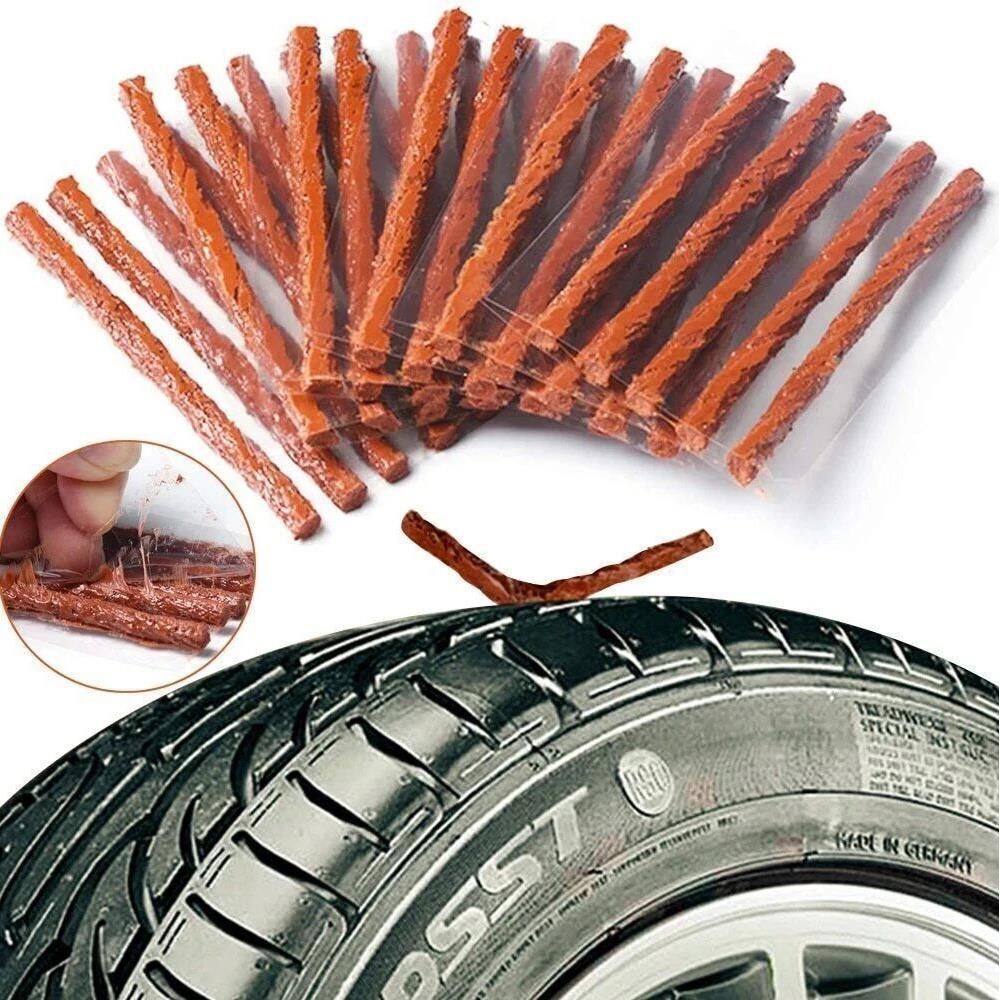
A tubeless tire plug is a small device designed to seal punctures in tubeless tires (tires without an inner tube). Many cyclists and motorists use this tool to quickly repair tire punctures. These plugs are suitable for use with the tubeless tire systems found on bicycles, passenger cars, and trucks. People typically carry a specialized tubeless tire repair kit in their vehicle to be prepared for unexpected situations.
How a Tubeless Plug Works
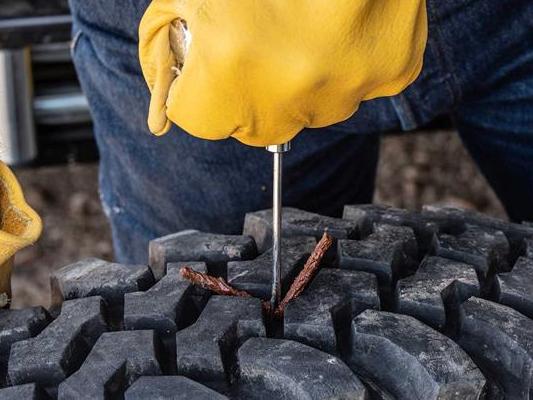
Tubeless tire plugs are designed to effectively seal punctures in tubeless tires. When a user forcefully inserts a plug into a puncture hole, it creates a tight internal barrier. This barrier effectively prevents air from leaking out. The diameter of the plug must match the size of the puncture hole. If the fit is snug, the tire’s internal sealant can fill in any remaining microscopic gaps. The structural design of the plug’s base prevents it from slipping out and falling into the interior of the tire. It is precisely because of this structural feature that professional tubeless tire plugs have become the preferred tool for quick, emergency repairs.
Tip: Always check the size of the puncture before using a tubeless pro plug. A good fit means a better seal.
Tubeless plugs come in different materials. Some common types include:
- Bacon strips: These use sticky vulcanized rubber. They bond with the tire sealant to stop air loss.
- DART: This type uses a special material. It sticks to latex sealant for a stronger hold.
When to Use a Tubeless Plug
Tubeless tire plugs are typically used to repair small punctures found in tubeless tires. This tool is best suited for simple puncture damage—for instance, punctures caused by nails or thorns. Many cyclists and motorists keep a professional tubeless tire repair kit handy in their vehicle or bike bag. These kits prove invaluable when a quick repair is needed and reaching a repair shop immediately is not an option. Tubeless tire plugs allow users to get back on the road quickly. For larger cuts or damage to the tire’s sidewall, alternative repair methods may be required to achieve a more effective result.
Tubeless Plug Longevity and Safety
How Long Does a Tubeless Plug Last?
Tubeless tire plugs allow for the rapid repair of flat tires. Many people, however, ask: How long will this repair hold up? The answer depends on several factors—specifically, the quality of the tire plug itself, the size of the puncture, and road conditions—all of which are critical. Some tire plugs can keep a tire sealed for weeks or even months, while others may fail after just a few days. Studies indicate that repairs relying solely on tire plugs may lead to future tire failure. This is because a plug may not fully seal the tire’s inner liner, allowing air to seep in and thereby compromising the tire’s structural integrity. Such internal leakage can trigger tread separation, severely undermining the tire’s overall strength.
Weather conditions also influence the longevity of tubeless tire plugs. The table below illustrates how humidity and temperature affect the lifespan of the internal sealant (self-sealing fluid) within the tire:
| Environmental Factor | Effect on Sealant Longevity |
|---|---|
| High Humidity | Keeps sealant wetter longer |
| Dry Climates | Accelerates evaporation |
| Temperature Variations | Influences performance |
If you drive in dry places, the plug may dry out faster. In humid areas, the sealant can last longer. Big temperature changes can make the plug work worse. Bumpy roads and bad weather can also make the repair not last as long.
Is It Safe for Long-Term Use?
Most experts point out that tubeless tire plugs (tire plugs) are only a short-term emergency solution. While they can help in emergencies, they are not suitable as a long-term safety solution. The biggest hazard is that plugs can fail. Reports indicate that plugs are prone to loosening, especially when driving on rough terrain. Some plugs quickly lose their effectiveness, leading to tire leaks and compromising driving safety.
Key potential safety hazards include:
- Plugs are not designed for long-term use.
- Plugs are prone to loosening or failure on rough roads or in inclement weather.
- Using plugs alone cannot address potential damage inside the tire.
- If used properly, patches (tire patches) are safer and more durable for repairs.
Tubeless tire repair kits typically include plugs for quick emergency use. However, for a stronger seal and more comprehensive tire protection, experts recommend using patches for long-term repair. Patches can last for years and effectively prevent further damage. Drivers should regularly check tire condition; for driving safety, it is recommended to consider patching or have the vehicle inspected by a professional.
Risks and Limits of Tubeless Tire Repair
When a Plug Isn’t Enough
While tubeless tire patching can be useful in an emergency, it is not a panacea and cannot solve all tire damage problems. Sometimes, tire damage is far more than a small hole—such as larger cuts, sidewall tears, or hidden internal defects that cannot be repaired with patching alone. Automotive safety regulators point out that using patching alone is not a permanent solution. They warn that this practice can lead to slow tire leaks or even tire blowouts. Combining patching with repair plugs achieves a more durable and reliable tubeless tire repair.
Many drivers are accustomed to using patching with tire sealant for quick emergency repairs. However, the use of these sealants often introduces new problems. Certain chemicals in sealants can damage the tire, such as accelerating rubber aging and decomposition, or causing the internal layers of the tire to peel off. Over time, this will gradually weaken the overall strength of the tire. Furthermore, sealant can cause excessively high internal tire pressure, creating a safety hazard. Some sealants even contain flammable gases, which can easily cause a fire if not handled carefully during the repair process.
Note: Professional tubeless tire repair services check inside the tire. They follow safety steps to stop accidents and keep the tire strong.
Common Failure Scenarios
Tire plugs do not always work in every case. Here are some common ways tubeless repair can fail:
- The plug does not seal the hole well, so air leaks out slowly.
- The plug comes loose after hitting bumps or potholes.
- The tire has hidden damage that a plug cannot fix.
- The sealant dries out or reacts with the tire, causing more damage.
Insurance companies and tire makers often want professional repairs. The table below shows the differences between a do-it-yourself plug kit and a professional patch-plug repair:
| Factor | DIY Plug Kit | Professional Patch-Plug |
|---|---|---|
| Cost | $5–$15 (kit) | $20–$50 |
| Interior Inspection | No | Yes |
| Detects Hidden Damage | No | Yes |
| Meets Safety Standards | No | Yes |
| Tire Warranty | May void | Maintains |
| Expected Lifespan | Temporary | Permanent |
| Failure Rate | 15-25% | <2% |
Drivers should remember that repair solutions like patch plugs for tubeless tires are only for short-term emergency use. For safe and long-lasting repairs, professional patch repairs or combination repair solutions are the best choice.
Tubeless Plug vs. Tire Patch
Permanent Repair Options
Many drivers wonder which method is best for repairing a flat tire. Tubeless plugs can quickly repair a puncture from the outside. This method is suitable for emergencies, allowing you to get back on the road as soon as possible. However, experts point out that tubeless plugs are not a permanent solution; they are only a short-term solution and may quickly become ineffective if you drive frequently or on rough roads.
Tire patches work differently. They seal the puncture from the inside of the tire. When using a patch, you must remove the tire from the rim. The patch covers the puncture and adheres to the inside of the tire. This creates a strong seal that lasts longer than a plug. The rules are as follows:
Plugs are usually just for short-term repairs, but patches are stronger and last longer. They work well because they use glue and pressure to seal the hole.
Here is a table that shows how these two fixes are different:
| Method | Installation | Durability | Cost |
|---|---|---|---|
| Tubeless Plug | Easier to install; does not require tire removal | Shorter lifespan; temporary fix | Less expensive; $10–$20 for DIY kits |
| Tire Patch | Requires tire removal and careful placement inside the tire | Longer-lasting; can last for years | More expensive; up to $50 with labor |
Tire patches provide a better, more durable repair by sealing the puncture from the inside. They prevent leaks and keep the repair strong for a long time. Patches are firmly attached to the tire and help maintain its strength. Using plugs can weaken the tire and may lead to a future blowout.
Tire manufacturers and safety experts recommend using both plugs and patches for optimal repair results. Plugs seal the puncture, while patches strengthen the repaired area from the inside. This allows the repair to last as long as the tire itself.
Tire repair experts say using both a plug and a patch is the safest and longest-lasting way to fix a tire. The plug keeps water out, and the patch makes the repair even stronger so it will not come loose.
SUNSOUL Tire Patch Benefits
SUNSOUL tire patches are ideal for repairing tubeless tires. This product boasts numerous advantages, making it popular with car owners and repair shops.
Key features of SUNSOUL Tire Patch include:
- Time Efficiency: Fixes holes fast so drivers can get going again.
- Universal Compatibility: Works on many types of vehicles, like bikes and trucks.
- Heavy-Duty Capability: Can fix holes in work trucks and family cars.
- Ease of Use: The design makes repairs simple for anyone to do.
- Comprehensive Kit: Has all the tools and parts you need for many repairs.
This table shows the main benefits:
| Feature | Explanation |
|---|---|
| Time Efficiency | Enables quick puncture repairs, allowing users to resume driving promptly. |
| Universal Compatibility | Suitable for a wide range of vehicles including trucks and bicycles. |
| Heavy-Duty Capability | Designed to handle common punctures in both work and family vehicles. |
| Ease of Use | T-handle design simplifies and speeds up the repair process. |
| Comprehensive Kit | Contains 40 pieces, providing all necessary tools for various repair needs. |
SUNSOUL tire patches are made of strong materials, ensuring a strong bond and long-lasting durability. This allows all drivers to repair tires safely and reliably. We offer chemically cured and dual-cured patches to meet different repair needs.
SUNSOUL also gives great help after you buy:
| Type of Support | Description |
|---|---|
| Professional Training | Free training online or in person to learn how to use the products. |
| Technical Empowerment | Experts can come help with hard repairs if needed. |
| Logistics Guidance | Help with keeping track of your repair supplies. |
| Marketing Support | Tips and tools to help you sell more and grow your business. |
These services help buyers and shops get the most from their tire repair kits.
Experts recommend using both tire plugs and patches for the best and most durable repair results. Tire plugs quickly seal punctures, while patches ensure a strong and lasting repair. This combination can last as long as the tire itself, making it the safest and most effective method of tire repair.
A tire patch goes inside the tire after you take it off the rim. It closes the hole from inside and makes the area stronger. Patches give a better and longer-lasting fix.
Tubeless Tire Repair Kit: Best Practices
What’s Included in a Repair Kit
Tubeless tire repair kits can help drivers quickly repair flat tires. Each kit contains the tools and materials needed for tubeless tire repair. People use these kits to ensure driving safety. The items in a tubeless tire repair kit can address different problems. Here are some items drivers typically find:
- Tire sealant, for patching small holes
- Inner tube, for added safety
- Strong adhesive tape, for covering leaks
- Tire patch, for patching small holes
- Strong glue or shoe glue, for securing repairs
- Spare valve stem, for replacing damaged parts
- Tubeless tire plug, for quick repairs
- Swivel needle and thread, for stitching tears
- Old tire sidewall fragments, for reinforcing weak areas
- Valve core tool or Leatherman multi-tool, for removing valve stems
- High-capacity air pump, for inflating the tire
Each item in the repair kit helps ensure a tubeless tire functions properly. Tire sealant is best for patching small holes. Tubeless tire plugs can quickly patch small holes. Tire patches are suitable for larger damage. The driver uses a high-capacity air pump to inflate the tire after repairing it.
Tip: Always check your tubeless tire repair kit before you travel. Make sure all the parts are there and not broken.
When to Seek Professional Help
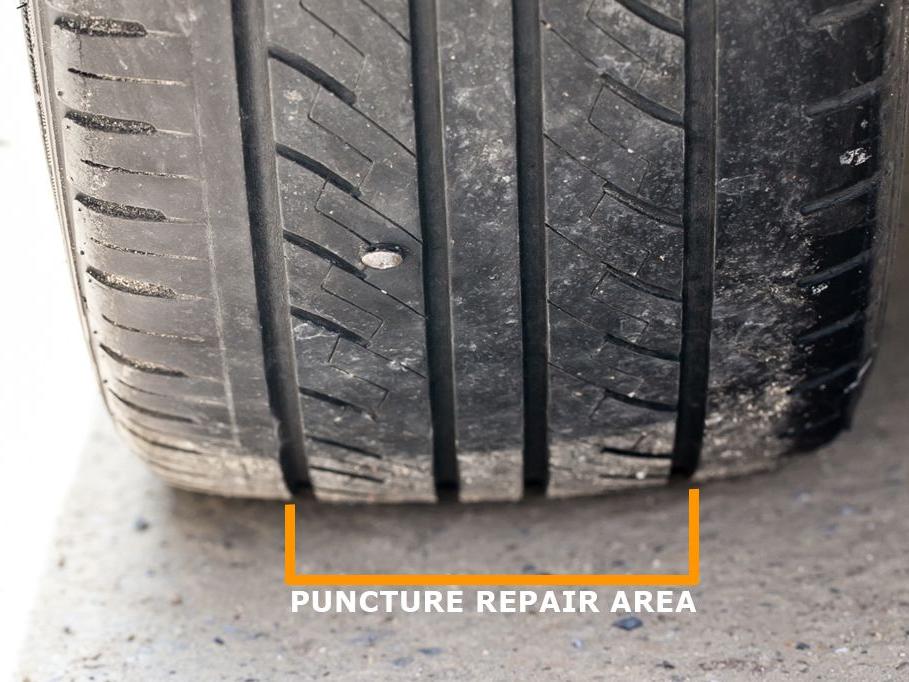
Drivers need to know when to use a tubeless tire repair kit and when to get help. Not every problem can be fixed with a kit. Experts say to use a kit for small holes in the tread. If the hole is less than 1/4 inch wide, the kit can fix it. If the damage is on the sidewall or shoulder, get a pro to help. Big holes or lots of holes also need expert repair.
The table below shows when you can fix it yourself and when you need help:
| Condition | Safe for DIY Repair | Needs Professional Help |
|---|---|---|
| Puncture Size | Less than 1/4 inch | More than 1/4 inch |
| Location | On tread | Sidewall or shoulder |
| Damage | No inside damage | Inside or sidewall |
| Repair History | First repair | Many repairs |
Drivers should remember that a tubeless tire repair kit is best for small, easy problems. If the tire is badly hurt, a pro can make sure it is safe and lasts longer.
Most experts say a tubeless plug is just for short-term use. They suggest these steps to stay safe for a long time:
- Use a tubeless plug if you need to get home, but do not trust it for a long time.
- Plugs might come loose or stop working after a while.
- Pick a permanent fix, like a SUNSOUL Tire Patch or let a pro fix it.
Getting a pro to fix your tire with a good patch makes it stronger and helps stop more problems later. Drivers should look at every tubeless repair often to make sure their tire stays safe.
FAQ
How long do tubeless tire repair patches last?
Most drivers can use tubeless tire repair patches for a few days or weeks. Experts recommend replacing them with permanent repairs as soon as possible. Tire repair patches are not a long-term solution.
Can tubeless tire repair patches repair all tire punctures?
Tubeless tire repair patches are best suited for repairing small holes in the tire tread. They cannot repair sidewall damage or larger cuts. If the tire damage is severe, the driver should seek professional help.
Is it safe to use tubeless tire repair patches on the highway?
Tubeless tire repair patches provide temporary repairs at low speeds. High-speed driving on the highway can cause the patches to fail. Tire experts recommend using permanent repair patches before high-speed driving.
How are SUNSOUL tire repair patches different from other repair patches?
SUNSOUL tire repair patches are made with robust materials and feature an advanced design. They are suitable for a variety of vehicle models and are easy to install. Drivers trust SUNSOUL because it provides reliable, long-lasting repair results.
For best results, should tire plugs and patches be used simultaneously?
Yes. Using both together provides the strongest repair. Plugs quickly seal the puncture, while patches reinforce the inside of the tire for long-lasting protection.