
For those who prioritize safety and want proper tire repair, SUNSOUL tire patch pads are a reliable choice.Most experts believe that patching a tire from the inside out yields better results. This method provides the strongest seal and helps ensure pedestrian safety. Drivers want long-lasting repairs and to protect their families.
Key Takeaways
- Patching a tire from the inside out provides a stronger and safer seal than patching from the outside out.
- Using a patch in conjunction with a tire plug provides the safest and most durable repair.
- Repairing only small holes in the tire tread; large holes or sidewall damage mean you’ll need a new tire.
- Choose a premium product like SUNSOUL tire patching pads for long-lasting, effective repairs.
- For best results, have a professional repair your tire so they can thoroughly inspect it and ensure your safety.
Inside vs. Outside Patch a Tire

What Is Inside Patch a Tire?
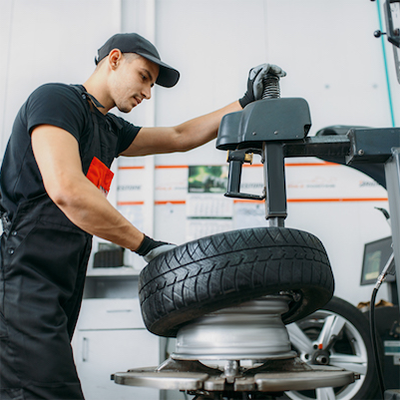
Internal patching involves removing the tire from the rim and then attaching it to the inner tube to repair a leaking tire. This seals the puncture from the inside, preventing further air leakage. Many manuals and experts consider this the best repair method. Here’s how professionals repair tires from the inside:
- Locate the puncture using soapy water or by visual inspection.
- Remove the tire from the rim and deflate it.
- Clean and sand the area around the puncture.
- Apply vulcanizing adhesive and wait for it to thicken.
- Cover the puncture with the patch and press it in.
- Sew the patch from the center to the edges to expel air.
- Apply repair sealant and bead sealant.
- Inflate the tire, cutting off any plugs if necessary.
- Check for leaks with soapy water.
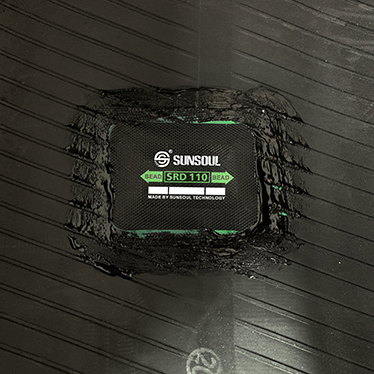
Internal patching uses special rubber and chemical adhesives. These materials make the repair strong and durable. Some patches also have an extra layer for added strength. SUNSOUL tire patches are made of high-quality materials, move with the tire, and can withstand high temperatures and pressures.
What Is Outside Patch a Tire?
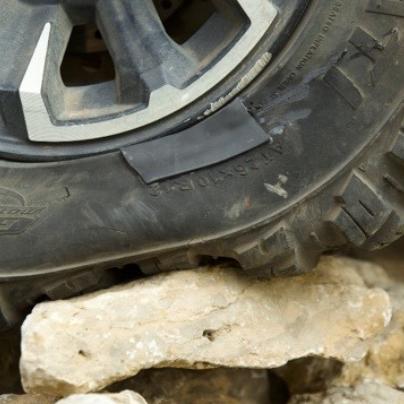
An external tire patch, also known as a plug patch or external repair, is a method of repairing a leak from the outside of the tire. This method involves attaching a plug or patch directly to the tire tread without removing the tire from the rim. This method is typically used when a tire needs a quick repair.
The steps for an external tire patch are as follows:
- Locate the leak and remove any debris.
- Use a tool to insert the plug into the leak.
- Trim off any excess plug material.
- Inflate the tire and check for leaks.
External tire patches are useful in emergencies, but they are not always durable. The plug may not adhere firmly to the liner, leading to slow leaks or reduced tire safety. Most experts believe that using an internal patch or patch in combination with a plug is a more robust repair method.
Pros and Cons of Each Method
Let’s look at inside and outside patching to see which is best for different needs.
| Method | Pros | Cons | Typical Use Cases |
|---|---|---|---|
| Inside Patch | Strong seal; lasts long; meets standards; safe | Takes more time; needs tire removal | Permanent repair, professional |
| Outside Patch | Fast and easy; no tire removal; good for emergencies | Not as strong; may not seal well; not always safe | Temporary fix, roadside repair |
| Patch-Plug Combo | Most secure; combines both; meets DOT standards | Needs more skill; takes longer | Best for bigger holes, safety |
Tip: For the safest fix, use a patch-plug combo. This makes an airtight seal and strengthens the tire from inside. It is the best choice for a permanent repair.
Internal patches are the safest and most effective. This type of patch forms a tight seal and lasts as long as the tire itself. The combination of patch and plug provides the strongest and most durable repair, especially suitable for larger punctures. SUNSOUL tire patches are suitable for both inside and outside repairs, but experts recommend inside repairs or a combination of patch and plug for best results.
Made with special rubber and adhesive, tire patches bond firmly to the tire. This bond restores the tire’s strength and performance, which is crucial for safety and extending tire life. SUNSOUL tire patches remain strong even in harsh conditions and are trusted by drivers and professionals worldwide.
When a driver needs to repair a blowout, they should consider the extent of the damage and the best repair method. Inside repairs or a combination of patch and plug offer the most reliable repair solution, ensuring safety and performance. Outside repairs can be helpful in emergencies, but are best used as a temporary solution until a permanent repair method is found.
Proper Tire Repair Process
Why Inside Patch Is Recommended
Industry experts agree that the best way to repair a tire is from the inside. This method creates a strong seal, extending the tire’s lifespan. Repairing tires from the inside helps prevent leaks and maintains the tire’s structural strength. Inside patches are made of rubber and adhere tightly to the tire liner. This method is better than inserting a patch from the outside, as outside patches may loosen over time.
| Method | Description | Advantages |
|---|---|---|
| Tire Patch | Rubber patch applied inside the tire | Secure seal, prevents air loss, keeps tire strong |
| Tire Plug | Flexible plug inserted from outside | Easy to use, but can loosen and cause leaks |
| Combo | Patch and plug used together | Most secure, keeps tire safe, rarely voids warranties |
Patches are stronger than plugs. They help extend tire life and are suitable for larger punctures. SUNSOUL tire patches are available in chemically cured and dual-cured types, offering ease of use, reliability, and suitability for various types of tire repairs.
Patch-Plug Combination for Tire Repair
The patch-plug combination is the best option for permanent tire repair. This method uses both a patch and a plug to repair the tire. The plug fills the puncture and prevents water from seeping in, while the patch covers the inside of the tire and holds the plug in place. Tire safety organizations recommend this method because it provides the best repair results.
- The patch-plug combination makes the repair stronger and more durable.
- The plug prevents moisture from seeping into the steel belt layers inside the tire.
- The patch provides extra support and ensures the plug is secure.
Many experts say that for a completely leak-proof and waterproof repair, both the patch and the plug need to be used together. SUNSOUL tire patches are perfect for this method, helping drivers drive with peace of mind.
Professional vs. DIY Tire Repair
Some drivers try to repair their tires at home. DIY tire repair can handle small punctures, but may not be able to solve larger problems. Professional tire repair shops have well-trained staff and specialized tools. They can inspect the tire inside and out to ensure the repair is safe and durable.
| Aspect | DIY Tire Repair | Professional Tire Repair |
|---|---|---|
| Effectiveness | Good for small flats | Works for all types of damage |
| Cost | Cheaper, one-time tools | Can cost more, but safer |
| Time | Fast for small fixes | May take longer, but more thorough |
| Expertise | Needs some skill | Experts have training and experience |
| Warranty | Usually no warranty | Often comes with a warranty |
Safety Tips: Always use a jack stand and follow safety rules when repairing a tire. Many accidents are caused by vehicles falling off jacks or tires bursting during inflation. For safety, have a professional repair it.
SUNSOUL tire patches make both DIY and professional repairs easier, but for best results and peace of mind, professional repair is the safest option.
When to Patch or Replace a Flat Tire
Safe Repair Limits for a Tire
Drivers often struggle with whether to repair or replace a flat tire. The answer depends on the location of the damage and the size of the puncture. Most experts agree that repairing a puncture is only safe if the puncture is located in the tread area, away from the sidewall or shoulder. The diameter of the puncture should not exceed a quarter inch (approximately 0.6 cm). If the puncture is close to the sidewall edge or too large, it is not safe to repair the tire.
Here are some brief rules for safely repairing tires:
- Repair only punctures between the tread and shoulder grooves.
- The width of the puncture must be less than a quarter inch (approximately 0.6 cm).
- The puncture should be at least a quarter inch (approximately 0.6 cm) from the sidewall.
- Never repair a tire more than three times.
- Always remove the tire from the rim to check for hidden damage.
If the tire shows signs of aging, bulges, or deep cuts, it is best to replace the tire. For small, clean punctures on a good-condition tire, patching or plugging is most effective.
When Not to Patch a Tire
Some types of damage mean the tire is beyond repair. Safety first, so drivers should know when to replace a tire rather than attempting to patch or plug it.
| Type of Tire Damage | Reason for Replacement |
|---|---|
| Sidewall or shoulder cuts | Unsafe to patch or plug |
| Structural damage | Tire must be replaced |
| Large gashes or holes | Unsafe to fix, even with a patch |
| Bulges or blisters | Tire structure is weak |
| Multiple close repairs | Weakens the tire, not safe |
| Run-flat or temporary tire | Not suitable for repair |
If a driver sees any of these problems, they should not try to fix the tire. A new tire is the safest choice.
Choosing the Right Tire Patch Product
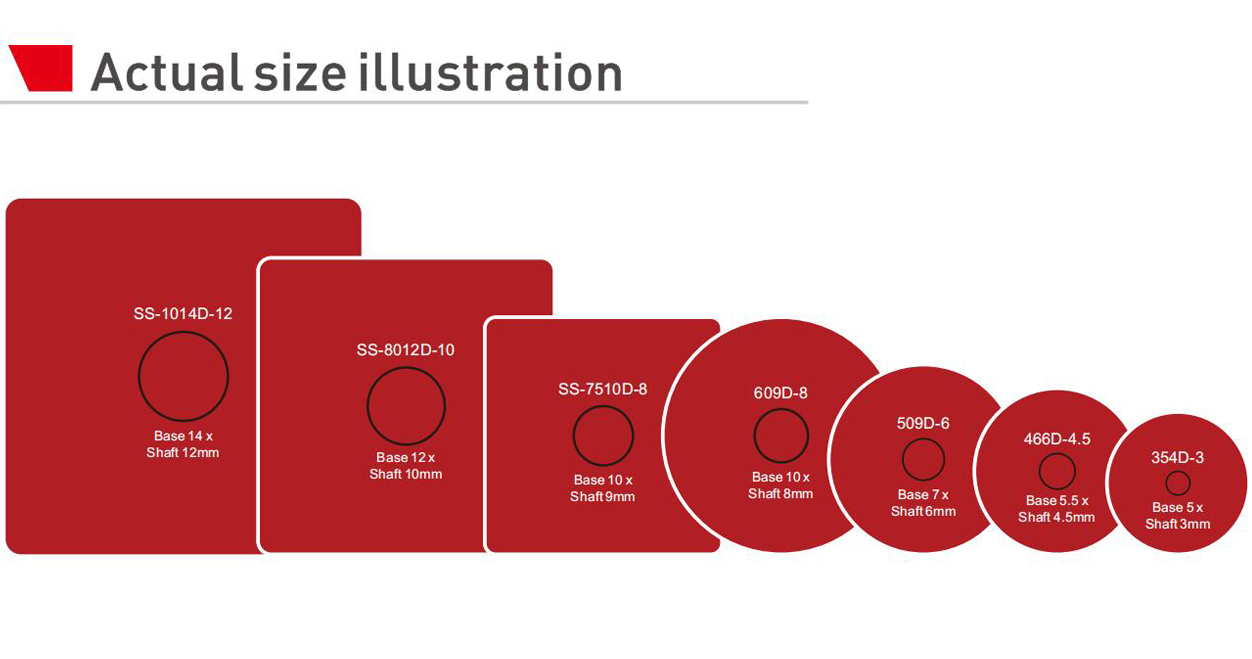
Choosing the right patch or plug is crucial for the durability of a tire repair. SUNSOUL patches stand out with their high-strength materials and advanced technology. These patches are suitable for a variety of vehicle models and provide a long-lasting repair, especially when used with plugs. SUNSOUL patches adhere tightly to the tire, making them ideal for permanent repairs.
When drivers need to repair a tire, they should choose products with the following characteristics:
- Strong adhesion and durability
- Easy to use
- Compatible with both patch and plug methods
- Highly rated by other drivers
SUNSOUL patches meet all these requirements. They help drivers drive with peace of mind and ensure the safety of their families.
Experts say the safest way to repair a tire is using a combination of plug and patch or an inside patch. These methods seal the puncture and maintain the tire’s strength. Drivers should only repair small holes in the tread. Always check for hidden damage after each repair. If the puncture is large or located on the sidewall, seek professional help. Using high-quality tire repair patches like SUNSOUL allows for quick and safe tire repair. Following these steps will ensure driving safety.
Taking care of tires and following safety rules makes repairs last longer.
| Method | Key Benefit |
|---|---|
| Combination Plug-Patch | Best seal and safety |
| Inside Patch | Strong, long-lasting fix |
| Outside Patch | Quick, but only for emergencies |
FAQ
Can I drive long distances with an outside tire patch?
Most experts believe that outside tire patches are best suited for temporary repairs. Drivers should go to a tire shop as soon as possible after use. For long trips, inside tire patches or patch/plug combinations offer better safety and peace of mind.
How long do SUNSOUL tire patches last?
When properly installed, SUNSOUL tire patches can last as long as the tire itself. Made with high-strength materials and advanced adhesives, these patches are reliable for everyday use.
Can I patch a tire multiple times?
Tire experts recommend not patching a tire more than three times. Too many repairs can weaken the tire. If the puncture is close to the puncture site, it’s safer to replace the tire.
What tools are needed for inside tire patching?
Tire removal tools:
- Vulcanizing adhesive
- SUNSOUL tire patch
- Stitching tools
- Air pump
These tools can help drivers or professionals perform strong and durable repairs.