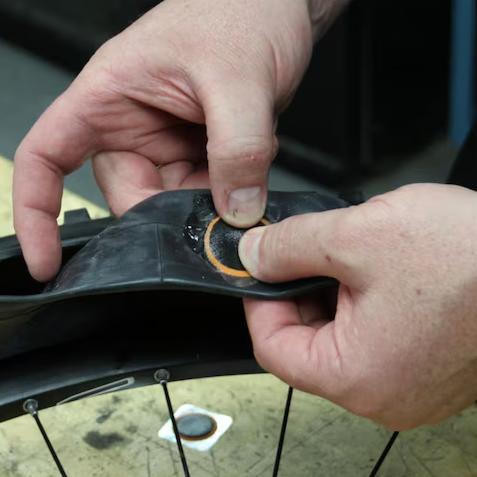


The choice between plugs and patches for repairing radial tires depends on safety, lifespan, and repair effectiveness. Experts generally recommend patch repairs, especially after a mechanic has removed the tire from the rim and inspected it. Automotive safety organizations point out the following:
- Plugs and patches can last for many years if installed correctly.
- Regular tire checks help prevent sudden problems.
- Over time, weather and road conditions can reduce the durability of repairs.
- Watching for leaks or vibrations helps ensure safety.
Drivers should not use quick repair methods unless absolutely necessary and should document all repairs.
Key Takeaways
- Patch repairs are generally safer and more durable than plug repairs. It seals the puncture from the inside of the tire, preventing air and water leakage.
- The best way to repair a tire is to use both plugs and patches simultaneously. This method seals the puncture from both sides, making the tire safer and more durable.
- Regularly check your tires for any damage. Early detection can prevent bigger problems and ensure your driving safety.
- Avoid quick repair methods unless absolutely necessary. Quick repairs are often ineffective and can even be dangerous.
- If the damage is near the tire sidewall, seek professional help. Also seek help if the hole is larger than 1/4 inch (approximately 6 mm). These problems usually mean you need to replace the tire, not repair it.
Tire Plug Repair Radial Tire
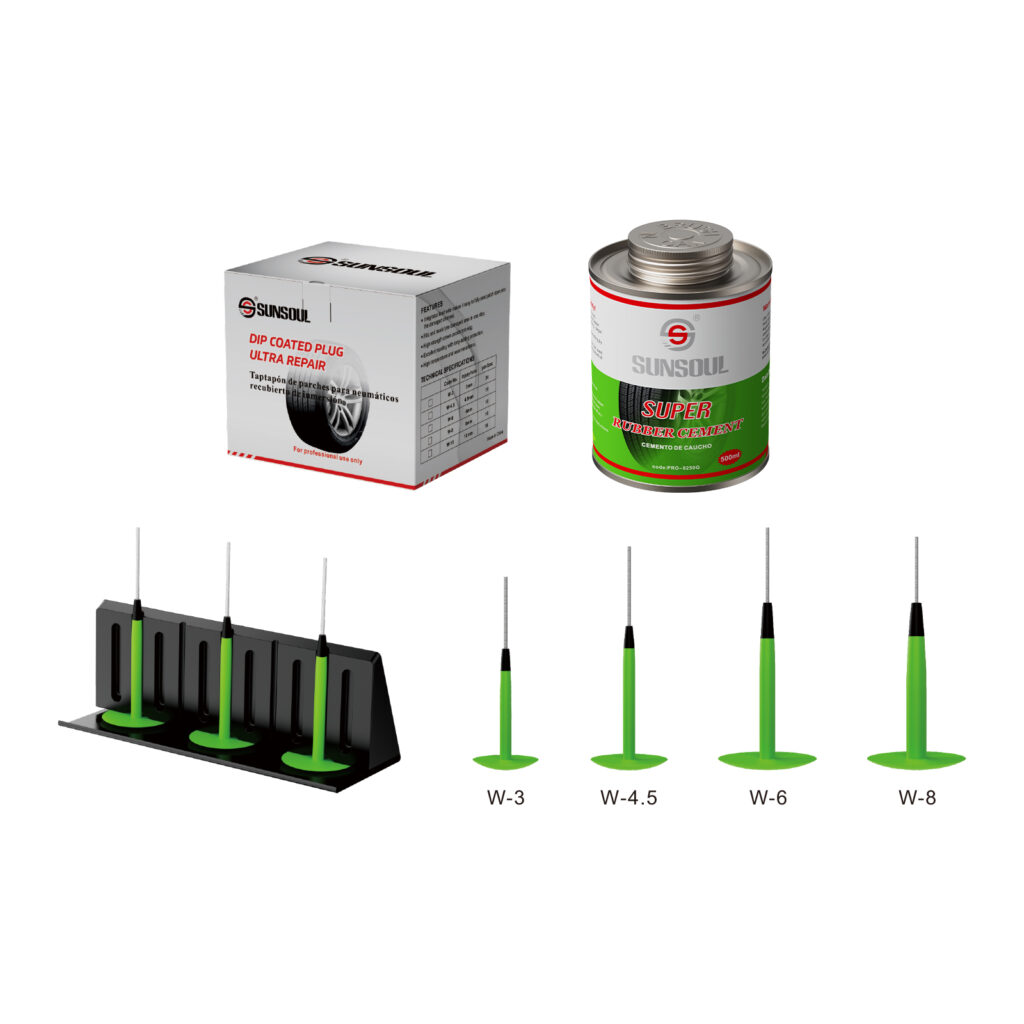
What Is a Tire Plug?
A tire repair strip is an adhesive material that can be inserted from the outside of the tire into a hole. Technicians use it to quickly seal holes, allowing drivers to get back on the road as soon as possible. Tire repair strips are best suited for small holes caused by nails or screws in the tire tread. Technicians can use the strip without removing the tire from the rim, making the repair process quick and easy.
Pros of Tire Plug
The biggest advantage of tire repair strips is their speed and cost-effectiveness. Many drivers choose this method because it is cheaper and takes less time. The table below compares the cost and time of tire plugs and tire patches:
| Repair Method | Average Cost | Time Required |
|---|---|---|
| Tire Plug | $5 – $10 | ~20 minutes |
| Tire Patch | $20 – $50 | ~20 minutes |
Tire plugs are extremely useful in emergencies. They allow drivers to quickly repair a blowout and continue driving without waiting for a more thorough repair.
Cons of Tire Plug
Tire plugs are not always a long-lasting and effective repair method. Tire manufacturers state that using both a patch and a plug from the inside of the tire is safer and more durable. Using a tire plug alone may not provide a secure hold, especially with large punctures or punctures close to the tire sidewall. Some regulations prohibit using only tire plugs or performing repairs without removing the tire from the rim. The following table lists situations where tire plugs should not be used:
| Situation | Recommendation |
|---|---|
| Plug by itself or patch by itself | Not an acceptable repair |
| Existing improper repair | Tire must be scrapped |
| Outside-in tire repair or on-the-wheel repair | Never perform these types of repairs |
When to Use a Tire Plug
Tire plugs are best suited for small holes in the tire tread. Drivers should only use them for minor damage that is not near the tire sidewall or shoulder. Many experts recommend using tire plugs in conjunction with patches for better results. This enhances the seal and extends the life of the repair. Tire plug repairs are a short-term solution, typically used when drivers need a quick fix before a better repair can be performed.
Tire Patch Repair Radial Tire
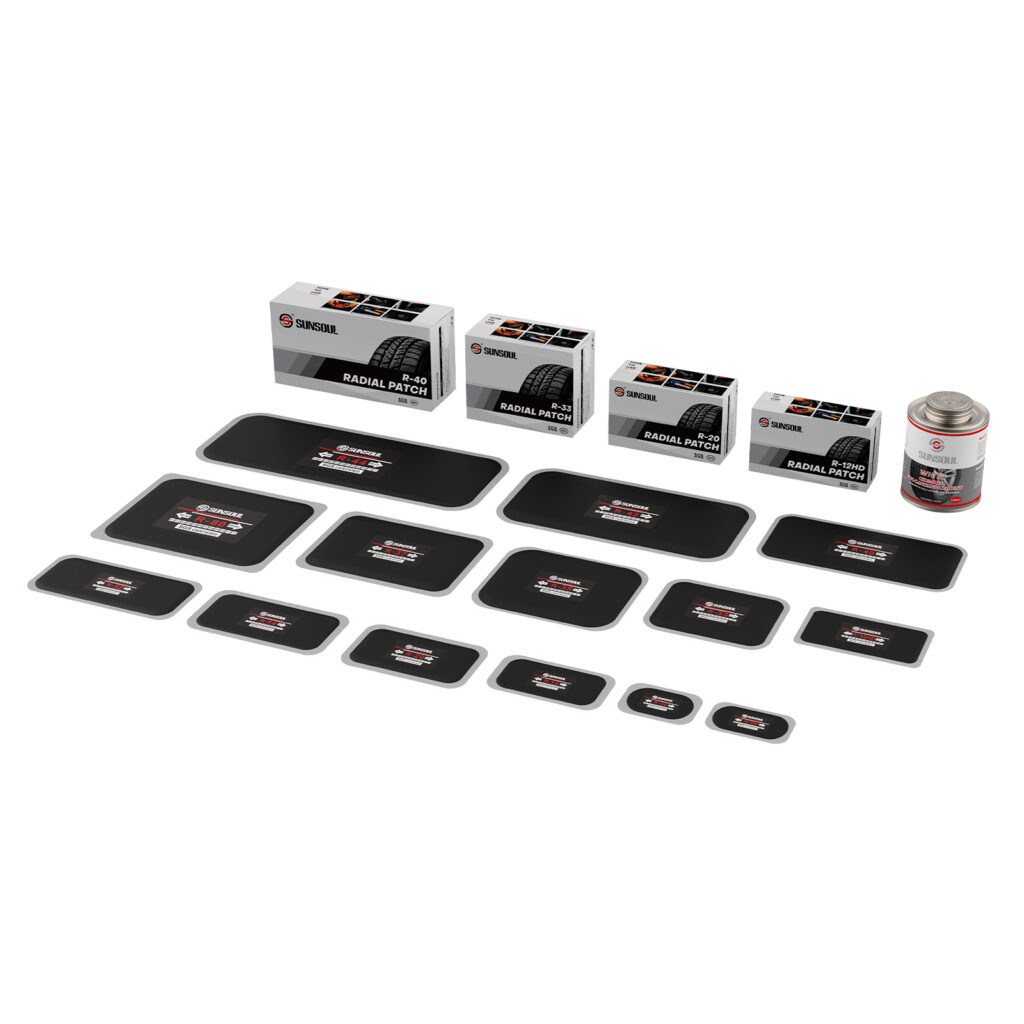
What Is a Tire Patch?
A tire patch is a special component placed inside a tire to seal a puncture. The patch covers the damaged area and adheres tightly to the inside of the tire. Because the patch bends with the tire’s rotation, it is ideal for radial tires. SUNSOUL tire patches are known for their strong adhesive and ease of use. Many people appreciate their separate backing, which helps them apply the patch correctly. SUNSOUL produces millions of patches every month and sells them in over 60 countries, demonstrating its global trustworthiness.
| Feature | Description |
|---|---|
| Internal Construction | Made with single-ply or multi-ply nylon or polyester cords for flexibility. |
| Key Feature | Built to bend and move with the tire. |
| Reinforcement Angle | Cords are set at a low angle to handle stress and bending. |
| Edge Design | Has thin, feathered edges to lower stress and stop peeling when the tire bends. |
Pros of Tire Patch
Repairing tires offers many benefits. This tire patch is extremely flexible and can withstand changes in pressure and temperature. Even if the tire moves, the repair remains secure. The repair process is quick and easy, requiring no long waiting times. SUNSOUL tire patches use a strong adhesive to prevent detachment. Suitable for cars, trucks, and agricultural machinery. It also features high-temperature resistance and abrasion resistance, ensuring durability.
| Benefit | Description |
|---|---|
| High Flexibility and Adaptability | Tube patches move with the tire and do not break when pressure or temperature changes. |
| Quick and Efficient Repair | The repair is simple and fast, so vehicles are back on the road quickly. |
| Strong Adhesion for Lasting Performance | The glue is strong and keeps the patch in place for a long time. |
| Multi-Application Use | Works for many vehicles, like bikes, motorcycles, and farm machines. |
| Resistance to Heat and Friction | Made to handle high heat and rubbing, so it does not wear out fast. |
Cons of Tire Patch
Patches cannot repair all types of tire damage. If the sidewall is damaged, the patch may not be strong enough. Larger holes or deeper cuts can reduce tire strength and create safety hazards. Improper repairs can be dangerous if technicians ignore internal tire damage. Tire problems are a major cause of traffic accidents, making proper tire repair crucial.
| Drawback/Limitations | Description |
|---|---|
| Sidewall Damage | Not safe if the sidewall is damaged because it is not strong enough. |
| Larger Punctures | Big holes or deep cuts can make the tire much weaker. |
| Improper Repairs | Bad repairs can be unsafe if inside damage is missed. |
| Traffic Safety | Tire problems cause many accidents, so repairs must be done right. |
When to Use a Tire Patch
Experts recommend using patches for larger punctures in the tire tread. Patches seal the puncture from the inside, preventing air and water from entering and extending the repair’s lifespan. SUNSOUL offers both chemically cured and dual-curing patches. Chemically cured patches use chemical adhesives, while dual-curing patches combine chemicals and heat for a stronger, faster repair. Dual-curing patches have a longer lifespan and perform better under pressure. If you prioritize safety and lasting repair results, tire patches are the best option.
Plug or Patch: Which Is Better For Radial Tire?
Safety Comparison
Safety is paramount when repairing radial tires. Using only plugs for repairs carries risks. Plugs cannot completely seal the puncture, allowing air and water to enter the tire, potentially causing a blowout and an accident. In Florida, a child was injured after a tire punctured following a plug-only repair. Both the Tire Industry Association (TIA) and the National Highway Traffic Safety Administration (NHTSA) state that using only plugs for repairs is unsafe.
Tip: Always ask a technician to check the tire inside and outside before choosing plug or patch.
Here is a table showing how safe each method is:
| Repair Method | Safety Outcome |
|---|---|
| Plug-only repairs | Higher risk of tire failure because the hole is not sealed well. Air and water can get in. |
| Patch-only repairs | Safer than plug-only repairs but still have some risks. |
| Combination repairs | Safest method. NHTSA says it seals holes well and stops damage inside the tire. |
When patching a tire, safety rules must be followed regardless of whether a plug or patch is used. A combination repair not only seals the hole and stops the leak but also prevents damage to the inside of the tire. A plug alone cannot provide such comprehensive protection.
Durability Comparison
Durability refers to the duration of a plug or patch repair. Both plug and patch repairs can last 7-10 years, or 25,000 miles. Patches are stronger and last longer. Tires repaired with patches perform well and do not lose strength. Plug repairs may loosen over time. High temperatures or humid weather can cause the adhesive to fail, leading to repair failure.
The table below shows the lifespan of each repair method:
| Repair Type | Average Lifespan (Years) | Average Lifespan (Miles) |
|---|---|---|
| Plug | 7-10 | Up to 25,000 |
| Patch | 7-10 | Up to 25,000 |
- Patch repairs are more durable than plug repairs.
- Tire patches are effective and durable.
- High temperatures can cause the adhesive to fail.
- Water can also reduce the strength of the repair.
Both tire patches and plug repairs must withstand high temperatures and water. Tire patches are generally more effective than plug repairs. If the adhesive fails, a plug repair may fail.
Effectiveness Comparison
Effect refers to the ability of a plug repair or tire patch to stop a leak and ensure tire safety. A tire patch covers the inside of the tire, preventing air and water from entering. A plug repair fills the hole from the outside, which may loosen and cause a leak. Tire patches are safer and more durable than plugs, especially for larger holes or situations requiring long-term repair.
- Tire patches cover the inside of the tire, stopping a leak.
- Plug repairs fill the hole from the outside, which may loosen.
- Repairs must be performed correctly to be effective.
- Using both a plug and a tire patch simultaneously is the best repair method.
Technicians must follow the correct procedures to achieve the best results from plug repairs or tire patches. Combination repairs seal both the inside and outside of the tire simultaneously, resulting in a long-lasting repair. Drivers should choose the repair method that offers the best safety, durability, and effectiveness.
Combination Repair Radial Tire: Plug Patch Solution
What Is a Plug Patch?
A patch repair is a one-piece repair kit used to close punctures in tires. It combines two materials: a patch and a plaster. Tire technicians use this method to repair punctures in radial tires. The patch covers the inside of the tire, while the plaster fills the puncture from the outside. This seals the puncture from both sides, making the repair strong and reliable.
| Feature | Description |
|---|---|
| Type | One-piece patch/plug units |
| Application | Used for repairing tire injuries in radial tires |
| Benefits | Fast and permanent repair, suitable for various tire types |
| Vulcanization | Can be chemically or heat cured |
| Design | Integrated lead wire for easy insertion |
Technicians use patch repairs for punctures no wider than 1/4 inch (approximately 6 mm). Tire patches are suitable for radial tires and bias-ply tubeless tires. They are suitable for cars, trucks, and motorcycles. A guide wire helps to quickly and accurately insert the patch into the hole.
Why Plug Patch Is Recommended
Tire experts say tire patches are the best way to repair steel-belted radial tires. Tire patches have many advantages:
- They can seal the hole from both sides.
- They prevent air and water from entering the tire.
- They provide a strong and durable repair.
- They are suitable for high-speed driving and heavy-load conditions.
- They reduce the risk of tire blowouts.
Mushroom-shaped tire patches and tire patches are the most reliable repair solution for radial tires. Using tire patches and tire patches can completely seal the hole. Using a tire patch alone is not safe and strong enough, especially for drivers traveling at high speeds. Tire patches help maintain the tire’s strength and good working performance, extending its lifespan.
Tip: Always ask a trained technician to check the tire before fixing it. They can find hidden damage and pick the safest way to repair.
Professional Guidelines
Professional guidelines recommend using patches or plugged patches to repair punctures in radial tires. This seals the puncture from the inside and repairs the entire puncture channel. A thorough seal ensures tire safety and strength. The technician should follow these steps:
- Remove the tire from the rim.
- Inspect the inside of the tire for any hidden damage.
- Clean and prepare the puncture site.
- Insert a plugged patch, ensuring the plug completely fills the puncture and the patch covers the inside.
- Depending on the type of patch, repair using chemical agents or heat.
- Check for leaks before reinstalling the tire.
These steps help prolong the repair’s effectiveness and ensure driver safety. Following these guidelines protects the tire and reduces the likelihood of future problems.
Choosing the Right Radial Tire Repair Method
Factors to Consider
Choosing the best method for repairing radial tires depends on several factors. Among these, the location and size of the puncture are the most important. Repairing is only safe when the puncture is located in the tread and is less than 1/4 inch (approximately 6 mm) wide. Larger punctures or damage near the sidewall, shoulder, or tread should not be repaired. Attempting to repair a sidewall puncture can be extremely dangerous.
Unfortunately, repairing tire sidewall punctures is not safe in most cases. The reasons are as follows:
- Lack of reinforcement: The sidewall does not have the robust layered structure of the tread, so patches are less effective.
- Flexibility requirements: The sidewall undergoes significant bending during driving, so repairs may fail.
- Safety hazard: A repaired sidewall may not withstand the heat and pressure generated during driving, potentially leading to a blowout.
Drivers should inspect for punctures, ensure the tire is properly sealed, and fill any punctures. The table below compares tire plug, patch, and plug-pattern combination repair methods:
| Factor | Plugs | Patches |
|---|---|---|
| Application Speed | 5-10 minutes roadside | 30-45 minutes (requires tire removal) |
| Longevity | 6 months to 2 years | Often lasts the tire’s entire remaining life |
| Safety Considerations | Suitable for speeds up to 80-100 km/h | Safe for full highway speeds when correctly applied |
| Cost Factor | $15-30 DIY, $40-60 professionally installed | $25-40 DIY, $60-100 professionally installed |
| Use Case Scenarios | Emergency roadside repairs, small punctures | Permanent repair, larger punctures, full speed driving |
| Risk Assessment | Can fail catastrophically if overloaded | Rarely fails when properly applied, but improper installation can cause issues |
| Combination Solution | Plug-patch for maximum reliability | Plug-patch for critical applications |
Tire repair kits can repair small punctures in the tire tread, but only patch/patch combinations can repair edge damage. Drivers should remove the tire from the rim before using any kit to check for hidden problems.
When to Seek Professional Help
Many drivers use tire repair kits for quick repairs, but sometimes you need expert help. Most people cannot detect all tire damage. Improper repairs can lead to uneven tread wear or even a blowout. Some kits can be confusing, making future repairs more difficult. Some kits don’t work well in cold weather and may cause further problems. Kits can also interfere with tire pressure sensors.
Drivers should seek assistance if:
- The damage is located near the tire sidewall, shoulder, or tread.
- The puncture is larger than 1/4 inch (approximately 6 mm).
- The kit instructions are confusing or the repair methods seem unsafe.
- The tire has been repaired before.
- The kit cannot completely seal the tire.
A professional can inspect the tire, use the appropriate kit, and ensure safe repairs. This ensures driving safety and extends tire life.
Tire safety organizations state that for radial tires, patching is the safest and most durable repair method. Only trained mechanics should perform tire repairs. If the sidewall or shoulder is damaged, the tire must be replaced. Radial patching pads, such as SUNSOUL patches, are more durable than tire plugs and require less frequent repairs.
| Repair Method | Best Use Case |
|---|---|
| Radial Patch | Permanent, safe repair |
| Tire Plug | Quick, temporary solution |
After discovering a tire puncture, the owner should do the following:
- Deflate the tire and remove the valve core.
- Inject an appropriate amount of sealant.
- Inflate the tire and drive a short distance to allow the sealant to spread fully.
FAQ
What should you do if you have a flat tire?
You should safely pull over and check the tire. You can use a tire repair kit or call for help. Many drivers keep a tire repair kit in their car just in case. Acting quickly can prevent further damage from a flat tire.
Can a tire repair kit permanently fix a flat tire?
A tire repair kit can temporarily fix a flat tire. It can seal a small hole, allowing the driver to reach a repair shop. A permanent fix requires a patch or plug. Repair kits are best suited for minor flat tires.
Is it safe to drive after using a DIY tire repair kit?
You can drive short distances after using a DIY tire repair kit. The kit seals the flat tire, but the effect is not long-lasting. You should see a professional mechanic for a thorough repair as soon as possible. Whether it’s safe or not depends on the size and location of the flat tire.
What’s the difference between patch and plug in fixing a flat tire?
Patches are more durable and offer better protection. Plugs work quickly but may not completely seal the flat tire. Mechanics recommend using patches for a longer-lasting effect. Tire patching is suitable for emergencies and quick repairs.
What causes a tire blowout?
Sharp objects, such as nails or glass, can cause a tire blowout. Potholes or worn tire treads can also cause a blowout. Regular checks help prevent blowouts. She should check her tires frequently and use a tire patching kit when needed.