
Tire patching is often cheaper than buying a new tire. Before patching a tire, people need to consider cost, safety, and the type of damage. SUNSOUL tire patches offer drivers a reliable and convenient way to repair tires. This method works on a variety of vehicle models, helping people get back on the road quickly.
Key Takeaways
- Tire patching is cheaper than buying a new tire. Prices range from $10 to $50. The cost depends on the type of repair you need. Tire patching is best suited for small holes in the tire tread. If the sidewall is damaged, the tire must be replaced immediately to ensure safety. High-quality products like SUNSOUL tire patches can repair small tire problems well. If the tread thickness is less than 2/32 inch (about 1.6 mm), the tire should be replaced. Always have a professional inspect the tire damage. They can help you choose the safest repair method.
Cost to Patch a Tire vs. Replace

Patch a Tire: Typical Costs
Tire patching is generally cheaper than replacing a tire. Most repair shops charge between $10 and $20 for a simple external tire patch. If you need a patch and patch combination, the cost is approximately $20 to $50. This type of repair is more durable. The entire process takes about 20 to 45 minutes. Many people choose this method because it is both economical and time-saving. A patch costs $0.22. This price is affordable for both individuals and repair shops. This type of patch is suitable for bicycles, cars, trucks, and agricultural equipment.
Tip: Patching works best for small holes in the tread. It does not work for sidewall or really bad damage.
The following chart briefly outlines the average cost and duration of the repair:
| Repair Type | Average Cost | Time Required | Durability |
|---|---|---|---|
| External Plug Only | $10–$20 | 5–10 min | Temporary ⚠️ |
| Patch-Plug Combo | $20–$50 | 20–45 min | Permanent ✓ |
Replace a Tire: Typical Costs
Replacing a tire costs significantly more than a repair. For most passenger cars, new tires cost between $100 and $300. Specialty tires for trucks, SUVs, or sports cars can cost between $200 and $500 each. In addition, there are valve replacement fees ($5-15) and tire disposal fees ($2-5).
| Quality | Price Range Per Tire |
|---|---|
| Budget | $50 to $150 |
| Moderate | $100 to $250 |
| Premium | $150 to $350 |
Note: Replacing a damaged tire can ensure your safety and get your car running again. However, for some minor issues, replacing a tire isn’t always the most economical option.
What Affects the Price
Many factors influence the cost of tire repair or replacement. The severity and location of the damage are crucial. Repairing a small puncture in the tread can cost between $20 and $50. If the sidewall is damaged or the problem is more serious, the repair cost can exceed $100. The type of tire also affects the price. Specialty tires cost more to repair or replace than regular tires. Repair costs may be lower if your tires are under warranty.
| Factor | Description |
|---|---|
| Severity and Location of Damage | The price changes if the damage is worse or in a hard spot. |
| Type of Tire | Special tires are more expensive to fix or replace than normal tires. |
| Warranty Coverage | Some warranties pay for repairs, so owners spend less money. |
Other factors to consider include the age of the tires and the repair location. Older tires may need to be replaced. Prices will also vary depending on the repair shop and the region. Some repair shops offer discounts or free repairs if your tires are still under warranty.
SUNSOUL tire sealant is an affordable tire repair option. Its low price makes it a top choice for budget-conscious individuals. Many car owners and repair shops use SUNSOUL for quick and secure tire repairs.
Pros and Cons of Patch & Replacing a Tire
Benefits of Patching
Many car owners choose tire repair to save money and time. Experts point out several advantages of tire repair:
- It’s cheaper to repair small punctures.
- All tires wear evenly, so the vehicle maintains balance.
- Repairs are quick, allowing you to get back on the road soon.
- SUNSOUL tire patches are strong and durable, using vulcanized rubber to stop leaks. These patches are suitable for various types of punctures and are compatible with many car models.
- Bi-vulcanized tire patches like SUNSOUL have a longer lifespan and can handle rough roads.
Tire repair is best suited for repairing small punctures in the tire tread. It reduces repair costs and helps the tire wear evenly.
Drawbacks of Patching
Patching does not fix every kind of tire damage. Some risks and limits are:
| Risk Type | Description |
|---|---|
| Blowouts | Sidewall patches can fail because they bend a lot. This can cause blowouts when driving fast. |
| Structural weakness | Patching makes the sidewall weaker, which is important for tire support. |
| Poor adhesion | Patches do not stick well to sidewall rubber, so air can leak. |
| Shorter lifespan | Even if the patch works, the tire will not last as long. |
- Patching is not as safe as replacing a tire.
- You can only patch the same hole one time.
Sidewall holes or damage mean you must replace the tire right away. There are no exceptions. The sidewall bends a lot while driving, so fixing it is not safe.
Benefits of Replacement
Getting a new tire gives safety and better performance:
| Benefit | Description |
|---|---|
| Improved Traction | New tires grip the road better, especially in bad weather. |
| Enhanced Stability | Fresh tires help keep the car steady and lower the chance of skidding. |
| Better Braking Response | Good tires help the car stop faster, which is safer. |
| Improved Fuel Economy | New tires can save gas because their tread is better. |
| Smoother Rides | Fresh tires make driving quieter and more comfortable. |
Good tires help you stay safe on wet or slippery roads. New tires also help the car stop faster.
Drawbacks of Replacement
Replacing a tire costs more than patching. Some downsides are:
- Repair costs include labor and materials, which can be high if special tools are needed.
- Replacement costs cover new rims and extra services like mounting and balancing.
- Delays in getting new parts can cause lost time or business.
- The tire industry faces challenges with environmental impact and sustainability.
- Eco-friendly tires may cost more because they use special materials.
- Premium rims and tires can be very expensive, sometimes over $1,000.
Choosing patching or replacing depends on the hole, the tire’s shape, and how much money you have.
Pros and Cons of Replacing a Tire
Benefits of Replacement
Many drivers pick new tires for better safety. New tires help cars grip the road better. They also make it easier to control the car. Fresh tread helps save gas because it rolls more smoothly. People often say their ride feels smoother with new tires. New tire designs help cars stop faster and avoid accidents.
Here is a table that lists the main benefits people talk about in reviews:
| Benefit | Description |
|---|---|
| Improved Handling | Better control and quicker response when driving with new tires. |
| Better Fuel Economy | Tires made for saving gas can lower fuel use. |
| Smoother Rides | Good tires make driving more comfortable and less bumpy. |
| Enhanced Safety | New tires grip the road better and help prevent crashes. |
Drivers often say new tires make their cars feel brand new. They also say following tips helps them choose the right tires. Most people agree that all tires need to be replaced at some point, even if you take care of them.
Drawbacks of Replacement
Replacing a tire with a new one is more expensive than patching it. High-end tire brands are even more expensive. Some car owners believe that replacing tires takes longer because of the trip to the tire shop and waiting for installation. Disposing of old tires also harms the environment. Not all tire shops recycle old tires, so some end up being discarded.
Some people believe that small holes don’t require tire replacement and prefer patching if the damage is minor. Others worry that new tires won’t fit the old ones, causing instability.
Note: Drivers should look at all their tires before replacing just one. This keeps the car safe and balanced.
Getting a new tire can help you feel safe, but you should think about the cost and the good and bad points before you decide.
Safety and When to Patch a Tire
Is Patching Safe?
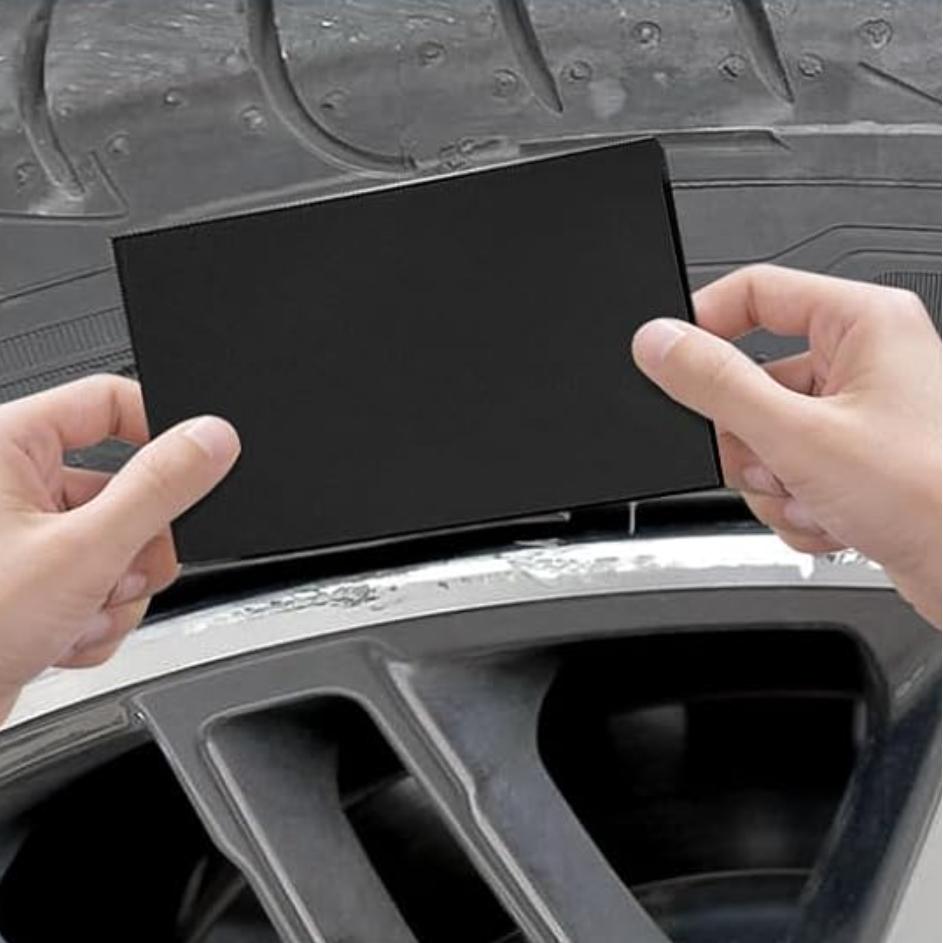
For certain types of tire punctures, tire patching is safe. The National Highway Traffic Safety Administration (NHTSA) recommends that the best approach is to use both a tire plug and a patch simultaneously. This method can repair a puncture in the tire, restoring its strength. Trained mechanics follow these guidelines to ensure safe repairs. Improper tire repair can lead to serious traffic accidents. Therefore, seeking professional help is crucial.
SUNSOUL tire repair patches are known for their excellent adhesion and ease of use. Many drivers report that these patches effectively prevent air leaks. People also appreciate their reliable performance and good results. SUNSOUL offers comprehensive after-sales support and rapid response service, giving drivers peace of mind.
| Aspect | Customer Feedback |
|---|---|
| Safety | Many drivers are happy with how safe SUNSOUL Tire Patch is. |
| Effectiveness | Customers think the patch works well for fixing tires. |
| Support and Warranty | SUNSOUL gives a strong guarantee and quick help to customers. |
When to Replace Instead
Some tire damage cannot be repaired with tire repair patches. Tire manufacturers and safety experts state that certain issues make tire repair too risky. Drivers should replace tires if any of the following conditions are found:
- Penetrations in the sidewall or shoulder
- Large cracks or fissures exceeding 1/4 inch in width
- Multiple closely spaced holes
- Internal damage caused by driving with a leak
- Exposed steel wires, cracked or bulging tread
- Cracks, splits, or severe tread wear
- Tires older than six years
For small punctures in the tread, tire repair is the best option. If the damage is severe or improperly located, replacing the tire is the safest choice. Drivers should always consult a professional before attempting to repair a tire themselves.
Deciding: Patch a Tire or Replace?
Damage Location and Severity
Car experts follow simple rules to decide what to do. They check where the hole is and how big it is. If the hole is less than 1/4 inch and in the tread, patching is safe. If the damage is on the sidewall or shoulder, you must replace the tire. Driving on a flat tire can cause hidden damage inside. Tires hurt by this should not be fixed.
Here is a table that shows when you can repair a tire:
| Criteria for Repair or Replacement | Details |
|---|---|
| Damage Size | Less than 1/4 inch is repairable |
| Damage Location | Tread damage is repairable; sidewall damage requires replacement |
| Structural Damage | Visible bubbling or cracks need replacement |
| Tread Depth | Below 2/32 inch requires replacement |
You can patch a tire if the hole is small, in the tread, and there are no bubbles or cracks. Sidewall damage can cause a blowout, so it cannot be fixed.
Tire Age and Condition
How old the tire is and how deep the tread is matter a lot. Tires older than six years should be replaced, even if they look good. Rubber gets weak as it ages, so old tires are not safe. If the tread is less than 2/32 of an inch, the tire is worn out and must be replaced.
| Criteria | Recommendation |
|---|---|
| Tire Age > 6 years | Replace, even if it looks good |
| Tread Depth < 2/32″ | Replace, as it is legally worn out |
People should check both the age and the tread before patching or replacing.
Expert Advice
Tire experts say only holes in the middle of the tread are safe to patch. If a hole is closer than half an inch to the edge, patching is not safe. Never patch the sidewall. For safe repairs, SUNSOUL Tire Patch is strong and easy to use. SUNSOUL gives a one-year warranty, free replacement for patches that crack or come loose, and 24-hour help. Problems are fixed within 72 hours, so drivers feel sure about their tire repair.
Tip: Always ask a professional if you are not sure. They can check the tire and help you pick the safest choice.
Deciding to patch or replace a tire depends on the damage, cost, and safety. Patching can save money and keep the tire working for a long time. Replacing is safest for big problems. Drivers should think about these key things:
- Good repairs make tires strong and keep people safe.
- Patching helps tires last longer and costs less.
- Replacement is best for sidewall damage or old tires.
| Tire Type | Average Lifespan |
|---|---|
| Patched Tire | Up to 7-10 years or remaining tread |
| New Replacement Tire | 40,000 to 80,000 miles |
SUNSOUL Tire Patch lets drivers fix small problems fast and feel sure about their tires.
FAQ
How long does a tire patch last?
A quality tire patch can last for the rest of the tire’s life if applied correctly. Drivers should check the repair often to make sure it stays safe.
Can you drive long distances on a patched tire?
Yes, drivers can travel long distances on a properly patched tire. The patch must cover only small tread punctures. Experts recommend checking tire pressure before trips.
What types of damage can SUNSOUL Tire Patch repair?
SUNSOUL Tire Patch works best for small punctures in the tread area. It does not repair sidewall or large cuts. Drivers should always inspect the tire before using a patch.
Is patching a tire better than plugging it?
| Method | Durability | Safety | Cost |
|---|---|---|---|
| Plug | Lower | Medium | Lower |
| Patch | Higher | High | Low |
A patch gives a stronger, longer-lasting repair than a plug.