

The U.S. Department of Transportation (DOT) has established clear regulations regarding whether steering tires on semi-trucks may be repaired. Although many people believe that simple tire repair tools are sufficient to restore the safety performance of a tire,safety experts hold a different view. Tire failure is a contributing factor in thousands of truck accidents every year.
- Approximately 8,000 truck accidents annually are linked to tire failure.
- Tire blowouts cause roughly 200 traffic accidents and result in over 200 fatalities each year.
- In the United States, at least 33,000 traffic accidents annually are attributed to tire-related issues.
Truck drivers and fleet managers must understand the associated risks and strictly adhere to safety standards.
Key Takeaways
- Only trained and certified technicians can patch a steer tire on a semi. This keeps everyone safe and follows DOT rules.
- Patching a steer tire is dangerous. Experts say it is better to replace damaged steer tires. This helps stop blowouts and accidents.
- DOT rules let you fix only certain parts of the tire. You cannot fix sidewall damage.
- Always check the tire tread depth before and after repairs. This helps keep safety standards high.
- Drivers need to know both federal and state rules about tire repairs. This helps them avoid legal problems.
DOT Rules for Steer Tires

Federal Regulations Overview
The U.S. Department of Transportation (DOT) maintains strict regulations regarding tires on large commercial trucks. These regulations are designed to ensure the safety of drivers and other road users. The DOT’s tire regulations prioritize safety and aim to ensure that tires are properly maintained. The regulations specify that tires may be repaired only in certain areas; for example, the sidewall is not eligible for repair. Repairs to the tread and shoulder areas are permitted only if specific conditions are met. Furthermore, only certified technicians are authorized to repair steering tires on semi-trucks. This ensures that repair work complies with DOT regulations and safeguards public safety.
Note: U.S. Department of Transportation tire regulations mandate that all tire repairs must adhere to established industry standards. This means that the appropriate tools and methods must be utilized for the repair of each individual tire.
Legal Status to Patch a Steer Tire
Federal law permits the repair of steering tires, but only under specific circumstances. The U.S. Department of Transportation stipulates that such repairs may be performed only by personnel who are properly trained and qualified to do so. Repairs must comply with industry standards. The table below outlines the key points of these regulations:
| Regulation Aspect | Details |
|---|---|
| Qualified Personnel | Only trained and qualified personnel should perform tire repairs. |
| Repair Procedures | Repairs must adhere to industry standards, with specific size limits for repairable areas. |
| Inspection Before Repair | Tires must be inspected to determine if they are repairable; extensive damage may require replacement. |
| Repair Materials | Only industry-standard materials like vulcanizing patches and plugs should be used. |
| Identification of Repairs | Repairs must be marked with permanent identification showing the date, nature, and technician’s name. |
| Retreading | Allowed if performed by a licensed manufacturer and meets established standards. |
| Record-Keeping | Repair shops must maintain records of all repairs, including technician details and tire identification. |
Some people believe that repairing the steering tires on a semi-trailer truck is always illegal. This assertion is incorrect. The U.S. Department of Transportation (DOT) permits such repairs under certain circumstances, though repairs to the tire sidewall are prohibited. All repair work must be performed by a certified technician. The tire must undergo inspection both before and after the repair is conducted. If the damage is excessive or located in a prohibited area, the tire must be replaced. The DOT’s tire regulations play a vital role in reducing traffic accidents and ensuring road safety.
State Variations
Most states adopt the same U.S. Department of Transportation (DOT) tire regulations for large commercial trucks. However, some states impose additional regulations or inspection requirements. Drivers and fleet managers should consult local laws prior to undertaking any tire repairs. Penalties for violating DOT tire regulations can vary from state to state. Non-compliance with these regulations may result in civil litigation, fines imposed by the Federal Motor Carrier Safety Administration (FMCSA), and increased insurance premiums. In some instances—particularly if a repair is misrepresented and subsequently leads to an accident—individuals may even face criminal charges. Furthermore, a company’s safety rating may suffer, thereby damaging its reputation.
Tip: Before repairing a steering tire, always consult the relevant federal and state regulations. This practice helps avoid potential complications and ensures the safety of everyone on the road.
Steer Tires Safety Concerns and Industry Practices
Risks of Steer Tire Repairs
Steer tires are critical to the safety of semi-trucks. If a driver attempts to repair a steer tire, the tire’s structural integrity may be compromised. Experts advise that repairing steer tires is not a prudent practice. Doing so can diminish the tire’s strength, making it more susceptible to blowouts. Should a steer tire blow out, the driver may lose control of the vehicle, posing a danger to everyone else on the road. The U.S. Department of Transportation (DOT) mandates that tire repairs must adhere to strict standards. These regulations help prevent accidents caused by improper repairs. DOT regulations also ensure that tread depth and tire pressure meet safety benchmarks. If a repair fails to comply with these regulations, the tire is at risk of blowing out. Drivers must inspect their tread depth and comply with tread depth regulations to ensure safe operation.
Why Tire Shops Avoid Patching Steer Tires
Most tire shops refuse to repair the steer tires on semi-trucks. They adhere to DOT regulations and industry standards to ensure the safety of their personnel and customers. The table below outlines the reasons why tire shops avoid performing such repairs:
| Reason | Description |
|---|---|
| Damage to sidewall | Tires with sidewall damage cannot be repaired safely. |
| Puncture location | Punctures near the sidewall fall into a no-repair zone. |
| Overall tire condition | Tires with bubbles, tears, or heavy wear are unsafe to repair. |
| Run-flat tires | Shops avoid repairing run-flat tires after a puncture. |
| Size of puncture | Large punctures require tire replacement, not repair. |
Tire shops are well aware of the potential risks associated with repairing steer tires. They prioritize compliance with DOT regulations and the safety of their customers.
Alternatives to Patch a Steer Tire
When a steer tire is damaged, drivers have several options available to them. Some repair methods are quick and convenient, while others offer a more permanent solution. The table below compares several common repair options:
| Repair Method | Description |
|---|---|
| Fast-Acting Tire Sealants | Fix punctures fast so you can drive to a service center. |
| Tire Sealant | Seals small holes from inside, best for emergencies. |
| Plug and Play Kit | Portable kit for quick repairs, uses a rubber plug to seal the hole. |
| Tire Patch Kit | Internal repair method, uses patches for a permanent fix after removing the tire. |
Tire patches are more expensive and time-consuming to install, but they offer a longer lifespan and a safer solution. Tire plugs are less expensive and quicker to install, but they do not last as long as patches. The U.S. Department of Transportation recommends replacing damaged steering tires, as this constitutes the safest option. Drivers should inspect tread depth and adhere to Department of Transportation regulations. Maintaining proper tread depth and tire pressure helps prevent accidents. Timely tire repair and replacement ensure optimal tire performance and safeguard the safety of everyone.
Steer Tires Manufacturer and Product Guidelines
OEM Recommendations
Tire manufacturers have established strict regulations regarding the repair of heavy-duty truck tires. Their objective is to ensure the safety of both drivers and the roadways. Most companies stipulate that repairs must adhere to the tire repair regulations set forth by the U.S. Department of Transportation (DOT), as well as relevant industry standards. Damage must be minor in nature and strictly confined to the tread area. The table below outlines some common repair guidelines for semi-trailer tires:
| Criteria | Description |
|---|---|
| Diameter of Damage | Less than 3/8ths of an inch |
| Location of Damage | Only on the crown area of the tread, at least 1½ inches from edge |
| Professional Repair | Certified professionals must complete the repair |
| Shoulder Puncture Repair | Up to 5/16th of an inch on the tire shoulder |
Manufacturers expressly prohibit individuals from attempting to repair tire sidewalls on their own. They also mandate that tread depth be inspected both before and after any repair procedure. If the tread depth is deemed insufficient, the tire must be replaced. These regulations serve to ensure compliance with DOT tire standards and to safeguard truck safety.
Note: Always check the tire tread depth before any repair. This step makes sure the tire meets dot safety standards.
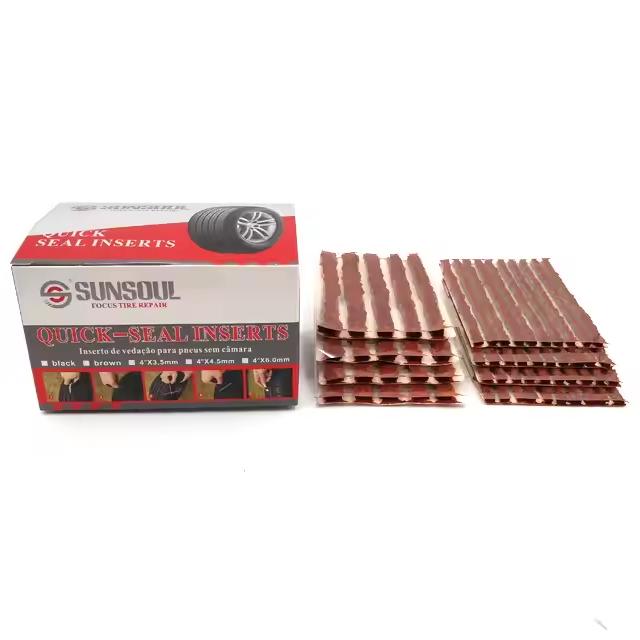
SUNSOUL Tire Patch Overview
SUNSOUL tire patches represent a trusted repair solution for a wide range of vehicles, including heavy-duty trucks. These patches are manufactured using a blend of natural rubber, specialized polymers, and vulcanizing gum. These materials combine to form a robust seal capable of effectively withstanding high temperatures and friction. SUNSOUL subjects every patch to pressure testing at levels reaching up to 300 PSI and utilizes ISO-certified manufacturing processes. The table below compares SUNSOUL products against those of competing brands:
| Feature | SUNSOUL Heavy Duty Tire Patch | Competing Products |
|---|---|---|
| Strength | Excellent | Varies |
| Resistance to Rust | High | Lower |
| Adhesion Quality | Strong vulcanizing gum | Varies |
| Durability in Tests | Confirmed | Not always tested |
SUNSOUL manufactures specialized tire repair patches specifically designed for heavy-duty trucks. These patches are best suited for tread repairs located within the permissible repair zone. SUNSOUL advises against repairing steering tires if the damage is situated near the sidewall or if the tread depth is insufficient. Fleet managers should consistently adhere to all tire regulations and repair guidelines established by the U.S. Department of Transportation (DOT). They should use only approved materials and verify the tread depth after every repair.
- Repairs must be performed by qualified technicians.
- Use only approved methods and materials.
- Never attempt a repair if the damage to the tire sidewall or shoulder is excessive.
- Always check the tire tread depth both before and after a repair.
Selecting the correct tire repair method is essential for ensuring the safety of the driver and others. SUNSOUL tire repair products help maintain tire integrity; however, when repairing steer tires on semi-trailers, it is critical to strictly adhere to DOT regulations and verify the tread depth.
Both the U.S. Department of Transportation (DOT) and tire manufacturers prioritize tire safety above all else in their regulations. They do not permit the repair of steer tires, as these tires are instrumental in controlling the truck and must maintain their structural integrity and shape. The safest course of action is to replace a damaged steer tire. This approach not only ensures compliance with safety regulations but also safeguards overall road safety. Fleet managers regularly inspect tires—including tread depth, inflation pressure, and structural integrity—to help drivers comply with traffic regulations and ensure safe vehicle operation.
FAQ
Can semi-trailer steer tires be repaired?
Only trained and certified technicians are authorized to repair steer tires. The U.S. Department of Transportation (DOT) mandates that repairs must strictly adhere to industry standards. This ensures that the tires can be used safely and legally on the road.
Can a patched tire continue to be driven?
A repaired steer tire may not be as durable as a new one. Safety experts recommend replacing damaged steer tires to minimize the risk of tire blowouts and accidents.
What types of damage to steer tires can be repaired?
Technicians can only repair small punctures in the tread area; they cannot repair damage to the sidewall or extensive damage to the tread. The DOT and tire manufacturers have established these restrictions to safeguard truck safety.
Do SUNSOUL tire patches comply with DOT standards?
SUNSOUL tire repair products are manufactured using high-quality materials and comply with industry standards. Technicians must consult relevant DOT regulations before using any repair product to patch a steer tire.
What should a driver do if a steer tire is damaged?
The driver should pull over to inspect the tire. If the damage is too extensive or located in a critical area, the tire must be replaced. This ensures the safety of everyone on the road.