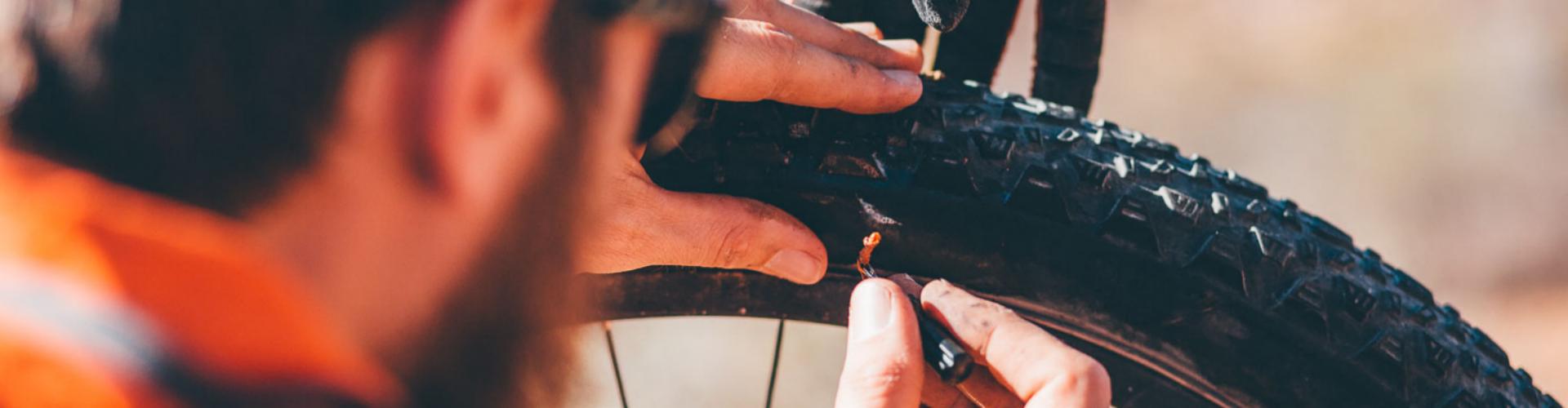

Vulcanizingtire patchcan fix a tire safely if the damage is in the tread and is not bigger than 1/4 inch. Drivers often have tire problems from too much or too little air, or from things on the road. These problems can make the tread wear out faster or cause the tire to burst. Road safety depends on checking where the damage is and how big it is. Only vulcanize a tire if the hole is in a safe spot and is not too big. SUNSOUL Vulcanizing Tire Patch gives a strong repair and helps keep the tire safe.
Key Takeaways
- Vulcanization is suitable for small tread punctures no more than 1/4 inch (approximately 0.6 cm) in diameter. Always check the size and location of the puncture before repairing.
- For best tire repair results, it is recommended to use both a tire patch and a tire plug. This will better seal the tire and extend its lifespan.
- Choose an experienced professional mechanic for vulcanization. Find an experienced and properly trained mechanic to ensure a safe and effective repair.
- Follow the tire manufacturer’s repair guidelines. Doing so helps prevent accidents and ensures the tire can be driven normally.
- If the puncture is located on the sidewall or the hole diameter is larger than 1/4 inch (approximately 0.6 cm), the tire should be replaced. Safety is always the top priority.
Tire Vulcanizing Process
What Is Vulcanizing?
Vulcanization is a process that alters the properties of rubber. During tire vulcanization, heat and chemicals work together to make the rubber stronger and more flexible. This process uses sulfur to bond the polymer chains of the rubber. Ultimately, this allows the tire to withstand greater pressure and extends its lifespan.
- Vulcanization creates cross-links between rubber molecules.
- These cross-links make the tire more elastic and resilient.
- This process helps tires resist heat and wear.
- It forms a uniform structure, thus reducing the risk of tire blowouts.
- Even in hot weather, tires maintain their shape and grip.
Tire vulcanization helps maintain the safety and reliability of tires. This process gives the rubber the strength needed for everyday driving.
How Vulcanized Tire Repairs Work
Vulcanized repairs use special patches, and sometimes plugs, to seal holes in the tire. This method uses heat and chemicals to bond the patch to the tire. This bond is strong and lasts longer than tires repaired with glue alone. Laboratory tests show that vulcanized repairs are more effective than repairs using patches or plugs alone. Vulcanized repairs resist stress and weather conditions, thus extending tire life.
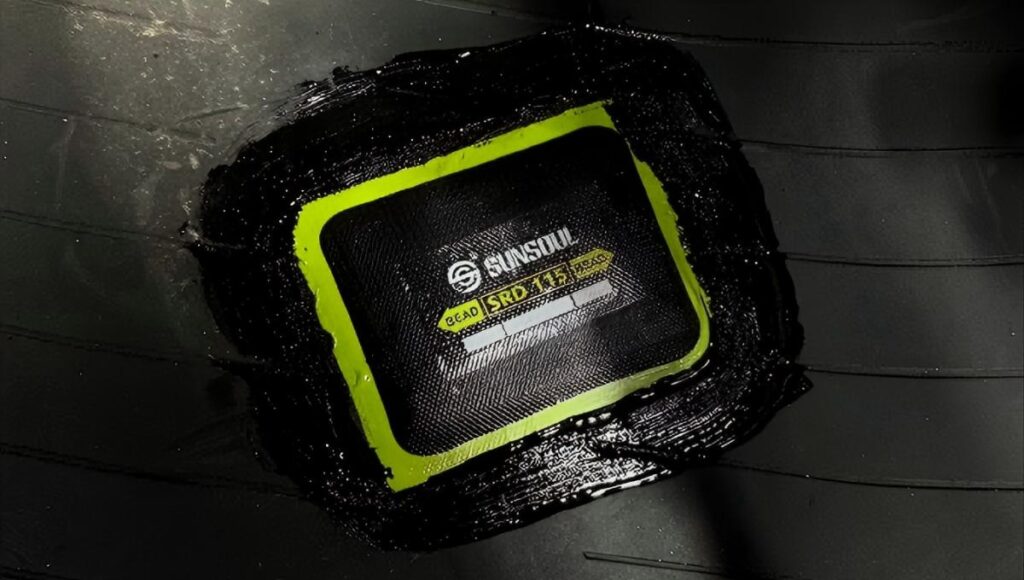
Industry experts recommend using a combination of patches and plugs for optimal results. This method seals the tire from both the inside and outside, preventing air and moisture from entering and thus avoiding further damage. SUNSOUL vulcanized tire patches use textile reinforcement materials for added strength. The patch can withstand pressure and movement without loosening. SUNSOUL also offers an 18-month warranty for peace of mind.
Vulcanized repairs are best suited for small holes in the tire tread. It helps extend tire life and ensures driving safety.
When to Vulcanize a Tire Safely
Safe Repair Locations and Sizes
Vulcanized repairs are most effective if the damage is located in the tire tread. The tread is the thick part that contacts the road surface. Experts recommend that localized repairs should be limited to the tread. The American Tire Manufacturers Association states that if the hole width is no more than 1/4 inch (approximately 6 mm), it is safe to repair. Larger punctures or damage outside the tread can make a tire unsafe.
- Tread repairs help maintain tire strength.
- The maximum safe puncture size is 1/4 inch (approximately 6 mm).
- Side or shoulder damage cannot be repaired locally.
- If the puncture is larger than 1/4 inch (approximately 6 mm), stop using the tire.
- SUNSOUL patches meet these guidelines and provide excellent results from local repairs.
Tip: Always look at where the damage is and how big it is before you start any section repairs. This step keeps the tire safe and helps you stay safe too.
Manufacturer and Industry Guidelines
Tire manufacturers have clear guidelines for local repairs. They state that repairs can only be done on the tread. The tread bears pressure and keeps the tire stable. Local repairs can only fix punctures no larger than 1/4 inch (approximately 6 mm) in diameter. If there is damage to the tire shoulder or sidewall, the tire needs to be replaced.
- Tread repairs can only be done on the tread.
- Tread repair can fix punctures no larger than 1/4 inch in diameter.
- Tread repair is not suitable for punctures in the shoulder or sidewall.
Tire vulcanization follows these rules to ensure driver safety. SUNSOUL vulcanized tire patches comply with these rules. These patches are suitable for tread repairs and punctures no larger than 1/4 inch in diameter. Drivers trust SUNSOUL because it provides strong repair results and long service life.
Note: Following the manufacturer’s guidelines helps prevent accidents and ensures good tire performance. Always use approved products and methods when performing tread repairs.
Vulcanized Tire Safety Risks and Limitations

Risks of Improper Vulcanizing
Improper tire repair can cause serious problems. Attempting to repair a tire with a hole in the sidewall using vulcanization is unlikely to work. During driving, the sidewall will shift violently, and the patch will not be securely held in place. Larger holes will also reduce tire strength, leading to decreased tire strength after repair, and may even cause unexpected tire failure.
Failure to follow safety rules can cause a tire blowout. A tire blowout is when a tire suddenly bursts while driving, causing the driver to lose control of the vehicle. Many traffic accidents are caused by people repairing tires that should not be repaired. The risk is even higher if the tire has a deep crack or cut. Repairing a crack in the wrong location can cause the tire to deteriorate rapidly.
Incorrect repair methods can damage the rim or even the entire vehicle. Drivers must inspect the location and extent of tire damage before performing vulcanization repairs. Following safety rules helps maintain tire strength and ensures the safety of everyone.
Alert: Never fix a tire with sidewall damage or a hole bigger than 1/4 inch. Replace the tire to stay safe.
Durability and Legal Concerns
Properly applied vulcanized tire repairs can last a long time. Many drivers use this method to repair small holes in the tire tread. However, failing to comply with regulations can lead to trouble. If the repair fails, the tire will quickly deflate, endangering the driver and others.
Many countries have strict laws governing tire repairs. These laws help protect driver safety. The table below lists some common legal regulations for vulcanized tire repairs:
| Section | Description |
|---|---|
| (a) | No tire can be retreaded unless it meets standards. |
| (b) | Explains words about tire retreading. |
| (d) | Tires must be checked before retreading. |
| (e) | Rules for buffing and cementing tires. |
Tire manufacturers also have warranty policies. Some brands, such as NTS Tire Supply, offer a 2-year warranty for vulcanized repairs. They will be responsible for repairs or a refund if the repair fails. Their repairs are almost always successful. However, some companies will not honor the warranty if you do not comply with their regulations.
Drivers should always inquire about the warranty terms before repairing tires. They should also check that the repair complies with legal regulations. Safe repairs help extend tire life and ensure driver safety.
Tip: Always go to a trusted technician for vulcanizing. Ask about the warranty and make sure the repair follows the law.
Ensuring Safe Vulcanized Tire Repairs
Choosing Qualified Technicians
Choosing the right mechanic can ensure the safety of your tires. Skilled mechanics know how to vulcanize tires and follow relevant regulations. Experts recommend choosing a mechanic with 1 to 3 years of experience. Excellent mechanics are detail-oriented and good at working with others. They need to be in good health and hold a driver’s license. Some repair shops require mechanics to have a certain language level, such as French CLB/NCLC Level 5 or English CLB Level 5.
Good repair shops regularly train their staff. This training teaches new methods for repairing tires using vulcanization technology. Safe tire repairs require high-quality products and skilled mechanics. Drivers should ask about the repair shop’s experience and check their certifications before any repairs are done.
Tip: Always pick a technician who knows the vulcanizing process and uses approved materials.
Inspection and Post-Repair Checks
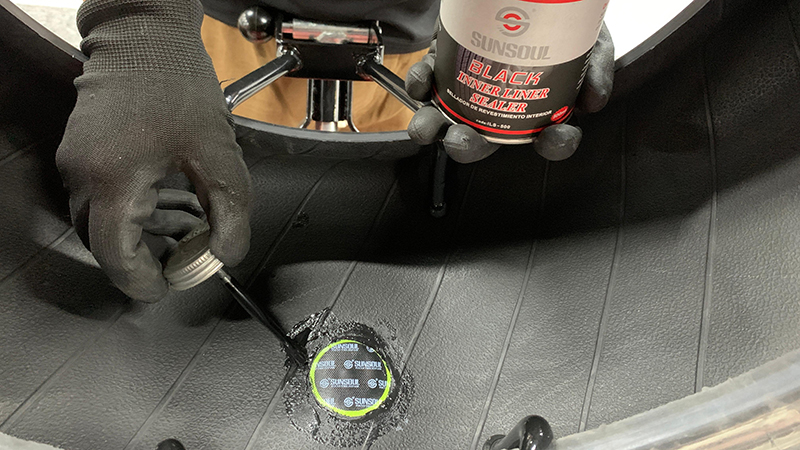
After vulcanization, technicians will carefully inspect the tire to ensure its safety. They will check the inside of the tire for hidden damage. They will prepare the damaged area, select the appropriate patch and valve stem, and carefully apply the adhesive. Each step undergoes quality checks to ensure a safe repair.
After the repair is complete, the technician will check for leaks and test the tire’s balance. The tire surface should be smooth and flat, with no bulges or gaps near the patch. Drivers should inquire about the warranty terms of the repair. SUNSOUL offers an 18-month warranty and rigorous quality control, giving drivers confidence in their repairs.
Note: Regular checks after a repair help find problems early and keep the tire safe on the road.
Alternatives to Tire Vulcanizing
Plug and Patch Options
Many car owners, besides vulcanizing, look for other ways to repair tires. Plugs and patches are common choices. A plug involves inserting a rubber patch from the outside of the tire into the puncture. This method is quick and convenient, without removing the tire from the rim. It’s simple to perform and relatively inexpensive. However, plugs are not permanent repairs. They can suddenly fail, especially if the puncture is large or close to the sidewall.
A patch creates a strong seal from the inside of the tire. A mechanic removes the tire, cleans the puncture area, and then applies the patch using vulcanizing adhesive. This method makes the repair last longer. Patches are suitable for small punctures on the tread but not for sidewall punctures.
Tire patches provide a durable, airtight seal. Plugs offer a quick fix but may not last as long.
The table below compares plug and patch repairs:
| Repair Method | Advantages | Limitations |
|---|---|---|
| Tire Plugs | Quick, easy, low cost | Temporary, not for sidewall, may leak |
| Tire Patches | Durable, long-lasting | Needs removal, not for sidewall |
A combination of patch and plug gives extra protection. The plug seals the hole, and the patch reinforces the tire from inside.
When to Replace the Tire
Sometimes, vulcanized tires or using plugs and patches are not safe. Safety experts recommend that drivers replace tires in the following situations:
- The puncture is located on the sidewall or shoulder.
- The puncture diameter is greater than 1/4 inch (approximately 0.6 mm).
- The tread depth is less than 2/32 inch (approximately 1.6 mm).
- There is damage inside the tire, such as air bubbles or scratches.
- Multiple punctures are too close together.
Sidewall damage requires replacement with a new tire. Larger punctures cannot be safely repaired. Tires with tread wear or overlapping repair marks should not be used.
Replacing tires protects drivers and other road users, while also benefiting the environment. Tire retreading and repair saves oil and materials and reduces landfill waste.
Always check the location and size of the damage. When in doubt, choose replacement for safety.
Tire vulcanization allows drivers to repair small holes in the tread, ensuring safe driving. Repairs are only acceptable when the hole is less than 1/4 inch (approximately 6 mm). Never repair holes in the sidewall. Manufacturer guidelines help drivers make safe choices. The following table outlines the steps for safely repairing tires:
| Key Guidelines for Tire Repair | Explanation |
|---|---|
| Proper Installation | Repairs must be done by trained workers for safety. |
| Thorough Inspection | Tires need to be taken off to check for hidden damage inside. |
| Repair Method | Good repairs remove damaged parts and seal the inside. |
| Limitations | Repairs are only allowed for certain hole spots and sizes. |
| Manufacturer Recommendations | Following maker rules keeps tires safe and working well. |
SUNSOUL Vulcanizing Tire Patch is strong and easy to use. Many people say these patches last more than two years without leaks. SUNSOUL products help drivers feel safe and trust their tire repairs. Always listen to experts and pick good products to stay safe every day.
FAQ
Can all tire damage be vulcanized?
No, vulcanization is only suitable for small punctures on the tire tread. If the puncture is large or located on the sidewall, it is unsafe. Always check the location and size of the puncture before repairing.
How long can a vulcanized tire last?
A good vulcanized repair can last as long as the tire itself. As long as the correct procedure is followed, the patch will adhere firmly, ensuring tire safety.
Can a vulcanized tire be driven at high speeds?
Yes, it is safe to drive if the repair is done correctly and the tire has no other problems. Always check the tire after repair. Do not drive at high speeds if you are unsure if the tire is safe.
Can I vulcanize tires at home?
Most people should have vulcanized repairs performed by a trained professional. This process requires specialized tools and skills. Professionals can ensure the repair is safe.
What should I do if my tire has multiple punctures?
If a tire has many closely spaced small punctures, it is best to replace it with a new tire. Too many repairs can reduce tire strength. Always have a professional mechanic check your tires before deciding to replace them.