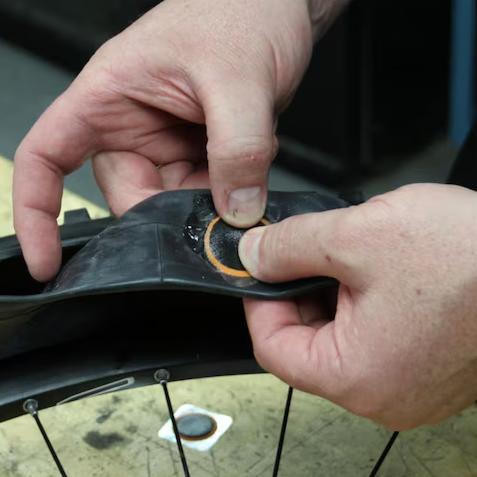

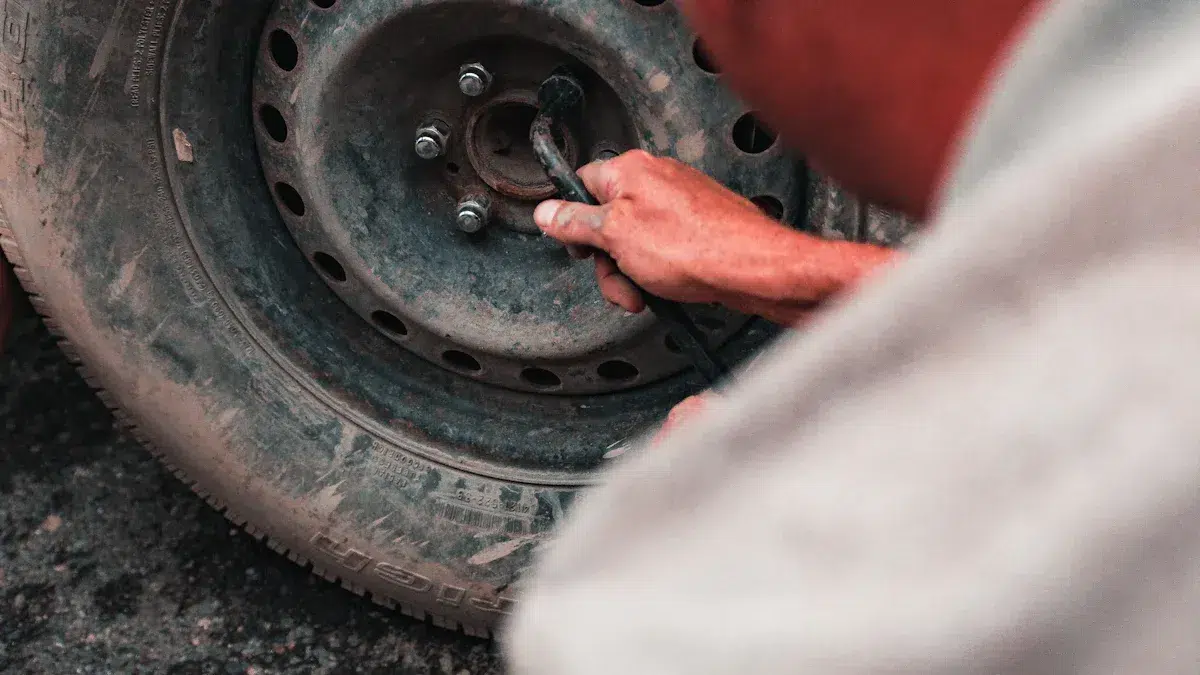
A tire patch or a tire plug and patch kit provides a reliable solution for fixing a flat tire. Tire experts prefer these methods because they offer tire patch repair benefits by completely sealing the puncture, preventing air and water from entering. While plugs are convenient for temporary fixes, they are not intended for long-term use. Utilizing a tire patch or a tire plug and patch kit ensures a more durable repair. The tire patch repair benefits include enhanced safety and extended tire life, keeping your tires strong and dependable for longer.
Key Takeaways
Tire patches make a strong fix by sealing the hole inside. They last a long time and work well for most tire damage. Plugs are quick and easy to use for small holes. But plugs are only a short-term fix and not for long use. Using both a patch and a plug is the safest way. This method seals the hole well and keeps the tire strong. Always ask a tire expert for help with repairs. This is very important for big holes or damage near the side. It helps keep you safe when driving. Keep a tire repair kit in your car for emergencies. But remember, you need a pro to fix tires for long-term safety.
Tire Patch vs Plug: Quick Comparison
Pros and Cons Overview
Picking a tire patch or a plug depends on what the tire needs. Each way has good and bad points. Knowing these helps drivers stay safe.
Tire patches are strong and last a long time. They make a tight seal that works better than most plugs. Many tire makers say to use patches for big holes or ones near the side.
Plugs are fast and simple to use. They are good for small holes in the tread. You do not need to take the tire off the rim. But plugs do not last as long as patches and are best for short-term use.
A patch that is put on right can last for years. This is great for new tires that need to last. Plugs work better for tires that will be changed soon.
The table below shows how long each fix lasts and their main good and bad points:
Type | Advantages | Disadvantages | Lifespan Description |
|---|---|---|---|
Tire Patches | – More permanent and reliable repair. | – Requires removing the tire and more expertise. | Can last for years if installed correctly. |
Tire Plugs | – Quick and easy to install. | – Not as durable, best for temporary use. | May hold air for weeks or months, not for full tire life. |
Plug-Patch Combo | – Best for long-lasting repair. | – Needs professional installation. | Can last as long as the tire tread. |
Note: Only fix tires if the hole is in the tread and smaller than 1/4 inch. Always take the tire off the rim to check it before fixing.
Professional Recommendations
Tire experts and big companies say safety is most important. They do not suggest using plugs alone. Plugs do not seal the inside of the tire all the way. The US Tire Manufacturers Association and the Tire Industry Association have rules for fixing tires.
Tire patches are best for most repairs that need to last.
Plugs are only for short-term use until a pro can check the tire.
Both plugs and patches should only be used for small holes in the tread.
“The tire repair plug and patch combo has been recognized by the USTMA and the TIA as the safest and correct way to repair a tire.”
Experts say the combo repair is best. It fixes both the hole in the tread and the inside liner. This way keeps air in and stops more damage. For the safest fix, always ask a tire pro before you decide what to do.
Tire Plug Repairs
How Plugs Work
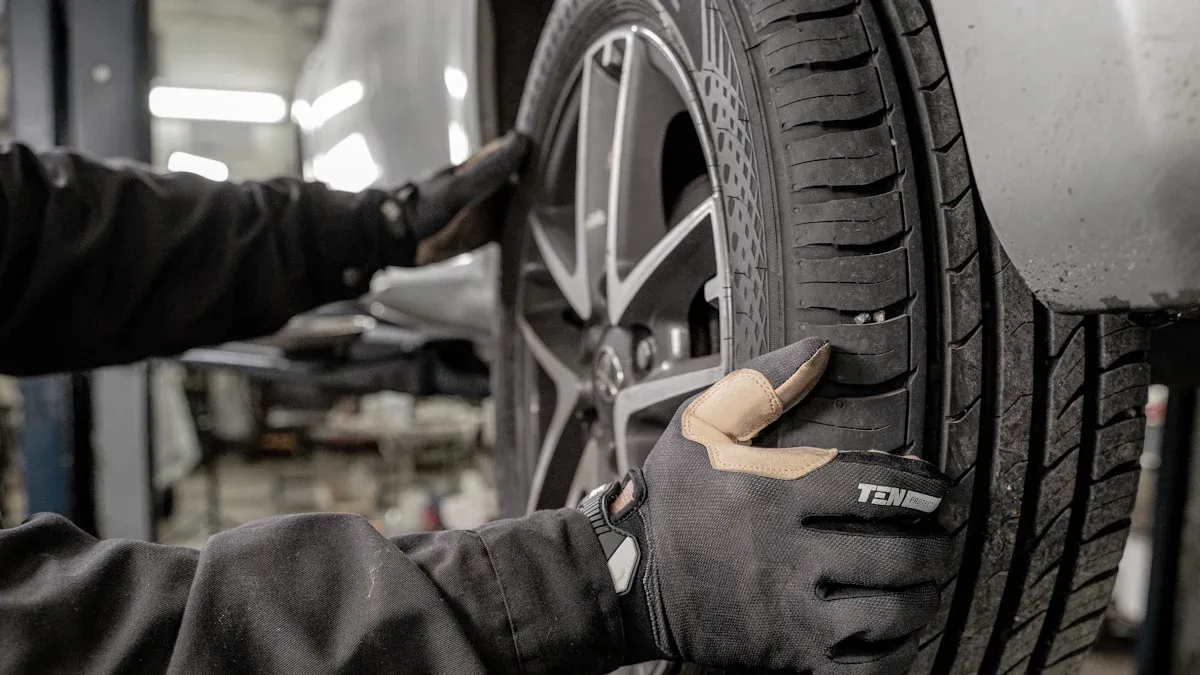
A tire plug offers a quick way to handle a flat tire. The process uses simple tools and materials found in most tire repair kits. Here is how a typical tire plug installation works:
Gather the needed tools, such as pliers, a T-handle reamer, a plug, and an insertion tool.
Use pliers to grip and pull out the object causing the puncture.
Insert the T-handle reamer into the hole to clean and widen it.
Place the sticky, rubber-like plug into the insertion tool.
Push the plug into the hole, leaving a small part sticking out.
Trim any extra plug material with a sharp knife or scissors.
Apply rubber cement around the plug if available.
Inflate the tire to the recommended pressure.
Check for leaks by applying soapy water to the repaired area.
This method allows drivers to fix a flat tire quickly and get back on the road.
When to Use a Plug
Automotive experts recommend using a tire plug in certain situations. Plugs work best for small punctures, less than ¼ inch wide, located on the tread. They provide a fast, DIY-friendly tire repair option. Many people use plugs as a temporary fix before seeking a professional repair. Plugs do not require removing the tire from the rim, which saves time. However, experts do not suggest using plugs for holes near the sidewall or for larger damage.
Tip: Always have a tire repair kit in the car for emergencies. It helps drivers handle small punctures until they can visit a professional.
Limitations of Plugs
Tire plugs have several important limitations. They rarely provide a complete repair, which can let air and moisture seep into the tire. This may cause rust and weaken the tire over time. Plugs are only a temporary solution and may lead to blowouts or loss of tire pressure. These problems can affect how the vehicle handles and put safety at risk. Drivers should always follow up with a professional tire repair after using a plug.
Tire Patch Repairs
How Tire Patches Work
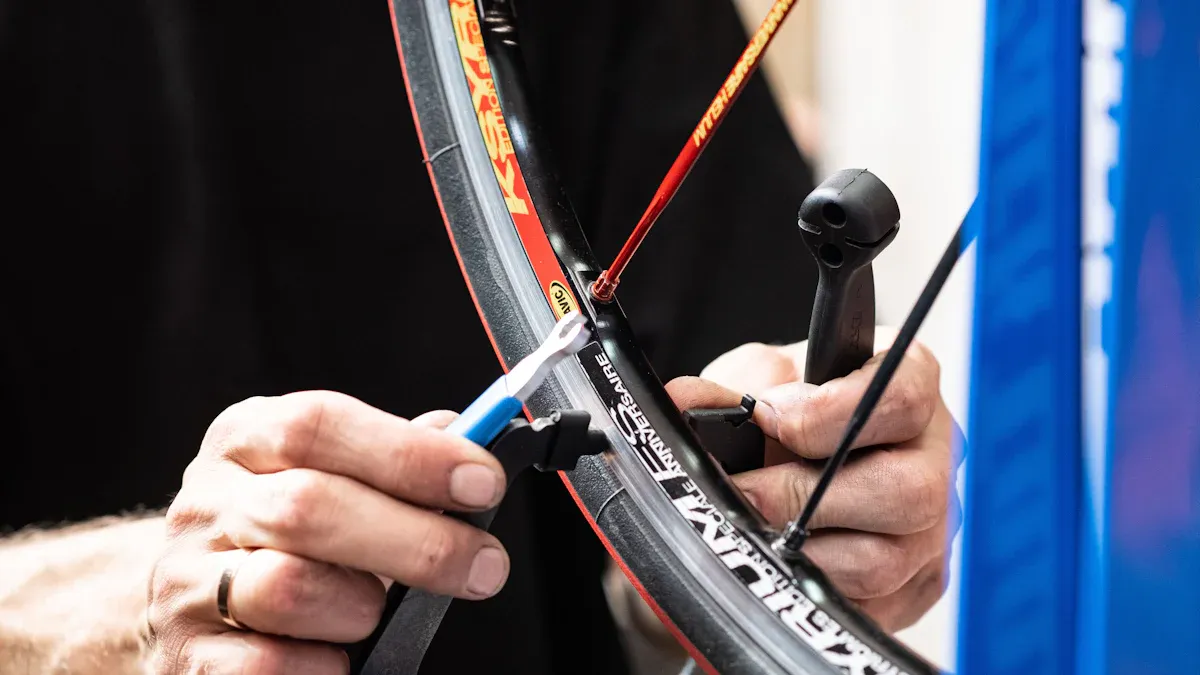
A tire patch is a strong way to fix a hole from inside the tire. First, the technician takes the tire off the rim. This helps them look for hidden damage and clean the area around the hole. Next, they put a rubber patch on the inside of the tire. The patch sticks to the tire and seals the hole. This stops air and water from getting in. The repair is safe and lasts a long time.
The table below shows how tire patches compare to plugs and combo repairs:
Method | Description | Tire Removal Required? | Safety Level |
|---|---|---|---|
Tire Patch | Seals the puncture with a rubberized material applied on the inside. | Yes | High (especially with combo) |
Tire Plug | Inserts flexible material with adhesive from the outside to fill the hole. | No | Moderate |
Combo (Patch + Plug) | Combines both methods for maximum security and structural integrity. | Yes | Highest |
Note: Taking the tire off lets you check for more problems and makes the repair safer.
Benefits of Tire Patch
Tire patches have many good points over plugs. They seal the hole from inside, so the fix is stronger and less likely to fail. The patch sticks well to the tire, which helps stop blowouts and keeps the tire safe for driving. Taking the tire off also lets the technician look for hidden problems like sidewall splits.
Here are the main benefits of using a tire patch:
Benefit | Description |
|---|---|
Durability | Tire patches seal the puncture from the inside, making them less likely to loosen over time. |
Secure and Permanent Fix | Patches adhere to the inner surface, reducing the chances of a blowout and allowing normal driving. |
Inspection for Hidden Damage | Patching requires tire removal, enabling technicians to check for hidden issues like sidewall splits. |
Tip: A tire patch is the best way to make sure your tire repair lasts and stays safe.
Sunsoul Tire Patch Features
Sunsoul tire patches are special because they use advanced materials and work very well. Each patch is made with strong rubber and special chemicals. These help the patch handle heat and rubbing, so it stays flexible from -40°F to 250°F. The glue is very strong and keeps the patch stuck, even when the tire is under heavy weight or moving fast.
The table below shows the main features of Sunsoul tire patches:
Feature | Description |
|---|---|
Advanced Material Technology | High-quality rubber compounds with specialized polymers for heat and friction resistance. |
Temperature Range | Maintains flexibility in extreme temperatures from -40°F to 250°F. |
Adhesion Properties | Bonding strength exceeds industry standards, preventing separation under heavy loads. |
Pressure Resistance | Tested up to 300 PSI. |
Water Immersion Testing | Conducted for 72 hours. |
Peel Strength Measurements | Comprehensive testing for durability. |
Environmental Compliance | Meets international standards including RoHS and REACH, free from hazardous chemicals. |
Sunsoul tire patches also follow strict rules for the environment. They do not have dangerous chemicals or heavy metals and meet RoHS and REACH rules. The glue is waterproof and works in any weather. Sunsoul uses good natural rubber, butyl rubber to keep air in, and polyester fabric for extra strength. These things make Sunsoul patches a top pick for mechanics and people who fix tires at home.
Trusted by technicians in over 60 countries
ISO 9001:2015 certified administration system
Verified by TUV and SOC
Meets CE, ROHS, REACH, and DOT standards
Professional mechanics say Sunsoul tire patches work well 98% of the time. People find them reliable for strong and long-lasting repairs. Whether you need a quick fix or a permanent repair, Sunsoul patches give safety and last a long time.
Combination Repairs
What Is a Combination Repair?
A combination repair fixes a tire by using both a plug and a patch. First, the technician finds the hole and takes out anything stuck in it. Then, they clean the inside of the tire. The surface is made ready for the patch. The plug goes into the hole from the inside. The patch covers the inside part of the tire. This way of fixing tires follows rules from the U.S. Tire Manufacturer Association and the National Highway Traffic Safety Administration.
A combination repair uses a plug and a patch together.
The plug fills the hole from inside the tire.
The patch covers and seals the inside liner.
Technicians clean and get the area ready before patching.
This method follows USTMA and NHTSA safety rules.
Note: The NHTSA says only combination repairs are safe for fixing a punctured tire. Doing all the steps right helps stop problems later.
Why Combination Repairs Are Best
Tire experts say combination repairs are the best way to make a tire strong again after a hole. This fix uses both a plug and a patch. They work together to close the hole and make the tire strong inside. The Rubber Manufacturers Association also says this is the safest way to fix tires.
Combination repairs have many good points:
Benefit | Description |
|---|---|
Maximum Safety | Plug and patch together stop leaks and blowouts. |
Restored Integrity | The repair helps the tire stay strong and keep its shape. |
Long-Lasting Solution | This fix lasts as long as the tire tread, so it is permanent. |
Drivers can trust combination repairs to keep their tires safe. This way stops air from leaking and keeps the tire from getting hurt again. Many pros pick this repair because it meets tough safety rules and helps drivers feel safe.
When Not to Patch or Plug
Unsafe Damage Locations
Some parts of a tire are not safe to fix. Tire safety rules say only the tread can be repaired. Damage in other places can be dangerous. Technicians check these spots before fixing a flat tire.
You cannot repair sidewall damage like cuts or holes.
The shoulder is also not safe for a patch or plug.
The hole must be at least half an inch from the tread edge to fix it.
If the sidewall or shoulder is hurt, you need a new tire.
The tread touches the road and takes most of the weight. If the damage is not in the tread, a patch or plug will not work. Drivers should never try to fix sidewall or shoulder damage. This can make the tire fail while driving.
Tip: Always look at where the hole is before fixing. If it is near the edge or on the sidewall, getting a new tire is safest.
When to Replace the Tire
Sometimes, you cannot fix a tire. Tire makers say to get a new tire in some cases. Big holes over a quarter inch are not safe to repair. Bad damage like tread coming apart or big cuts means you need a new tire. If the sidewall has bubbles, the tire cannot be fixed.
Damage to the shoulder or sidewall
Holes bigger than a quarter inch
Tread coming apart or large cuts
Bubbles on the sidewall
Damage from crashes, like deep cuts or tread coming apart
Tires older than ten years should be replaced, even if they look good. Old tires can break without warning. A new tire is safer and works better.
Drivers should always get a new tire if they see these problems. Trying to fix a badly damaged tire can be very risky.
Alternatives to Patch and Plug
Sometimes drivers need a fast way to fix a tire hole. Two main choices are tire sealants and other quick fixes. These ways help people drive again quickly, but they do not last forever.
Tire Sealants
Tire sealants come in bottles or cans. People put the sealant into the tire through the valve stem. The liquid moves around inside and covers the hole. This keeps air from leaking out. Tire sealants work for small holes and help in emergencies. Many drivers use sealants if they cannot get to a repair shop right away.
Note: Tire sealants can make later repairs harder. The sticky liquid can stick to the wheel and sensors inside. This might affect the tire pressure system and make cleaning the wheel harder for mechanics.
Here is a table that shows the good and bad sides of tire sealants and other quick repair ways:
Method | Advantages | Disadvantages |
|---|---|---|
Plugging a Tire | Costs less, fast and simple to do. | Only a short-term fix, may cause more damage later. |
Tire Sealants | Can use on the road, cheap, fast to apply. | Might hurt monitoring systems, makes future repairs harder. |
Plugging on Wheel | Fast and cheap, works if no inside damage. | Cannot check inside, could be risky if there is hidden damage. |
Temporary Fixes
Temporary fixes help drivers get to safety or a repair shop. These fixes do not last long and should not replace a real patch or plug. Some common quick fixes are:
Plugging a tire with a repair kit. This is fast and easy, but it only works for a little while.
Using tire sealants to stop air leaks. Sealants help in emergencies but can cause problems later.
Plugging a tire while it is still on the wheel. This saves time, but the mechanic cannot check for hidden damage inside.
Drivers should know these fixes do not solve the problem forever. Mechanics say to use them only when needed and get a real repair soon.
Tip: Always look for more damage after using a quick fix. A safe tire keeps everyone safe on the road.
Cost, Durability, and DIY vs Professional
Cost Comparison
People want to know how much it costs to fix a tire. The price changes based on how you fix it and who does the work. A DIY kit is cheaper than going to a shop. Some shops fix small holes for free, but others charge for things like balancing or checking the tire.
Service Type | Estimated Cost | Notes |
|---|---|---|
DIY Tire Repair Kit | $5 – $20 | Good for emergencies, less reliable long-term |
Basic Plug Repair | $10 – $20 | Quick but weaker than patches |
Internal Patch + Balance | $15 – $30 | Best long-term repair option |
Full-Service Tire Shop | $50 – $60 | Includes labor, balancing, and inspection |
Free Repair (select shops) | $0 | Offered at Discount Tire, Costco, etc. |
Fixing a small hole at a shop costs about $20-$50. A DIY kit for the same job costs $5-$20. Shops charge more because they do more work and check for safety.
Durability and Safety
How long a repair lasts and how safe it is are very important. Plugs only work for a short time and might not be safe at high speeds. Patches last longer and keep the tire safe if put on right. Combination repairs are best because they seal the hole and protect the inside of the tire.
Repair Method | Durability | Safety Outcomes |
|---|---|---|
Plugs | Temporary | Risk of leaks, especially if not applied correctly |
Patches | More reliable | Generally safer if applied properly |
Combination | Efficient solution | Best safety outcomes when both methods are used |
A patch or combination repair helps the tire stay strong and safe. Plugs might not stop leaks if the hole is big or near the edge.
DIY or Professional Repair?
Many people try to fix their tires at home. DIY repairs cost less and can fix small holes. These fixes might not last long or be safe for fast driving. Professionals use special tools and look for hidden problems. They follow rules to make sure the tire is safe.
Aspect | DIY Repairs | Professional Repairs |
|---|---|---|
Safety | May not be safe for extensive damage; temporary | Ensures high safety standards and thorough checks |
Effectiveness | Suitable for minor punctures; may not last long | Durable repairs with warranties |
Tools and Training | Limited tools; requires personal skill | Professional tools and trained technicians |
Damage Assessment | Limited assessment capability | Comprehensive damage assessment |
Long-term Reliability | Often temporary; may require re-evaluation | Reliable and long-lasting repairs |
Tip: Professional repairs keep your tire safe for all driving. DIY repairs are good for emergencies but might not last.
Shops check for hidden problems and use strong patches. This keeps the tire safe and helps it last longer.
Tire patches from good brands like Sunsoul or using a combination repair are the safest ways to fix most holes. Experts say you should always check how big the hole is and where it is before picking how to fix it. The table below shows the main things to think about:
Factor | Description |
|---|---|
Puncture Size | You can fix it if it is ¼ inch or smaller and in the tread area. |
Location | Only holes in the tread zone are safe to repair. |
Repair Method | Using both a patch and a plug keeps the tire safe for a long time. |
Tire safety groups say to check your tires often, keep the right air pressure, and follow what the pros say for repairs to get the best results.