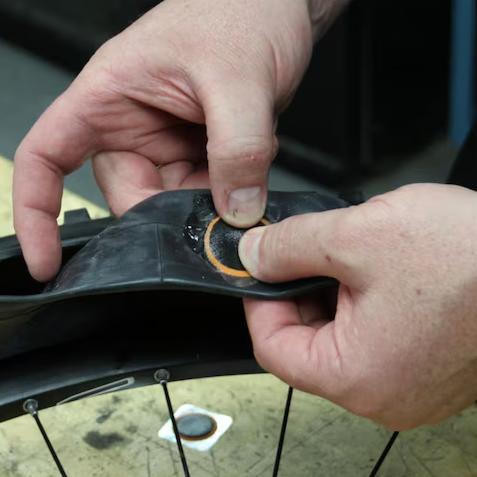


Industry experts say a tire patch is safer than a plug. A patch is more reliable for fixing tires. Studies show a patch covers the damaged spot fully. This makes a strong seal. It also lasts longer than a plug.
A tire fixed with just a plug has failed before. This has caused accidents in real life. Sunsoul is a top company in tire patch technology. They sell tire patch plug kits, truck tire patches, and tire patches wholesale. These are for professionals who care about safety.
Key Takeaways
A tire patch is safer than a plug. It covers the whole damaged area inside the tire. This stops air and water from getting in.
Experts say to use both a patch and a plug. This way, the tire gets a strong seal. It also makes the tire last longer.
Check your tires often for any damage. Keep the tire pressure at the right level. This helps you stay safe and keeps your tires working well.
Do not use just a plug to fix tires. A plug is only a quick fix. It can cause air leaks or even blowouts.
Pick good products like Sunsoul Tire Patches. They help your tire repairs last longer and work better.
Tire Patch vs. Plug Safety Comparison
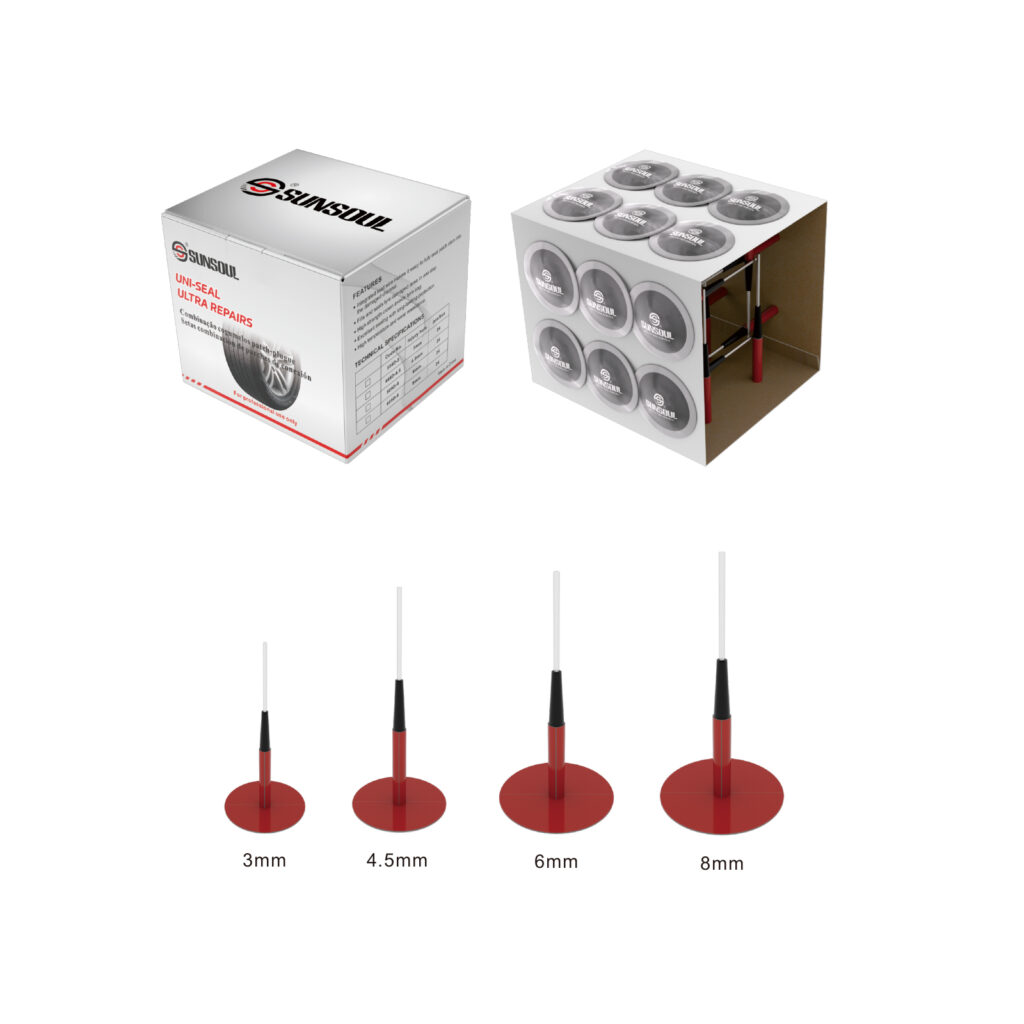
Which Tire Repair Method Is Safer
Many experts agree that a tire patch offers better protection than a tire plug. A patch covers the inside of the tire and seals the damaged area. This method works well for most punctures, especially those in the tread. A tire plug fills the hole from the outside. It does not always seal the injury channel completely. This can let air and moisture enter the tire. When this happens, the tire can fail over time.
The National Highway Traffic Safety Administration (NHTSA) and the Tire Industry Association (TIA) both say that the safest way to fix a flat tire is with a combination of a repair stem and a patch. They warn that a plug alone is only a temporary fix. A patch by itself also does not fill the hole fully. Both groups recommend using a patch-plug repair for the best results.
Durability and Longevity of Each Method
A tire patch lasts longer than a plug. The patch bonds to the inside of the tire and stays flexible in different temperatures. This helps the patched tire handle heat, cold, and road stress. A tire plug can dry out or shrink over time. This may cause leaks or let water into the tire. If water gets inside, the steel belts can rust. This weakens the tire and shortens its life.
A combination patch-plug repair gives the most durable fix. The patch seals the inside, while the plug fills the injury channel. This method prevents air and moisture from entering. It also keeps the tire strong under heavy loads and high speeds.
Common Risks and Failure Points
Improper repair methods can cause serious problems. Here are some common risks:
Tread-belt separation or detachment can happen if the repair does not seal the tire well.
Using flammable cements near heat or sparks can cause explosive tire failure.
Hidden damage from driving on an under-inflated or overloaded tire can lead to sudden ruptures, called “zipper” ruptures. These can cause the tire to lose air quickly.
A tire plug used alone may not stop leaks. It can also let moisture inside, which can damage the tire from within. A patch alone may not fill the hole, so air and water can still get in. These risks show why experts recommend a patch-plug repair for the highest safety.
The NHTSA reports that improper tire repairs cause over 23,000 crashes each year. This shows how important it is to use the right method. A combination patch-plug repair is the only method that meets top safety standards. It protects the tire and helps prevent accidents.
How Tire Patch Repairs Work
The Tire Patch Application Process
A mechanic first takes the tire off the wheel. They look inside the tire for any damage. If the tire can be fixed, they clean the area near the hole. The surface must be smooth for the patch to stick. Then, they put on a special glue. The patch goes over the damaged spot inside the tire. The mechanic presses the patch down hard so it sticks well. After that, they check if there are any leaks. The tire is put back on the wheel. This shows how a tire patch works. The patch closes the hole and stops air from leaking out.
Why Tire Patches Offer Superior Safety
A patch covers the whole damaged area inside the tire. It keeps air and water out. This stops the steel belts from rusting. The patch stays soft in hot or cold weather. It does not break or get smaller. The patch can handle heavy weight and high pressure. Mechanics use patches because they last longer than plugs. A tire patch helps drivers feel safe when driving.
Sunsoul Tire Patch Features and Benefits
Sunsoul uses new materials in every tire patch. Their patches have strong rubber and special polymers. These materials fight heat and friction. Each patch sticks better than most others. This keeps the patch from falling off, even with heavy loads. Sunsoul checks every patch for strength, water, and peeling. The table below lists important features:
Feature | Description |
|---|---|
Advanced Material Technology | Strong rubber and special polymers help patches resist heat and friction. |
Leading Adhesion Properties | Patches stick better than most, so they do not fall off under heavy loads. |
Comprehensive Product Testing | Sunsoul tests patches for strength, water, peeling, and durability. |
Sunsoul also cares about the environment. Their tire patches use safe materials. The company follows strict rules for making patches. Sunsoul saves energy and helps the planet. Their labs keep making patches better and safer. The table below shows Sunsoul’s goals:
Aspect | Description |
|---|---|
Quality & Compliance | Sunsoul follows strict rules to make safe and strong patches. |
Sustainability Focus | Sunsoul uses safe materials and saves energy to help the planet. |
Innovation-Driven R&D | Sunsoul keeps improving patches in their labs to meet safety and environmental rules. |
Sunsoul tire patches work for shops and dealers. They fix all kinds of tires. Mechanics pick Sunsoul for strong and lasting repairs.
Tire Plug Repairs and Their Limitations

How Tire Plugs Are Installed
A tire plug repair is a quick way to fix a flat tire. The process starts when a mechanic finds the hole in the tire. They remove the object that caused the puncture. Next, they use a special tool to clean and widen the hole. This step helps the plug fit tightly. The mechanic then pushes the plug into the hole from the outside. The plug fills the gap and blocks air from escaping. After installing the plug, the mechanic trims any extra material sticking out. The tire goes back on the car, and the mechanic checks for leaks.
Many people ask, “how does a tire plug work?” The plug acts like a stopper. It fills the hole and tries to keep air inside the tire. This method works best for small holes in the tread area. It does not fix damage near the sidewall or large cuts. A tire plug can help drivers get back on the road quickly after a flat tire.
Risks of Relying on Tire Plugs
Relying only on a plug for tire repair brings several risks. Experts have found that plugs may not always seal the hole completely. This can lead to problems such as:
Loss of air pressure: If the plug does not seal well, air can leak out. The tire may become underinflated, which lowers fuel efficiency and wears out the tire faster.
Tire blowout: A plug that fails to close the puncture can cause a sudden loss of air. This may lead to a dangerous blowout, especially at high speeds.
Reduced handling and control: A damaged or poorly repaired tire can make steering harder. The car may not respond well in emergencies.
Increased risk of accidents: All these issues raise the chance of accidents. Drivers and passengers could face serious injury or worse.
A tire plug does not always last as long as other repair methods. Water can enter the tire through a poorly sealed plug. This can damage the inside of the tire and cause rust. For these reasons, experts recommend using plugs only for temporary fixes or in emergencies. Drivers should visit a professional for a safer, longer-lasting repair after using a plug for a flat tire.
Choosing the Right Tire Repair Method for Safety
When to Use a Tire Patch
A patch works best for certain types of tire damage. Professional shops choose this repair method when the damage meets these conditions:
The puncture sits in the tread area, not the sidewall or shoulder.
The hole measures no more than 1/4 inch across.
The tire shows no signs of internal damage or belt separation.
The tire still has enough tread left and is not too old.
Experts recommend a patch for larger punctures that a plug cannot seal well. This solution lasts longer and keeps the tire strong. Mechanics always remove the tire from the wheel to check for hidden problems before starting any repair.
Note: Damage to the sidewall or shoulder means the tire cannot be fixed safely. In these cases, replacement is the only option.
When a Plug Is Acceptable
A tire plug alone does not meet industry standards for a permanent fix. The USTMA and TIA both say that a plug by itself does not seal the inside of the tire. It also does not fill the space left by the object that caused the flat tire. Shops may use a plug as a quick, temporary fix to get a car moving again. Drivers should visit a professional for a full repair as soon as possible.
A plug may help in emergencies for small holes in the tread.
It should never be used for damage near the sidewall or for holes larger than 1/4 inch.
The Role of Combination Patch-Plug Repairs
The best way to fix a flat tire uses both a patch and a plug together. This method gives a strong seal and keeps air and moisture out. It also helps the tire last longer and keeps drivers safe.
Criteria for Repair | Description |
|---|---|
Location of Puncture | Must be in the tread area, not the sidewall or shoulder |
Size of Hole | Should not exceed 1/4 inch (6 mm) in diameter |
Additional Damage | No internal damage or belt separation |
Tread Depth | Tire must have enough tread and not be too old |
A combination repair closes the damaged area and prevents leaks. It also reduces the risk of future problems. Professional shops always remove the tire for a full inspection before using this repair method.
Cost, Practicality, and Tire Safety Considerations
How Cost Affects Repair Choices
Many drivers try to spend less on tire repairs. Car costs are going up, so people look for cheaper ways to fix tires. Some drivers buy cheaper tires to save money. Others use their old tires longer to avoid buying new ones. Many people only replace one or two tires, not all four. These choices help with saving money, but they can make driving less safe. Saving money is important, but using old or badly fixed tires is risky.
Practical Tips for Safe Tire Repair
Tire safety experts give easy tips for safer repairs. Drivers should look at their tires for things stuck in them, bulges, or cracks. Damage to the valve stem can also cause trouble. Keeping the right tire pressure helps the car drive better and safer. Repairs work best for small holes in the tread. If the sidewall is damaged, the tire should not be fixed. Following these tips helps drivers stay safe and avoid bigger problems.
Look for things stuck in tires, bulges, and cracks.
Check if the valve stem is damaged.
Keep tire pressure at the level the car maker says.
Only fix small holes in the tread area.
Get new tires if the sidewall is damaged.
Balancing Affordability and Safety
Drivers sometimes have to pick between saving money and being safe. A quick fix might seem good, but it can cost more later. A strong repair, like a patch or patch-plug combo, makes the tire last longer. Spending a bit more on a good repair keeps everyone safer. Mechanics say to use trusted products and follow safety rules. Making smart choices about tire repair keeps cars working well and helps stop accidents.
Tip: Spending money on a good tire repair now can help you save money and avoid problems later.
A patch-plug repair stands out as the safest choice for most flat tires. Choosing the right repair helps keep drivers safe and extends tire life. Regular checks and quick repairs prevent bigger problems. Drivers should look for high-quality products like Sunsoul Tire Patch for reliable results.
Tire damage needs fast action to avoid accidents.
Worn tires reduce grip and control on the road.
Tip: Always inspect tires and repair or replace them when needed to protect everyone on the road.
FAQ
What makes a tire patch safer than a plug?
A tire patch seals the inside of the tire and covers the damaged area. This method blocks air and water from entering. Experts say patches last longer and protect the tire better than plugs.
Can a plug repair a sidewall puncture?
A plug cannot fix a sidewall puncture. Tire experts recommend replacing the tire if the damage is near the sidewall. Patches and plugs work only for tread punctures.
How long does a Sunsoul tire patch last?
Sunsoul tire patches use advanced materials. These patches stay flexible and strong in extreme temperatures. Most patches last for the life of the tire when installed correctly.
Is a combination patch-plug repair always necessary?
A combination patch-plug repair gives the highest safety. This method seals the injury channel and the inside of the tire. Experts recommend this repair for most tread punctures.