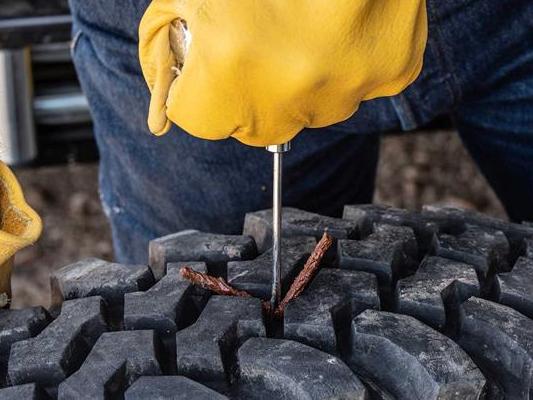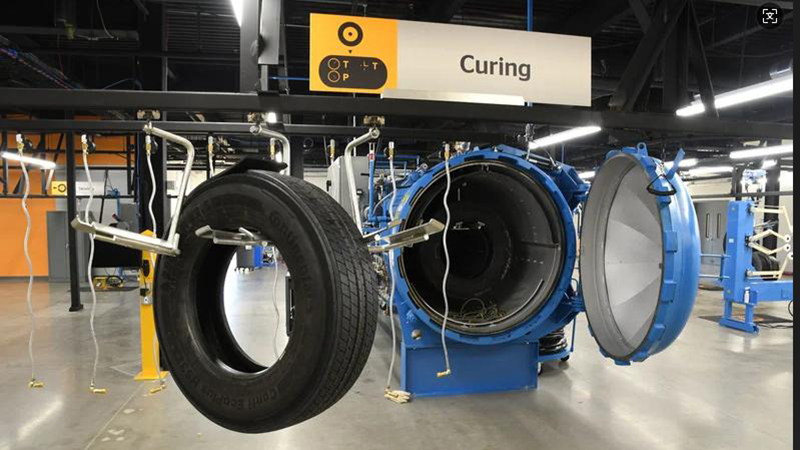


Many people mistakenly believe that repairing tires in the United States is illegal. This perception is incorrect. Provided the procedure is performed correctly and complies with safety standards, plugging a tire is entirely legal. Proper repair methods not only ensure driver safety but also extend the lifespan of the tire. Whether you are an automotive technician or an ordinary driver, you must consult the relevant regulations before attempting any tire repair.
Key Takeaways
- Tire plugging is allowed in the U.S. if it is done right and safely. You should always check your local laws before fixing a tire.
- The safest way to fix a tire is to use both a tire plug and a tire patch. This fixes the hole from inside and outside.
- Do not try to plug tires with damage on the sidewall or shoulder. These fixes are not safe and are often against the law.
- Bad tire repairs can cause accidents and legal trouble. Always follow DOT rules and what the manufacturer says for tire safety.
- Pick a trusted mechanic or tire shop to make sure repairs follow safety rules and laws.
Tire Plugging Laws

Federal and State Regulations
Both the U.S. federal government and individual state governments have established specific regulations regarding tire repair. The federal government primarily bases these regulations on the *Tire Recall, Education, and Labeling Act (TREAD Act). The objective of this Act is to safeguard driver safety by ensuring the structural integrity and safety of tires. The following are several key points outlined in the TREAD Act:
- Tires must be replaced if they have structural damage.
- Repairs are not allowed on sidewalls or shoulders.
- Temporary spares and run-flat tires cannot be fixed.
- Bulging damage means the tire needs to be replaced.
- Tires with big gashes or punctures must be replaced.
While individual state governments may enact their own supplementary regulations, the vast majority of states adhere to federal guidelines. Some states may impose additional specific requirements regarding commercial vehicles or vehicle safety inspections. Therefore, drivers should consult local laws and regulations before attempting to repair a tire using a plug.
The National Highway Traffic Safety Administration (NHTSA) gives advice about tire plugging. The NHTSA says the safest way to fix a punctured tire is to use both a plug and a patch. This method fixes the hole from inside and outside. It makes the tire safe to use again. The NHTSA warns that bad repairs can cause accidents. They recommend using both a plug and a patch to keep drivers safe.
Tip: If you do not know how to fix a tire, ask a professional.
Common Misconceptions
Some people believe that performing a tire plug repair is illegal in all circumstances. This is not the case. In the United States, tire plugging is a legal practice, provided that relevant safety regulations are observed. Some mistakenly believe that any tire can be repaired simply by plugging it; however, this is a misconception. Regulations stipulate that tire sidewalls, shoulder areas, and severely damaged tires are not eligible for repair. Others assume that a single plug is sufficient to complete the repair job. However, experts—as well as the NHTSA—point out that using a plug alone does not guarantee the tire’s safety. The most reliable repair method involves using both a plug and an internal patch.
People sometimes think tire plugging is a fast fix for any problem. In fact, it only works for small holes in the tread area. Large cuts, bulges, or damage near the edge mean the tire should be replaced. Drivers should always follow the rules to stay safe and avoid breaking the law.
Tire Plugging Regional Differences
State Restrictions
Each U.S. state has the authority to establish its own independent regulations regarding tire plugging. Some states directly adopt federal-level regulations, while others—in an effort to further safeguard public safety—impose stricter supplementary rules in addition to federal standards. For instance, California prohibits the repair of tires with large punctures or damaged sidewalls. Texas explicitly mandates that all tire repair work must strictly comply with the standards established by the National Highway Traffic Safety Administration (NHTSA). In New York, vehicle inspectors examine the condition of tire repairs during routine vehicle inspections; if a repair is found to be non-compliant with relevant regulations, the vehicle will fail its annual inspection.
The table below outlines the specific regulations regarding tire plugging in three U.S. states:
| State | Allowed on Tread | Sidewall Repair | Inspection Check |
|---|---|---|---|
| California | Yes | No | Yes |
| Texas | Yes | No | Yes |
| Florida | Yes | No | No |
Note: Drivers should always look at their state’s Department of Transportation website for the newest rules.
Local Guidelines
Individual cities and counties may also establish their own specific regulations regarding tire repair. In these areas, some repair shops even adhere to guidelines that are stricter than state-level regulations. They may refuse to perform a repair if the puncture is located too close to the edge of the tire. Local regulations can influence the specific procedures followed by repair shops. For instance, some cities require shops to maintain detailed records of every tire repair job, which aids in tracking safety standards and repair quality.
Technicians in different regions may employ varying methods when repairing tires. To ensure maximum reliability, some technicians utilize both a “plug” and a “patch” for the repair, while others may opt to use only a patch. The existence of local regulations is intended to safeguard the safety of drivers on the road. Vehicle owners should consult with their local repair shops to determine the optimal tire repair solution for their specific situation.
Tip: Always ask for details about how the tire will be fixed before you agree to the service.
Tire Plugging for Personal and Commercial Vehicles
Private Vehicle Rules
Regulations in most states permit the use of plugs to repair tires on private vehicles, provided that relevant safety protocols are strictly observed. Drivers may perform DIY repairs on small punctures located within the tire’s tread area. When repairing tires, technicians typically use both a plug and a patch to create a dual seal—from both the inside and the outside—of the puncture. The National Highway Traffic Safety Administration (NHTSA) recognizes this as the currently accepted best practice for tire repair. Drivers should never attempt to use a plug to repair damage located on the tire’s sidewall or shoulder. If a tire sustains a large cut or develops a bulge, it must be replaced. Before attempting to repair a tire, vehicle owners should always consult their vehicle’s owner’s manual and familiarize themselves with applicable local regulations.
Tip: If you do not know how to fix a tire, ask a certified mechanic for help.
Commercial Vehicle Standards
Regulations regarding the repair of commercial vehicle tires are more stringent. These regulations are established by the Department of Transportation (DOT). Only professionally trained personnel are authorized to repair commercial vehicle tires. Before commencing any repairs, the technician must inspect each tire to ensure its safety. In accordance with DOT regulations, repair shops are required to utilize approved materials, such as vulcanized patches and plugs. Furthermore, every repair must be marked permanently to serve as proof that the tire has undergone repair work.
The following is a summary of DOT (U.S. Department of Transportation) regulations regarding commercial tire repair:
- All repair work must be performed by professionally trained personnel.
- Repair operations must comply with prescribed size limitations and industry standards.
- Every tire must undergo a comprehensive inspection prior to repair.
- Only approved patches and plugs are permitted for use in repairs.
- The repaired area must be marked to indicate that the tire has undergone repair.
- Under specific circumstances, tire retreading (i.e., creating retread tires) is permitted.
- Repair facilities must properly maintain records of all repairs performed.
Commercial vehicle drivers should strictly adhere to the aforementioned regulations at all times to ensure driving safety. Proper tire maintenance plays a vital role in effectively preventing accidents, thereby safeguarding the safety of every individual on the road.
Tire Plugging Safety & Legal Risks
DOT and Manufacturer Standards
The U.S. Department of Transportation (DOT) has established strict regulations regarding tire repair. Manufacturers adhere to these regulations with the primary objective of ensuring driver safety. These regulations mandate that when repairing a puncture in a tire, both a “plug” and a “patch” must be used in conjunction. This method ensures a dual seal—from the inside out—for the puncture site. Using a plug alone for a repair does not provide long-term safety; such a method may prove ineffective and lacks durability. The National Highway Traffic Safety Administration (NHTSA) emphasizes the critical need for regular tire inspections and maintenance. To prevent traffic accidents, tire repair procedures must be executed in strict compliance with established standards.
Manufacturers do not allow rope plugs. Rope plugs do not let people check inside the tire. Using only a plug or only a patch may break the law. Fleet managers say patched tires work well on highways. Some people see plugs fail when tires are used a lot. The industry standard lowers the chance of tire problems.
Tip: Ask your mechanic to use both a plug and a patch when fixing a hole.
Consequences of Improper Repairs
Substandard tire repair work can lead to grave consequences. Statistics indicate that approximately 33,000 traffic accidents occur annually in the United States as a result of tire failure. If a plug is inserted into a tire’s sidewall—while it may temporarily halt air leakage in the short term—it is by no means a permanent repair solution. Moisture can seep into the tire’s interior through the crevices around the plug, leading to structural damage and internal corrosion. Ultimately, the tire may suffer a sudden, catastrophic blowout without any prior warning.
There are legal risks too. Courts may drop cases if the bad tire is gone. Changing or hurting evidence can lead to trouble. In Falco v. Copeland, the court said string plugs could be dangerous. Bad repairs can cause mistakes and product problems.
Drivers should follow DOT and manufacturer rules to stay safe and avoid legal trouble. Good repairs help stop accidents and keep cars moving.
Practical Tire Repair Advice
Staying Compliant
Drivers and mechanics need to follow clear steps to obey tire repair laws. The table below shows important rules:
| Step | Requirement |
|---|---|
| 1 | Make sure repairs are done by qualified technicians. |
| 2 | Use approved methods and materials for fixing tires. |
| 3 | Ensure repairs seal both the inside liner and the puncture. |
| 4 | Do not fix tires on the sidewall or shoulder area. |
| 5 | Work with trusted tire service providers that meet DOT standards. |
The National Highway Traffic Safety Administration suggests using safe and strong repair methods. Regular checks help prevent accidents. Unsafe repairs, like only using a plug, can cause failures. The Tire Industry Association sets professional rules for technicians. Hot patch repairs make a strong, permanent seal. Drivers should only fix the tread area and avoid repairing sidewall damage.
Tip: Pick a trusted service provider that follows these rules for every repair.
When to Use a Tire Patch
For larger punctures, using a tire patch is the optimal repair solution. For reasons of safety and reliability, manufacturers typically recommend using patches for repairs. Having the repair performed by a professional ensures that the structural integrity of the tire remains intact. For situations where a puncture is too large to be repaired using a tire plug, a patch serves as the ideal alternative. Professional repair technicians tend to favor patches because this method requires removing the tire from the wheel rim and sealing the puncture from the inside. This “inside-out” repair approach significantly enhances tire safety and minimizes the risk of future failure.
SUNSOUL Tire Patch is a reliable choice for proper repairs. Each patch meets strict USA standards and passes international tests. SUNSOUL offers technical help, training, and quick service. Their patches give a perfect seal and last a long time.
Note: Always ask a qualified technician to put on a patch for the best results.
The rules about tire plugging change from state to state. There is no federal law that says you cannot plug a tire. Safety rules say you must fix tires the right way. Here is a table with key facts about tire plugging:
| Key Point | Description |
|---|---|
| Legality | Each state has its own rules. No federal law bans tire plugging. |
| Temporary Repair | Plugs are only a short-term fix and might not be safe. |
| Industry Standard | The safest way is to use both a plug and a patch. |
| Liability Concerns | Bad repairs can cause problems if the tire fails. |
| Warranty Implications | Plugging a tire the wrong way can cancel the warranty. |
Drivers should pick trusted products like SUNSOUL Tire Patch for safe repairs. They can look up their state’s rules on the U.S. Tire Manufacturers Association website. If they are not sure, they should ask a professional for help.
FAQ
Is tire plugging legal throughout the United States?
In most U.S. states, tire plugging is legal, provided it is performed correctly. However, individual states may have their own specific regulations. Therefore, drivers should consult their local laws and regulations before attempting to repair a tire.
Can a tire’s sidewall be plugged?
No. Plugging a tire’s sidewall is neither safe nor legal. The structural integrity of the sidewall cannot withstand the repair process. If a tire’s sidewall is damaged, a technician must replace the tire with a new one.
How long does a tire plug last?
Tire plugging is typically intended only as a temporary, emergency measure. The repair may last only a few days or weeks. For a permanent and thorough repair, experts recommend using a combination of both a plug and a patch.
Does plugging a tire void the warranty?
If a tire is plugged improperly, it can indeed void the manufacturer’s warranty. Tire manufacturers typically require that repair work strictly adhere to their established guidelines. Therefore, it is essential to have tire repairs performed by a professional.
What is the safest method for repairing a punctured tire?
The safest repair method involves using a combination of both a plug and a patch. This dual-repair approach allows the puncture to be thoroughly sealed from both the inside and the outside of the tire. SUNSOUL Tire Patches offer the ideal solution for achieving this type of durable and reliable tire repair.