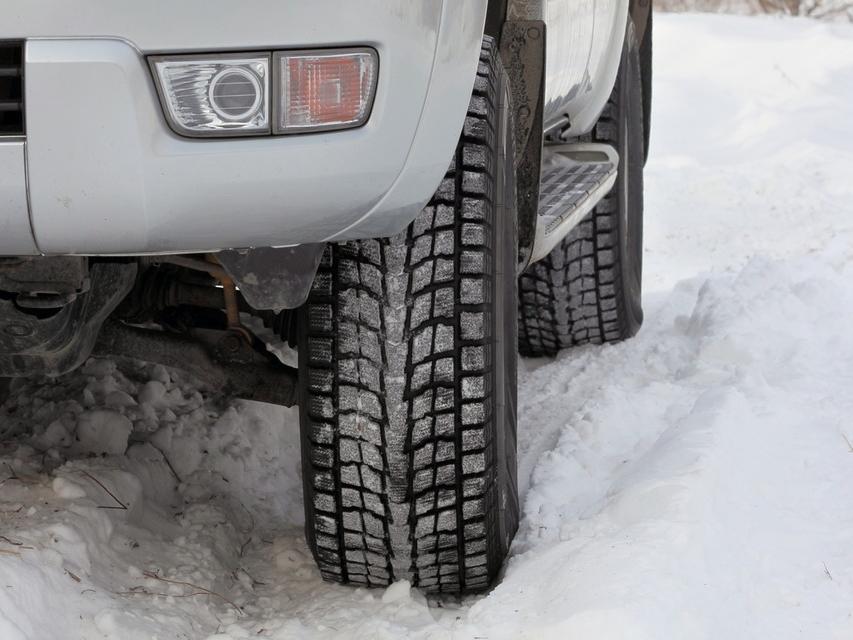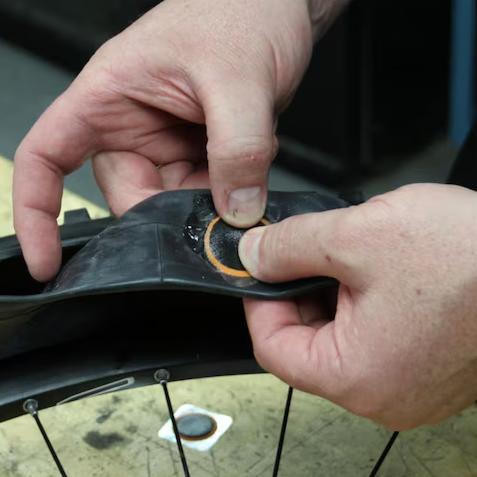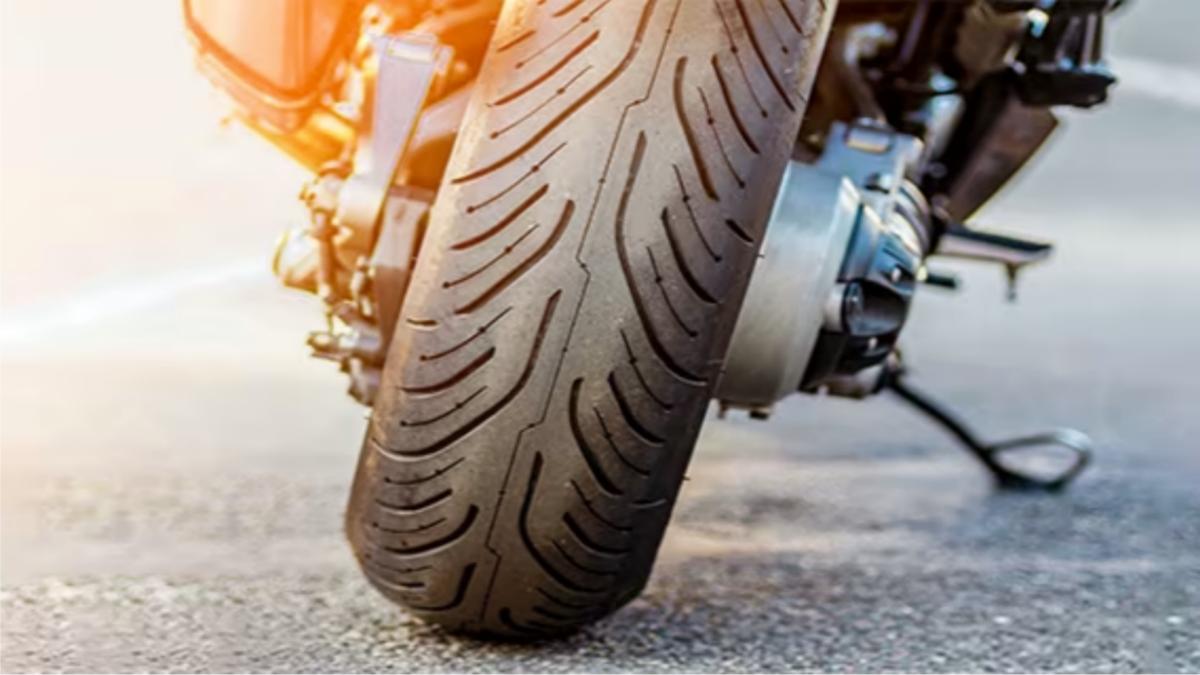


A Vulcanizing Tire Patch gives a repair that lasts a long time. It uses a chemical reaction to make a strong seal with the tire. SUNSOUL uses good natural rubber and strong fabric to keep the patch tough. The tire vulcanizing process makes the patch harder. This helps the patch not wear out fast. You should scuff the area before you use the hot vulcanizing tire patch kit. This makes the patch stick better. You can compare how long each method lasts:
Method | Process Description | Durability Level |
|---|---|---|
Vulcanization | Uses a chemical reaction to join the patch to the tire. This makes a strong seal. | High (permanent seal) |
Tire Plugs | Uses pressure to close holes. This can get weaker over time. | Moderate (less reliable) |
Key Takeaways
Vulcanizing tire patches make a strong bond with the tire. This bond lasts a long time. It is stronger than other ways to fix tires.
You must apply the patch the right way. Always clean the spot first. Follow each step carefully. This helps the patch stick well. It also helps it last longer.
Hot vulcanization works best for big cuts. Cold vulcanization is good for small holes. Pick the right method for the damage.
Check your tires often. Drive safely to keep the repair strong. This helps your tire last longer.
Use good patches, like SUNSOUL patches. They give a strong repair. The patch can last as long as the tire.
Vulcanizing Tire Patch Process
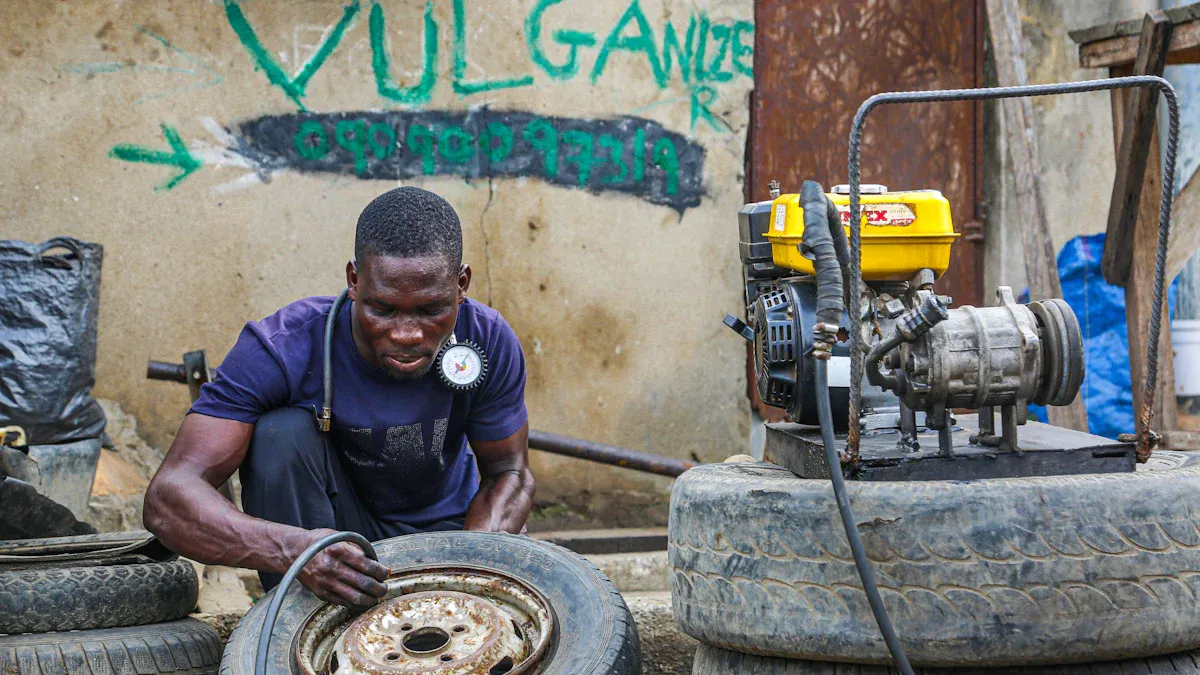
SUNSOUL Vulcanizing Tire Patch uses strong natural rubber and tough fabric. These things make the patch strong and bendy. The patch can handle rough roads and lasts a long time. SUNSOUL gives an 18-month warranty to show they trust their patch. Many people pick this patch because it is good for the earth and simple to use.
Chemical Bonding Explained
The vulcanization process uses a special chemical reaction. Sulfur in the fluid reacts with the tire’s rubber. This makes cross-links between rubber molecules. These links make the rubber stronger and stretchier. The patch sticks to the tire at a tiny level. This bond is much stronger than glue. The process also makes the rubber less sticky and better with heat.
Vulcanization makes the tire stronger.
The patch becomes part of the tire, not just stuck on.
The repair can handle a lot of pressure and stress.
Note: The fabric in SUNSOUL patches helps the fix last longer. The patch stays strong even after many miles.
Hot vs Cold Vulcanization
There are two main ways to use a Vulcanizing Tire Patch. These are hot and cold vulcanization. Each way works best for different damage and vehicles.
Method | Application Temperature | Curing Time | Best For |
|---|---|---|---|
Hot Vulcanization | 140–160°C | Minutes to hours | Large cuts, sidewall damage, truck tires |
Cold Vulcanization | Below 100°C | Hours to days | Small punctures, tread repairs, car tires |
Cold vulcanization works well for small holes from nails or screws. It is a good choice if the tire is still strong.
Hot vulcanization is better for bigger cuts or damage in more than one layer. This way gives a strong fix for big vehicles.
The best way depends on the size of the damage and the vehicle. SUNSOUL Vulcanizing Tire Patch works well with both ways.
Patch Permanence and Durability
What Makes a Repair Permanent
A permanent tire repair must restore the tire’s strength and keep air from leaking. The process uses a patch that bonds with the tire’s rubber. This bond forms through heat or chemicals, making the patch part of the tire. Industry standards say a permanent repair needs more than just a plug or surface patch. The tire must be removed from the rim, cleaned, and checked inside. Damaged material gets removed, and the hole is filled with rubber. A repair unit seals the inner liner. This method stops air leaks and keeps the tire safe for long drives.
Tip: Always use a patch that matches the tire’s material. This helps the patch last as long as the tire.
The table below shows how patching compares to plugging:
Method | Pros | Cons |
|---|---|---|
Tire Patching | Lasts longer, covers bigger holes, no adhesives | Needs tire removal, takes more time |
Tire Plugging | Quick, easy, no tire removal | Not as strong, not for big holes |
Hot vulcanization stands out as the standard for permanent repairs. It fills the damage with special rubber and uses a patch to reinforce the tire. This process takes about 50 minutes plus cooling time. Cold vulcanization uses a bonding layer and allows the tire to be used sooner. Both methods require careful work to make the repair last.
Factors Affecting Longevity
Several things affect how long a Vulcanizing Tire Patch repair will last. The quality of the patch matters most. Patches made from high-grade rubber, like those from SUNSOUL, keep their strength and flexibility. They handle heat, cold, and rough roads without breaking down. The patch must bond well with the tire to stop leaks and keep the repair strong.
Proper application also plays a big role. The person repairing the tire must follow each step. They need to clean the area, remove damaged rubber, and use the right amount of heat or chemicals. When done right, the tire can work like new, even at high speeds.
Note: A good repair uses both a patch and a plug. This fills the hole and seals the inside, making the fix last longer.
Tests show that tires repaired with a Vulcanizing Tire Patch can last for thousands of miles. In one study, tires fixed with patches went through a 40,000-mile road test. No air leaks showed up before or after the test. The table below shows the test details:
Test Aspect | Details |
|---|---|
Tires Used | Goodyear Regattas, size P215/75R15 |
Puncture Method | Nails driven at an angle using a jig |
Pre-Test Procedure | 25 miles at 50 MPH before repair |
Repair Check | X-ray and holographic exams for trapped air |
Testing Trials | Two indoor tests and a 40,000-mile road test |
Results | No air leakage before or after testing |
The patch’s material must stay flexible and stick well, even when the weather changes. High-quality patches keep their bond and do not peel off. This makes the repair as strong as the original tire.
A Vulcanizing Tire Patch, when applied with care and made from good materials, gives a repair that can last the life of the tire. Regular checks help spot any problems early and keep the tire safe.
Safety and Long-Term Use
Driving on Vulcanized Repairs
Many drivers ask if a fixed tire is safe for daily driving. If a Vulcanizing Tire Patch is put on right, the tire gets strong again and does not leak air. The Tire Industry Association (TIA) has rules to keep repairs safe. These steps help the patch last longer:
The worker must take the tire off the rim to check it well.
The hole should be filled with a repair stem and vulcanized with chemicals.
A patch must cover the repair stem, using one or two pieces.
The inside of the tire needs to be roughened so the patch and glue stick.
The spot around the patch should be sealed with a special sealer.
Tire makers also have speed rules for fixed tires. Most brands, like Bridgestone, Cooper, and Firestone, say not to go over 85 mph after fixing a tire. The table below shows what these companies say:
Manufacturer | Speed Rating Policy |
|---|---|
Bridgestone | Voids speed rating, limits to 85 mph or less |
Cooper | Voids speed rating, limits to 85 mph or less |
Falken | Voids speed rating, limits to 85 mph or less |
Firestone | Voids speed rating, limits to 85 mph or less |
Sumitomo | Voids speed rating, limits to 85 mph or less |
Some problems can show up later. Water or air might get inside the tire and cause trouble. The table below lists some common problems:
Safety Concern | Description |
|---|---|
Moisture Infiltration | Patches can let water get in and hurt the tire inside. |
Air Penetration | Air can get in through the hole and damage the tire. |
Steel Belt Degradation | Water and air can make steel belts weak and cause the tread to come off. |
Maintenance Tips
Taking care of a fixed tire helps it last longer. Drivers should look at the tire often for damage or low air. Keeping the right air pressure stops extra stress on the patch. Driving safely, like not turning too hard or hitting potholes, keeps the patch safe. The table below shows good ways to care for your tire:
Maintenance Practice | Description |
|---|---|
Regular Tire Checks | Look at the patched tire often for damage, wear, or low air to find problems early. |
Proper Tire Inflation | Keep the tire at the right pressure to stop uneven wear and stress on the patch. |
Safe Driving Practices | Drive carefully and avoid dangers to keep the tire and patch strong. |
Tip: If you take care of your tire and patch, it can last for many miles. Checking the tire and driving safely really helps.
Vulcanizing Tire Patch vs Other Methods
Plugs, Adhesive Patches, and Combinations
When a tire gets a flat, people can pick plugs, adhesive patches, or both. Plugs go into the hole from outside the tire. They are fast to use and do not need the tire taken off. Adhesive patches stick on the inside of the tire. Glue helps the patch stay in place. Sometimes, both a plug and a patch are used for more safety.
A Vulcanizing Tire Patch is different because it makes a strong chemical bond. This patch seals the inside and becomes part of the rubber. Plugs might only fix the tire for a short time. If not put in right, air can leak out. Adhesive patches can stop sticking if they get hot or stressed.
Pros and Cons
The best way to fix a tire depends on the damage and how long you want the repair to last. Vulcanizing tire patches make a strong seal inside the tire. They are good for bigger holes and last longer than plugs. Plug repairs are quick but may not last as long. Adhesive patches can fail if the glue gets weak.
The table below shows why vulcanizing tire patches are better than other ways:
Advantage | Description |
|---|---|
Durability and Strength | Creates a strong chemical bond, increasing the strength and durability of the repair. |
Long-Term Performance | More reliable for long-term use compared to adhesive patches that may fail over time. |
Chemical Bonding | Forms a permanent chemical bond with the rubber, resistant to stress and pressure unlike adhesive patches. |
But there are some problems too:
Time-Consuming: This patch takes longer because you must remove and check the tire.
Higher Costs: It costs more because it needs more work and materials.
Not Suitable for All Damage: Patches work best for holes in the tread. They cannot fix sidewall damage or very big holes.
Tip: Always pick the repair that fits the tire’s damage. For the best fix, follow what tire experts say.
A Vulcanizing Tire Patch can fix a tire for a long time if a pro does the job. SUNSOUL’s patches use tough rubber and stick well, so air does not leak out. This helps you save money because you do not need new tires as often. Experts say you should get the tire ready the right way and pick the best repair for each tire. Drivers need to look at their tires often and follow safety rules.
When to Repair or Replace | Considerations |
|---|---|
Repair | Small punctures, newer tires |
Replace | Large damage, old or worn-out tires |
Checking your tires often and picking the right repair keeps you safe when you drive.