
You should not attempt a DIY nail on tire repair as a permanent solution. Finding a nail in tire is frustrating, but your safety comes first. A professional must inspect the tire’s internal structure for hidden damage before any repair. The industry-standard repair is a plug-patch combination, one of the tire repair options you cannot perform at home. Proper tire care is critical, as tire issues cause thousands of accidents annually.
| Category | Annual Incidents | Fatalities (2022) |
|---|---|---|
| Tire-related crashes (NHTSA) | 11,000 | 563 |
| Car crashes with pre-crash tire problems | 9% of ~2.2 million | N/A |
A DIY plug is only a temporary tire repair to help you reach a professional shop safely.
Why a Professional Repair is Non-Negotiable
A simple nail on tire repair might seem straightforward, but what you cannot see can hurt you. A professional must examine the tire from the inside out. This step is crucial for your safety and is the only way to identify serious tire damage.
The Hidden Dangers of Internal Damage
When you drive on a punctured tire, even for a short distance, you risk severe internal tire damage. The tire’s structure is not designed to support your vehicle’s weight without proper air pressure. This can cause several hidden problems:
- Structural Damage: The tire flexes unnaturally, which can permanently harm the internal belts and sidewalls.
- Sidewall Damage: Low pressure can pinch the sidewall between the rim and the road, causing cuts or bulges that compromise its integrity.
- Impact Damage: Hitting a pothole can also cause internal belt damage that is invisible from the outside.
Only a technician who dismounts the tire can spot these issues and prevent a future blowout.
The Right Method: Plug-Patch Combo
The tire industry has a clear standard for a safe and correct repair. The U.S. Tire Manufacturers Association (USTMA) requires a combination repair. This method involves two key steps:
- A rubber plug fills the puncture path from the inside.
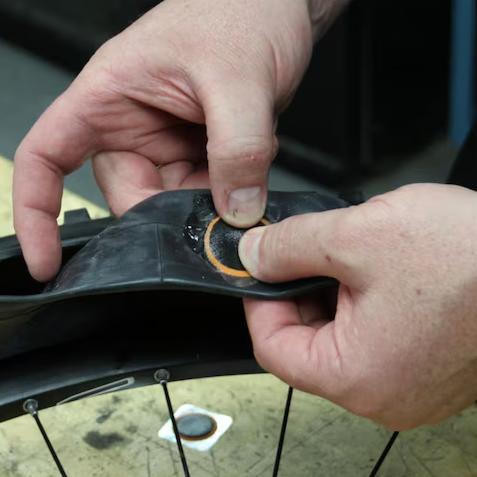
- A patch is applied to the inner liner of the tire.
This two-part process ensures a complete seal. The plug stops moisture from reaching the steel belts, preventing rust. The patch seals the inner liner, which holds the air in your tire. This professional tire repair method is the only way to restore the tire’s integrity. Proper patching is essential for a lasting fix.
The Risks of DIY Plugs
DIY plug kits are only for emergencies. You should not use them for a permanent flat tire repair. These kits present a major safety concern for several reasons. A DIY plug, inserted from the outside, does not seal the tire’s inner liner. Air can slowly leak out or travel into the tire’s structure.
Expert Warning: The tire manufacturing industry warns that string plugs allow air and moisture to enter the tire’s body. This leads to internal rust and deterioration of the steel belts, which can cause the tread to separate while you are driving.
Without a professional inspection and proper patching, a simple plug is a temporary fix that can lead to a much bigger problem down the road.
The Professional Nail on Tire Repair Process

A professional tire repair follows a precise, multi-step method to guarantee your safety. This process goes far beyond a simple plug and ensures the tire is structurally sound. Each step is critical for a successful and lasting repair.
Step 1: Dismounting and Inspection
First, a technician must completely remove your tire from the wheel. You cannot inspect the inside of a tire while it is still on the rim. Professionals use specialized equipment to do this safely and efficiently.
- An air-powered bead breaker separates the tire from the wheel’s edge.
- A tire demounter then lifts the tire off the wheel entirely.
Once the tire is off, the technician performs a thorough internal inspection. This is the most important part of the nail on tire repair process. The technician looks for hidden damage, like cuts or weakened areas, that would make the tire unsafe to repair.
Step 2: Preparing the Puncture
After confirming the tire is safe for a repair, the technician prepares the puncture hole. They remove the nail and then use a special reamer tool. The technician pushes and twists this tool inside the puncture path. This action cleans out debris and roughens the rubber, creating a perfect surface for the plug to bond with. Properly preparing the hole is a key step in repairing a tire correctly.
Step 3: Applying the Plug-Patch
The final stage involves the combination repair itself. The technician applies a special fast-drying chemical vulcanizing cement to the prepared area. This all-purpose cement is designed to create a strong, permanent bond. Next, they pull the plug portion of the plug-patch unit through the hole from the inside. This fills the puncture path completely. Finally, the patch portion is pressed firmly against the tire’s inner liner. This patching process seals the inside, preventing any air from escaping. This method of patching a tire is the only industry-approved permanent solution.
Step 4: Sealing and Remounting
The repair is not complete once the plug-patch is in place. A technician performs several final steps to ensure your tire is safe and ready for the road. First, they apply a special liquid sealant over the patch and the surrounding buffed area. This sealant acts as an extra layer of protection. It ensures a completely airtight seal and prevents any future leaks from the edges of the patch. The technician allows this sealant to dry completely.
Next, the technician remounts your tire onto the wheel. They use professional machinery to do this carefully, avoiding any damage to your tire or rim. Once the tire is back on the wheel, it is time for inflation. The technician inflates your tire to the specific pressure recommended by your vehicle’s manufacturer. You can find this information on a sticker inside your driver’s side door jamb.
Expert Tip: Always ask for a tire balance after a repair. The plug-patch adds a small amount of weight to your tire. This new imbalance, though minor, can cause vibrations at higher speeds. A technician uses a computerized wheel balancer to detect the imbalance. They then attach small, precise weights to the rim to counteract it. This step restores a smooth ride and prevents uneven tire wear.
Finally, the technician performs a leak check. They spray a soapy water solution over the repair area and the valve stem. If bubbles appear, it indicates a leak that needs to be addressed. After a successful check, your professionally repaired tire is ready to be put back on your vehicle.
When Can a Tire Be Professionally Repaired?
A professional technician will not repair every tire with a nail in it. Your safety is their top priority. They follow strict industry guidelines to decide if a repair is possible or if you need a new tire. A tire is only a candidate for a safe and permanent repair if it meets three specific criteria: the puncture location, its size, and the tire’s overall condition.
Repairable Zone: The Center Tread
The location of the puncture is the first thing a technician checks. A safe nail on tire repair can only happen in a specific area of your tire. This area is called the crown or the center tread.
Tire safety experts, including the U.S. Tire Manufacturers Association (USTMA), have clear rules for this. The repairable zone is the central part of the tread that makes contact with the road. It generally excludes the outermost tread rib, which is about a half-inch from the tire’s shoulder. The shoulder and the sidewall are absolute no-go zones for patching. These areas flex constantly while you drive. A repair here would not hold, creating a high risk of a blowout. Only the thick, stable center tread, supported by steel belts, can securely hold a patch.
Size Limit: Puncture is 1/4 Inch or Less
The size of the hole also matters. For a standard car tire, the puncture must be 1/4 inch (about 6mm) in diameter or smaller. This is roughly the size of a standard pencil eraser. A nail puncture usually falls into this category.
Why is this limit so important?
- Structural Integrity: A hole larger than 1/4 inch removes too much of the tire’s essential rubber and support structure.
- Seal Failure: A plug-patch combination cannot reliably seal a larger opening. The risk of the repair failing increases dramatically.
A technician will measure the hole after removing the nail. If it exceeds this limit, the tire is unsafe for repair. Attempting to fix large holes or gashes is a gamble you should never take. These situations require a full tire replacement to prevent serious tire damage. For these reasons, only small punctures are considered for a repair.
Tire Condition: No Overlapping Repairs or Significant Wear
Finally, a technician must evaluate the overall health of your tire. Even if you have small punctures in the right area, the tire might still be unsafe for patching. The technician will look for two main issues: previous repairs and tread depth.
You cannot have multiple repairs too close to each other. Each patching process creates a rigid spot on the tire’s inner liner. Overlapping these spots can create a large, inflexible area that compromises the tire’s structure. A professional will not perform a new repair that overlaps with an old one.
Your tire’s tread depth is also critical. The tread provides the grip you need to stop safely and avoid hydroplaning on wet roads. If your tire is already worn out, repairing a tire is a waste of money and is unsafe.
Safety Alert: Worn tires significantly increase your stopping distance. A tire with low tread is a major safety hazard, making the decision to patch or replace an easy one. If the tread is low, you must replace the tire.
Most regions have a legal minimum for tread depth.
| Region | Minimum Legal Tread Depth |
|---|---|
| Most U.S. States | 2/32 inches (1.6 mm) |
| Most European Countries | 1.6 mm (2/32 inches) |
A technician will measure your tread. If it is at or below this limit, they will recommend a replacement instead of patching a tire.
When is a Tire Beyond Repair?
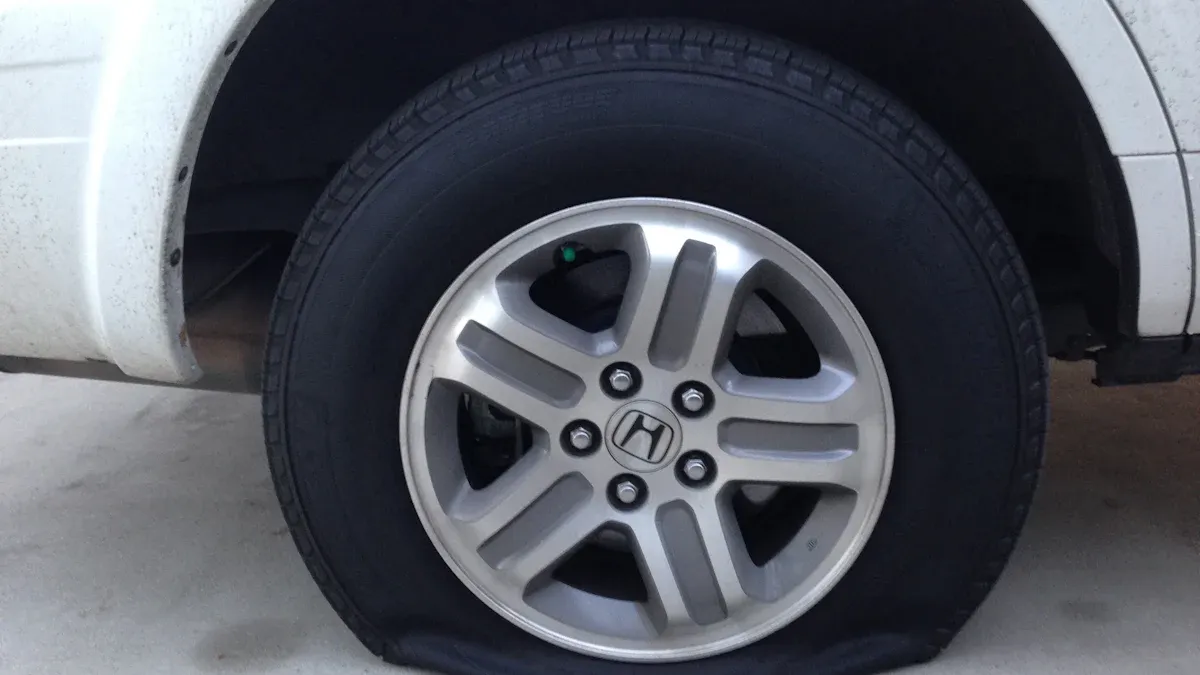
An expert knows that not every tire can be saved. Your safety depends on knowing when to replace a tire instead of attempting a repair. A professional technician will always refuse to fix a tire if it shows certain red flags. These warning signs indicate the tire’s structure is too compromised for a safe and lasting solution. Understanding these red flags helps you make the right choice between patch or replace.
Red Flag #1: Sidewall or Shoulder Puncture
The location of a nail puncture is the most critical factor. If the damage is on the tire’s sidewall or shoulder, you must get a tire replacement. These areas are absolute no-repair zones for very specific safety reasons. The sidewall and shoulder flex constantly as the tire rolls. This movement prevents a patch from holding securely, leading to a high risk of sudden failure. A repair in these critical areas weakens the tire’s structure, creating a serious safety hazard.
Safety First: The U.S. Tire Manufacturers Association (USTMA) explicitly states that you cannot repair punctures in the sidewall or shoulder. These areas lack the steel belt reinforcement found in the center tread, making any repair unsafe.
Even small punctures in the sidewall will worsen over time due to the constant flexing. This can lead to a catastrophic blowout while you are driving. Technicians follow a simple rule: the puncture must be at least a half-inch away from the edge of the tread. Any damage closer to the side means the tire has critical sidewall damage and is unrepairable.
Red Flag #2: Puncture is Too Large
The size of the hole is another clear deal-breaker. For a standard passenger car tire, a professional will only repair small punctures that are 1/4 inch (6mm) in diameter or less. Anything larger compromises the tire’s structural integrity too much for a safe fix. A hole bigger than 1/4 inch means too much of the tire’s internal structure—the rubber and supporting cords—has been destroyed. A standard plug-patch combination cannot reliably seal such a large opening. The risk of the repair failing and causing a blowout is simply too high. A technician will always measure the puncture after removing the object. If it exceeds this limit, they will tell you to replace the tire.
Red Flag #3: Internal Cords are Damaged
Sometimes, the most dangerous tire damage is invisible from the outside. Driving on a flat tire, even for a short distance, can destroy its internal structure. A technician must remove the tire from the wheel to perform a complete inspection. This is the only way to spot hidden damage to the steel and fabric cords that form the tire’s skeleton.
You might see signs of this damage yourself.
- Bulges or Bubbles: Look for any bulges or bubble-like deformities on the tire’s surface. These often mean the internal cords have separated.
- Heat Damage: The friction from driving on a flat tire generates intense heat, which can weaken and break the internal belts.
If a technician finds any evidence of separated cords, broken belts, or other internal structural problems, the tire is unsafe. A repair is not an option because the tire’s fundamental strength is gone. In this situation, you must replace the tire to ensure your safety on the road.
Red Flag #4: Multiple Punctures
One nail puncture is bad enough, but finding two or more is a major red flag. Your tire’s strength depends on its internal structure of rubber and steel belts. Each repair creates a small, rigid area. While one or two repairs spread far apart might be acceptable, multiple punctures create a serious problem.
Most tire service centers advise against patching a tire more than twice. This guideline helps maintain the strength of the tire’s rubber and steel belts. Too many repairs can weaken these essential components over time.
The distance between punctures is also critical. Attempting to repair multiple holes located close together will compromise the tire’s structural integrity. This type of tire damage weakens the tire significantly. The inflexible patches create stress points that can lead to tread separation or a blowout. If a technician finds several punctures, especially if they are near each other, they will almost always recommend a replacement. Your safety is not worth the risk of patching an overly compromised tire.
What to Do Immediately After Finding a Nail
Discovering a nail in your tire can be alarming, but a calm and correct response can prevent further damage and keep you safe. Your next few actions are critical. Follow these expert-approved steps to handle the situation properly.
Step 1: Do Not Pull the Nail Out
Your first instinct might be to remove the foreign object. You must resist this urge. The nail is currently acting as a plug, slowing down the rate of air loss. If you pull the nail out, the tire will likely deflate very quickly. This could leave you stranded and make it impossible to drive to a repair shop. Leaving the nail in place gives you valuable time to get professional help.
Step 2: Check and Monitor Tire Pressure
Next, you need to assess how quickly your tire is losing air. If you have a tire pressure gauge, use it to check the current PSI. Compare this reading to the recommended pressure listed on the sticker inside your driver’s side door. If you do not have a gauge, visually inspect the tire. Does it look noticeably flatter than the others? Listen for a hissing sound. A slow leak from a nail in tire is manageable, but a fast leak means you should stop driving and consider putting on your spare.
Step 3: Drive Slowly to a Tire Shop
If the tire is losing air slowly, you can carefully drive to a nearby auto shop for a professional flat tire repair. Driving on a punctured tire can cause serious internal damage, so you must limit your speed and distance. A professional can then properly assess the nail in tire situation.
Safe Driving Limits with a Punctured Tire
Your safety depends on how you drive to the shop. Follow these guidelines:
- Regular Tire: Drive for the shortest distance possible, ideally less than a mile or two. Keep your speed under 20 mph to avoid destroying the tire’s sidewall.
- Run-Flat Tire: These tires have reinforced sidewalls. You can typically drive up to 50 miles at speeds no faster than 50 mph. Always check your car’s manual for specific limits.
- Spare Tire: A temporary or “donut” spare is not a full-size tire. You should not drive more than 50 miles or exceed 55 mph.
Driving slowly and directly to a professional is the best way to ensure a safe outcome.
The SUNSOUL Difference: Equipping Professionals for Safety
When you take your car to a shop, you trust the technician to do the job right. That trust extends to the tools and materials they use. A professional tire repair depends on high-quality components to ensure a permanent and safe fix. This is where a commitment to excellence, like that of SUNSOUL, makes a real difference for your vehicle.
The Importance of Quality Repair Materials
The quality of the patch and plug directly affects the longevity of the repair. A technician using superior materials ensures a better outcome.
- Strong Adhesion: High-quality rubber and adhesives create a powerful bond with your tire. This bond holds strong even under the stress of driving.
- Flexibility: The patch must be flexible. It needs to move with the tire as it heats up and cools down. This prevents the seal from breaking.
- Durability: Professional materials, like the advanced rubber compounds used by SUNSOUL, resist heat and pressure. They create a permanent, self-vulcanizing seal that bonds directly with the tire’s rubber.
Professional Grade: Unlike basic kits, professional solutions use durable components like stainless steel tools and natural rubber patches. These materials are designed for a reliable, long-lasting seal.
Global Trust in Tire Repair Solutions
Professionals worldwide need products they can depend on. SUNSOUL equips technicians in over 60 countries, producing more than two million tire patches every month. This global trust is built on a proven record of reliability and a commitment to international standards.
This dedication to quality is confirmed by several key certifications.
| Certification | What It Means for Your Safety |
|---|---|
| ISO 9001 | The manufacturing process follows strict quality management rules. |
| RoHS & REACH | The products are made with eco-friendly materials, meeting high environmental and safety regulations. |
When a shop uses materials from a certified manufacturer like SUNSOUL, you know they are prioritizing your safety with products that are tested and trusted around the world.
Your safety is the top priority. You should never use a DIY kit as a permanent nail on tire repair. Always have an expert inspect a nail in tire. A professional will determine if you can safely repair the tire or if you must replace it. A professional tire repair is a small investment in your safety.
A professional tire repair typically costs between $20 and $50. This is a significant saving compared to a new tire replacement, which can cost under $200. Choosing to repair instead of replace, when safe, protects both your wallet and your well-being.
Trust shops that use high-quality materials like those from SUNSOUL. This ensures a durable repair and gives you peace of mind on the road. A proper tire replacement is necessary when a repair is not safe.
FAQ
How much does a professional tire repair cost?
A professional repair typically costs between $20 and $50. This small fee ensures your safety and a lasting fix. A DIY plug kit is cheaper. However, you should only use it in an emergency to help you drive safely to a repair shop.
Can you repair a run-flat tire?
Yes, you can sometimes repair a run-flat tire. A technician must inspect it first. The puncture must be in the center tread. You also must not have driven too far or too fast on the deflated tire, which can cause hidden internal damage.
Why is a DIY plug not a permanent fix?
You should not rely on a DIY plug. It does not seal the tire’s inner liner, which holds the air. This can cause a slow leak. Moisture can also enter the tire and rust the internal steel belts, leading to a dangerous blowout.
What should I do if my TPMS light comes on?
Your Tire Pressure Monitoring System (TPMS) light signals low tire pressure. You should find a safe place to pull over. Visually inspect all four tires for a puncture. If possible, check the pressure with a gauge and drive slowly to a tire shop for inspection.