
You might think a flat tire spells disaster, but a patch for a tire can save your day. Many drivers trust a patch because it offers a strong, lasting repair. Unlike plugs, which often cause safety risks and even accidents, a proper patch gives your tire better handling, improved braking, and a longer life. SUNSOUL’s tire repair solutions have earned trust in over 60 countries, so you know your tire gets top-notch care when you choose a patch.
What Is a Patch for a Tire?
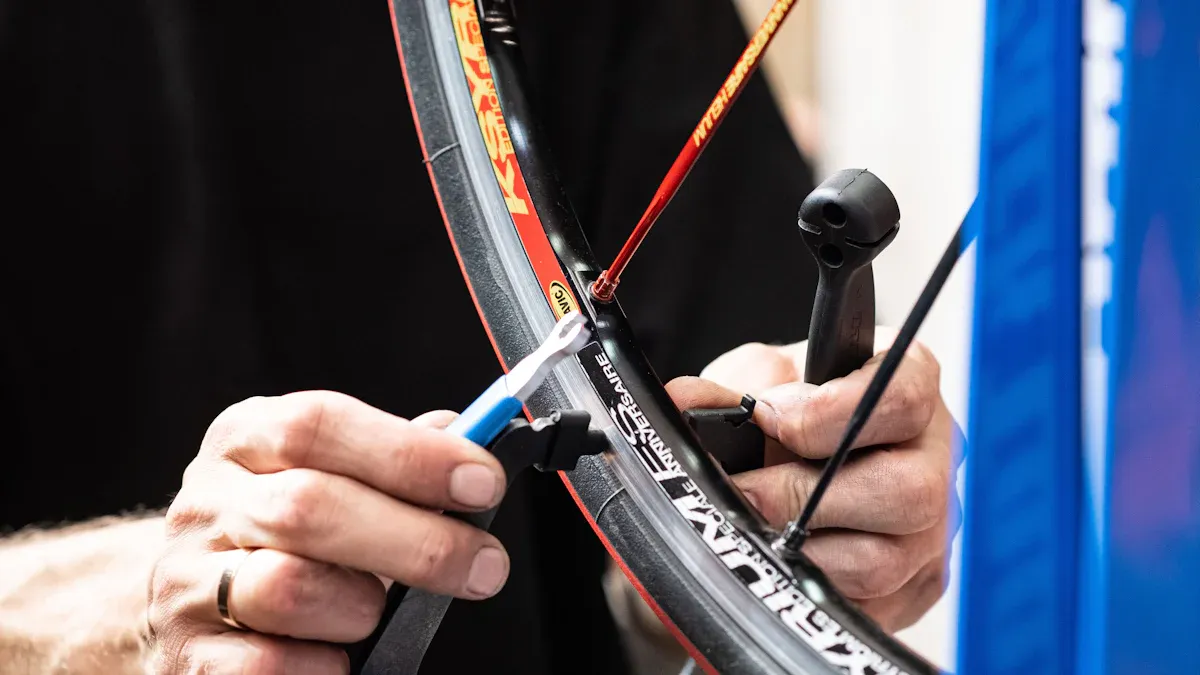
You might wonder what makes a patch so special when it comes to fixing a tire. A patch is a small but mighty solution that helps you get back on the road quickly and safely. It’s designed to seal up holes caused by sharp objects like nails or screws. When you use a tire patch, you’re choosing a method trusted by professionals and drivers worldwide.
How a Patch for a Tire Works
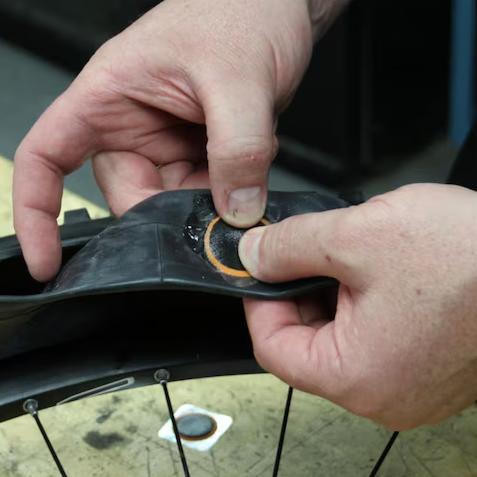
A patch works by sticking to the inside of your tire, right over the spot where the puncture happened. The patch covers the damaged area and stops air from leaking out. Here’s how the process restores your tire’s strength:
- The patch is made of flexible rubber, which grips tightly to the tire’s surface.
- It seals the area around the puncture, so you don’t lose air while driving.
- You get a repair that lasts much longer than a simple plug.
When a professional installs the patch, you can count on a safe and cost-effective fix. You avoid buying a new tire before you really need one. This method keeps you safe and saves you money.
Types of Patch for a Tire
Not all patches are the same. You have several options, each with its own strengths. Take a look at this table to see how different types of patches work for different situations:
| Type of Patch | Best For | Pros | Cons |
|---|---|---|---|
| Universal Patches | Small punctures from nails or sharp objects | Easy to apply, widely available | Not as durable for bigger holes |
| Radial Patches | Tread area of radial tires | Strong, long-lasting | Needs professional installation |
| Bias Ply Patches | Older or specialty vehicles | Durable for heavy loads | Not for radial tires |
| Combination Patches | Larger or deep punctures | Comprehensive repair | More expensive |
| Mushroom Patches | Medium-sized punctures | Effective seal | Needs precise application |
| Chemical Cure Patches | Long-term repairs | High strength, durable | Takes more time |
| Cold Patches | Quick, emergency repairs | Fast and easy | Less durable |
| Hot Patches | High-performance, permanent repairs | Very long-lasting | Needs special equipment |
Most patches use rubber because it’s tough and seals well. Some use fabric or advanced composites for special jobs. You’ll also find patches with strong adhesives that stick fast and stay put. New eco-friendly materials are popping up, too, as companies look for greener ways to fix tires.
Key Benefits of Tire Repair with a Patch
Superior Strength and Durability
When you choose a patch for a tire, you get a solution built for strength. The patch bonds tightly to the inside of your tire, creating a seal that stands up to daily driving. You can trust this repair to handle rough roads, sharp turns, and sudden stops. The thick rubber and strong adhesive used in a tire patch make it tough enough for cars, trucks, and even farm vehicles.
- You don’t have to worry about the patch peeling off or losing grip.
- The round shape of many patches helps prevent edges from lifting, so the repair stays secure.
- SUNSOUL’s patches use vulcanizing gum, which means the patch becomes part of the tire itself.
If you compare a patch to a plug, you’ll notice the difference in durability. Plugs work for emergencies, but they don’t last as long. A patch for a tire gives you a repair that holds up for years, not just days.
Long-Lasting Tire Repair Results
You want your tire to last as long as possible after a repair. A patch for a tire can keep you rolling for years. Take a look at this table to see how different repair methods stack up:
| Repair Method | Average Lifespan |
|---|---|
| Tire Patch | 7 to 10 years |
| Tire Plug | Short-term fix |
| Plug-Patch Combo | Longest lasting, potentially remaining tread life |
A tire patch can last between 7 and 10 years. That’s almost as long as a brand-new tire. If you use a plug, you might only get a short-term fix. The combination of a patch and plug gives you the most durable repair, sometimes lasting until the tire wears out.
Tip: If you want the best results, ask your technician about combining a patch and plug for deep tire punctures. This method gives you extra protection and keeps your tire safe for the long haul.
Safety Assurance for Your Tire
Safety matters every time you drive. A patch for a tire offers peace of mind because it seals the puncture from the inside. You don’t have to worry about air leaks or sudden blowouts. The patch covers the damaged area and restores the tire’s strength, so you can drive with confidence.
- The repair keeps the tire’s structure strong, even after a puncture.
- SUNSOUL’s patches are leak-proof and work with any tire size or model.
- You get a repair that meets strict safety considerations for everyday driving.
If you’re thinking about cost, patching a tire is usually more affordable than buying a new one. For small tire punctures, you might pay between $20 and $50 for a patch. Replacing a tire can cost $100 or more. You save money and keep your tire safe at the same time.
Note: Always let a trained technician check your tire before you decide on a repair. They know how to spot hidden damage and recommend the safest solution.
Cost-Effectiveness of Repairing a Flat Tire
Have you ever wondered if fixing a flat tire is worth your money? You might think buying a new tire is the only way to stay safe, but patching can save you a lot of cash. Let’s break down why patching is one of the most cost-effective solutions for drivers everywhere.
First, think about the price difference. A new tire can cost anywhere from $100 to $300, depending on your vehicle. If you drive a truck or SUV, the price goes even higher. On the other hand, a patch usually costs between $20 and $50. That’s a huge savings, especially if you have more than one tire that needs attention.
Here’s a quick look at how the costs compare:
| Option | Average Cost per Tire | Lifespan After Repair | Extra Fees? |
|---|---|---|---|
| New Tire | $100 – $300 | 5-10 years | Mounting, balancing |
| Patch | $20 – $50 | 7-10 years | Sometimes included |
You don’t just save money upfront. You also avoid extra fees for mounting and balancing when you choose a patch. Many shops include these services with tire repair, so you get back on the road faster and cheaper.
Let’s talk about value. When you patch a tire, you keep the original tread and structure. You don’t waste a tire that still has plenty of life left. This means you get more miles for your money. If you drive a lot, that adds up over time.
Tip: If you want the best deal, ask your professional technician about bulk discounts for multiple repairs. Some shops offer package deals that make patching even more affordable.
Patching is also better for the environment. You keep tires out of landfills and reduce waste. That’s another reason why patching is a smart choice for cost-effective solutions.
So, next time you get a flat, don’t rush to buy a new tire. Consider a patch instead. You’ll save money, protect the planet, and keep your car running smoothly.
Patch for a Tire vs. Plug: Which Tire Repair Is Better?
Strength and Longevity Comparison
You might wonder which fix will last longer when you get a flat. Let’s break it down. A plug slips into the hole from the outside. It’s quick, but it only fills the puncture channel. A patch, on the other hand, covers the damaged area from the inside. This gives you a much stronger seal.
- Tire patches cover the whole damaged spot, so they last longer than plugs.
- When you install a patch the right way, it can last as long as the tire itself.
- Most tire technicians say a patch is the most reliable way to fix a flat.
Check out this table to see how durability and safety stack up:
| Feature | Tire Plug | Tire Patch | Plug-Patch Combo |
|---|---|---|---|
| Durability | Short-term or emergency fix | Not recommended by USTMA (doesn’t seal puncture channel) | Longest lasting, potentially remaining tread life |
| Safety | Low (not USTMA approved for permanent repair) | Low-moderate (patch alone not USTMA-approved) | Highest (combo is the only USTMA-recognized permanent repair) |
You can see that a plug works for emergencies, but it won’t last. A patch gives you more strength, but the best fix is a plug-patch combo. This combo can last for the rest of your tire’s life.
Safety and Reliability for Tire Repair
Safety should always come first. You want a fix that keeps you safe on the road. Many experts agree that a patch alone is better than a plug, but there’s an even safer option.
Many tire manufacturers and safety organizations recommend a plug-patch combo as the only proper long-term repair. This method combines the sealing power of both a patch and a plug, ensuring better reliability compared to using a plug alone.
A patch seals the inside of the tire, stopping air leaks. A plug fills the hole, blocking water and dirt. When you use both together, you get the best of both worlds. This combo keeps your tire strong and safe, even at high speeds or on rough roads.
SUNSOUL’s Tire Repair Recommendation
You want to know the right way to fix your tire. Here’s what top manufacturers and experts suggest:
- Never use a plug by itself. It’s not a safe repair.
- Don’t use a patch alone, because it doesn’t fill the hole all the way through.
- Only repair the tread area, not the sidewall or shoulder.
- Fix punctures that are smaller than 1/4 inch.
- Always remove the tire from the wheel and check for hidden damage.
- Don’t repair a tire that already has overlapping repairs.
- The best fix is a plug-patch combo.
SUNSOUL recommends following these steps for every repair. You get a strong, safe, and long-lasting result. When you use a tire patch as part of a combo, you protect your investment and keep your ride smooth.
When Should You Repair a Flat Tire with a Patch?
Best Scenarios for Patch for a Tire
You might wonder when it’s the right time to repair a flat tire with a patch. The answer depends on the size and location of the damage. If you spot a small hole in your tire, you could be in luck. Here’s what you should look for:
- The puncture sits in the tread area, away from the sidewall.
- The hole measures less than 1/4 inch across.
- The tread area gives the patch a stable surface to bond.
Most tire punctures that meet these conditions can be fixed with a patch. You get a strong seal that lasts for years. If you see a nail or screw stuck in the tread, a patch is usually the best way to repair a flat tire. This method works well because the tread area is tough and doesn’t flex as much as the sidewall.
If the damage is outside the tread or the hole is bigger than a quarter inch, you should not patch it. In those cases, replacing the tire is safer.
Limitations and Exceptions in Tire Repair
Not every tire can be patched. Some situations call for a new tire instead. Take a look at this table to see when patching is not recommended:
| Limitation/Exception | Description |
|---|---|
| Sidewall Damage | Patching the sidewall is unsafe and can lead to sudden failure. |
| Punctures Near the Tire Edge | Damage close to the edge may not hold because of extra stress and flexing. |
| Multiple Punctures in Proximity | If you find several holes close together, the tire should be replaced. |
You should always check with a trained technician before you try to fix tire punctures. They know how to spot hidden problems and follow safety rules. Agencies like the EPA and OSHA also set standards for tire repair materials and workplace safety, so you get reliable service every time.
Remember, patches work best for small holes in the tread. If you see damage on the sidewall or near the edge, play it safe and get a new tire.
Professional vs. DIY Tire Repair with a Patch
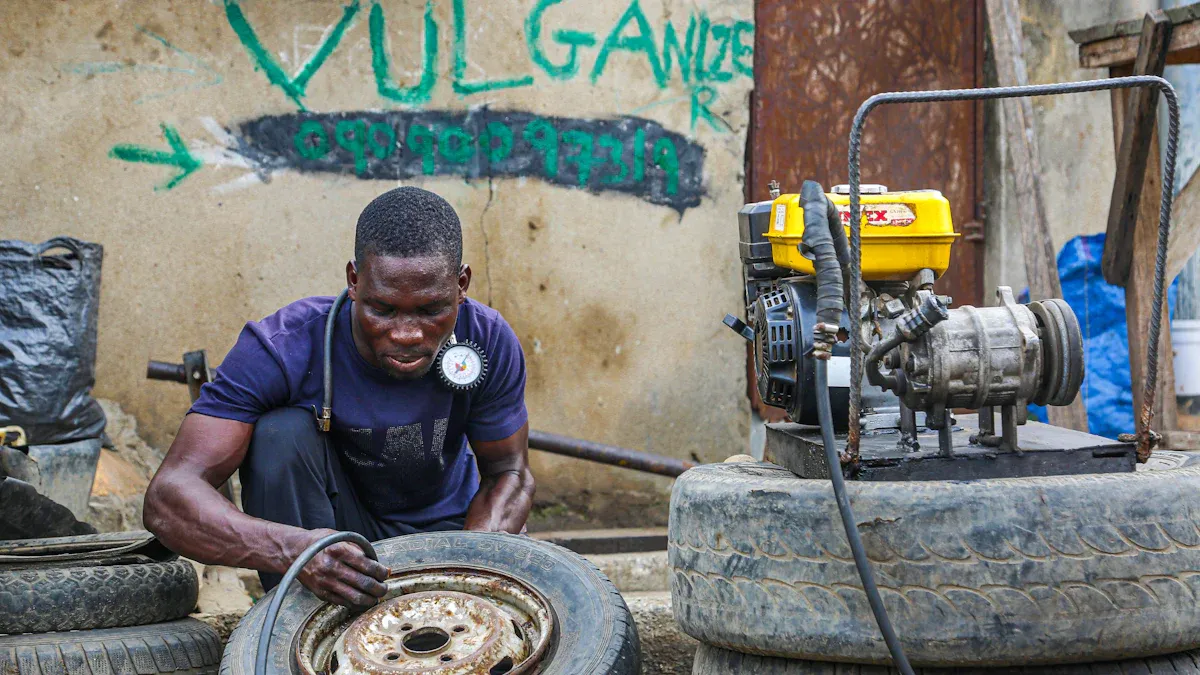
Importance of Proper Patch for a Tire Installation
You might feel tempted to fix a flat at home, but getting the patch right is not as simple as it looks. If you don’t install the patch correctly, you could face serious problems. Automotive safety experts warn that a poorly installed patch can cause air leaks, sudden blowouts, or even loss of control while driving. These risks can lead to accidents or injuries.
Here are some common mistakes people make during DIY repairs:
| Mistake | Consequence |
|---|---|
| Improperly patching or plugging a puncture | Slow leaks or blowouts if not applied correctly. |
| Ignoring tire pressure | Uneven wear, reduced fuel efficiency, and possible tire failure. |
| Skipping wheel alignment | Uneven wear or steering issues, leading to premature tire wear. |
| Using low-quality materials | Higher risk of tire failure due to weak patches. |
| Neglecting to check for additional damage | Catastrophic tire failure if hidden damage is present. |
You need special tools to seal the patch properly. Makeshift tools can damage the tire’s structure, and incorrect inflation affects handling. If you want a repair that lasts, you should trust a professional. They have the training and equipment to do the job right.
Professional technicians often complete a patch in 20 to 30 minutes, while DIY methods may only take 5 to 10 minutes. The extra time means a safer, more reliable fix.
Tip: If you want to learn how to patch tires like a pro, look for training programs such as the TIA Basic ATS Program or TECH Authorized Nailhole Repair Technician courses. These programs teach you the right techniques and offer certification.
When to Seek Professional Tire Repair Help
Sometimes, a DIY fix just isn’t enough. You should seek professional help if you notice any of these warning signs:
- Tire warning light stays on after you inflate the tire.
- Tread depth drops below 6/32-inch.
- Uneven wear patterns, like feathering or excessive center wear.
- Puncture is larger than 1/4 inch or located on the sidewall.
- Tire is older than six years or has been repaired multiple times.
Professional repairs are best for significant damage, such as sidewall tears or multiple punctures. DIY solutions work for small holes, but they are often temporary. A professional has the right tools and training to make sure your repair meets safety standards.
| Course Name | Duration | Certification Offered |
|---|---|---|
| TIA Basic ATS Program | 2 days | Basic ATS Certificate |
| TECH Authorized Nailhole Repair Technician | 2 days | Nailhole Repair Technician Certificate |
If you want peace of mind, let a professional handle your tire repair. You’ll drive safer and get more life out of your tires.
When you choose a patch for a tire, you get a solution that lasts. Take a look at how repairs stack up over time:
| Repair Type | Longevity (Years) | Notes |
|---|---|---|
| Plug | 7 to 10 | Temporary solution, influenced by driving conditions and maintenance |
| Patch | Longer than plug | Stronger and more permanent repair, fixes from inside |
| Factors | Varies | Size and location of puncture, driving habits, and maintenance practices affect longevity |
A tire patch gives you peace of mind and keeps your tire safe for years. You also help the planet when you repair instead of replace:
- You reduce waste and keep tires out of landfills.
- You save resources and lower your environmental footprint.
If you want reliable performance, choose a patch for a tire over quick fixes.
FAQ
What is the most common method for repairing a flat tire?
You usually see technicians use a patch or a tire plug. Patching is the most common method for repairing a flat tire because it seals the inside and keeps air from leaking. You get a strong fix that lasts for years.
Can you patch all punctured tires?
You can patch most punctured tires if the hole sits in the tread and measures less than 1/4 inch. If the damage is on the sidewall or near the edge, you need a new tire. Always ask a professional for advice.
Tip: Check your tire’s location and size of the puncture before choosing a repair.
What is the difference between patching and plugging?
Patching covers the inside of the tire and seals the damaged area. Plugging fills the hole from the outside. The difference between patching and plugging is that patches last longer and offer better safety. Plugs work best for emergencies.
| Method | Where Applied | Longevity | Safety |
|---|---|---|---|
| Patch | Inside | Years | High |
| Plug | Outside | Short-term | Low |
How do you decide when selecting between patching and plugging?
You should look at the size and location of the puncture. If the hole is small and in the tread, patching works best. Plugging is quick but temporary. When selecting between patching and plugging, always ask your technician for the safest choice.