
A patch plug tire repair offers the only permanent solution for a punctured tire. It is the industry-recommended method for a professional tire repair. This two-in-one solution seals the puncture from the inside out, a significant upgrade over a simple tire plug.
This process prevents air loss and stops moisture from destroying the tire’s internal steel belts. It is the superior choice for a long-lasting repair.
Choosing this repair restores your tire’s structural integrity and prioritizes your safety on the road.
What Makes a Patch Plug Tire Repair the Gold Standard?
A patch plug tire repair provides a complete and lasting solution because it addresses the puncture from the inside and the outside. This method is superior to a simple tire plug and is the only one trusted by safety experts for a permanent fix.
The Two-Part System for Complete Sealing
This advanced tire repair uses two components for a total seal. First, a rubber plug fills the puncture channel from the inside out. This plug creates a tight seal with the tire’s rubber. Second, a tire patch is bonded to the tire’s inner liner. This two-part system ensures no air can escape. It provides a secure and reliable solution for your damaged tire.
How It Prevents Future Tire Failure
A proper repair protects the internal structure of your tire. The plug component is essential because it seals the puncture path. This action blocks moisture from reaching the internal steel belts and causing rust. A simple tire plug alone is not a permanent solution. It can lead to slow leaks, changes in vehicle handling, and even an increased risk of a blowout.
Driving on a tire with only a plug is a gamble. Think of it as a “Band-Aid” when your tire needs a more robust repair to meet safety standards.
This comprehensive repair restores the tire’s integrity and gives you peace of mind on the road.
Why It’s the Only Method Approved by Tire Experts
Safety organizations and industry leaders agree on the best way to fix a punctured tire. The National Highway Traffic Safety Administration (NHTSA) officially endorses the combination plug and patch technique. Furthermore, the U.S. Tire Manufacturers Association (USTMA) mandates that a proper repair must include both a plug and a patch. These experts set strict standards, allowing repairs only on punctures smaller than 1/4 inch and only within the tire’s central tread area.
The Critical Safety Benefits of a Proper Tire Repair
Choosing the right tire repair method is a major decision for your safety. A proper repair does more than just stop a leak; it restores the tire’s strength and protects it from future failure. You get peace of mind knowing your tire is secure for the road ahead.
Creating a Permanent, Airtight Seal
A permanent seal is the foundation of a reliable tire repair. Unlike a temporary tire plug, which can work its way loose, a professional repair creates a permanent chemical bond. This process uses a special chemical vulcanizing cement. This is not just a simple glue. The cement contains accelerators that trigger a chemical reaction, permanently fusing the tire patch to the inner liner of your tire. This creates a complete, airtight seal that lasts for the life of the tire.
The vulcanization process transforms the rubber by creating a new, netlike molecular structure. This makes the repair area incredibly strong and durable.
| Type of Bond | Description | Impact on Rubber Properties |
|---|---|---|
| C-C | Covalent bonds between carbon atoms | Affects tensile strength and stability |
| C-S-C | Monosulfide bonds | Contributes to the cross-linking network |
| C-S-S-C | Disulfide bonds | Influences the structure of the network |
| C-Sn-C | Polysulfide bonds | Affects the overall cross-linking structure |
This chemical change ensures the repair is as strong as the original tire rubber, preventing any future air loss from the puncture site.
Protecting Against Internal Corrosion and Damage
A punctured tire has a hole that goes all the way through. This channel allows water, salt, and dirt to enter the tire’s internal structure. A simple patch on the inside does not solve this problem. Moisture will still seep into the puncture channel and attack the steel belts that give your tire its strength. Over time, this causes rust and corrosion, which can lead to a sudden and catastrophic tire failure.
The “plug” component of the repair is essential for preventing this.
- It completely fills and seals the puncture channel from the inside out.
- It creates a barrier that blocks moisture and debris.
- It protects the sensitive steel and fabric layers from damage.
This comprehensive seal is a key reason why this method is superior. It protects your tire from the inside, stopping hidden damage before it starts.
Restoring Your Tire’s Structural Integrity
Your tire must be strong yet flexible. It needs to absorb bumps and flex under the weight of your vehicle without failing. A quality patch plug tire repair restores this ability. The chemical bonding process ensures the repair moves and flexes just like the rest of the tire.
The science behind this involves a few key steps:
- A special adhesive fuses the patch to the tire on a molecular level.
- This chemical vulcanization creates strong cross-links between the patch and the tire rubber.
- This bond allows the patch to have enhanced flexibility, reducing stress points as the tire rolls.
- The repair essentially becomes a part of the tire, mimicking its original composition and strength.
Important Safety Note: While a proper repair restores the tire’s structural integrity for normal driving, it does void the original speed rating. You should not operate a repaired tire at the extreme high speeds associated with V, Z, or Y ratings. Always drive at normal highway speeds after a repair.
By restoring the tire’s ability to flex safely, this repair ensures a smooth, reliable ride and maintains your vehicle’s handling characteristics.
Is Your Punctured Tire a Candidate for Repair?
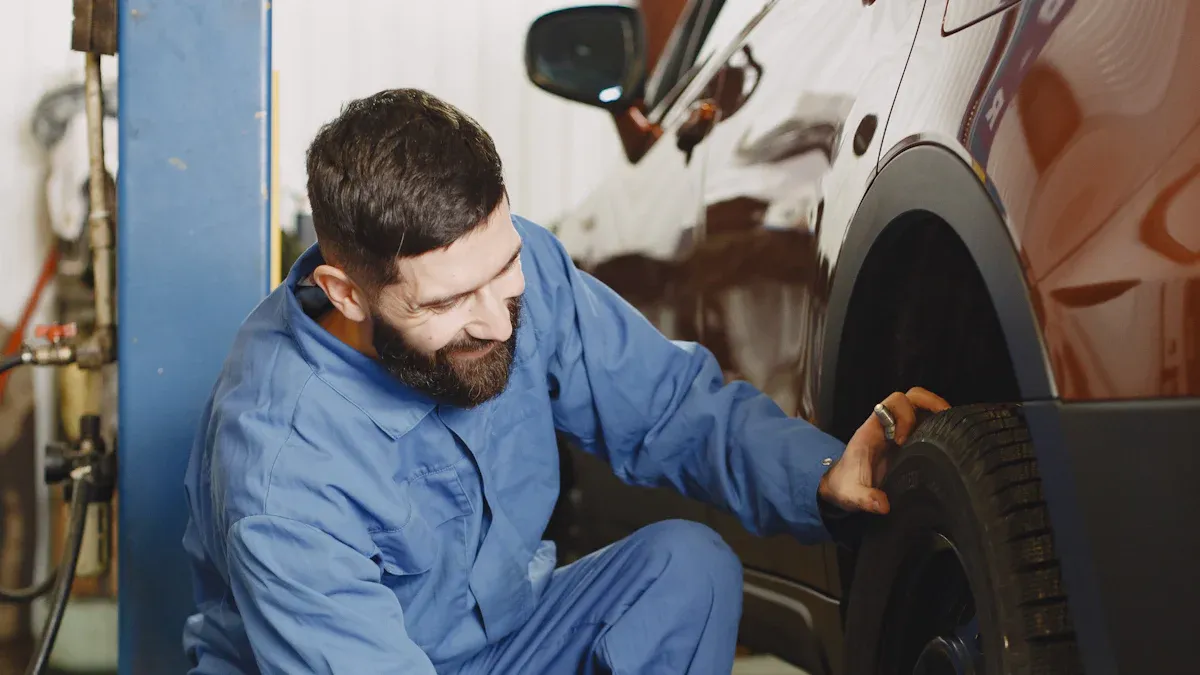
Not every puncture can be safely fixed. Before attempting any flat tire repair, you must determine if your tire is a suitable candidate. Specific industry guidelines exist to ensure a safe and lasting solution. Following these rules protects your safety on the road.
Identifying the Repairable Tread Zone
The location of the puncture is the first critical factor. A proper tire repair is only allowed within the central tread area of the tire. This is the part that makes the most contact with the road.
Punctures in the shoulder or sidewall of the tire are not repairable. These areas experience significant stress and flexing while you drive. A repair in these zones cannot hold, which could lead to a dangerous blowout.
Industry standards from organizations like the Tire Industry Association (TIA) strictly forbid repairs outside the central tread for this reason.
Understanding Puncture Size Limitations
The size of the hole also matters. A puncture must be caused by an object like a nail or screw, not a large cut or gash. The diameter of the injury sets a clear limit for a safe repair. Anything larger compromises the tire’s strength too much.
| Tire Type | Maximum Puncture Diameter |
|---|---|
| Passenger Car Tires | 1/4 inch (6mm) |
| Steel Belted Truck Tires | 3/8 inch (9.5mm) |
If the damage is larger than these limits, you must replace the tire.
The Non-Negotiable Step: Internal Inspection
You cannot judge a tire’s condition from the outside alone. A professional must demount the tire from the wheel for a complete internal inspection. This is the only way to spot hidden damage that makes a repair unsafe. Technicians look for:
- Cracks or separations in the inner liner.
- Damage from driving on the tire while it was flat.
- Signs of previous, faulty repairs.
Driving on a flat tire, even for a short distance, can crush the internal structure and permanently weaken the sidewalls. An internal check reveals this kind of irreversible damage, ensuring a dangerous tire is taken out of service.
The Professional Patch Plug Tire Repair Process Step-by-Step
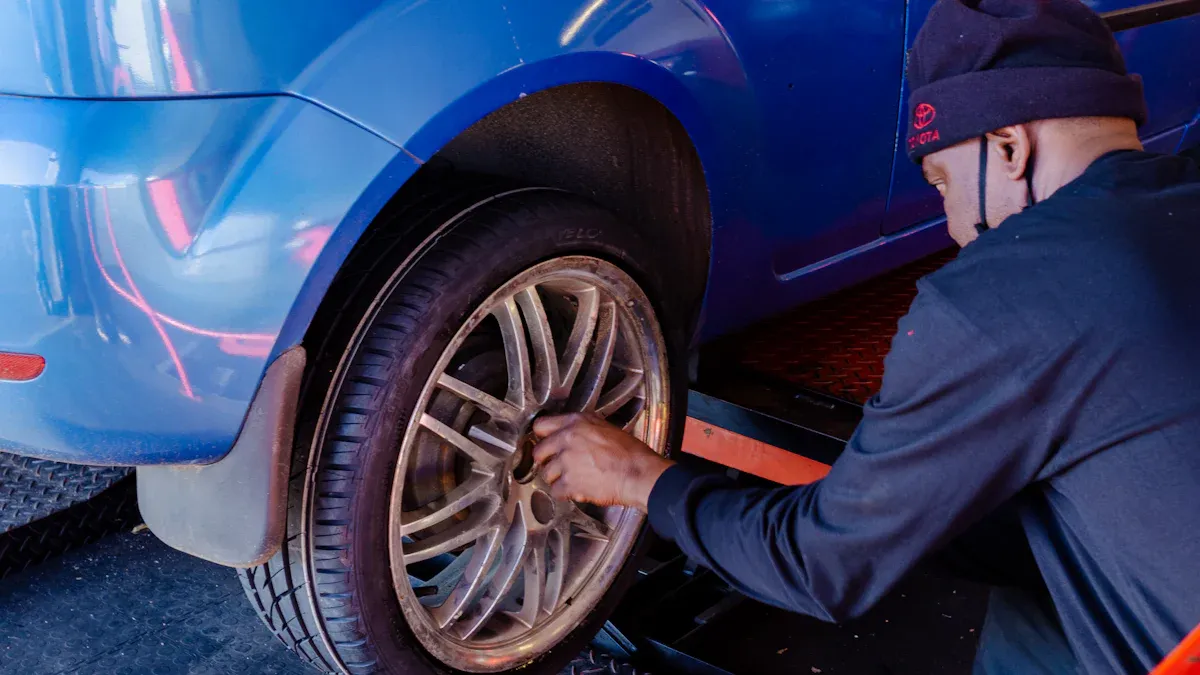
A professional patch plug tire repair follows a strict, multi-step process. This ensures your tire is safe and the repair is permanent. Each step, from inspection to finishing, plays a vital role in restoring your tire’s integrity.
Demounting the Tire for Full Inspection
First, a technician must remove the tire from the wheel. This step is essential for a complete internal inspection. Professionals use specialized tools to do this safely without damaging the tire or the rim. These tools include:
- Tire mounting and demounting tools
- Bead holders to keep the tire in place
- Manual bead breakers or slide hammer bead breakers
Proper lubrication is also critical. A technician applies a tire mounting compound to the bead of the tire. This helps it slide off the rim smoothly. This careful process allows for a thorough check of the tire’s inner liner for any hidden damage that would make a repair unsafe.
Preparing the Puncture Channel and Inner Liner
Once the tire is off the wheel, the technician prepares the puncture area. This involves two key actions: cleaning the puncture channel and buffing the inner liner.
A technician uses a rasp tool, often called a reamer, to clean the puncture hole. They push and pull the tool through the channel several times. This action removes debris and roughs up the rubber, preparing it for the tire plug.
Next, the technician prepares the area around the hole on the inside of the tire. They use a low-speed buffer to create a clean, textured surface. This ensures the tire patch will form a strong, permanent bond with the tire’s inner liner.
Applying a Quality Patch Plug, Like Those from SUNSOUL
With the area prepared, the technician applies the patch plug. High-quality products, like those from SUNSOUL, are crucial for a durable repair. These patches are made from high-quality natural rubber and feature reinforced construction, offering 20% more tear resistance than many competitors. They are designed to remain flexible in extreme temperatures.
The technician applies a special vulcanizing cement to the buffed area and the plug stem. Then, they pull the plug through the puncture channel from the inside until the patch sits flat against the inner liner. This creates a complete seal. The chemical cure process creates a bond that is 98% as strong as the original tire material, making the repair permanent and secure.
Sealing, Finishing, and Curing
After applying the patch plug, a technician ensures a perfect seal. They use a special tool to roll the patch firmly from the center outward. This action removes any trapped air bubbles and activates the chemical bond. The vulcanizing cement plays a specific role in this process.
| Application | Role of Vulcanizing Cement |
|---|---|
| Tire Patches | It acts as a vulcanizing agent. This starts a chemical reaction that permanently bonds the patch to the tire. |
| Tire Plugs | It mainly serves as a lubricant. This helps the plug slide into place easily. |
Next, the technician trims the excess plug stem so it is flush with the tire tread. The final step is curing. You must allow the repair to cure for about 10-15 minutes. This short wait ensures the patch bonds securely to the tire, creating a permanent, airtight seal.
Remounting and Balancing for a Smooth Ride
Once the repair is cured, the technician remounts the tire onto the wheel. The job is not finished yet. The final, critical step is balancing the tire. A patch adds a small amount of weight, which changes the tire’s balance. You cannot simply put the old wheel weight back in the same spot. A technician must re-balance the entire assembly.
Driving on an unbalanced tire is unsafe and can cause serious problems for your vehicle. You may experience several issues.
- Constant vibrations in your steering wheel, seats, or floorboards.
- Uneven tire wear, which shortens the life of your tire.
- Increased stress on your car’s suspension and wheel bearings.
- Higher fuel costs because your engine works harder.
A professional balances the tire on a high-speed machine. This ensures the weight is distributed evenly for a smooth, safe ride. This final step protects your investment and restores your vehicle’s performance.
Your tire deserves a complete solution, not a temporary fix like a tire plug. A professional patch plug tire repair offers the only permanent solution for a damaged tire.
This comprehensive tire repair protects your tire from internal damage. It ensures the long-term safety of your tire.
For any flat tire repair, always choose this method to keep your tire secure on the road.
FAQ
How long does a patch plug repair take?
A professional patch plug repair usually takes about 30 to 45 minutes. This includes the time needed to inspect, prepare, and balance the tire. The total time for this tire service ensures a safe and complete job.
Can I drive immediately after a tire repair?
You should wait about 10-15 minutes after the repair. This allows the patch to cure and bond securely to the tire. Following this short wait time after your tire service ensures the repair is permanent and safe for driving.
Is a patch plug repair expensive?
A patch plug repair is very affordable. It typically costs much less than buying a new tire. This tire service saves you money and restores your tire’s safety, making it a cost-effective choice for vehicle maintenance.
Why can’t you repair a run-flat tire?
You generally cannot repair run-flat tires. Driving on a flat run-flat tire can damage its special internal structure. This damage is often invisible, making a future repair unsafe. Most manufacturers advise against this type of tire service for run-flats.