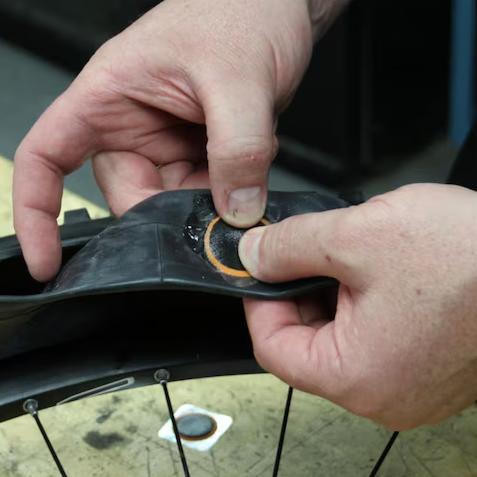


When you want to patch tubeless tires, forget those old tricks that never last. Modern plug and patch methods, like SUNSOUL’s tubeless tire repair kits, make the process safer and more reliable. You get higher success rates and fewer roadside problems because these kits use strong materials.
- Low-quality kits often fail fast and can lead to dangerous blowouts.
- SUNSOUL’s plug and patch solutions keep your tubeless tire sealed tight, even under pressure.
You can trust these tools to help your tubeless tyre stay on the road longer.
Common Myths About Patch Tubeless Tire Repair
Using Inner Tubes in Tubeless Tyres
You might hear people say you can fix a tubeless tyre by putting an inner tube inside. This old trick sounds easy, but it causes more problems than it solves. Tubeless tires are designed to run without tubes. If you add an inner tube, you risk pinching it or causing heat buildup. That can lead to another puncture or even a blowout. You lose the benefits of a tubeless system, like better air retention and smoother rides. Instead, you should patch tubeless tires with proper plugs and patches. SUNSOUL’s repair kits give you the right tools for the job.
Tip: Always use tubeless-specific repair methods. Inner tubes belong in tube-type tires, not tubeless ones.
Relying Only on Liquid Sealants for Large Punctures
Tire sealant works well for small holes. It seals tiny leaks and keeps you rolling. But if you get a large tubeless puncture, sealant alone will not fix it. Big holes need a strong patch or plug. If you rely only on sealant, you risk losing air fast and getting stranded. SUNSOUL’s tubeless repair kits include patches and plugs that seal large holes and keep your tire safe. You get peace of mind knowing your repair will last.
- Small holes: Sealant works.
- Large holes: Use a patch or plug.
Overinflating to Seal a Puncture
Some people think pumping up a tire with extra air will seal a puncture. This myth can damage your tubeless tire. Overinflating puts stress on the tire walls and can make the hole bigger. You might even cause the tire to burst. The right way is to find the puncture, clean the area, and use a proper patch or plug. SUNSOUL’s kits help you fix the problem without risking your safety.
Note: Never use overinflation as a fix. Always repair the puncture with the right tools.
Ignoring Professional Tubeless Tire Repair Kits
You might think you can fix a tubeless tire with whatever you have in your garage. Maybe you grab a random plug or try a homemade patch. That sounds quick, but it often leads to trouble. Professional tubeless tire repair kits, like those from SUNSOUL, give you everything you need for a safe and lasting repair.
Tip: Always choose a kit made for tubeless tires. You get the right tools, strong patches, and clear instructions.
Let’s look at what happens when you skip the professional kit:
- Weak Repairs: Homemade fixes often don’t seal the hole well. Air leaks out, and you end up stranded.
- Unsafe Materials: Not all patches or plugs can handle the pressure inside a tubeless tire. Some might peel off or break down.
- No Instructions: Without a guide, you might miss a step. That can make the repair fail fast.
SUNSOUL’s kits solve these problems. You get high-quality patches with strong vulcanizing gum. The patches stick tight and seal the hole for good. SUNSOUL makes over 2 million patches every month. People in more than 60 countries trust these products. That means you get proven results, not just a quick fix.
Here’s what you find in a SUNSOUL kit:
| Tool/Material | Why It Matters |
|---|---|
| Tubeless tire plugs | Seal punctures quickly |
| Strong patches | Handle high pressure and heat |
| Reaming tools | Clean and prep the hole |
| Vulcanizing gum | Bonds patch to tire for a tight seal |
| Clear instructions | Help you do the job right |
You don’t have to guess or hope your repair will last. With a professional kit, you fix your tire the right way the first time. That means more time on the road and less time worrying about flats. If you want peace of mind, always reach for a trusted tubeless tire repair kit.
Essential Tools and Materials for Tubeless Tire Repair
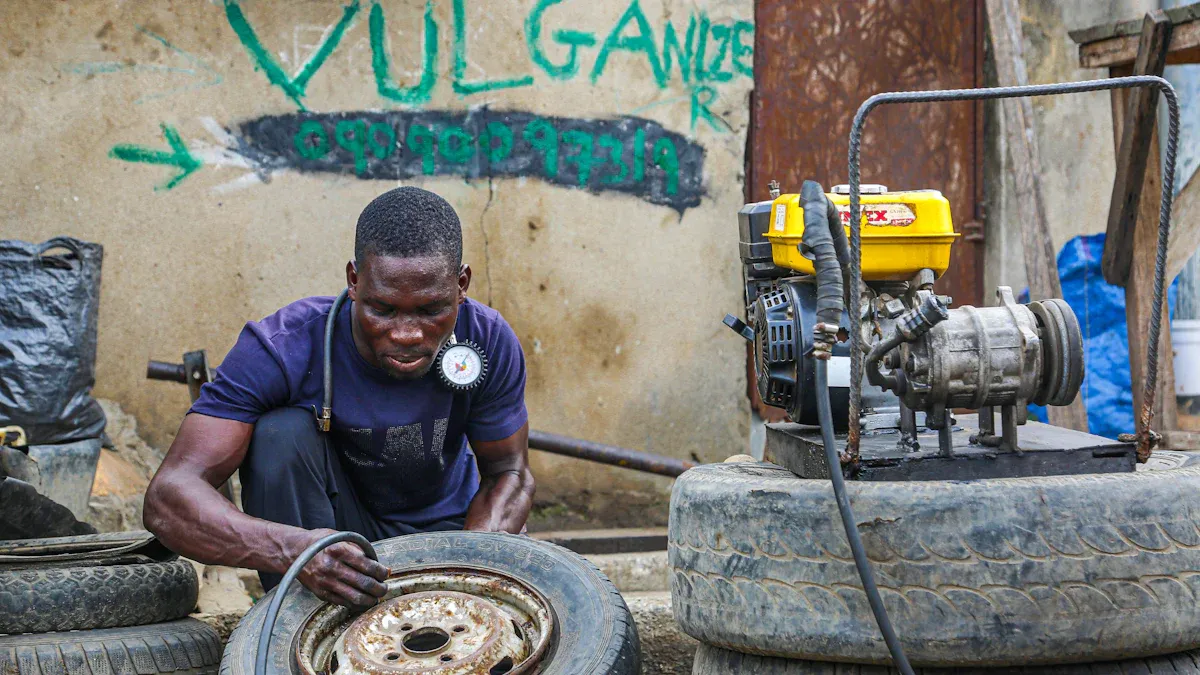
When you want to patch tubeless tires the right way, you need the best tools and materials. Using the right gear makes your repair last longer and keeps you safe on the road. Let’s look at what you should have in your tubeless tire repair kit.
SUNSOUL Tubeless Tire Repair Kit
You want a kit that covers every step of tubeless tire repair. SUNSOUL’s tubeless tire repair kit gives you everything you need for a quick and strong fix. The kit includes plugs, patches, reaming tools, and vulcanizing gum. You also get clear instructions, so you never feel lost. SUNSOUL designs these kits for all types of tubeless tire setups, from bikes to trucks. You can trust the quality because SUNSOUL supplies over 2 million patches every month to more than 60 countries.
Tip: Keep a SUNSOUL tire repair kit in your car or garage. You’ll be ready for any tubeless puncture.
High-Quality Tubeless Tire Plugs
Plugs are the heroes when you need to seal a puncture fast. SUNSOUL’s tubeless repair plugs use natural rubber and vulcanizing gum. This combo gives you a strong, leak-proof seal. The plugs fit snugly in the hole and stop air from escaping. You don’t have to worry about the plug slipping out or breaking down. These tire plugs work for most tubeless tire setups and handle high pressure with ease.
- Easy to insert
- Stays in place
- Works for cars, bikes, and trucks
Tubeless Tyre Patches
Sometimes a plug isn’t enough, especially for bigger holes. That’s when you need a patch. SUNSOUL’s tubeless tyre patches use thick natural rubber and strong adhesive. They stick tight and seal the area so no air leaks out. The patches come in different shapes and sizes, so you can fix any tubeless puncture. SUNSOUL’s patches are RoHS certified, which means they meet strict safety standards.
Here’s a quick look at what sets SUNSOUL apart:
| Feature | SUNSOUL Advantage |
|---|---|
| Patch Material | Natural rubber, vulcanizing gum |
| Adhesion | Strong, leak-proof |
| Safety | RoHS certified |
With these tools and materials, you can patch tubeless tires with confidence. You get a repair that lasts and keeps your tire rolling safely.
Reaming and Plug Insertion Tools
When you patch a tubeless tire, you need reaming and plug insertion tools. These tools help you clean the puncture and insert the plug with ease. SUNSOUL includes sturdy reaming tools in their kits. You use the reamer to widen and smooth the hole. This step makes sure the plug fits snugly and seals the leak.
Plug insertion tools look like a T-handle or needle. You push the plug into the hole using this tool. The grip feels comfortable, so you get good control. SUNSOUL designs these tools for all tire types—cars, bikes, trucks, and even agricultural vehicles.
Tip: Always ream the puncture before inserting the plug. This helps the plug bond better and keeps air from leaking out.
Here’s a quick checklist for using these tools:
- Find the puncture.
- Use the reaming tool to clean and shape the hole.
- Load the plug onto the insertion tool.
- Push the plug into the hole until only a small piece sticks out.
- Trim any excess plug.
You get a tight seal every time. SUNSOUL’s tools are built to last, so you can rely on them for many repairs.
Tire Pressure Gauge and Air Compressor
After you patch the tire, you need to check the air pressure. A tire pressure gauge helps you do this quickly. SUNSOUL recommends using a digital or analog gauge for accurate readings. You want your tire to have the right pressure for safety and performance.
An air compressor lets you refill the tire fast. You can use a portable compressor at home or a larger one in a shop. SUNSOUL’s kits work well with any standard compressor. Keeping your tire at the correct pressure helps prevent future flats and improves fuel efficiency.
| Tool | Why You Need It |
|---|---|
| Tire Pressure Gauge | Checks air level |
| Air Compressor | Refills tire quickly |
Note: Always check the pressure after a repair. Low pressure can damage your tire and make driving unsafe.
Cleaning Solution and Vulcanizing Gum
Before you patch the tire, you need to clean the area around the puncture. SUNSOUL’s cleaning solution removes dirt, oil, and debris. A clean surface helps the patch or plug stick better. You just wipe the area with the solution and let it dry.
Vulcanizing gum is the secret to a strong repair. SUNSOUL uses high-quality gum that bonds the patch to the tire. This gum creates a leak-proof seal and keeps the patch from peeling off. You get a repair that lasts through heat, pressure, and rough roads.
Pro Tip: Use enough cleaning solution and vulcanizing gum for every repair. This step makes your patch job strong and reliable.
With these tools and materials, you can fix tubeless tires like a pro. SUNSOUL gives you everything you need for safe, lasting repairs.
How to Patch a Punctured Tubeless Tyre: Step-by-Step Guide

You want to know how to patch tubeless tires the right way? Let’s walk through each step so you can repair a punctured tubeless tyre with confidence. This guide helps you avoid common mistakes and gives you the best chance for a safe, lasting fix.
Locating the Puncture
First, you need to find the spot where your tubeless tyre is losing air. Park your car in a safe, well-lit area. Look for any nails, screws, or sharp objects stuck in the tread. Sometimes you see a hissing sound or a small bubble if you spray soapy water on the tire. If you spot a nail or piece of glass, don’t pull it out just yet.
Tip: Always check for extra sharp objects inside the tire before you start. You don’t want to miss anything that could cause more damage.
Here’s a quick way to locate the puncture:
- Roll the tire slowly and look for anything unusual.
- Spray soapy water on the tread and sidewall. Watch for bubbles.
- Mark the spot with chalk or tape so you don’t lose track.
If you’re not sure where the leak is, listen for air escaping. Sometimes you feel a soft spot or see a wet patch if the tire has been sitting for a while.
Preparing the Area for Repair
Now you know where the puncture is. You need to get the area ready for patch tubeless repair. Start by removing the nail or sharp object with pliers. Be careful not to make the hole bigger. Next, grab your rasp or reaming tool from your tubeless tire repair kit.
Smooth the hole by pushing the rasp in and out a few times. This cleans out debris and roughs up the rubber so the plug will stick better. You want the hole to be just big enough for the tire plugs, but not too wide.
Note: Don’t skip this step. If you don’t clean and shape the hole, the plug might not seal well.
Here’s what you do:
- Remove the nail or object.
- Insert the rasp tool and twist to smooth the hole.
- Wipe away any loose rubber or dirt.
- Make sure the area is dry before you move on.
Environmental factors matter here. If it’s cold, the sealant or vulcanizing gum may thicken and not spread well. If it’s hot, the gum can dry out fast. Try to work in moderate conditions or act quickly if you’re outside.
Applying a Tubeless Plug
You’re ready to fix the hole in your tubeless tyre. Take a rubber strip (plug) and thread it through the eye of the insertion tool. Push the tool with the plug into the hole until only a small piece sticks out. Pull the tool out, leaving the plug inside the tire.
Cut off any extra plug sticking out with a knife or scissors. This keeps the repair neat and prevents the plug from catching on the road. Now, inflate the tire using your air compressor. Check the pressure with a tire gauge to make sure it matches your tubeless tire setup.
🚗 Quick Tip: Plug repairs are great for emergencies. They help you reach a service center for a permanent fix. Don’t rely on plugs for long-term use if the puncture is large or near the sidewall.
Here’s the industry-standard procedure for how to repair a punctured tubeless tyre:
- Park in a safe spot.
- Locate the puncture.
- Remove the nail or sharp object.
- Smooth the hole with a rasp tool.
- Insert the rubber strip into the insertion tool.
- Push the tool with the plug into the hole, then pull it out.
- Cut off the extra plug.
- Inflate the tire and check for leaks.
Most tubeless tire repair jobs take about 15 to 30 minutes. The time depends on how easy it is to reach the puncture and how big the hole is. Always check for leaks after you finish. Spray soapy water on the repair and look for bubbles. If you see any, repeat the process or seek professional help.
Common mistakes can ruin your repair. Don’t use the wrong rim tape, forget to add sealant, or skip checking for leaks. Always use high-quality tire plugs and follow each step closely.
If you want to learn more about how to fix a hole in a tubeless tyre or get certified, look for training programs like TECH University or TIA’s Automotive Tire Service courses. These programs teach you everything about tubeless tire repair and patch tubeless methods.
You now know how to patch a punctured tubeless tyre and repair a punctured tyre safely. With the right tools and steps, you keep your tubeless tire rolling strong.
Using a Tubeless Patch for Larger Holes
Sometimes you find a puncture that’s just too big for a plug. Maybe you see a gash or a hole that looks wider than a pencil. In these cases, you need a tubeless patch. Plugs work for small, round holes, but patches handle the tough jobs. SUNSOUL’s tubeless tire patches give you a strong, airtight seal, even when the damage looks serious.
Here’s how you can patch a larger hole in your tubeless tire:
-
Clean the Area
Start by scrubbing the inside of the tire around the puncture. Use SUNSOUL’s cleaning solution to wipe away dirt, oil, and debris. A clean surface helps the patch stick better. -
Buff the Surface
Take a buffing tool or sandpaper and rough up the area around the hole. You want the rubber to feel a little gritty. This step helps the vulcanizing gum bond with the tire. -
Apply Vulcanizing Gum
Spread a thin, even layer of SUNSOUL’s vulcanizing gum over the buffed area. Let it dry until it feels tacky. This gum acts like super glue for your patch. -
Place the Patch
Peel the backing off the SUNSOUL patch. Press it firmly over the hole. Make sure the patch covers the entire damaged area. Use a roller or your thumb to push out any air bubbles. -
Seal the Edges
Rub the edges of the patch with extra vulcanizing gum. This step keeps water and dirt from sneaking under the patch.
🛠️ Pro Tip: SUNSOUL patches come in different shapes and sizes. Pick a round patch for small holes and an oval or larger patch for bigger cuts. The thick rubber and strong adhesive keep your tire sealed, even on rough roads.
Here’s a quick table to help you choose the right patch:
| Hole Size | Recommended Patch Type |
|---|---|
| Small (nail size) | Plug or small round patch |
| Medium (screw) | Medium round patch |
| Large (gash) | Large oval or specialty |
You don’t need to worry about the patch peeling off. SUNSOUL’s patches use thick rubber and strong glue. They stay put, even when your tire heats up or flexes on bumpy roads. With the right patch, you can keep driving safely and avoid buying a new tire.
Re-inflating and Checking for Leaks
Now you’ve patched the hole. It’s time to get your tire back to the right pressure. Grab your air compressor and tire pressure gauge. These tools help you finish the job and make sure your repair holds.
Follow these steps to re-inflate and check your tire:
-
Inflate the Tire
Attach the air compressor to the valve stem. Fill the tire slowly. Watch the pressure gauge as you go. Stop when you reach the recommended PSI for your vehicle. You can find this number on the tire sidewall or inside your car door. -
Check for Leaks
Mix a little dish soap with water. Pour or spray it over the patched area. Look for bubbles. If you see bubbles, air is escaping. That means you need to press the patch down again or add more vulcanizing gum. -
Double-Check the Pressure
Use your tire pressure gauge to make sure the tire is at the right PSI. If it’s low, add more air. If it’s too high, let some air out. -
Inspect the Repair
Look at the patch from inside and outside the tire. Make sure it sits flat and covers the hole completely. If you see any gaps or loose edges, fix them before you drive.
🚗 Safety Alert: Never skip the leak check. Even a tiny leak can cause a flat tire later. Always make sure your patch holds strong before you hit the road.
Quick Checklist:
- Inflate to correct PSI
- Check for bubbles with soapy water
- Confirm patch is flat and sealed
- Re-check tire pressure after a short drive
With these steps, you can trust your tubeless tire repair. SUNSOUL’s patches and tools make the process easy and reliable. You get back on the road with confidence, knowing your tire is safe and sealed.
Tips for a Lasting Tubeless Tire Repair
Use SUNSOUL Quality Materials
You want your tubeless tire repair to last, right? Start with high-quality materials. SUNSOUL products give you strong adhesion and durable plugs. These materials help your repair stand up to rough roads and daily driving. When you use a SUNSOUL tubeless tire repair kit, you get patches and plugs that seal tightly and stay put. You don’t have to worry about leaks or weak spots. Professional repair shops trust SUNSOUL because their tire plugs and patches work for all types of tubeless tyres. Repairs made with these materials can handle heat, pressure, and bumps.
Tip: Always choose a trusted tire repair kit. Quality materials make a big difference in how long your tubeless repair lasts.
- Strong adhesion keeps patches secure.
- Durable plugs seal punctures effectively.
- Repairs last longer and keep you safe.
Clean and Dry the Repair Area
Before you patch a tubeless tire, clean the area around the puncture. Dirt, oil, or moisture can stop the plug or patch from sticking. Use a cleaning solution to wipe away debris. Let the area dry completely. If you skip this step, your repair might fail. Tire manufacturers recommend checking for sharp objects inside the tire before sealing. You want a smooth, dry surface so your plug bonds well.
Here’s a simple checklist:
- Remove any sharp objects from the tire.
- Wipe the area with cleaning solution.
- Make sure the surface is dry before applying the plug or patch.
🧼 Note: A clean and dry repair area helps your tubeless tire repair last longer.
Insert Plugs and Patches Properly
Getting the plug or patch in the right spot is key. If you rush, you might miss the hole or leave gaps. Use the tools from your tubeless tire repair kit to insert the plug straight into the puncture. Push it in until only a small piece sticks out. Trim any extra plug so it doesn’t catch on the road. For bigger holes, use a patch. Press it down firmly and seal the edges with vulcanizing gum.
Professional repair shops look at the damage before choosing a plug or patch. Plugs work for small punctures. Patches are better for larger or odd-shaped holes. After you finish, check for leaks and monitor the repaired area regularly.
🚗 Pro Tip: Always follow the instructions in your tire repair kit. Proper technique means your tubeless tyre stays sealed and safe.
| Step | What to Do |
|---|---|
| Insert plug | Push into puncture, trim excess |
| Apply patch | Press firmly, seal edges |
| Check for leaks | Use soapy water, inspect area |
You get a lasting tubeless repair when you use quality materials, clean the area, and insert plugs and patches the right way.
Double-Check for Air Leaks
You just finished patching your tubeless tire. Now, you need to make sure your repair really worked. Even a tiny air leak can cause problems later. You do not want to find out about a slow leak when you are far from home.
Here is a simple way to double-check for air leaks:
-
Mix Soapy Water
Pour a little dish soap into a cup of water. Stir it up until you see bubbles. -
Apply the Solution
Use a sponge or spray bottle to put the soapy water on the patched area. Make sure you cover the whole repair spot. -
Watch for Bubbles
Look closely. If you see bubbles forming, air is escaping. That means you still have a leak. -
Fix Any Leaks
If you spot bubbles, press down on the patch or add more vulcanizing gum. Repeat the test until no bubbles appear.
🛑 Alert: Never skip this step. A small leak can turn into a flat tire fast. Always check your work before you drive away.
You can also check the valve and the rim for leaks. Sometimes air escapes from places you do not expect. Take your time and be thorough. This extra check keeps you safe and saves you from future headaches.
Monitor Tire Pressure Regularly
You fixed your tire and checked for leaks. Now, you need to keep an eye on your tire pressure. Tires lose air over time, even after a good repair. Low pressure can make your car harder to control and wear out your tires faster.
Here is how you can stay on top of tire pressure:
-
Use a Tire Pressure Gauge
Check your tire pressure at least once a month. You can find the right PSI for your tire on the sidewall or inside your car door. -
Look for Changes
If you notice your tire looks low or your car feels different, check the pressure right away. -
Keep a Log
Write down your tire pressure readings. This helps you spot slow leaks early.
| Check Frequency | What To Do | Why It Matters |
|---|---|---|
| Weekly | Quick visual check | Spot obvious problems fast |
| Monthly | Use a pressure gauge | Catch slow leaks early |
| After repair | Check before every drive | Ensure repair is holding |
🚗 Tip: Always check your tires before long trips. Good pressure means better safety and fuel savings.
By double-checking for leaks and watching your tire pressure, you make sure your tubeless tire repair lasts. You also keep yourself and your passengers safe on every drive.
When to Replace a Tubeless Tyre Instead of Patch Tubeless
Sometimes, you just can’t fix a tubeless tyre with a patch or plug. Knowing when to replace your tire keeps you safe and saves you trouble down the road. Let’s look at the signs that tell you it’s time for a new tire instead of another tubeless tire repair.
Large or Irregular Punctures
If you spot a big hole or a strange-shaped cut in your tire, a simple patch won’t do the trick. Plugs and patches work best for small, round holes. When you see a large or jagged puncture, the tire may not hold air, even after repair. You risk a sudden blowout if you try to fix it. Tire manufacturers say you should never repair a tire if you see damage like this:
| Criteria for Irreparable Damage in Tubeless Tires |
|---|
| Bead wire visible |
| Steel belts separated or visible |
| Sidewall worn out due to run flat |
| Obvious signs of under-inflation or run flat |
| Inner liner showing cracks due to run flat |
| Presence of powder indicating inner liner damage |
If your tire matches any of these signs, it’s time to replace it. Don’t risk your safety with a weak repair.
Sidewall or Structural Damage
You should always check the sidewall of your tubeless tire. If you see a cut, bulge, or deep scrape, don’t try to patch it. The sidewall flexes a lot when you drive. A patch won’t stay put here. Structural damage, like a broken bead or visible steel belts, means the tire can’t handle pressure. You might notice the tire feels soft or wobbly. That’s a sign the inside is damaged. Replace the tire right away to avoid a dangerous blowout.
Multiple Punctures Close Together
If you find more than one puncture close to each other, patching won’t help for long. The area becomes weak, and the tire could fail. You want your tubeless tire to stay strong, especially at high speeds. When you see several holes in the same spot, get a new tire. It’s safer and gives you peace of mind.
🌱 Choosing to repair a tubeless tire when possible helps the environment. Using longer-lasting sealants and fewer replacements means less waste and less pollution from tire production. But if the damage is too much, replacing the tire is the safest choice for you and your passengers.
Remember, your safety comes first. If you’re unsure, ask a professional to check your tire. Sometimes, replacing is the best option for a smooth and safe ride.
Excessive Wear or Aging
You might think you can patch any tubeless tire, but sometimes, the tire is just too old or worn out. Tires do not last forever. Over time, the rubber gets hard, cracks, or loses its grip. If you see these signs, it is time to replace the tire, not patch it.
How can you spot excessive wear or aging?
Look for these warning signs:
- Tread depth is less than 2/32 of an inch (about 1.6 mm). You can use a penny. Put Lincoln’s head into the tread. If you see all of his head, your tread is too low.
- Cracks in the sidewall or between the treads. These cracks mean the rubber is drying out.
- Bulges or blisters on the tire surface. These weak spots can burst without warning.
- Uneven tread wear. This can happen if your wheels are not aligned or if you drive with low tire pressure.
- The tire is more than six years old. Most tire makers say you should replace tires after six years, even if they look okay.
Tip: Check the DOT code on your tire’s sidewall. The last four numbers show the week and year the tire was made. For example, “2318” means the tire was made in the 23rd week of 2018.
If you try to patch a tire with these problems, the repair will not last. The tire could fail at any time. You risk a blowout, poor handling, or even an accident. New tires give you better grip, safer rides, and peace of mind.
Remember:
- Old or worn tires cannot hold a patch well.
- Safety always comes first.
- When in doubt, replace the tire.
Stay safe and check your tires often. Your car—and your family—will thank you.
You can patch tubeless tires with confidence when you use modern plug and patch methods. SUNSOUL’s tubeless tire repair kit gives you everything you need for a safe fix. Compared to old ways, today’s tubeless repairs last longer and work better. Check out this quick table showing how plug and patch methods stack up:
| Method | Longevity | Safety |
|---|---|---|
| Plug | Up to 10 years | Best for small holes |
| Patch | Tire’s lifetime | Great for larger punctures |
With the right tools and knowledge, you keep your tubeless tyre rolling strong. Forget outdated myths—trust proven techniques for reliable tubeless tire repair.
FAQ
How long does a tubeless tire patch last?
A quality patch, like those from SUNSOUL, can last for the life of your tire. If you install it correctly and check for leaks, you can drive with confidence for thousands of miles.
Can I drive immediately after patching a tubeless tire?
Yes, you can drive right after patching. Just make sure you check the air pressure and confirm there are no leaks. SUNSOUL’s vulcanizing gum seals fast, so you get back on the road quickly.
What size puncture can I repair with a plug or patch?
You can fix small holes, like those from nails or screws, with a plug. For larger holes or gashes, use a patch. If the hole is bigger than a pencil or near the sidewall, replace the tire.
Do I need special tools to patch a tubeless tire?
Yes, you need a proper repair kit. SUNSOUL kits include plugs, patches, reaming tools, and vulcanizing gum. These tools help you make a safe, lasting repair. Don’t try to fix a tubeless tire with random household items.
How do I know if my repair worked?
Spray soapy water on the repaired area and watch for bubbles. No bubbles mean no leaks. You can also check the tire pressure after a short drive. If it stays steady, your repair is solid.