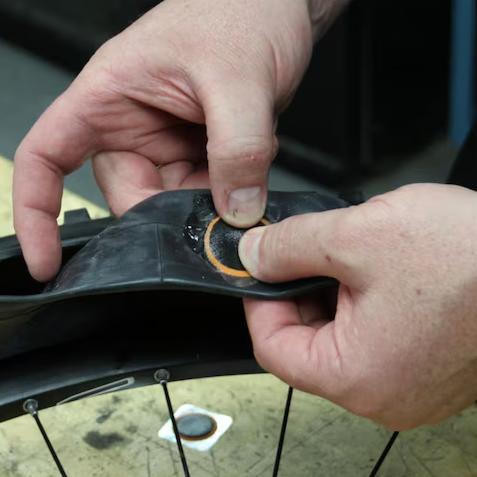


Most drivers have to fix their tires after a puncture. Small holes in the tread need a tire plug. Bigger or odd-shaped damage needs a radial patch. The SUNSOUL radial tire patch is a good choice. It gives a strong seal and works for heavy duty tire patch jobs. Safety and durability are very important for any repair. Picking the right way helps every trip stay safe and saves money.
Key Takeaways
Choose a tire plug for quick fixes on small holes. It saves time and allows you to get back on the road fast.
Opt for a radial patch for bigger or odd-shaped holes. It provides a stronger, longer-lasting repair that enhances safety.
Always check the size and location of the puncture before deciding on a repair method. This ensures you choose the safest option.
Consider the long-term value of repairs. Radial patches may cost more upfront but save money over time by reducing the need for repeat repairs.
For high-speed driving, radial patches are recommended. They create a tight seal that keeps tires safe and stable.
Comprehensive Overview of Tire Repair Methods
What is Radial Tire Patch?
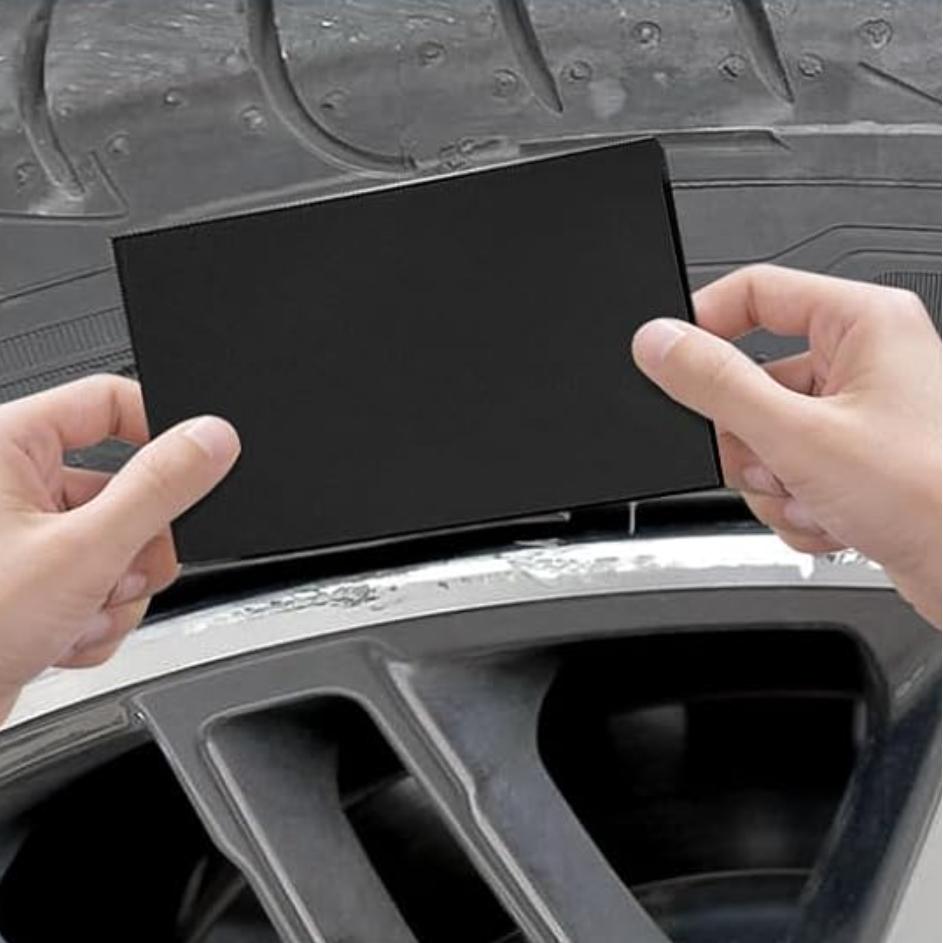
A radial patch is a tough, bendy piece of rubber. It is made to fix holes in radial tires. Mechanics put the patch inside the tire. They must take the tire off the rim first. This way, the patch covers the hole tightly. It is a good choice for repairs that need to last a long time. The SUNSOUL radial patch is special because it uses strong rubber. Its round shape helps it last longer. Many people around the world trust this patch. The SUNSOUL tire repair kit has all the tools you need. It helps both car owners and mechanics fix most tire problems.
Note: Radial patches are best for bigger holes or strange-shaped holes in the tread. They do not work for sidewall damage.
What is Tire Plug?
A tire plug is a fast way to fix small holes. It is helpful when you need to drive again quickly. The plug is made of leather with rubber on it. It fills the hole from the outside of the tire. You do not have to take the tire off the wheel. This saves time. Tire plugs are good for quick fixes or if you will get a new tire soon. But they are not good for big holes, sidewall damage, or holes close to old repairs.
Here is a table that shows the main types of tire repair:
Method | Description | Limitations |
|---|---|---|
Tire Plugs | A piece of leather with rubber that fills small holes. | Not good for big or odd holes, sidewalls, or near other repairs. |
Tire Patches | A flat rubber piece stuck inside the tire. | Does not work on sidewalls or holes bigger than a quarter inch. |
Tire Plug-Patch Combination | Uses both a patch and a plug for a stronger fix. | Cannot be used on sidewalls or holes bigger than a quarter inch. |
Both radial patches and tire plugs are useful for fixing tires. Tire plugs are fast and easy for small problems. Radial patches are safer and last longer for bigger tire damage.
Key Facts About Tire Plug Repairs
Advantages of Using a Tire Plug for Quick Repairs
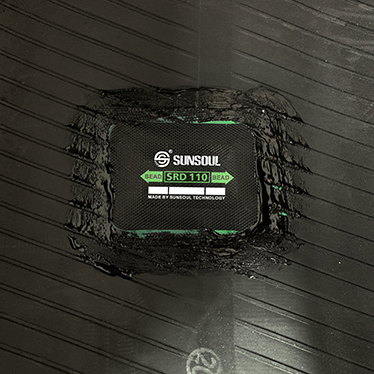
A tire plug offers a fast and simple solution for drivers who need to get back on the road after a flat tire. Many people choose this method because it does not require removing the tire from the wheel. This makes it a popular choice for roadside emergencies or when time is short.
A properly installed tire plug can last for years if the puncture is small and located in the center of the tread.
Drivers and mechanics have reported that a tire plug can hold air for the life of the tire, especially when the repair is done correctly.
Under normal driving conditions, a well-done tire plug repair can last between 7 to 10 years or up to 25,000 miles.
Most tire repair kits include tire plugs, making them easy to use for quick fixes.
Tip: Always check the location and size of the puncture before using a tire plug. This method works best for small holes in the tread, not for sidewall damage.
Common Risks and Limitations of Tire Plug Methods
While a tire plug can fix a flat tire quickly, it does not always provide a complete or permanent repair. Some risks come with using this method, especially if the repair is not done properly or if the puncture is in a risky spot.
A tire plug may not stop all air leaks, especially if the hole is large or oddly shaped. Moisture can enter the tire through the repaired area, which may cause rust inside the wheel. Experts warn that using a tire plug in the wrong situation can lead to tire failure or even accidents. For long-term safety, drivers should consider the type of damage and the repair method carefully.
What You Need to Know About Radial Patch Repairs
Advantages of Using a Radial Tire Patch
A radial patch is a good way to fix a flat tire. Many people pick this method because it has many benefits. The patch makes a tight seal inside the tire. This stops air from leaking out and keeps the tire safe for a long time. A radial patch is not just a quick fix. It gives a repair that lasts much longer.
The table below shows why a radial patch is better than other ways:
Advantage | Description |
|---|---|
Stronger Repairs | Patches give a tough and lasting repair, especially for bigger holes or when used with plugs. |
Long-term Solution | If done right, patching can make your tire last longer and is seen as a more lasting fix. |
Full Coverage | The patch can cover more damage and works for many types of holes. |
A tire patch like the SUNSOUL radial patch helps drivers avoid fixing tires again and again. It also helps you drive safely, even when going fast. Many experts say this is the best way if you want a fix that you can trust.
Tip: Using a radial patch can help you save money. It makes your tire last longer and means you do not have to buy a new one soon.
Ideal Situations for Choosing a Radial Patch Repair
Not every tire problem needs the same repair. Tire makers say a radial patch is best in some cases. This way works best when the damage fits certain rules. Here are times when a radial patch is the right choice:
Passenger tires with speed ratings like H, V, W, Y, or Z, if the hole is in the crown and not bigger than 6mm.
Only one hole per tire is allowed to keep the speed rating.
Run flat tires can have more than one nail hole fixed, if the holes do not touch or are not on the same cord.
Performance tires can be fixed past the shoulder, but the speed rating will go down below H.
A tire patch works well for bigger or weird-shaped holes in the tread. It does not work for sidewall damage or holes too close to old repairs. Drivers who want their tire to stay safe and work well should use a radial patch when these things are true.
Step-by-Step Process of Applying a Radial Patch
Putting on a radial patch needs the right tools and careful steps. Mechanics and people who fix their own tires can follow these steps for a good repair:
Take the tire off the wheel to get to the inside.
Find and mark where the hole is.
Clean the spot with a pre-buff cleaner, like Bufsol Pre-Buff Cleaner, to get rid of dirt and oil.
Buff the area around the hole to make it rough so the patch sticks better.
Put on chemical vulcanizing fluid, like Bestpatch Chemical Vulcanizing Fluid, to the rough spot.
Put the radial tire patch over the hole and press it down hard to make it stick.
Use cushion gum or rope rubber if you need extra strength.
Let the patch dry as the product says.
Put the tire back on the wheel and fill it with air to the right pressure.
Check for leaks and make sure the repair is holding air.
Note: Doing each step the right way helps the patch last and keeps the tire safe to use later.
A radial patch is a strong fix for many kinds of tire damage. If you put it on the right way, it can make the tire strong again. This helps drivers avoid getting stuck with a flat tire later.
Safety and Reliability of Both Repair Options
Radial Patch Safety Performance in High-Speed Driving
Radial patches keep tires safe when cars go fast. Many experts say to use this method for bigger holes. The patch makes a tight seal inside the tire. This seal stops air from leaking out. It also keeps the tire steady, even at high speeds. Radial patches cover more space than tire plugs. This means they are less likely to come off or stretch.
The National Highway Traffic Safety Administration (NHTSA) says, “The only safe way to fix a tire hole is to use both a plug and a patch. This is very important for keeping drivers safe. Bad repairs can cause serious crashes.”
Every year, over 11,000 tire-related crashes happen in the United States. More than 600 people die in these accidents. Radial patches help lower these numbers by making strong repairs. They work well for tires with high speed ratings like H, V, W, Y, or Z. Drivers who use radial patches can trust their tires on highways.
The table below shows how long tire patches and plugs last and their limits:
Repair Method | Durability | Limitations |
|---|---|---|
Tire Patch | More durable than tire plugs | Does not address internal damage; may fail under high speeds |
Tire Plug | Less durable than patches | Not a satisfactory repair; moisture ingress risk |
Radial patches last longer than tire plugs, especially when driving fast.
Both ways have problems with hidden tire damage and water getting in, which can cause problems.
It is important to check inside the tire carefully. Mechanics look for hidden damage from low or high air pressure. This step helps make sure the tire is safe after fixing it.
Tire Plug Safety Concerns in Long-Distance Trips
Tire plugs are a quick way to fix small holes. Many drivers use them to get moving again fast. But tire plugs do not fix deeper problems inside the tire. Over time, small holes can get bigger. This can make the tire lose air and might cause a blowout, especially on long trips or at high speeds.
Tire plugs can help in emergencies, but they may not seal the inside of the tire fully. Slow air leaks can start, which makes driving unsafe. Tires can also wear unevenly, which changes how the car drives. Carrying heavy loads or driving fast puts more stress on tires. This makes sudden tire failures more likely.
Safety Concern | Explanation |
|---|---|
Slow air leaks | Plugs alone cannot seal the inner liner, leading to potential air loss that compromises tire integrity. |
Uneven tire wear | Patches may leave the outer puncture hole exposed, causing uneven wear and affecting handling. |
Sudden tire failures | High stress from heavy loads and highway speeds increases the risk of tire blowouts. |
Increased vulnerability to punctures | The exposed area from a patch can lead to further damage at the same spot. |
Costly emergency repairs | Sudden failures can result in unexpected downtime and expensive repairs. |
Slow air leaks can make highways dangerous.
Uneven tire wear changes how the car handles.
Sudden tire failures are more likely when tires are under stress.
The damaged spot can get more holes.
Emergency repairs can cost a lot if the tire fails suddenly.
“The biggest safe hole to fix is ¼ inch (6 mm). If the hole is bigger, you need a new tire. Always check the tire with water or soap to find the leak before taking it off. This helps make sure the repair is done right.”
Drivers should think hard before using a tire plug for long trips. Radial patches or using both a patch and plug are safer and last longer. Picking the right way to fix a tire helps stop accidents and keeps everyone safe.
Comparing Tire Repair Costs and Value Over Time
Choosing between a tire plug and a radial patch often comes down to more than just the initial repair. Drivers want to know which method saves money and keeps their tires safe for longer. Both options have their place, but they offer different value over time.
A tire plug usually costs less up front. Many drivers like this method because it is quick and easy. Mechanics can fix a small hole without removing the tire from the rim. This saves time and gets the car back on the road fast. However, plugs may not last as long, especially if the tire faces heavy use or high speeds. Some drivers find that plugs need to be replaced more often, which can add to the total cost over time.
Radial patches, like the SUNSOUL radial patch, require more work to install. The technician must remove the tire, clean the area, and apply the patch from inside. This process takes more skill and time. The result is a stronger, longer-lasting repair. Many users report that a radial patch keeps the tire sealed and safe for years, even after other methods have failed.
A radial patch forms a tight seal inside the tire. This helps prevent air and moisture from getting in, which protects the tire’s structure and extends its life.
Maintenance costs also differ between the two methods. Tires repaired with a patch often need less attention in the future. Plugs may require more frequent checks or even repeat repairs.
Aspect | Tire Patch Repair | Tire Plug Repair |
|---|---|---|
Durability | Permanent if done right; lasts longer | Temporary; shorter lifespan |
Maintenance | Lower long-term costs | May need more repairs |
Drivers who want a repair that lasts and keeps their tires safe often choose a radial patch. While the initial effort is greater, the long-term value makes it a smart investment for many people.
Picking how to fix your tire depends on the kind of damage and how you drive. Radial patches, like the SUNSOUL radial patch, go inside the tire and last a long time. They are best for repairs that need to stay strong and for driving fast. Tire plugs are good if you need a quick fix that will not last forever.
Tire patches make the tire stronger and last longer.
Plugs are good for fixing small holes fast.
Repair Method | Best Use Case |
|---|---|
Radial Patch | Permanent, safe repair |
Tire Plug | Quick, temporary solution |
Drivers should always think about safety, what kind of repair they need, and if they should ask a pro for help.
FAQ
What is the difference between a tire plug and a radial patch?
A tire plug fills a small hole from the outside. A radial patch covers damage inside the tire. Plugs work best for quick fixes. Radial patches offer a stronger, longer-lasting repair.
Can anyone install a SUNSOUL radial patch at home?
Many drivers can install a SUNSOUL radial patch with the right tools and instructions. Mechanics recommend following each step carefully. Reading the product guide helps ensure a safe and effective repair.
How long does a radial patch repair last?
A radial patch repair can last for years if installed correctly. The patch forms a tight seal inside the tire. Drivers report fewer repeat repairs compared to plugs.
Is it safe to drive at high speeds after using a tire plug?
Tire plugs may not hold up during high-speed driving. Experts suggest using a radial patch for better safety. Plugs work best for short trips or emergencies.
Does a radial patch cost more than a tire plug?
Radial patches usually require more work and skill to install. The repair lasts longer and offers better value over time. Drivers should consider safety and durability when choosing a repair method.