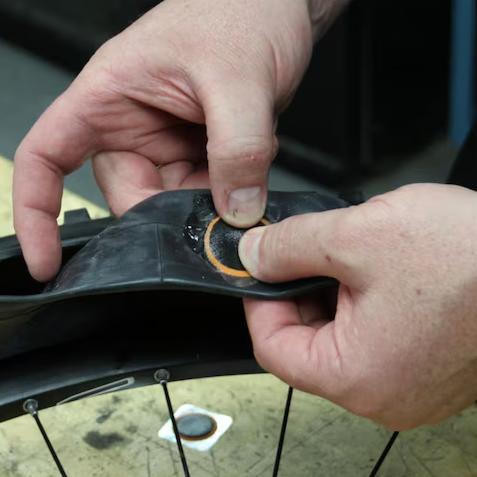


Radial tires can be effectively repaired using a radial tire patch if the damage is deemed safe. Experts indicate that nails, glass, plastic, and metal frequently create holes in tires. Utilizing a radial tire patch, such as the SUNSOUL Radial Tire Patch, ensures that the tire performs optimally and maintains safety. It is crucial to apply the patch correctly; following the radial tire patch instructions will result in a strong and reliable fix. It is advisable for a professional to assess the tire before applying the patch. A radial patch is particularly effective for addressing damage on the tread, helping to extend the tire’s lifespan.
Key Takeaways
Radial tires can be patched if the damage is on the tread. The damage must be less than 1/4 inch wide.
A SUNSOUL radial tire patch gives a strong fix. It helps the tire last longer.
A professional should check the tire before patching it. This makes sure the patch is safe and works well.
Do not patch sidewall damage. It can cause blowouts. It is not safe to fix sidewalls.
Check your tires often and store them the right way. This keeps tires safe and helps them last longer.
Radial Tire Patch: When and Where

Types of Repairable Damage
Tire makers have rules for fixing radial tires. Only some types of damage can be fixed safely.
The damage must be on the tread area only.
The hole cannot be bigger than 1/4 inch (6mm).
The tire must come off the rim for checking inside.
You cannot fix over an old repair.
A rubber stem or plug fills the hole, and a patch seals the inside.
The SUNSOUL radial tire patch uses special glue and vulcanizing gum. These stick well to the tire’s rubber. Vulcanization joins the patch to the tire. This makes the fix strong and stops leaks. This way, the tire can handle rough roads and keeps air inside.
Location and Size Limits
Where the damage is and how big it is matters a lot.
The hole must be in the crown or tread area.
The biggest hole you can fix is 1/4 inch for fabric-ply tires and 3/8 inch for steel belted tires.
The tire must be in good shape to fix.
You cannot patch the sidewall.
Note: The sidewall does not have the strong layers needed for a good fix. It bends a lot when you drive, so repairs can fail. Safety experts say sidewall fixes may not last. They can break from heat and pressure, which can cause blowouts.
The SUNSOUL radial tire patch covers the whole tread hole. It gives a strong and lasting fix, even for bigger holes. You must take the tire off the wheel to use the patch. This takes longer than plugging but makes the repair better.
Feature/Limitations | Description |
|---|---|
Stronger Repairs | Makes a tough and lasting fix, even for bigger holes. |
Long-term Solution | Helps the tire last longer and is a more lasting fix. |
Full Coverage | Works for all kinds of holes and covers more damage. |
More Time Consuming | Needs the tire off the wheel, so it takes more time. |
Skills Required | Needs skill and know-how, not good for beginners. |
Cost | Costs more than plugging, especially if done by a pro. |
Safety Factors
Safety comes first when fixing a tire.
The hole cannot be bigger than 1/4 inch.
Holes on the side cannot be fixed.
Some tires cannot be fixed, as the maker says.
Experts check the tire before fixing it. They look for wear, old repairs, and other problems. Bad repairs can cause crashes. Tire plugs can fail and make you lose control. Many crashes happen each year from bad repairs. Experts say using just a plug is risky and can cause blowouts.
Using a SUNSOUL radial tire patch gives a strong and lasting fix. The patch covers the hole and seals the inside. This keeps the tire safe and ready to use again.
Patching a Radial Tire: Methods and Best Practices
Patch vs Plug vs Combo Repair
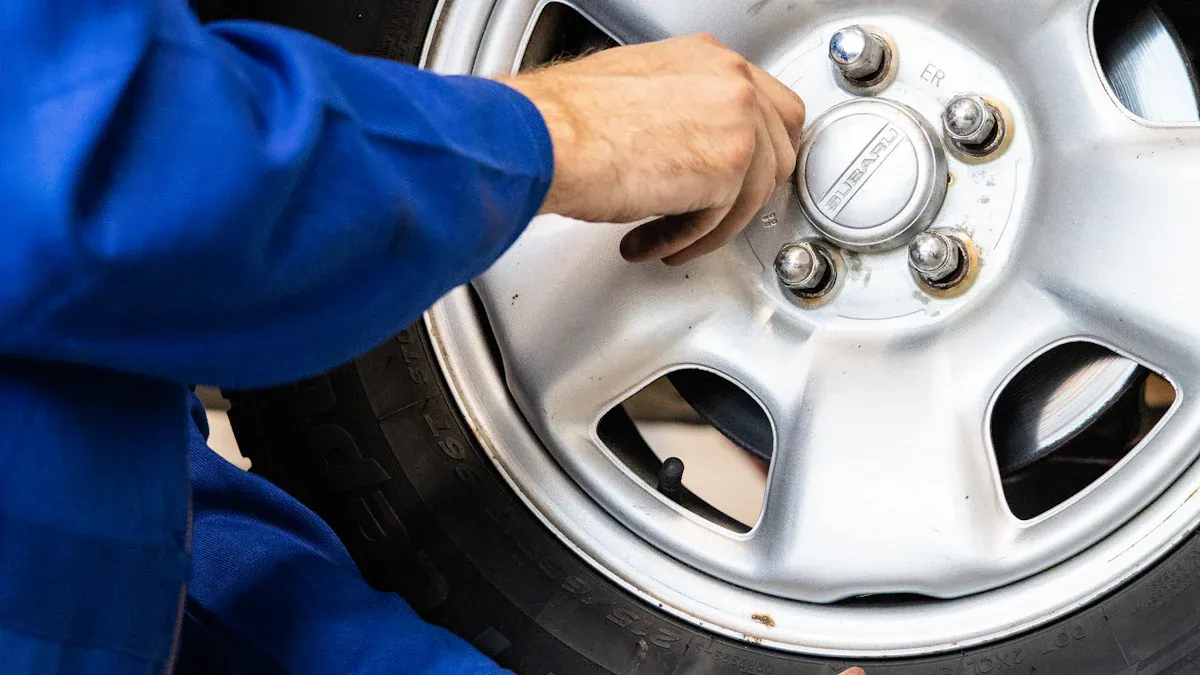
Many drivers wonder which way is best to fix a tire. There are three main ways: patch-only, plug-only, and patch-plug combo. Each way has good and bad points. The patch-only way seals the inside of the tire. If done right, it can last seven to ten years. The plug method fills the hole from outside. This way is fast but does not meet safety rules. It should only be used for a short time. The patch-plug combo uses both a plug and a patch. This way meets safety rules and gives a lasting repair.
Repair Method | Effectiveness | Longevity |
|---|---|---|
Patch-Only | Seals inside but may allow air/water | 7-10 years |
Plug-Only | Not considered acceptable by standards | Temporary fix |
Patch-Plug Combo | Most reliable, meets safety standards | Permanent repair |
The patch-plug combo is the best choice. It keeps the tire safe and strong. Patches seal better than plugs alone. A good radial tire patch can last as long as the tire. Having a pro do the job gives the best results.
Application Process Overview
Fixing a radial tire needs careful steps. First, the tire comes off the wheel. This lets the worker check inside for hidden damage. They clean the spot around the hole and use a tool to roughen the surface. The worker puts on vulcanizing cement to help the patch stick. The radial tire patch covers the hole and seals the inside. The worker presses the patch down hard to make it stick well. After the patch dries, they check for leaks and put the tire back on. Using a good tire patch kit, like the SUNSOUL kit, makes the fix strong and safe.
Tip: Always use the right tools and follow the patch kit instructions. This helps stop mistakes and keeps the tire safe.
Common Mistakes to Avoid
Mistakes during patching can cause trouble. If the tire is not sealed right, air can leak out and waste gas. Using the wrong tools can hurt the tire and make blowouts more likely. Wrong tire pressure after fixing can make the car handle badly and wear out the tire unevenly. Bad alignment after fixing can make the wheels turn wrong and lower control. Fixing tires yourself can cause legal problems if the repair fails, especially after a crash.
Bad sealing can make air leak out.
Wrong tools can make the tire weak.
Wrong tire pressure is not safe.
Bad alignment makes you lose control.
DIY repairs can cause legal trouble.
Workers should not make these mistakes. They need to use the right tools and follow each step. The SUNSOUL radial tire patch makes a strong seal if put on right. Getting a pro to patch a radial tire keeps you safe and helps the tire last longer.
Professional Advice and Special Cases
Motorcycle and Heavy-Duty Tires
Motorcycle and heavy-duty tires need extra care when fixed. Technicians use strict steps to keep people safe. Many shops do not use plugs for these tires. Steel belts make it hard to seal the hole. Motorcycle tires have thin tread, so plugs do not work well. If a plug fails, it can cause a bad crash. Most motorcycle tire repairs are only for a short time, especially for small holes. Heavy-duty tires must be checked closely before fixing. Shops say you should take the tire off the rim to look for hidden problems. Only trained workers should repair these tires to keep everyone safe.
Tip: Always have a trained technician check and fix motorcycle or heavy-duty tires. Safety is most important for these vehicles.
When to Replace Instead of Repair
Sometimes, it is safer to get a new tire than to fix it. Experts look at many things before they decide:
Bald tires with worn treads need to be replaced right away.
If the sidewall is damaged, you need a new tire.
If there are many repairs or big damage, get a new tire.
Holes bigger than ¼ inch mean you need a new tire.
Tires with less than 2/32-inch tread are not safe to fix.
Old tires can break more easily and should be replaced.
Driving on a flat tire can hide damage inside, so fixing is not safe.
A trained worker will take the tire off the rim and check it well. They follow the maker’s rules to see if the tire can be fixed. If the tire does not meet safety rules, you must get a new one.
Note: Patching a tire costs about $10 to $50. Getting a new tire can cost a lot more. Fixing small damage saves money and helps the tire last longer.
Technicians need special training to fix tires the right way. Many classes teach both in a classroom and by doing the work. Training follows rules from big tire makers and industry groups. This makes sure every repair is safe.
Radial Tire Patch: When and Where
The “Puncture Zone”
Tire experts call the center part of the tread the “puncture zone.” This area is the safest place for a patch. The puncture zone sits between the outer grooves of the tread. Most tire shops only repair holes found here. The tread has thick rubber and strong cords. These features help the patch hold tight and keep the tire safe. If a nail or screw makes a hole in the center tread, a patch can often fix it. Holes near the shoulder or sidewall do not qualify for repair. These spots bend and flex more, which can cause a patch to fail.
Tip: Always ask a professional to check if the damage is in the puncture zone before starting a repair.
Size Limitations
Tire manufacturers set clear rules for patch size and number. These rules help keep the tire strong after a repair. Most car tires can have up to four patches. Each patch must be far from the others. If patches sit too close, the tire can become weak. The size of the hole also matters. For most tires, a patch can fix a hole up to 6 mm wide. V-rated tires allow repairs for holes up to 8 mm in the tread. Some larger holes, up to 10 mm, need special hot vulcanization methods.
Up to four patches per tire
Patches must not touch or overlap
Holes up to 6 mm for regular tires
Up to 8 mm for V-rated tires
Hot vulcanization for holes up to 10 mm
If a tire has too many patches or the holes are too big, it cannot be fixed safely. The wire network inside the tire may get damaged if repairs go beyond these limits.
Non-Repairable Damage
Some types of tire damage cannot be fixed. Sidewall damage is the most common example. The sidewall does not have enough support for a patch. Even small holes here can lead to blowouts. Large cuts, deep gashes, or damage that exposes the cords also make a tire unsafe for repair. If a tire has a hole bigger than the allowed size, it must be replaced. Tires with old, worn-out tread or many repairs should not be patched again.
Sidewall or shoulder damage
Holes larger than 10 mm
Exposed cords or deep cuts
Too many patches close together
A professional always checks the tire before any repair. This step keeps drivers safe and helps the tire last longer.
You need to follow expert rules to patch a tire safely. Tire safety groups say to use combo repairs. The damage should only be in the tread area. Punctures must be smaller than 1/4 inch. The SUNSOUL radial tire patch gives a strong and lasting fix. It also helps cut down on waste. Tire Industry Association experts say to ask a pro for every repair. Checking your tires often and storing them right keeps them safe. This also helps your tires last longer.
Tire Type | Average Lifespan |
|---|---|
Patched Tire | 7-10 years |
Unpatched Tire | Shorter lifespan |
Getting regular checks and advice from a pro helps all drivers stay safe on the road.