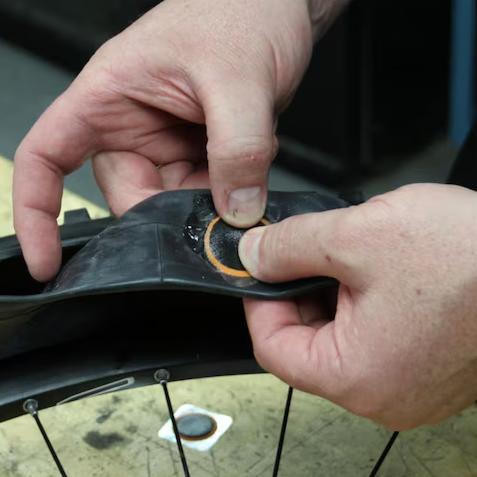


A proper tire repair is essential for your safety. Radial tire repair patches permanently seal a puncture in your tire. This repair restores the tire‘s internal structure, which is critical for safe driving.
A temporary tire plug is a risky shortcut. A professional repair uses a plug patch combination. This combines a radial tire patch and stem to reinforce the tire from the inside. This tire patch and radial tire patch method ensures your tire can handle stress. Your tire‘s safety depends on a radial tire patch, not a simple tire plug. A strong tire keeps your tire safe.
The Dangers of Improper Tire Repair and Neglect

Ignoring tire damage or choosing a quick fix can lead to serious problems. You put yourself and others at risk when your tire is not properly repaired. Understanding these dangers helps you make safer choices for your vehicle.
Why a Simple Plug Is a Risky Shortcut
You might see a simple tire plug as a fast and cheap solution. However, this type of repair is a dangerous shortcut. A tire plug, often called a string plug, is inserted from the outside of the tire. It does not properly seal the tire’s inner liner. This failure to seal allows air to leak into the tire’s structure.
Warning: A Plug-Only Repair Is Not Permanent! ⚠️ A tire plug is only a temporary fix to get you to a repair shop. Driving on a tire with only a tire plug increases your risk of:
- Complete tire failure
- Damage to your wheel rim
- Loss of vehicle control during driving
This temporary repair cannot restore the tire’s strength. For a safe and permanent solution, you need a professional tire repair that includes a radial tire patch.
The Hidden Damage of an Unrepaired Puncture
A small puncture seems harmless, but it creates a path for serious tire damage. When you continue driving on a punctured tire, moisture and air seep into the opening. This moisture causes the steel belts inside your tire to rust and corrode. This internal rusting weakens the tire from the inside out.
This hidden tire damage can lead to tread separation, which is a common cause of tire blowouts at high speeds. Your tire’s safety depends on its internal structure. A proper repair is critical. A professional will inspect the tire damage and use a radial tire patch to seal the inner liner completely. This type of tire repair prevents moisture from entering and protects the tire’s steel belts, ensuring a reliable and safe driving experience. A radial tire patch is essential for a lasting repair.
The Gold Standard for Tire Safety: The Patch-Plug Combo
When you get a puncture, you need a solution that guarantees your safety on the road. The professional standard is the plug patch combination. This method is the only one that properly restores your tire’s integrity for safe driving. It provides a complete seal and structural reinforcement that a simple tire plug cannot offer.
What is a Radial Tire Repair Patch?
A radial tire patch is a multi-layered component engineered for a permanent tire repair. It is not just a simple piece of rubber. A high-quality radial tire patch is made from advanced materials designed for strength and flexibility.
These materials often include:
- Natural and Synthetic Rubber: This provides durability and resistance to wear.
- Butyl Rubber: This layer is known for its excellent airtightness, which is crucial for sealing the tire’s inner liner.
- Reinforcement Fabric: Strong polyester or aramid fibers are embedded within the patch. This reinforcement helps the radial tire patch match the dynamic flex of your tire, preventing stress and ensuring the repair holds.
- Cushion Gum: A special layer of vulcanizing gum creates a powerful chemical bond between the tire patch and the tire itself.
This special construction allows the radial tire patch to flex with your tire’s sidewall and tread. It resists heat and stress, ensuring the repair is permanent. This advanced design is one of the key benefits of radial tire patch solutions, offering you enhanced safety and peace of mind. A proper radial tire patch is essential for a reliable tire.
How the Patch and Plug Work Together
The patch-plug combo is a two-part system that addresses tire damage from the inside out. This method provides a complete repair that a simple tire plug can never achieve. The process ensures both the puncture channel and the inner liner of the tire are sealed permanently.
A Complete System for Your Safety 🛡️ The plug fills the hole, and the patch seals the liner. This dual action is what makes the repair safe and permanent. It prevents air and moisture from getting into the tire’s internal structure.
First, a professional technician prepares the inside of your tire. They then insert the “plug” or “stem” part of the unit from inside the tire, pulling it through the puncture hole. This stem completely fills the injury path. It mechanically and chemically bonds to the tire, stopping contaminants from entering. This step is a critical part of the tire repair.
Next, the “patch” part of the unit is bonded to the tire’s inner liner. Using a special vulcanizing cement, the radial tire patch creates an airtight seal. This chemical process permanently fuses the tire patch to the tire, preventing any air loss. This comprehensive repair restores the tire’s strength and ensures long-lasting results. A plug-only repair is a risky shortcut because it does not seal the inner liner, which can lead to tire failure. For true tire safety, you need a complete repair with a radial tire patch. This is the only way to make your tire safe again. The final tire repair is strong and dependable.
The Professional Process for a Safe Radial Tire Patch Repair
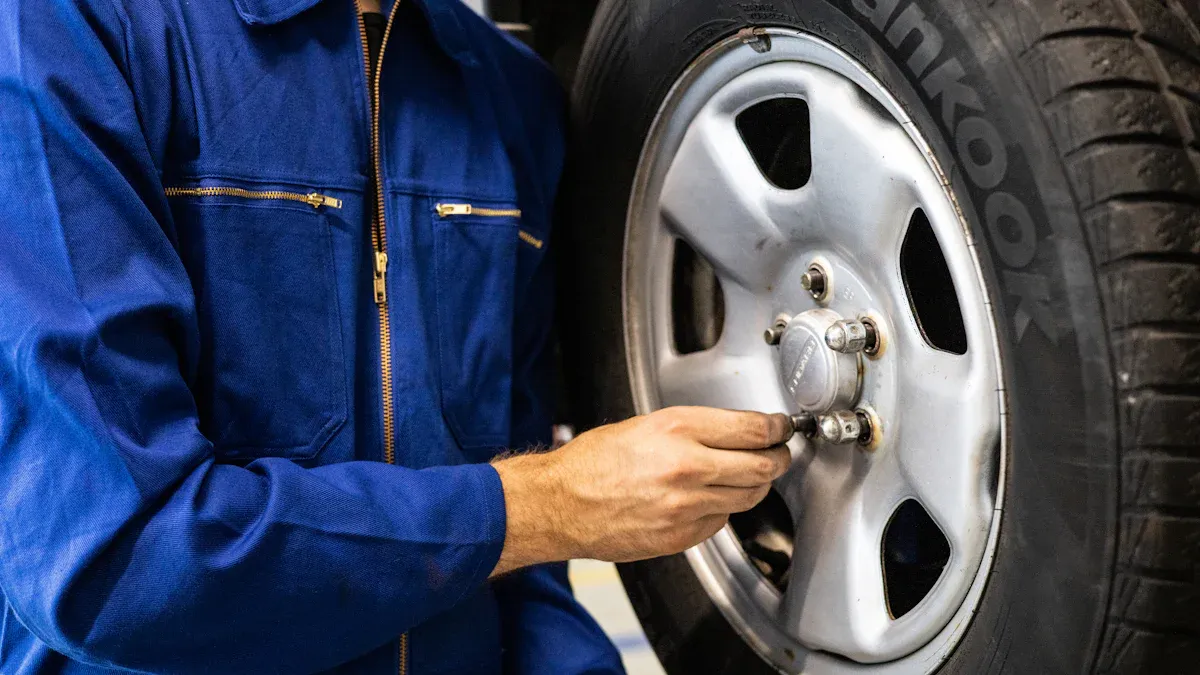
A proper tire repair is more than just plugging a hole. It is a detailed technical procedure that requires skill, the right tools, and adherence to strict safety standards. Professionals who perform this work often hold certifications from organizations like the Tire Industry Association (TIA). Their training ensures every repair restores your tire to a safe condition for driving.
Step-by-Step: A Repair You Can Trust
When you take your vehicle for a professional tire repair, you can expect a thorough process. Each step is essential for a lasting repair that protects the structural integrity of your tire. Here is what a trustworthy repair looks like:
- Dismount and Inspect: The technician first removes the tire from the wheel. This is the only way to inspect the inside for hidden tire damage. Driving on a flat tire can cause serious internal problems that make a repair unsafe.
- Prepare the Injury: The technician prepares the puncture channel from the inside. They use a carbide cutter to drill out the hole, removing damaged steel cords and creating a clean path for the plug.
- Buff and Clean: Next, the technician buffs the inner liner of the tire around the puncture area. This creates a slightly rough texture. A clean, textured surface is necessary for the radial tire patch to form a strong bond.
- Apply Vulcanizing Cement: The technician applies a special vulcanizing cement to the buffed area. This is not ordinary glue. The cement starts a chemical reaction that permanently fuses the radial tire patch to the tire itself, creating a strong, airtight seal.
- Install the Patch-Plug Unit: The technician then installs a combination unit. The plug, or stem, is pulled through the puncture from the inside, completely filling the hole. The attached radial tire patch is then pressed firmly against the inner liner. This two-part system ensures a complete seal.
- Finish and Reinstall: Finally, the technician applies an inner liner sealant over the radial tire patch and allows it to dry. Your tire is then remounted on the wheel, inflated to the correct pressure, and balanced for a smooth ride. This completes the professional repair.
Knowing When a Tire Is Unrepairable
Not all tire damage is fixable. For your safety, industry safety standards clearly define when a tire must be replaced instead of repaired. A professional will always refuse to perform a repair on a tire that cannot be made safe again.
The 1/4 Inch Rule 📏 If the size of the puncture is more than 1/4 inch (6 mm) in diameter, a repair isn’t permitted at all. You have no other alternative than to invest in a brand-new tire.
A tire is generally considered unrepairable if it has any of the following issues:
- Damage Location: The puncture is in the tire’s shoulder or sidewall. These areas flex constantly and lack the structural support for a secure radial tire patch. A repair here would likely fail and could lead to a blowout. A proper tire patch repair must be in the central tread area.
- Tread Depth: The tire is worn out. If the tread depth is less than 2/32nds of an inch, the tire is no longer safe for use, with or without a repair.
- Previous Repairs: The new tire damage is too close to a previous tire patch. Repairs cannot overlap.
- Severe Damage: The tire was driven on while severely underinflated. This can destroy the internal structure of the tire, making any repair impossible.
Insisting on a repair for an unserviceable tire is a gamble you should never take. A professional’s recommendation to replace your tire is based on established guidelines designed to keep you safe on the road. A new radial tire patch cannot fix every problem.
Why Quality Materials Matter for Your Safety
The effectiveness of a tire repair depends heavily on the quality of the materials used. A cheap, substandard tire patch can create a false sense of security, putting you at risk of tire failure. Choosing high-quality components is not an upsell; it is a fundamental part of ensuring your vehicle’s safety and reliable performance on the road.
The Role of High-Quality Radial Tire Repair Patches
A superior radial tire patch is an engineered product designed for a permanent repair. It does more than just cover a hole. High-quality radial tire repair patches use special rubber compounds and activator chemicals to create a powerful bond with your tire. This process, known as vulcanization, chemically fuses the radial tire patch to the tire, making the repair a permanent part of the tire structure.
Why a Quality Repair Matters ✅ A proper repair with a premium radial tire patch ensures:
- Strong Adhesion: The patch stays securely bonded under heat and stress.
- Airtight Seal: It prevents air loss and protects the tire’s internal steel belts from moisture and rust.
- Maintained Performance: A correct repair in the tread area (for punctures under 1/4 inch or 6mm) helps your tire maintain its original speed rating.
Using a quality radial tire patch is essential for a repair that meets industry safety standards. It restores the integrity of your tire for its remaining life.
SUNSOUL: A Trusted Choice for Professionals
Professionals know that the quality of their work depends on the materials they use. That is why many trust SUNSOUL for their radial tire repair patches. SUNSOUL is a leading manufacturer that builds its products to meet rigorous safety standards. Their commitment to quality ensures every tire repair is strong and dependable.
SUNSOUL uses advanced rubber compounds and leading adhesion technology. This means each tire patch creates a bond that exceeds industry requirements, giving you a permanent repair you can count on. Their dedication to excellence is proven through multiple certifications:
- ISO 9001 Certified: Guarantees consistent manufacturing quality.
- DOT Compliant: Meets Department of Transportation requirements for road safety.
- RoHS and REACH Compliant: Ensures products are environmentally safe and free of harmful chemicals.
When a technician uses a SUNSOUL radial tire patch on your tire, you know you are getting a repair designed for lasting durability and protection.
A professional repair using a quality radial tire patch is a critical procedure for your safety. A simple tire plug is a dangerous shortcut for your tire. This proper repair is a small investment for your tire, especially compared to the cost of a new tire:
| Item | Cost Range (Standard) | Cost Range (Specialty/High-Cost Areas) |
|---|---|---|
| Professional Patch-Plug Repair | $20-$45 | $40-$75 |
| New Tire | $90-$250+ | N/A |
A shop using only a tire plug risks major liability for a faulty repair. Your tire needs more than a tire plug. Always demand a full inspection and a proper plug patch combination. This complete tire repair, using radial tire repair patches and a quality tire patch, restores your tire. A good radial tire patch ensures your tire is safe for the road. Your tire deserves the correct repair with a radial tire patch.
FAQ
Can I drive long distances on a plugged tire?
No, you should not drive far on a plugged tire. A plug is only a temporary fix. It does not seal the tire’s inner liner. You need a professional repair to make your tire safe for the road. A proper repair protects the tire.
How long does a professional tire repair take?
A professional tire repair usually takes about 30 to 60 minutes. The process includes removing the tire from the wheel for a full inspection. This ensures your tire is safe. The technician must properly prepare and seal the damaged tire.
Is it safe to repair a run-flat tire?
You can sometimes repair a run-flat tire. However, many manufacturers advise against it. Driving on a flat run-flat tire can cause hidden internal damage. Always consult a tire professional to inspect the tire and determine if a repair is safe.
Why can’t the sidewall of my tire be repaired?
The sidewall of your tire flexes constantly during driving. A repair patch cannot hold securely in this area. A failed sidewall repair could cause a sudden blowout. For safety, any damage to the tire sidewall means you need a new tire.