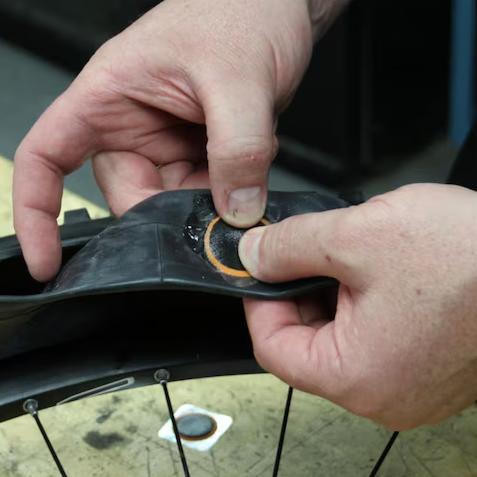

A flat tire from a sidewall puncture can be an emergency. A sidewall patch kit offers a solution for specific damage. It uses a specialized, flexible patch and a chemical agent. This process creates a permanent, airtight bond on the tire’s inner liner. The repair reinforces the damaged area, restoring the tire’s ability to handle stress. A successful tire repair on a small puncture turns a costly problem into a manageable one. A simple patch repair for a punctured tire is far cheaper than replacing a damaged tire. This patch addresses the unique damage from a puncture.
Note: A professional tire repair with a patch can cost $10–$50. However, significant sidewall damage makes a tire flat and unsafe, requiring full replacement.
Vehicle Type Average Tire Replacement Cost Economy Cars $100–$150 per tire SUVs or Light Trucks $200–$300 per tire High-Performance $300–$500+ per tire
The Science Behind a Sidewall Patch Kit
A successful tire repair depends on science. The process creates a bond as strong as the original tire itself. A sidewall patch kit uses a precise, multi-step method to achieve a safe and permanent repair. Each step plays a critical role in restoring the tire’s integrity.
Step 1: Preparing the Tire for a Perfect Bond
A strong repair starts with a perfectly clean surface. The inner liner of a tire is not just simple rubber. It is a complex composite material designed to hold air. Technicians must prepare this surface meticulously for the patch to adhere correctly.
The tire’s inner liner is typically made of several components.
- Natural rubber: approximately 70 parts by weight
- Butyl rubber: approximately 30 parts by weight
- Medium thermal carbon black: approximately 80 parts by weight
During manufacturing, the tire mold is coated with release agents. These agents prevent the tire from sticking to the mold. These substances must be completely removed before a repair.
Heads-Up: Contaminants are the enemy of a good repair. A technician must remove all traces of the following from the tire:
- Mold-release lubricants
- Silicone
- Buff dust from cleaning
- Other surface contamination
A technician uses a special pre-buff cleaner and a scraper to remove these contaminants. They then use a low-speed buffer to create a textured surface. This texture gives the vulcanizing fluid more surface area to grip, ensuring a powerful bond for the patch.
Step 2: The Magic of Chemical Vulcanization
Chemical vulcanization is the core of the tire repair process. It is a chemical reaction that permanently bonds the patch to the tire. This process differs significantly from the heat vulcanization used to manufacture a new tire.
| Feature | Chemical Vulcanization (Tire Repair) | Heat Vulcanization (Tire Manufacturing) |
|---|---|---|
| Process | Uses chemical activators at room temperature. | Relies on high heat (150-180°C) and pressure. |
| Mechanism | Creates molecular cross-links between the patch and tire. | Forms sulfur cross-links between polymer chains. |
| Goal | To integrate a repair patch seamlessly into the existing tire structure. | To cure raw rubber into a durable, finished product. |
The vulcanizing fluid contains several key ingredients. These include elastic polymers like natural rubber and powerful solvents. It also has accelerators that kickstart the vulcanization process. When the fluid is applied to the prepared tire surface, the solvents clean the area one last time and the polymers begin to interact with the rubber.
The fluid needs time to dry. This usually takes a few minutes. During this time, the solvents evaporate, leaving behind the chemical accelerators. This prepares the surface for the final patch application. The bond begins to form instantly but continues to strengthen over time. A full cure can take around 24 hours, with bond strength continuing to develop for weeks.
Step 3: The Engineered Patch for Sidewall Flex
A sidewall patch is not just a piece of rubber. It is an engineered component designed for strength and flexibility. The sidewall of a tire constantly flexes and bears significant stress. A standard patch would quickly fail under these conditions.
Engineered sidewall patches use advanced construction to handle this stress.
- Multi-Layer Design: They often feature a multi-layer construction with a reinforced nylon or resilient polyester fiber center for durability.
- Specialized Rubber: The patch uses high-quality rubber compounds that resist heat and friction. This allows the patch to remain flexible in extreme temperatures.
- Flexible Construction: A medium-body rubber compound gives the patch optimal flexibility, allowing it to move with the tire’s sidewall without tearing or separating.
This special construction ensures the repair becomes a permanent, integrated part of the tire. The patch flexes with the tire, maintaining an airtight seal and restoring structural integrity. This makes the tire safe for the road again.
Step 4: Forging the Seal with Pressure
The final step transforms the patch and vulcanizing fluid into a single, unified repair. A technician applies firm, systematic pressure. This action is not just about making the patch stick. It is a critical mechanical process that ensures the chemical bond reaches its full potential. Proper pressure application guarantees a permanent, airtight seal for the damaged tire.
A technician uses a special tool called a tire stitcher or roller for this task. This small, serrated wheel concentrates pressure on the patch. The process forces out any trapped air bubbles between the patch and the tire inner liner.
- The technician starts rolling from the center of the patch.
- They work their way outward to the edges in all directions.
- This center-out technique pushes air away from the puncture site.
- It ensures every millimeter of the patch makes direct contact with the tire.
Trapped air is the primary enemy of a durable tire repair. An air pocket prevents the chemical vulcanization from completing in that spot. This creates a weak point that can lead to repair failure. A strong bond makes the repaired tire safe.
Pro Tip: A technician often applies a thin layer of inner liner sealant around the edges of the patch after stitching. This liquid rubber compound cures to provide an extra layer of protection. It seals the patch edge perfectly, preventing air from ever getting underneath it. This final touch ensures the longevity of the tire repair.
The difference between correct and incorrect pressure application is significant. It determines whether the tire is safe for the road or a potential hazard.
| Pressure Application | Resulting Bond | Safety Outcome |
|---|---|---|
| Correct (Center-Out) | Complete, uniform chemical bond. No air pockets. | The patch is fully integrated with the tire. The repair is permanent and safe. |
| Incorrect (Haphazard) | Incomplete bond with trapped air pockets. | Weak spots can lead to patch failure. The tire remains unsafe to use. |
This meticulous pressure application completes the repair process. It forges a seal that restores the integrity of the tire, allowing it to handle road stresses once again. The tire is now ready for service.
Why Quality Materials Are Non-Negotiable
A successful tire repair depends heavily on the quality of the materials used. Using inferior products can lead to a failed repair, putting drivers at risk. The chemical bond that secures a patch is only as strong as its weakest component. Therefore, choosing professional-grade materials is not just a preference; it is a requirement for a safe and lasting repair.
The SUNSOUL Advantage in Vulcanizing Fluid
The vulcanizing fluid is the chemical core of any tire repair. SUNSOUL’s fluid offers distinct advantages for creating a superior bond.
- Quick Drying: The formula is designed to dry fast. This property reduces the overall time needed for the repair.
- High-Quality Rubber Cement: It uses high-quality rubber cement. This ensures the resulting bond is exceptionally strong and durable, making the patch a permanent part of the tire.
A faster, stronger bond means a more reliable repair and less downtime.
Not All Patches Are Created Equal
A patch must withstand constant flexing and heat. A low-quality patch can fail under stress. Reputable manufacturers follow strict industry guidelines. For example, the Tire Industry Association (TIA) has a group that develops recommended practices for materials. These guidelines cover:
- Proper repair methods
- Standard buffing textures
- Guidelines for cements and solvents
A quality tire patch is engineered to meet these high standards. It provides the strength and flexibility needed for a safe tire. A generic patch may not offer the same level of safety or durability.
The Importance of Professional Tools
Excellent materials require the right tools for application. Using the wrong tool can ruin a repair before it even begins. A low-speed buffer is a critical tool. Experts recommend a buffer with a maximum speed of 5,000 RPMs. High-speed tools scorch the rubber, creating a burnt surface. A patch cannot adhere to scorched rubber. This makes the entire tire repair unsafe. Using a low-speed buffer and other proper tire repair products ensures the tire surface is perfectly prepared. This preparation allows the patch to form a complete, secure bond with the tire.
The Go/No-Go Checklist for Your Flat Tire
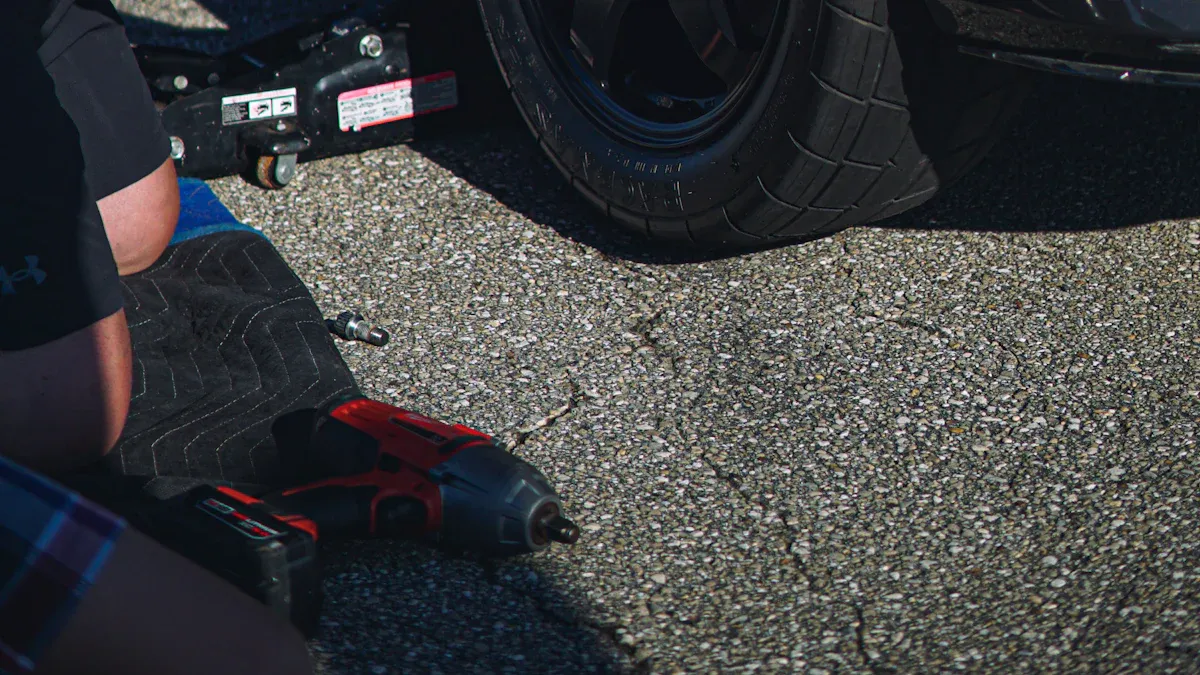
Not every flat tire can be saved with a patch. Knowing when a repair is safe versus when a replacement is necessary is critical for road safety. This checklist helps a driver or technician make the right call. It separates a manageable repair from a dangerous mistake.
Green Light: When a Sidewall Patch Is Safe
A sidewall patch is an option only under very specific and limited circumstances. The damage must be minor and located correctly on the tire. A technician will give the green light for a repair only if the flat tire meets every single one of these conditions.
A sidewall patch kit is generally considered safe to use only for:
- A Simple Puncture: The damage must be a small, clean hole from an object like a nail or screw.
- Limited Size: The puncture must not exceed the manufacturer’s specified maximum diameter, which is typically very small for a sidewall.
- Proper Location: The puncture must be in the main sidewall area, away from the tire’s shoulder (the curved edge where the tread meets the sidewall).
If the punctured tire meets these strict criteria, a professional repair can restore its integrity.
Red Light: When You Must NOT Use a Patch
Safety rules for tire repair are absolute. Certain types of damage make a tire non-repairable. Attempting to patch a tire with these issues creates a significant risk of a blowout. This is not just a recommendation; it is a fundamental rule of tire safety. A flat tire with any of the following issues requires immediate replacement.
You must NOT use a patch if you see any of these red flags:
- Cuts or Gashes: Any linear cut, no matter how small, compromises the structural cords of the tire.
- Bubbles or Bulges: A bulge on the sidewall indicates internal separation of the tire layers. This is a sign of imminent failure.
- Exposed Cords or Fibers: If you can see the fabric or steel cords beneath the rubber, the tire’s structure is severely weakened.
- Previous Improper Repairs: A tire with a failed or incorrect patch cannot be safely re-repaired.
Driving on a tire while it is flat, even for a short distance, causes irreversible internal damage. The weight of the vehicle crushes the tire’s structure. This generates intense friction and heat, which breaks down the rubber and weakens the internal plies. This damage is often invisible from the outside but makes the tire a ticking time bomb. A repair in this situation is an emergency waiting to happen.
| Condition | Assessment | Action Required |
|---|---|---|
| Small, clean puncture in the central sidewall | Potentially Repairable ✅ | Professional inspection and patch |
| Any cut, gash, or slice | Non-Repairable ❌ | Immediate tire replacement |
| Bulge or bubble on the sidewall | Non-Repairable ❌ | Immediate tire replacement |
| Tire was driven on while flat | Non-Repairable ❌ | Immediate tire replacement |
Safety First: A professional will always refuse to patch a tire that has been driven on while flat. The hidden damage makes the tire unpredictable. A failed repair at highway speeds can be catastrophic. Never pressure a technician to perform an unsafe repair on a flat tire.
The flexing of the sidewall is why these rules are so strict. A gash or a puncture near the shoulder experiences too much stress for a patch to hold reliably. The constant movement will eventually cause the repair to fail. For this reason, a flat tire with significant damage is always a candidate for replacement, not repair. A new tire is a small price to pay for safety.
Sidewall vs. Other Tire Repairs
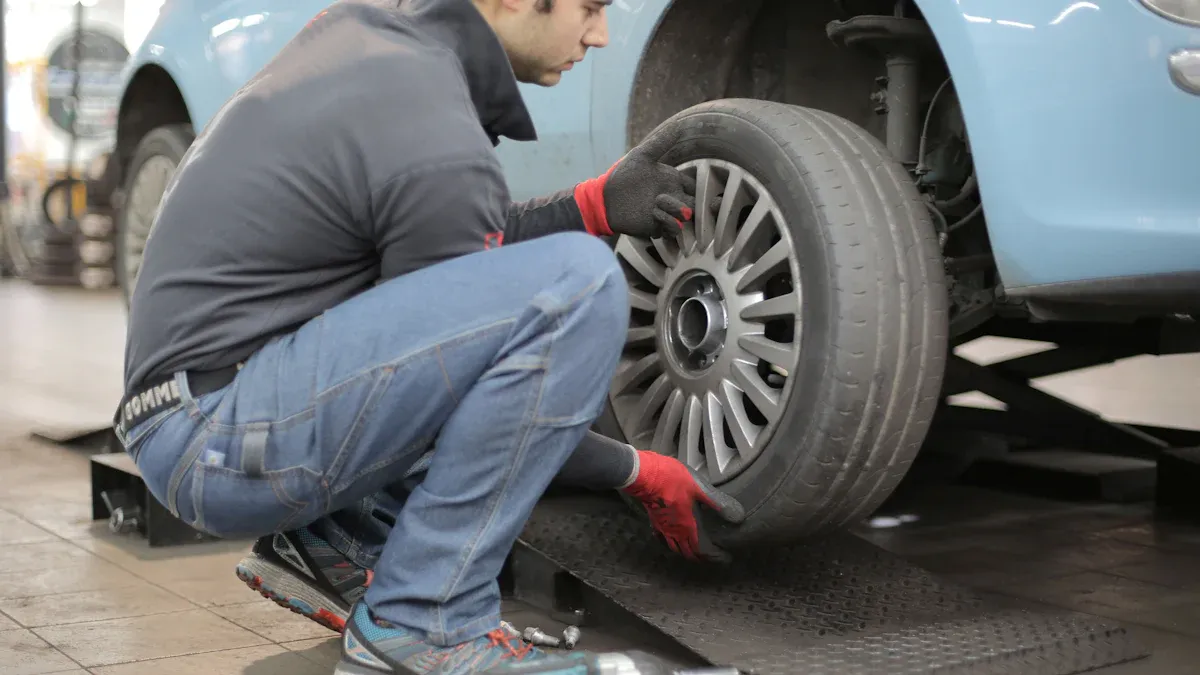
Understanding why a sidewall puncture requires a special repair starts with knowing how a tire is built. The rules for fixing a flat tire on the tread are very different from fixing a flat tire on the sidewall. Each part of the tire has a unique job and handles stress differently. This difference determines the correct type of tire repair.
Understanding Sidewall Stress vs. Tread Punctures
A tire’s tread and sidewall are engineered for completely different tasks. The tread is thick and tough, designed to contact the road and resist puncture damage. The sidewall is thin and flexible, built to bend and absorb shocks as the tire rolls. This fundamental design difference is why a puncture in each area requires a distinct approach.
| Tire Part | Primary Function | Repair Approach |
|---|---|---|
| Tread | Rolls on the road, provides grip. | A plug-patch combination can repair a small puncture. |
| Sidewall | Flexes constantly, absorbs bumps. | A special internal patch is the only safe repair for minor damage. |
Why a Simple Plug Fails on a Sidewall
A simple tire plug is not a safe repair for a sidewall puncture. The sidewall of a tire experiences significant compression and decompression while driving. This constant, dynamic flexing motion prevents a tire plug from forming and maintaining a permanent seal. The material is continuously stressed, making it impossible for a simple repair to hold. The plug will eventually work its way loose, causing the tire to become flat again and creating a dangerous situation. A proper patch is essential for a lasting fix.
The Critical Need for an Internal-Only Repair
Because an external plug cannot work, a safe tire repair for a sidewall puncture must come from the inside. An internal patch is the only method that can properly address the damage. A technician applies this patch to the tire’s inner liner, where it bonds chemically with the rubber. This process makes the patch a permanent part of the tire structure.
A high-quality patch reinforces the puncture area from within. It is engineered to be strong yet flexible, allowing it to move with the tire without losing its seal. This internal-only repair restores the tire’s integrity, making it safe for the road after a minor flat.
A sidewall patch kit offers a specific solution for a minor puncture. A professional sidewall patch kit creates a strong, flexible repair. This tire repair is only for a small, clean puncture. Never use a patch for cuts or large damage. A tire driven on while flat is an emergency. A flat tire with hidden issues is unsafe. A punctured tire needs a safe repair.
Safety Tip: For your safety, a professional should always inspect the tire. A reliable tire repair for a flat tire depends on the right patch and technique. This makes the tire safe. The tire is no longer flat. The tire is not flat. The tire is not flat. The tire is safe. The tire is ready.
FAQ
How long does a sidewall tire repair take?
A professional sidewall tire repair typically takes 30 to 60 minutes. The process includes removing the tire from the wheel, preparing the inner surface, applying the patch, and remounting the tire. The tire is then balanced to ensure a smooth ride.
Can I drive on a tire with a sidewall patch forever?
A properly installed patch creates a permanent bond. The repaired tire can last for the remainder of its normal service life. A professional inspection of the tire ensures the repair is safe. Regular checks on the tire are always a good practice.
Is it possible to patch a run-flat tire?
Most manufacturers advise against repairing a run-flat tire. The tire’s unique structure can hide internal damage after being driven with low pressure. A technician must inspect the tire to see if a repair is even an option. Replacing the tire is often the safest choice.
Why can’t I perform a sidewall tire repair myself?
A sidewall tire repair requires specialized tools and expertise.
- Technicians use low-speed buffers to avoid scorching the tire.
- They can spot hidden damage inside the tire.
- Proper pressure application is critical for a safe bond. An incorrect repair makes the tire unsafe.