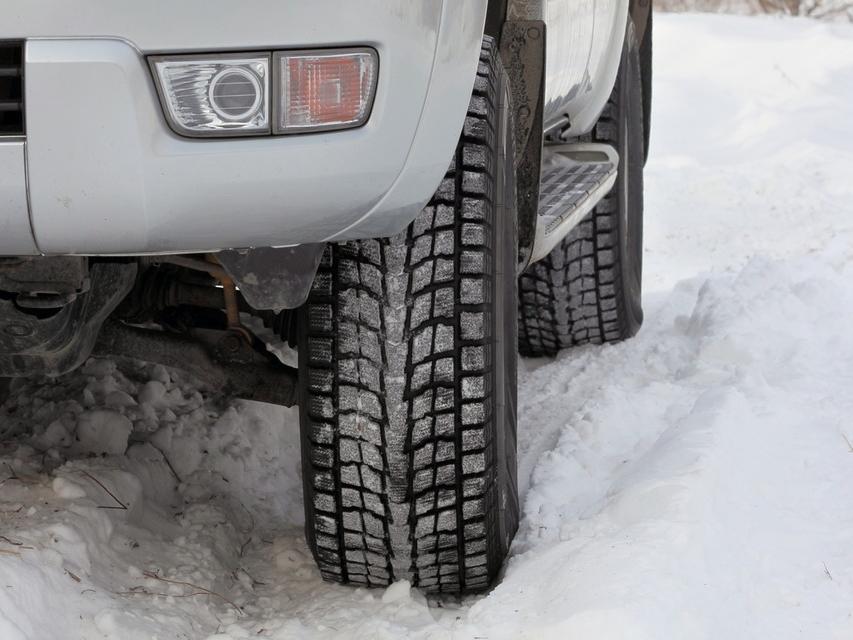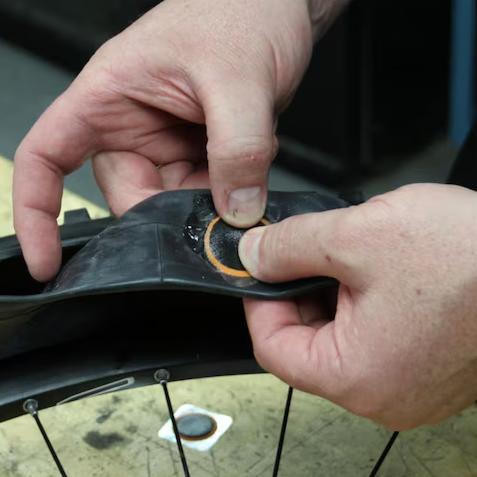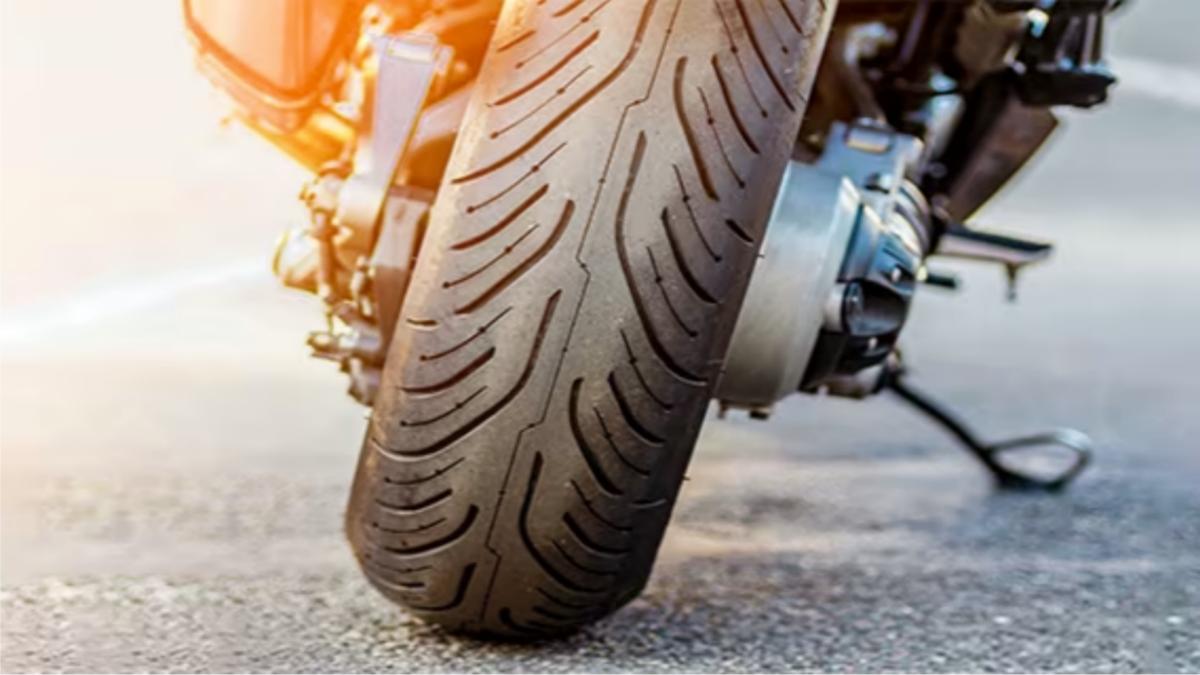


Tire failures are a serious road safety concern. Statistics highlight the danger:
- Approximately 11,000 tire-related crashes happen each year in the United States.
- These crashes led to 563 fatalities in 2022 alone.
A professional repair offers a scientific solution. A high-quality tyre patch permanently restores a tire’s safety. It creates an airtight seal from the inside through a chemical process. This process, called vulcanization, bonds the patch to the tire on a molecular level. This action restores the tire’s structural integrity, making the tire safe for the road again.
The Science of the Seal: How Vulcanization Works
A professional tire repair relies on a proven chemical process. Vulcanization transforms a simple patch into a permanent part of the tire. This scientific method ensures the repair is durable, reliable, and safe for the road.
Creating a Permanent Molecular Bond
Vulcanization creates a strong chemical bond between the tyre patch and the tire. The process uses a vulcanizing agent, most commonly sulfur, to fundamentally change the rubber’s structure. Here is how it works:
- Chemical Reaction: Technicians apply a special cement to the prepared area of the tire. This fluid contains chemicals that begin the vulcanization process.
- Cross-Linking: The sulfur compounds in the cement create bridges between the rubber molecules of the tire and the patch. These sulfur cross-links restructure the rubber on a molecular level.
- Unified Structure: This reaction essentially merges the two separate pieces into one. The process hardens the rubber, increasing its strength and durability.
Did You Know? For this chemical reaction to work effectively, it requires specific conditions. Effective hot patch vulcanization needs an optimal temperature range between 145–175°C (293–347°F). Firm pressure is also essential. The pressure ensures the materials bond completely and removes any trapped air that could cause a slow leak later.
The Importance of Surface Preparation
The success of vulcanization depends entirely on a clean surface. Proper surface preparation is a critical step that guarantees the chemical bond can form correctly. Without it, the repair will fail.
A technician must meticulously prepare the inner liner of the tire before applying the patch. This involves several key actions:
- Thorough Cleaning: The area around the puncture must be cleaned to remove dirt, moisture, and any other contaminants.
- Buffing the Surface: A low-speed buffer roughens the surface. This creates an ideal texture for the cement to grip, maximizing adhesion.
- Applying Cement: The vulcanizing cement is applied evenly across the buffed area.
Neglecting these steps makes a secure bond impossible. An improperly prepared surface can lead to patch failure, causing a loss of tire pressure. This weakens the tire’s structure and significantly increases the risk of a dangerous blowout, especially at high speeds. A proper repair is a scientific procedure, and every step is essential for safety.
Patch vs. Plug: Why an Internal Repair is Superior
When a tire gets a puncture, drivers face a choice between two common repair methods: an internal patch or an external plug. While both aim to fix the leak, only one provides a permanent, safe solution. An internal repair restores the tire’s structural integrity. An external plug often serves only as a temporary fix. Understanding the difference is crucial for road safety.
Restoring the Airtight Inner Liner
A modern tubeless tire holds air because of its inner liner. This special layer of rubber is non-porous and creates an airtight seal. A puncture compromises this liner, allowing air to escape. A professional repair must restore this critical barrier.
A tyre patch achieves this from the inside. A technician removes the tire from the wheel to access the inner liner directly. The patch, made of a durable rubber compound, is then bonded over the puncture area using the vulcanization process. This action merges the patch with the liner, creating a large, permanent, and airtight seal. Technicians may also apply a special sealant over the patch edges. This sealant fills any remaining microscopic gaps, guaranteeing the tire can hold air reliably for the rest of its service life. This comprehensive process ensures the tire is safe and dependable.
The Limitations of an External Plug
An external plug is a much simpler, but far less reliable, method. It involves inserting a sticky rubber cord into the puncture from the outside of the tire. This process does not require removing the tire from the wheel. While convenient, this method has significant safety limitations.
The following table highlights the key differences between these two methods:
| Feature | Internal Tire Patch | External Tire Plug |
|---|---|---|
| Application Method | Applied to the inner liner after demounting the tire | Inserted from the outside into the puncture channel |
| Sealing Mechanism | Seals from the inside, reinforcing the tire’s structure | Relies on adhesive properties to seal the puncture |
| Tire Demounting | Required | Not required |
| Durability | A robust and long-lasting repair | Often a temporary fix |
A plug only fills the hole. It does not seal the inner liner. This leaves the tire’s internal structure vulnerable. Moisture can seep into the tire’s steel belts, causing rust and deterioration over time. The National Highway Traffic Safety Administration (NHTSA) does not endorse plug-only repairs for this reason. Internal damage can increase the risk of tread separation, a dangerous type of tire failure.
Expert Opinion: Michelin “The proper way to have a tire repaired is to patch the tire from the inside and fill the puncture hole. Do not have your tire plugged. Ever.”
Furthermore, plugs are prone to failure, especially under certain conditions. Many diy tire patches kits use this method, but they are not a substitute for a professional repair. A plug may fail if:
- The puncture is on the tire’s sidewall.
- The hole is larger than 1/4 inch in diameter.
- The plug comes loose, leading to a sudden loss of air.
- The plug leaks slowly over time.
Leading safety organizations and manufacturers agree that a plug alone is an unacceptable repair. The U.S. Tire Manufacturers Association (USTMA) states that a proper repair must both fill the puncture channel and seal the inner liner with a patch.
Expert Opinion: Goodyear “NEVER use only a plug (stem) and never use only a patch to repair a puncture. The injury must be completely filled with a suitable vulcanizing material or rubber stem and a patch must be applied to the inner liner to prevent air loss.”
This expert consensus confirms that an internal patch is the only scientific method for permanently restoring a tire’s safety and performance.
Step-by-Step Guide to Applying a Tire Patch
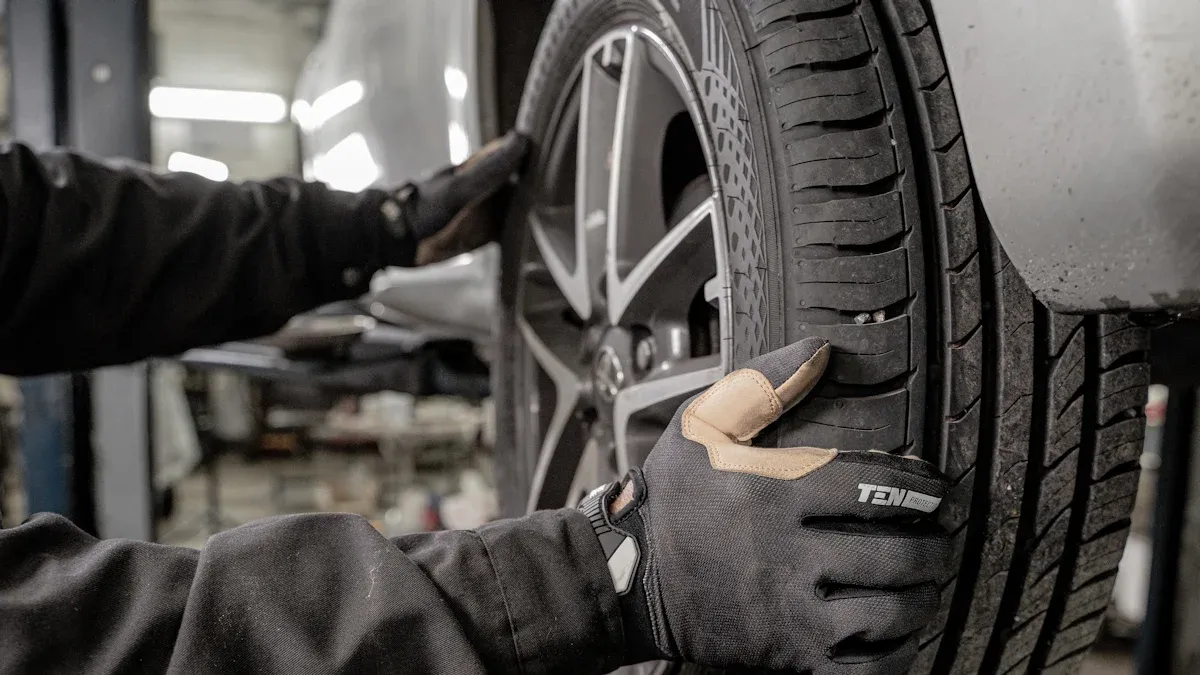
A professional tire repair is a precise, multi-stage process. This step-by-step guide to applying a tire patch outlines the scientific procedure technicians follow to restore a tire’s safety and integrity. Each phase is critical for a durable and reliable outcome.
Inspection and Preparation
The process begins with a thorough inspection. A technician first removes the tire from the wheel to examine both the inside and outside. This internal view is essential for identifying hidden damage that an external check would miss. The U.S. Tire Manufacturers Association (USTMA) sets clear rules for a safe repair.
- The puncture must be in the central tread area of the tire.
- The damage cannot be larger than ¼ inch (6mm) in diameter.
- The tire must have a remaining tread depth of at least 2/32 of an inch.
Technicians use a tread depth gauge to confirm the tire is not too worn. Any damage to the shoulder or sidewall makes the tire unsafe to repair, requiring a full replacement.
Buffing, Cleaning, and Cementing
Next, the technician prepares the inner liner. They use a low-speed buffer to gently roughen the surface around the puncture. This creates a velvety texture that helps the patch bond securely. After buffing, the technician meticulously cleans the area. They use a special brush and a vacuum to remove all rubber dust.
Pro Tip: One of the common mistakes to avoid is cleaning the buffed area with compressed air. Shop air can contain oil and moisture, which contaminate the surface and prevent a strong bond.
Once the surface is clean and dry, the technician applies a thin, even layer of vulcanizing cement. This chemical solution contains polymers and solvents that soften the rubber, preparing it to fuse with the patch on a molecular level.
Patch Application and Sealing
After the cement becomes tacky, the technician carefully centers the patch over the injury and presses it down firmly. They use a special tool called a stitcher to roll over the entire patch from the center outwards. This action applies consistent pressure, removes any trapped air bubbles, and ensures the patch makes complete contact with the tire. This step creates the final airtight seal, permanently restoring the tire’s inner liner and making it safe for the road again.
An Overview of the Different Types of Tire Patches

Not all tire damage is the same, so technicians use different types of tire patches to ensure a safe and effective fix. The choice of patch depends on the size and location of the puncture. Understanding the two main types of tire patches—standard patches and combination units—is key to appreciating the science behind a proper tire repair. Each of these types of tire patches serves a distinct purpose in restoring a tire’s integrity.
Standard Puncture Repair Patches
A standard puncture repair patch is a flat, multi-layered piece of rubber. Technicians apply it to the tire’s inner liner to seal a hole from the inside. These types of tire patches are complex structures made from several key materials:
- Special Rubber Compounds: These materials are designed to match the rubber of the tire.
- Activator Chemicals: These agents help the patch bond strongly to the tire.
- Reinforcement Layers: These layers add strength and help the patch resist pressure.
This type of patch is best for fixing a minor puncture. It works well for damage located in the main tread area of the tire. However, industry standards set clear limits on the puncture size a standard patch can safely fix.
| Tire Type | Maximum Puncture Diameter |
|---|---|
| Passenger Car Tires | 1/4 inch (6mm) |
| Steel Belted Truck Tires | 3/8 inch (9.5mm) |
Any puncture larger than these diameters makes the tire unsafe for this kind of fix.
Advanced Patch-Plug Combination Units
Advanced types of tire patches offer a more complete solution. A patch-plug combination unit is a single piece that combines a patch and a plug. This design allows a technician to perform two critical actions at once. The plug portion fills the puncture channel, while the patch portion seals the inner liner. This method provides a double layer of protection.
This comprehensive approach is the industry standard for a permanent and safe repair. Leading safety organizations agree that simply patching the inside is not enough.
The Tire Industry Association (TIA) and the National Highway Traffic Safety Administration (NHTSA) state that a proper tire repair must fill the injury channel and seal it with a patch. This combination method is the only option they endorse for a safe and proper repair.
This process prevents air and moisture from getting into the tire’s steel belts, which could cause rust and lead to tire failure. For this reason, experts recommend these combination units as the safest and most effective solution for a puncture.
The SUNSOUL Advantage: Manufacturing a Reliable Tyre Patch
The quality of a tire patch is just as important as the repair method. A superior patch ensures a lasting and safe repair. SUNSOUL manufactures its products with advanced engineering and strict quality control. This focus creates a tire patch that drivers and technicians can trust.
Engineered for Superior Adhesion
SUNSOUL engineers its patches for superior adhesion using a special high elastic rubber formula. This material contains anti-aging synthetic rubber. It allows the patch to adapt to extreme temperatures, from -40°C to 120°C (-40°F to 248°F). This resilience makes the patch effective in any climate. The self-vulcanization process creates a permanent seal with the tire rubber. This chemical bond is much stronger than ordinary glues. The adhesive penetrates the tire’s surface, forming a powerful connection at the molecular level.
Quality You Can Trust SUNSOUL’s commitment to quality is proven through rigorous testing. Every patch is checked to ensure it meets high standards.
- Technicians test each patch for proper thickness, adhesion, and sealing power.
- The products also undergo durability tests for heat, pressure, and abrasion.
These steps guarantee that every patch provides a reliable and secure fix for a damaged tire.
A Global Standard in Tire Repair Solutions
SUNSOUL provides tire repair solutions that meet a global standard of excellence. The company’s products are trusted in more than 60 countries. This worldwide recognition comes from a deep commitment to safety and quality. SUNSOUL’s manufacturing facilities adhere to strict international guidelines.
The company holds multiple certifications that confirm its high standards. These credentials show that the products are safe for both users and the environment.
- ISO 9001 certified manufacturing
- RoHS and REACH compliance for material safety
- CE marked and DOT compliant for market access
SUNSOUL also provides Material Safety Data Sheets (MSDS) for its products. This transparency ensures that every tire fixed with a SUNSOUL product is ready for the road.
A professional tyre patch repair is a scientific solution for a damaged tire. It permanently restores the tire’s structural integrity and safety. This process makes the tire safe again. Choosing a high-quality patch is essential for every tire. A superior patch ensures reliable vehicle control and optimal tire performance. This choice protects the safety of everyone on the road and maintains the tire’s long-term performance.
FAQ
Can I drive long distances on a plugged tire?
Experts advise against driving long distances on a plugged tire. A plug is only a temporary solution. It helps a driver get their vehicle to a repair shop. A proper patch is necessary for the long-term safety of the tire.
How long does a professional tire patch last?
A professionally installed patch is a permanent repair. It chemically bonds with the tire rubber. The patch should last for the entire remaining service life of the tire, ensuring the tire remains safe and reliable. A quality tire repair restores the tire’s integrity.
Is it safe to repair a tire on the sidewall?
No, it is never safe to repair a tire’s sidewall. The sidewall flexes constantly during driving. A patch or plug cannot hold securely in this area. Any damage to the sidewall means the tire requires immediate replacement for safety.
Why must a technician remove the tire from the wheel?
A technician removes the tire to inspect its internal structure. This step is crucial for safety. It allows the technician to find hidden damage that is not visible from the outside of the tire. This ensures the tire is safe to repair.
A complete internal inspection is the only way to confirm a tire is suitable for repair. This process protects the driver from a future tire failure.
Can any puncture in a tire be repaired?
No, not every puncture is repairable. For a standard passenger car tire, the puncture must be in the tread area. The damage must also be no larger than 1/4 inch (6mm) in diameter. A larger puncture makes the tire unsafe to fix.