

Ever found yourself stuck on the side of the road with a flat tire? You know how stressful that can get. A tire boot patch helps you fix a damaged tire quickly, so you can get back on the road without waiting for a tow truck. When you learn how to patch a tire, you save time, money, and even avoid dangerous situations.
What Is a Tire Boot Patch?
Definition and Main Purpose
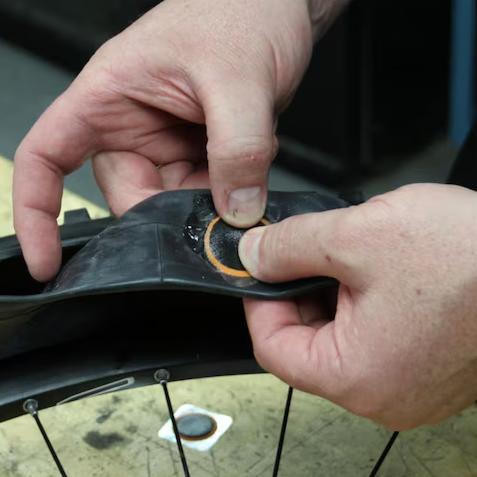
You might wonder what a tire boot patch actually is. A tire boot patch is a strong, flexible piece of material that you place inside your tire when it gets a serious cut or gash. Its main job is to keep the inner tube from bulging out through the damaged area. When you use a tire boot, you spread out the pressure inside the tire. This helps prevent the sidewall from splitting open even more.
Here’s what a tire boot patch does for you:
- Stops the tube from herniating out of a cut or burst.
- Spreads pressure across the damaged area, so you don’t get a bulge.
- Reduces the risk of the tire sidewall unzipping while you drive.
A rubber tire patch is a lifesaver when you face a big tear or slice in your tire. It lets you keep driving safely until you can get a full replacement.
How a Tire Boot Patch Differs from Other Flat Tire Repairs
You have a few ways to fix a flat tire, but not all repairs work the same way. Plug and sealant methods are quick fixes. You just push rubber tire plugs into the hole or squirt some liquid sealant inside the tire. These methods work well for small punctures, like when you run over a nail.
A tire boot patch is different. You need to take the tire off the rim and get to the inside. This repair takes more effort, but it’s the best choice for bigger cuts or sidewall damage. The tire boot patch covers the damaged area from the inside, giving you a strong and lasting fix.
Let’s compare the main repair methods:
| Repair Method | Advantages | Disadvantages |
|---|---|---|
| Tire Boot Patch | Provides a strong internal repair for substantial damage. | May not be suitable for all types of tire damage. |
| Other Methods | Various options available for different puncture sizes. | Some methods may require professional assistance. |
You can fix small holes quickly with plugs or sealants. For bigger problems, a tire boot patch gives you the best shot at getting back on the road safely. Always check your repair to make sure it holds up before you drive far.
Tip: If you’re not sure which repair to use, think about the size and location of the damage. A tire boot patch is your go-to for large cuts or sidewall tears.
SUNSOUL’s Quality Standards for Tire Boot Patches
When you pick a tire boot patch, you want something tough and reliable. SUNSOUL’s tire boot patches stand out because they use thick, flexible rubber. This material molds to the shape of your tire and keeps the patch from peeling off, even on rough roads.
SUNSOUL uses an advanced adhesive that creates a strong bond. This means your tire boot patch stays in place through rain, heat, or cold. The kit comes with sturdy metal tools, like stainless steel tire levers that won’t bend or rust. You can use SUNSOUL’s rubber patch for tires on all kinds of tires—road, mountain, or hybrid. They work with both tubed and tubeless tires, and fit Schrader and Presta valves.
You also get peace of mind with SUNSOUL. The company offers an 18-month warranty and fast after-sales support. Their tire boot patches meet international safety and quality standards, including TUV, ISO9001:2015, and CE certifications. You know you’re getting a product that’s trusted by drivers in over 60 countries.
Note: SUNSOUL’s tire boot patches are compact and lightweight, so you can easily keep one in your car or bike kit for emergencies.
When to Use a Tire Boot Patch for a Flat Tire

Typical Scenarios for Using a Tire Boot Patch
You might wonder when should you patch a tire with an inner tire patch. You usually reach for this solution when you face a flat tire with a bigger hole than normal. If you see a bulge around the puncture after inflating your tire, that’s a sign you need a stronger fix. Sometimes, the rubber gets damaged but the tire fabric stays intact. In these cases, a simple patch inside the tire can keep you safe.
Here are some common situations where a tire boot patch works best:
- You find a larger-than-usual hole in your tire that exposes the inner tube.
- Your tire starts to bulge near the puncture when you add air.
- The damage affects only the rubber, not the fabric, so a patch can hold.
Tire boots are designed for bigger punctures or cuts, especially in the sidewall area. Regular tire repair methods may not give enough support in these cases.
Limitations and When Not to Patch a Tire
Not every flat tire can be fixed with a boot patch. You need to know when should you patch a tire and when it’s better to replace it. Some punctured tires have damage that’s just too severe.
Here’s what you should watch out for:
- Holes larger than ¼ inch cannot be safely repaired.
- Punctures on the side of the tire are not repairable.
- Some tire types are marked by manufacturers as non-repairable.
Trying to patch a tire with a hole bigger than ¼ inch is risky. Sidewall damage is also a no-go for tire repair. If your tire has been patched many times or looks worn out, it’s safer to get a new one. Improper puncture repair can lead to blowouts, especially if you drive fast. Plug-only repairs might let air and moisture inside, causing corrosion and tread separation over time.
Tip: Always remove the tire from the rim to check for hidden damage before you start any repair.
SUNSOUL’s Safety Guidelines for Patched Tires
You want your flat tire repair to last and keep you safe. SUNSOUL recommends a few simple steps to help you drive with confidence after a puncture repair.
- Check your tire pressure often, especially right after the repair.
- Look at the patched area for leaks, bubbles, or cracks.
- After a few hundred miles, ask a professional to inspect your tire repair.
- Watch for strange tread wear or sudden pressure loss.
- Keep an eye on your tire during regular maintenance and listen for odd noises.
Following these steps helps you spot problems early and keeps your punctured tire safe on the road.
How to Patch a Tire with a Tire Boot Patch
Tools and Materials Needed for Tire Boot Patch Application
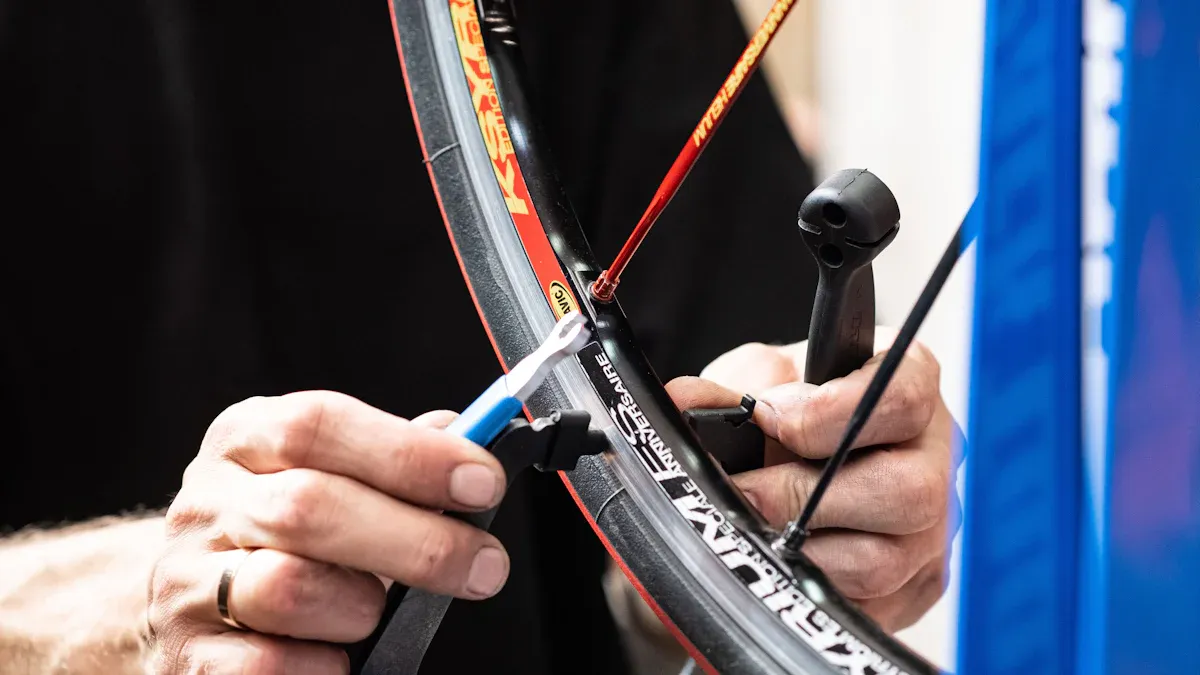
Before you start patching your tire, you need the right tools and materials. Having a complete patch kit in your vehicle makes tire repair much easier. You can use specialized products or improvise with everyday items if you’re in a pinch. Here’s a handy table that shows what you might need for patching your tire:
| Tool/Material | Description |
|---|---|
| Park Tool TB-2 Emergency Tire Boot | A reliable product for tubeless tire boot application. |
| Empty gel wrapper | Works as an emergency boot if you don’t have a patch kit. |
| Piece of plastic from a soda bottle | Flexible and easy to cut to size for tire repair. |
| Old toothpaste tube | Another flexible option for patching an inner tube or tire. |
| Super glue | Helps seal cuts before you patch a tire. |
| Basic tire repair tools | Includes insert tools, cement tools, probe & rasp tools, all essential for tire repair. |
You can use a small half-inch cut on a tubeless tire with super glue and a patch kit. Many riders commute daily without issues after this type of tire repair. Always keep a patch kit in your car or bike bag. You never know when you’ll need to patch a tire or fix a flat.
Step-by-Step Guide to Patch a Tire
Ready to patch a tire? Follow these steps to make sure your tire repair holds up and gets you back on the road safely:
Find the Leak
Look for the spot where air escapes. You can use your eyes or spray a soap and water mix to see bubbles.Remove the Foreign Object
Use pliers or side-cutters to pull out anything stuck in the tire. This step helps prevent more damage.Prep the Area
Clean the puncture site. Use a rasp tool to roughen the surface. This helps the patch kit stick better.Prepare the Plug
Take a rubber strip and feed it through the insertion tool. Make sure it’s ready for tire repair.Insert the Tire Plug
Push the plug into the hole. Twist the tool to set the plug, then pull the tool out.Reinflate the Tire
Fill the tire with air to the recommended PSI. Check your tire repair to make sure it holds.
If you’re patching an inner tube, use the same steps but focus on sealing the tube before putting it back in the tire. Always check your patch kit instructions for extra tips. Patching your tire can be quick if you follow these steps.
Tip: Always double-check your tire repair before you drive away. A good patch kit makes patching your tire easier and safer.
Safety Precautions When Using a Tire Boot Patch
Safety matters when you patch a tire. You want your tire repair to last and keep you safe. Here are some important precautions to follow:
- Clean the rubber surface with De-Natured Alcohol before you use the patch kit.
- Use tire/tube patch glue for a strong bond when patching your tire.
- Layer patches if you have a bigger cut. This adds durability to your tire repair.
- Make sure the boot fits the cut. If it’s too small, it can pull loose while driving.
- Let the adhesive set. Keep the boot in place for enough time so the patch kit works well.
- Buff the surface before you apply the patch. This helps with adhesion and keeps your tire repair strong.
- Only use self-vulcanizing cement. Never use fire during installation, as it can ruin the patch kit and damage the tire.
If you follow these safety tips, you’ll avoid common mistakes when patching your tire. You’ll also make sure your tire repair lasts longer. Patching an inner tube or tire can be safe if you take your time and use the right patch kit.
🚗 Note: Always check your tire after patching. If you see leaks or bulges, get professional help for tire repair.
Effectiveness and Safety of a Patched Tire
How Long a Patched Tire Can Last
You might wonder, how long does a patched tire last? If you use a quality tire repair kit and follow the right steps, your patched tire can last a surprisingly long time. Many experts say a properly patched tire can last between 7 and 10 years. That’s almost as long as a brand-new tire! The key is to make sure the repair covers the flat tire damage completely and that you install the patch correctly. If you take care of your tires and check them often, you can drive with confidence on a patched tire for years.
- A patched tire can last 7–10 years with proper installation.
- Good tire repair keeps you safe and saves money over time.
Risks and Safety Considerations for Patched Tires
Is it safe to drive with a patched tire? Most of the time, yes. A patched tire is much safer than driving on a flat tire or a punctured tire. Still, you need to know the pros and cons of patching. If you drive at high speeds or on rough roads, a poor repair can cause problems. Sometimes, a patched tire may wear out faster because of extra heat. You might also lose the original speed rating of your tire after a repair. Always follow speed limits and check your patched tire for leaks or bulges.
- A patched tire is generally safe, especially compared to a flat tire.
- Stick to recommended speeds after tire repair.
- Poor repairs can lead to safety risks, especially at high speeds.
- Patched tires may wear out faster due to heat.
- The speed rating of a patched tire may be lower than before.
🚦 Tip: If you ever feel unsure about your tire repair, ask a professional to check your flat tire before you hit the road.
When to Replace Instead of Patch a Tire
Sometimes, patching is not the best choice. You should know the pros and cons of patching before you decide. Here are some clear signs you need a new tire instead of another repair:
- The hole is bigger than 1/4 inch or sits on the sidewall or shoulder.
- Your tread depth is less than 2/32 of an inch, even if the damage is small.
- The tire has been repaired many times, or the punctures are close together.
- Your tire had a blowout or hit a pothole, which can cause hidden damage.
- You see uneven or severe wear on your tire.
Replacing a damaged tire costs more than a simple tire repair, but it gives you peace of mind. Patching a flat tire can cost between $10 and $50, while a new tire may cost up to $450. If the damage is near the rim or sidewall, replacement is usually the safest option. Remember, it’s always better to stay safe than to risk driving on a weak or punctured tire.
Practical Tips for Drivers Using Tire Boot Patches
Keeping a Tire Boot Patch Kit in Your Vehicle
You never know when you’ll need to fix a flat or deal with a sudden tube problem. Keeping a tire boot patch kit in your car or bike bag gives you peace of mind. You can handle tube emergencies on the spot, even if you’re far from help. Here’s a quick look at why a patch kit is a smart choice:
| Benefit | Description |
|---|---|
| Emergency Repairs | You can fix a flat tube quickly, even with larger cuts that regular plugs can’t handle. |
| Convenience | You keep moving without waiting for tire repair shops. |
| Versatility | You trim patches to fit any tube size, so you’re always ready. |
| Durable Seal | The patch uses strong, waterproof vinyl that holds under pressure. |
| Reliable Repair | A good patch keeps your tube safe for the rest of your ride. |
| Temporary Solution | You get a safe way to keep going until you reach a tire repair shop. |
If you ride with friends or drive long distances, a patch kit helps you fix a flat tube and get back on the road. You don’t have to wait for a tow or risk damaging your tire.
SUNSOUL’s Recommendations for Emergency Flat Tire Repairs
When you face a tube emergency, SUNSOUL suggests a few steps to keep you safe. First, pull over to a safe spot and turn off your engine. Set the parking brake before you start any tire repair. Always check your tube for damage before you try to fix a flat. If you skip this step, you might make things worse.
Follow these steps for a quick tube fix:
- Make sure the tube has a small puncture, not a blowout.
- Attach the sealant canister to the valve stem carefully.
- Release the sealant as directed, so you don’t spill.
- Use a portable air compressor to reinflate the tube if your kit has one.
- Drive slowly to the nearest tire repair shop, since this fix is temporary.
🚨 Tip: Never skip the inspection step. Not securing your vehicle can cause accidents during tube repair.
You can fix a flat tube and keep moving, but always treat this as a temporary solution. Get a professional tire repair as soon as you can.
Knowing When to Seek Professional Tire Repair Help
Sometimes, you need more than a patch kit for your tube. Watch for these signs that mean you should visit a tire repair shop:
- Visible damage like cracks, bulges, or blisters on the tube or tire.
- Persistent vibrations while driving, which can mean tube imbalance.
- Tube pressure issues, such as a tube that feels flat or soft.
- Uneven wear on the tube, which can point to alignment problems.
- Warning lights on your dashboard for low tube pressure.
- Cracks in the sidewall or tread of the tube.
- Tube bulges or blisters, which can lead to blowouts.
- Excessive road noise from the tube.
- Low tread depth, which affects tube traction and safety.
DIY tube repairs help you fix a flat quickly, but you should always get a professional tire repair after. Experts have the tools and skills to check your tube and tire for hidden problems. They know when a tube needs a patch or a full replacement. You stay safer when you let professionals handle serious tube damage.
You want to stay safe and keep your tires in good shape. Here are some tips for using tire boot patches:
- Check patched tires often to make sure the repair holds.
- Patch only the tread area, not the sidewall.
- Use gloves and goggles when you work.
- Set wheel chocks before you start.
Choosing SUNSOUL’s tire boot patches gives you peace of mind. Keep a patch kit in your car so you’re ready for any flat tire emergency. 🚗
FAQ
How do I know if my tire needs a boot patch or a regular plug?
You should use a boot patch when you see a large cut or a bulge in your tire. Small holes from nails or screws work best with a regular plug.
Can I use a tire boot patch on my bicycle tire?
Yes, you can use a tire boot patch on your bicycle tire. It helps cover big cuts and keeps you riding safely until you get a new tire.
How long does it take to apply a tire boot patch?
You can finish the job in about 10 to 15 minutes. Just follow the steps in your patch kit and make sure the area is clean before you start.
Is it safe to drive fast after using a tire boot patch?
You should drive slowly and avoid high speeds after using a tire boot patch. The patch is a temporary fix, so get your tire checked by a professional soon.
Do I need special tools for a tire boot patch?
You need basic tools like a tire lever, patch, and glue. Most patch kits include everything you need for a quick repair.