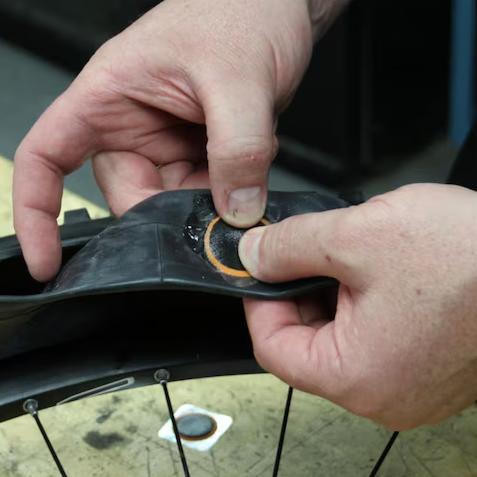


Some punctures cannot be fixed, even with the best tire patch. Tire safety groups say some repairs are not safe. These cases include:
Punctures in the sidewall or shoulder
Holes bigger than 1/4 inch in the tread
More than one puncture or overlapping holes
Tread that is too worn down
A flat tire with these issues cannot be fixed safely. Using the right repair, like a radial patch, keeps people safe. Knowing when a rubber tire patch can be used helps stop accidents. It also ensures that every trip is safe.
Key Takeaways
Punctures in the sidewall or shoulder cannot be fixed safely. These spots are important for tire strength.
Holes bigger than 1/4 inch in the tread mean you need a new tire. Big punctures make the tire too weak.
Many or overlapping punctures make the tire unsafe. If there is more than one puncture, it is best to get a new tire.
Always ask a tire expert to check for damage. They can tell if the tire can be fixed or must be replaced.
Put safety first by changing tires with bad damage. A new tire works better and lowers the chance of accidents.
Types of Punctures That Cannot Be Repaired
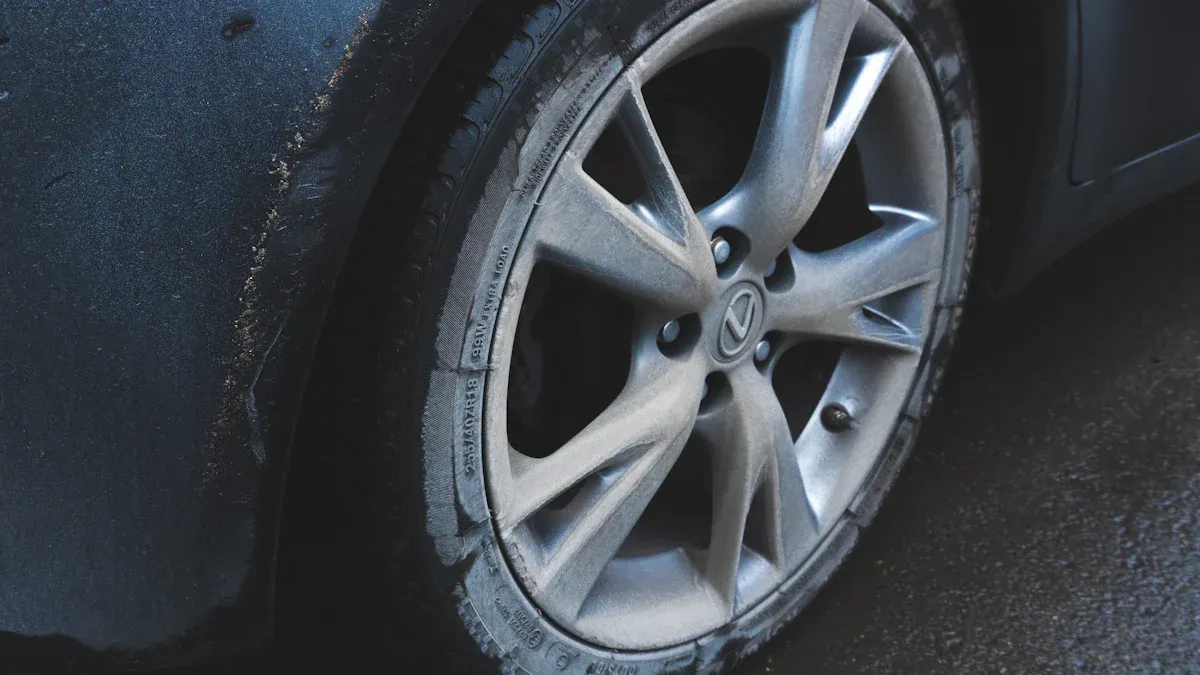
Sidewall and Shoulder Damage
The sidewall of a tire plays a key role in keeping the tire strong and safe. It flexes and bends every time the car moves. When a puncture happens in the sidewall, the tire loses its strength. Tire experts warn that sidewall punctures can lead to blowouts. John Nielsen from AAA explains that a damaged sidewall almost always leads to a blowout. The question is not if, but when it will happen.
The shoulder area sits between the tread and the sidewall. This part of the tire faces heavy forces and flexing. Repairs in the shoulder do not restore the tire’s full strength. The U.S. Tire Manufacturers Association says that repairs in the sidewall or shoulder are not allowed. Only the tread area is safe for a tire patch. Punctures on the sidewall or shoulder put drivers at risk. These types of punctures should never be repaired.
Note: Zipper ruptures can also happen in the sidewall. These look like small cuts but can cause the tire to burst without warning.
Large Punctures Over 1/4 Inch
The size of the puncture matters when deciding if a tire can be fixed. Industry guidelines say that the maximum size of a puncture that can be safely repaired is 1/4 inch (6 mm). If the hole is bigger, the tire cannot be fixed with a tire patch. Large punctures weaken the tire too much. They make the tire unsafe for driving.
Here is a quick look at the maximum safe puncture size for different tires:
Tire Type | Maximum Puncture Diameter |
|---|---|
Passenger Car Tires | 1/4 inch (6mm) |
Steel Belted Truck Tires | 3/8 inch (9.5mm) |
A trained technician should check the tread and the size of the puncture before any repair. Large punctures over 1/4 inch in the tread mean the tire must be replaced. No patch can make these tires safe again.
Multiple or Overlapping Punctures
Sometimes, a tire gets more than one puncture. If these holes are close together or overlap, the tire becomes weak. Tire repair guidelines say that one repair can make a tire safe again. More than one repair increases the risk of failure. Overlapping repairs can make the tire lose its shape and strength.
Multiple repairs can lead to tire failure, especially at high speeds.
Overlapping punctures damage the tire’s structure.
If a tire needs more than two repairs, it is safer to replace it.
Tires with several punctures or overlapping holes should not be fixed. The risk of a blowout is too high. Drivers should always choose safety and get a new tire in these cases.
Why Some Punctures Cannot Be Repaired
Structural Risks and Safety Issues
Tires help keep cars safe. If a puncture is in the wrong spot, the tire cannot protect you. The sidewall and shoulder get a lot of stress. A cut or hole in the sidewall makes the tire weak. This can cause a blowout, which is very risky.
The sidewall is very important for the tire’s strength. Holes or cuts here cannot be fixed. They make the tire too weak and can cause a blowout.
Only the tread is safe for repairs. If damage is near the shoulder or the hole is bigger than 1/4 inch, it cannot be fixed. Many holes close together also make the tire weak. Overlapping holes or showing plies or cables means the tire is not safe anymore.
Here is a table that explains why some punctures cannot be fixed:
Evidence | Explanation |
|---|---|
Small punctures (less than a quarter inch) are repairable. | The size of the hole changes the tire’s strength. |
Larger punctures compromise structural integrity and are typically not fixable. | Big holes make the tire unsafe. |
Multiple punctures close to each other may not be safe to repair. | Many holes can cause the tire to fail. |
If you ignore small damage, air can leak out slowly. This can make it harder to steer or stop. If the damage gets worse, the tire can lose air fast. This makes a blowout more likely, especially when driving fast.
Limits of Tire Patch Technology
Tire patch products, like Sunsoul, use strong materials to fix holes in the tread. These patches work best in the middle of the tread. Companies have rules for safe repairs:
Repairs should only be in the crown, which is the middle of the tread.
The biggest hole that can be fixed is 1/4 inch wide.
Holes outside the tread or with bulges in the sidewall cannot be fixed.
Good repairs need both a rubber stem and a patch.
Today’s technology cannot fix every kind of damage. Using heat by hand can change how well the patch works. How good the technician is also matters. Pre-cured patches are easy to use, but they are not always as strong as other methods. Even the best patch cannot fix a tire with exposed plies or cables, or one that is badly damaged. Safety is always the most important thing.
Identifying Irreparable Tire Damage

Visual Signs of Unrepairable Punctures
You can find tire damage by looking for certain signs. Some things you see show a tire cannot be fixed with a tire patch. These clues help drivers know if a tire is safe to fix or needs a new one.
Cracks on the tread or sidewall mean the tire is weak.
Bulges on the sidewall change the tire’s shape and show inside damage.
Cuts on the sidewall can cause blowouts and make the tire unsafe.
Blisters or bubbles on the sidewall show hidden problems inside the tire.
Deep gouges or overlapping punctures make the tire weaker.
A tire with these problems might not hold air or could fail while driving. Drivers should look for these signs before trying to fix a flat.
When to Replace Instead of Repair
Tire experts use clear rules to know when a tire must be replaced. The table below lists common reasons to get a new tire instead of fixing it:
Criteria | Description |
|---|---|
Damage to the Sidewall | Any cut, gouge, or bubble in the sidewall means the tire is unsafe and must be replaced. |
Large or Angled Puncture | Punctures bigger than ¼-inch or at a sharp angle cause too much internal damage for repair. |
Visible Internal Damage | If steel belts or fabric cords show, the tire’s structure is compromised and cannot be fixed. |
Tread Wear Below Legal Limit | Tread depth less than 2/32 of an inch is unsafe; use the penny test to check tread depth. |
Big tire damage, like a large hole or deep cut, means you should not fix the tire. Worn-out tread also makes the tire unsafe. Many repairs make the tire more likely to fail. Driving on a damaged tire can make it hard to steer, stop, or control the car. It can also waste gas and wear out other car parts faster. Getting a new tire keeps everyone safe on the road.
What to Do If Your Puncture Cannot Be Repaired
Consult a Tire Professional
If your flat tire cannot be fixed, you should ask a tire expert for help. Tire professionals know how to check the damage and decide what to do. They take the tire off the rim to look inside. This helps them find problems you cannot see from the outside. They use special tools to clean the damaged spot and get it ready for a tire patch if it can be fixed. If the damage is too bad, they will tell you to get a new tire.
Tip: Always let a certified technician fix or change your tire. This keeps your car safe and stops more problems later.
Tire professionals often have special training. The table below shows what makes a good expert:
Qualification/Requirement | Description |
|---|---|
4-year degree in engineering | Required educational background |
4+ years of experience with a licensed engineer | Necessary practical experience |
Completed and passed comprehensive exams | Certification requirement |
Ongoing education and training | Continuous professional development |
Safe Replacement Options
If your puncture cannot be fixed, getting a new tire is the safest thing to do. The National Highway Traffic Safety Administration says to use both a plug and a patch for small holes in the tread. For big holes, sidewall damage, or many punctures, you must get a new tire.
Here are steps to follow if your tire cannot be fixed:
Check the tire pressure and see how bad the problem is.
Put on the spare tire if you have one.
Read your car’s manual to know how to use the spare.
When you pick a new tire, think about safety, price, and how long it will last. The table below shows how getting a new tire is different from other repairs:
Aspect | Tire Replacement | Vulcanization |
|---|---|---|
Safety | Higher level of safety | Higher risk for safety |
Longevity | Longer-lasting performance | Shorter tire lifespan |
Financial Implications | Higher upfront cost | Generally cheaper |
Warranty | Does not void warranty | May void warranty |
You should always think about safety when fixing or changing tires. Never use a tire that cannot be fixed. Good repairs and new tires keep everyone safe on the road.
Some tire damage is too bad to fix. Safety is the most important thing when choosing to repair or replace a tire. You need a new tire if there is sidewall damage, a big hole, or holes that overlap. Drivers should remember these things:
A flat tire is not safe and should be replaced right away.
Only small holes in the tread, less than 1/4 inch, can sometimes be fixed.
Not listening to experts can make repairs cost more and cause accidents.
If you are not sure, ask a tire expert what to do.