
Ever had a flat tire when you least expected it? You don’t need to panic or wait for roadside assistance. With a tire plug and patch kit, you can get back on the road in no time. SUNSOUL’s tire repair kit is made for everyday drivers like you. You don’t need to be an expert—just follow a few simple steps and you’ll fix your tire with confidence.
What Is a Tire Plug and Patch Kit?
A tire plug and patch kit helps you fix a flat tire when you are stuck on the road. You do not need to call for help or wait for a tow truck. With a tire repair kit, you can handle most small punctures by yourself. This kit gives you the tools you need to get moving again quickly and safely.
Key Components in a Tire Repair Kit
When you open a tire repair kit, you will find several important tools. Each tool has a job to do. Here is what you can expect to see:
- A reamer tool helps you clean and widen the hole in your tire.
- Tire plugs seal the hole from the outside. You push them into the puncture to stop air from leaking.
- A plug insertion tool lets you place the plug deep into the tire.
- Rubber cement or adhesive helps the plug stick and seal better.
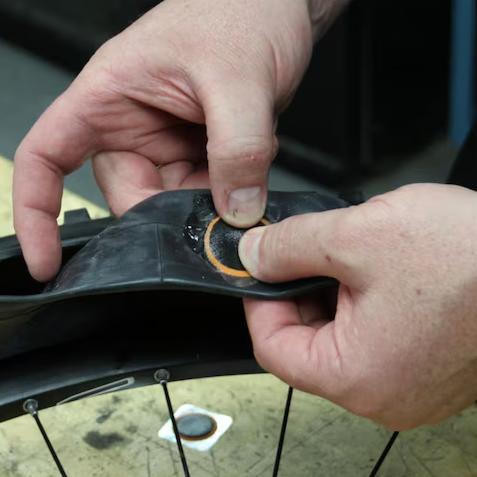
- Some kits include tire patches. These patches go inside the tire for a stronger, longer-lasting fix.
- You may also find a small knife to trim extra plug material and gloves to keep your hands clean.
Tire repair kits stand out from other emergency solutions. Here is how they compare:
- Tire plugs are quick and easy to use. You can install them in minutes, which is great when you are in a hurry.
- Tire patches last longer and give you a more secure repair, but they take more time and effort.
- To use a plug, you clean the hole and insert the plug with a tool. For a patch, you must remove the tire from the rim.
- A patch can last for years if you install it right.
- Plugs can sometimes loosen over time, so you should check your tire pressure after using one.
SUNSOUL’s Tire Plug and Patch Kit Features
SUNSOUL’s tire repair kit gives you everything you need for a fast and safe fix. The company makes over two million tire patches every month. Drivers in more than 60 countries trust these products. SUNSOUL’s kits work for bikes, motorcycles, cars, trucks, and even farm vehicles.
You get strong, thick patches with a round shape. This shape helps prevent peeling and keeps the patch in place. The patches use vulcanizing gum, which seals leaks and works on many tire sizes. SUNSOUL also offers rubber solution, mounting paste, cushion gum, and sealants in their kits.
If you ever need help, SUNSOUL supports you with technical training and fast after-sales service. You can count on their tire repair kit for quality and peace of mind, no matter where you drive.
Why Use a Tire Plug and Patch Kit for Roadside Flats?
Fast and Convenient Tire Repair
When you get a flat tire, you want a quick fix. A tire repair kit lets you handle the problem right away. You do not have to wait for roadside assistance to arrive. You can get back on the road in minutes. This saves you time and keeps your day on track.
Here are some reasons why a tire repair kit is a smart choice:
- You save time because you do not wait for help.
- You avoid extra costs from calling roadside assistance.
- You feel confident because you can fix a flat tire by yourself.
- You keep your tire in good shape, which can help your car use less fuel.
You might wonder how fast a tire repair kit works compared to other methods. Take a look at this table:
| Method | Speed of Repair | Permanence of Repair | Ideal Use Case |
|---|---|---|---|
| Tire Plug | Quick | Temporary | Small punctures, emergency fixes |
| Tire Patch | Slower | Permanent | Larger punctures, long-term repairs |
A tire plug works fast for small holes. A patch takes more time but gives a stronger fix. Both options in your tire repair kit help you stay safe and mobile.
Preventing Further Tire Damage
Fixing a flat tire right away does more than just get you moving. It also protects your tire from more damage. If you keep driving on a flat tire, you can ruin the tire or even damage your wheel. That means you might need a new tire or face a bigger repair bill.
A tire repair kit lets you stop air leaks before they get worse. You can seal the hole and keep your tire strong. You also avoid waiting for roadside assistance, which can take a long time. With a tire plug and patch kit in your car, you take control of the situation and keep your tires in top shape.
Tip: Always check your tire pressure after using a tire repair kit. This helps you make sure your fix worked and your tire stays safe.
Step-by-Step Guide: Using a Tire Plug and Patch Kit
Safety Preparation Before Tire Repair
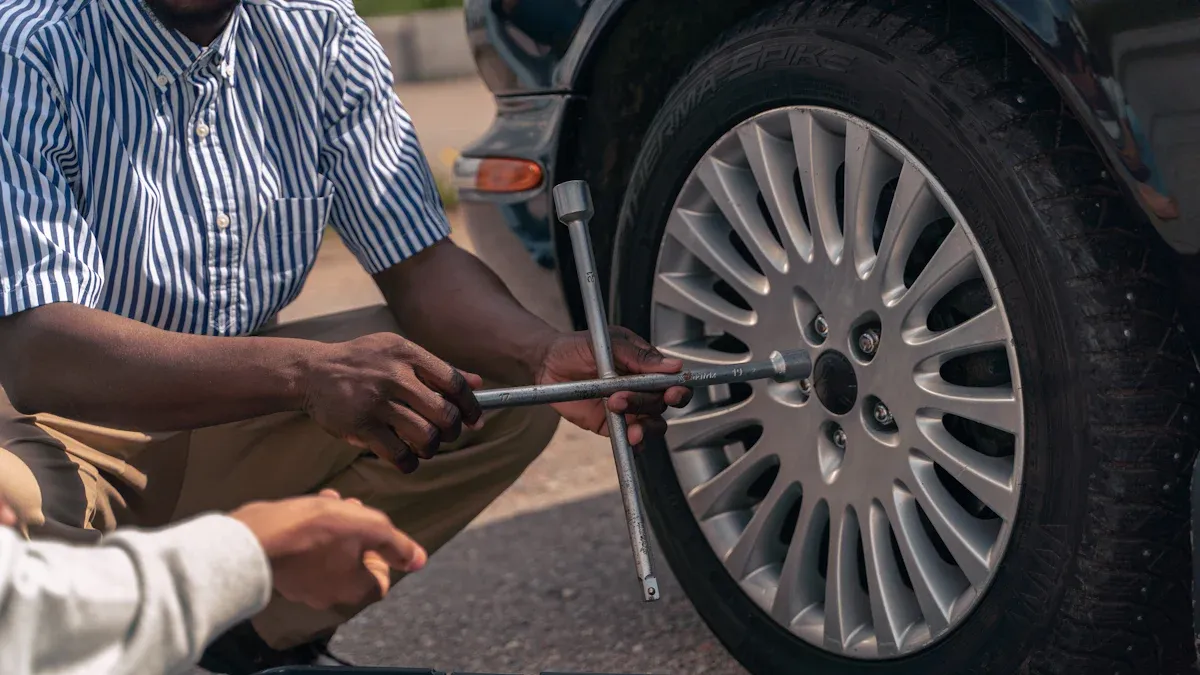
Before you start fixing your flat tire, you need to make sure you and your car are safe. Pull your vehicle off the road to a flat, stable spot. Turn on your hazard lights so other drivers see you. Set your parking brake. Place wheel chocks behind the tires to keep your car from rolling. Safety always comes first.
Here’s a quick checklist of what you should have ready:
- Wheel chocks to stop your car from moving
- Car jack to lift your vehicle
- Jack stands for extra support
- Gloves to protect your hands and give you a better grip
- Lug wrench to loosen and tighten the lug nuts
- Torque wrench to make sure the lug nuts are tight enough
- Tire repair kit with tire plugs and patches
Tip: Always wear gloves when working with a tire repair kit. They keep your hands clean and safe from sharp objects.
Locating and Assessing the Tire Puncture
Now it’s time to find out where your tire is leaking. Start by looking closely at the tire. Sometimes you can spot a nail, screw, or sharp object stuck in the tread. If you don’t see anything, listen for a hissing sound. That noise often means air is escaping.
You can also feel around the tire for any air blowing out. If you still can’t find the leak, mix some soap and water and pour it over the tire. Watch for bubbles. Bubbles show you exactly where the air is leaking.
Once you find the puncture, check how bad it is. Look at the size and location. Punctures smaller than 1/4 inch in the tread area are usually safe to fix with tire plugs. If the hole is in the sidewall or bigger than 1/4 inch, you should not try to repair it. Multiple holes close together can also make the tire unsafe. In those cases, you need a new tire.
Here’s a simple way to check if you can use your tire repair kit:
- Measure the puncture. If it’s smaller than 1/4 inch, you can fix it.
- Check the spot. If it’s in the tread, you’re good. If it’s in the sidewall, don’t repair it.
- Count the holes. If there are several close together, replace the tire.
Note: Tire sealants and tire plugs work best for small holes in the tread. They are not safe for big holes or sidewall damage.
Plugging a Tire: Quick Fix Method
You found the puncture and made sure it’s safe to repair. Now you can use your tire repair kit to plug the hole. This method works fast and gets you back on the road quickly.
Follow these steps to plug your tire:
- Remove the object causing the leak, like a nail or screw, using pliers.
- Take the reamer tool from your tire repair kit. Push it into the hole and twist it to clean and widen the opening.
- Grab a tire plug and thread it through the plug insertion tool.
- Add a little rubber cement or lubricant to the plug. This helps it slide in and seal better.
- Push the plug into the hole until only a small piece sticks out.
- Pull out the insertion tool, leaving the plug in place.
- Use a knife to trim any extra plug sticking out of the tire.
- Inflate the tire to the right pressure. Use a gauge to check.
- Pour soapy water over the repair. If you don’t see bubbles, your fix worked.
Tire plugs are great for quick fixes. You can use them to seal small holes and keep driving. A well-done plug repair can last between 7 to 10 years under normal driving conditions. Still, remember that tire plugs are usually a temporary solution. If you want a more permanent fix, you can patch the tire from the inside later.
🚗 Pro Tip: Always check your tire pressure after using a tire repair kit. This helps you make sure your tire is safe before you hit the road.
Patching a Tire: Secure and Lasting Solution
When you want a fix that lasts, patching your tire is the way to go. Using tire patches gives you a strong, secure repair that can keep you rolling for a long time. If you have a tire repair kit with patches, you have everything you need for a professional-level fix right in your trunk.
Let’s walk through the steps together:
-
Remove the Tire
First, take the tire off your car. Use your jack and tools from your tire repair kit. This step helps you reach the inside of the tire, where the real magic happens. -
Find the Puncture
Look for the hole from the inside. You might see light shining through or feel air escaping. Mark the spot so you don’t lose it. -
Prep the Area
Clean the area around the puncture. Use the buffer tool from your tire repair kit to rough up the surface. This helps the patch stick better. Wipe away any dust or debris. -
Apply Rubber Solution
Spread a thin layer of rubber solution over the spot. Wait a few minutes until it gets tacky. This step makes sure the tire patches bond tightly. -
Place the Patch
Peel the backing off your patch. Press it firmly onto the puncture. Use the roller tool from your tire repair kit to smooth out any air bubbles. Make sure the edges are sealed all the way around. -
Check Your Work
Wait a few minutes for the patch to set. Inspect the patch to make sure it’s flat and secure. You want no gaps or loose edges. -
Reinstall and Inflate
Put the tire back on your car. Inflate it to the right pressure. Use soapy water to check for leaks. If you see no bubbles, your tire repair is complete!
🛠️ Tip: Always keep a few extra tire patches in your tire repair kit. You never know when you’ll need another one!
Why Choose Tire Patches?
Tire patches offer a long-term solution. They work from the inside, sealing the puncture and reinforcing the tire wall. You get a repair that can last for years if you do it right. Many drivers trust tire patches because they hold up under tough conditions.
Here’s a quick table to show you the difference between plugs and patches:
| Feature | Tire Plug | Tire Patch |
|---|---|---|
| Location | Outside of tire | Inside of tire |
| Repair Strength | Temporary | Permanent |
| Time to Install | Fast | Takes longer |
| Best For | Small punctures | Larger or tricky holes |
If you want peace of mind, always choose tire patches for a secure fix. SUNSOUL’s tire repair kit includes high-quality tire patches that work on cars, trucks, bikes, and more. These patches use vulcanizing gum for a leak-proof seal. You can trust them to keep you safe on the road.
Note: Tire patches work best for holes in the tread area. If you see damage on the sidewall, it’s safer to replace the tire.
With a good tire repair kit, you can handle most flats by yourself. You save time, money, and stress. Next time you hit a bump in the road, you’ll know exactly what to do!
Plug or Patch? Choosing the Right Tire Repair Kit Method
Types of Tire Punctures and Best Repair Options
You might wonder which method works best for your flat tire. Not all punctures are the same, so you need to match the right fix to the damage. Your tire repair kit gives you options, but knowing when to use tire plugs or patches makes all the difference.
Take a look at this table. It shows which repair type fits each kind of puncture:
| Repair Type | Best Suited For |
|---|---|
| Tire Patches | Larger punctures in the tread area (not on sidewall) |
| Tire Plugs | Small punctures (usually less than 1/4 inch) in tread area |
If you spot a small hole in the tread, tire plugs from your tire repair kit can seal it quickly. These work best for punctures less than 1/4 inch wide. You can handle this repair yourself and get back on the road fast.
For bigger holes in the tread, patches offer a stronger fix. Your tire repair kit includes patches for these situations. Patches work from inside the tire and last longer. You should avoid trying to fix sidewall damage with either method. Sidewall punctures need a new tire for safety.
Let’s look at some limitations for each method:
| Method | Limitations |
|---|---|
| Patch | – More labor-intensive procedure requiring tire demounting and meticulous preparation. – Requires specialized tools and expertise for reliable application. – Higher associated costs due to labor and professional intervention. |
| Plug | – Less durable, considered a temporary solution for larger punctures. – Risk of enlarging the puncture during the reaming process. – Not suitable for sidewall damage, which can lead to blowouts. – Potential for gradual air loss over time. |
You can see that tire plugs are quick and easy, but they work best for small holes. Patches take more effort, but they give you a permanent fix. Your tire repair kit helps you choose the right method for each situation.
Quick Tips for Deciding Between Plug and Patch
Choosing between tire plugs and patches doesn’t have to be confusing. You just need to look at a few key factors. Your tire repair kit gives you both options, so you can pick the best one for your flat.
Here are some quick tips to help you decide:
- Check the size of the puncture. If the hole is small and in the center of the tread, tire plugs from your tire repair kit are your best bet. You can fix it fast and get moving.
- Look at the location. Tire plugs work well for tread punctures. If the damage is near the sidewall or the hole is bigger, use a patch from your tire repair kit for a stronger repair.
- Think about how long you need the fix to last. Tire plugs are great for temporary repairs. If you want a permanent solution, patches are the way to go.
- Consider your skills and tools. You can use tire plugs yourself with your tire repair kit. Patches need more work and sometimes professional help.
- Watch the weather. Wet conditions can make patch repairs tricky. Moisture can loosen the adhesive and let water inside the tire, which may cause rust or more damage. If you’re working in the rain, tire plugs might be easier to use.
🚗 Tip: Always inspect your tire after any repair. If you see more damage or the fix doesn’t hold, visit a tire shop for help.
When you use your tire repair kit, you get peace of mind knowing you can handle most flats. Tire plugs give you a quick fix, while patches offer a lasting solution. By checking the size and location of the puncture, you can choose the right method every time.
Safety Tips and Common Mistakes with Tire Repair Kits

Essential Safety Precautions
When you fix a flat tire on the side of the road, safety comes first. You want to avoid accidents and make sure your repair lasts. Here are some important steps to follow:
- Park your car on a flat, stable surface and turn on your hazard lights.
- Always secure your vehicle with the parking brake and wheel chocks before starting.
- Wear gloves to protect your hands from sharp objects and chemicals.
- Use the reamer and insertion tool carefully. Guide them straight into the puncture to avoid making the hole bigger.
- Add adhesive to tire plugs for a strong seal. This helps fill small gaps and keeps air from leaking out.
- Insert the plug until it sits snugly, then rotate the tool gently to lock it in place.
- Trim any extra plug material so it is flush with the tire surface.
- Inflate the tire using a portable air compressor. Check the pressure with a gauge and match it to your car’s recommended settings.
- Listen for any hissing sounds while inflating. This can help you spot a faulty seal.
- After you finish, check the repaired area with soapy water. Bubbles mean air is still leaking.
- Plan to have a professional inspect your tire soon, even if your repair seems solid.
🚦 Tip: Even if you fix your tire yourself, schedule a full inspection later. This keeps you safe and helps your tire last longer.
Mistakes to Avoid During Tire Repair
Many drivers make simple mistakes when using tire repair kits. These mistakes can lead to bigger problems or even unsafe driving. Here are some things you should watch out for:
- Skipping a full inspection of the tire. You might miss hidden damage that could cause trouble later.
- Forgetting to secure your car before starting the repair. This can lead to accidents.
- Using tire plugs for holes that are too large or in the sidewall. This makes the repair unsafe.
- Not trimming the plug flush with the tire. Extra material can catch on the road and pull out the plug.
- Relying only on temporary fixes and not getting a professional check afterward.
Improper use of a tire repair kit can cause more harm than good. Take a look at this table to see some risks:
| Key Points | Explanation |
|---|---|
| Risks of plug-only repairs | These can lead to serious accidents if the seal is not strong enough. |
| Delayed failure | A bad repair might last for years before failing, giving you false security. |
| Inadequate sealing of punctures | Tire plugs alone may not seal the inner liner, leading to air loss. |
| Importance of proper inspection | Only a trained technician can spot hidden damage inside the tire. |
If you ever feel unsure, roadside assistance can help you stay safe. Remember, your tire repair kit is a great tool, but using it the right way makes all the difference.
The Benefits of Keeping a SUNSOUL Tire Plug and Patch Kit in Your Car
Quality, Reliability, and Global Trust
When you keep a SUNSOUL tire plug and patch kit in your car, you get more than just a quick fix. You get a product trusted by drivers in over 60 countries. SUNSOUL builds strong plugs and vulcanizing patches that seal leaks and last for years, even on rough roads. You can count on these kits to work with all types of tubeless tires, so you never have to worry about compatibility.
Take a look at how SUNSOUL compares to other brands:
| Feature | SUNSOUL Tire Repair Kit | Other Brands |
|---|---|---|
| Durability | Long-lasting performance | Quick repairs |
| Ease of Use | Simple tools for fast repairs | Compact designs |
| Warranty | 1-year warranty, 18-month on patches | Varies by brand |
| Technical Support | Free training and expert help | Limited support |
| Compatibility | Works with all tubeless tires | Varies by brand |
You get a tire repair kit that stands out for its reliability and support. SUNSOUL offers free technical training and expert advice, so you always know what to do. The warranty gives you extra peace of mind, making sure your investment is protected.
Convenience, Support, and Peace of Mind
Imagine getting a flat tire far from home. With a SUNSOUL tire repair kit in your trunk, you can fix the problem quickly and keep moving. You save time and avoid the stress of waiting for roadside help. The kit’s ergonomic design makes repairs easy, even if you’ve never fixed a tire before.
Here’s what you gain:
- Quick repairs get you back on the road fast.
- Strong patches and plugs create a lasting seal.
- Universal compatibility means you can use the kit on any tire.
- Free expert support helps you handle any situation.
- Competitive pricing and a long warranty protect your wallet.
🚗 You never know when a flat tire will happen. Carrying a SUNSOUL tire repair kit means you’re ready for anything. You get peace of mind knowing you can handle small problems yourself and avoid extra expenses.
You never know when a flat tire will slow you down. With a SUNSOUL tire plug and patch kit, you can fix the problem fast and skip waiting for roadside assistance. This kit saves you money on repairs and helps you avoid costly tire replacements. You stay safe, prepared, and ready to handle emergencies without stress. Why wait for roadside assistance when you can get back on the road in minutes?
FAQ
How long does a tire plug or patch repair last?
A tire plug can last for several months if you install it correctly. A patch usually lasts for years. Always check your tire pressure after any repair to make sure the fix holds.
Can I use a SUNSOUL kit on any type of tire?
Yes! You can use a SUNSOUL tire plug and patch kit on bikes, motorcycles, cars, trucks, and even farm vehicles. The kit works with most tubeless tires.
Is it safe to drive long distances after using a tire plug?
You can drive short distances with a plug, but plan to get a permanent repair soon. For long trips, a patch gives you more safety and peace of mind.
What should I do if the tire keeps losing air after repair?
If your tire keeps losing air, check the repair spot for leaks. Use soapy water to look for bubbles. If you see bubbles, the seal did not hold. Try the repair again or visit a tire shop.