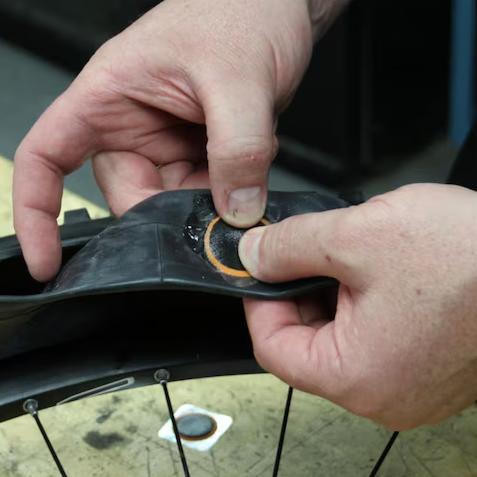

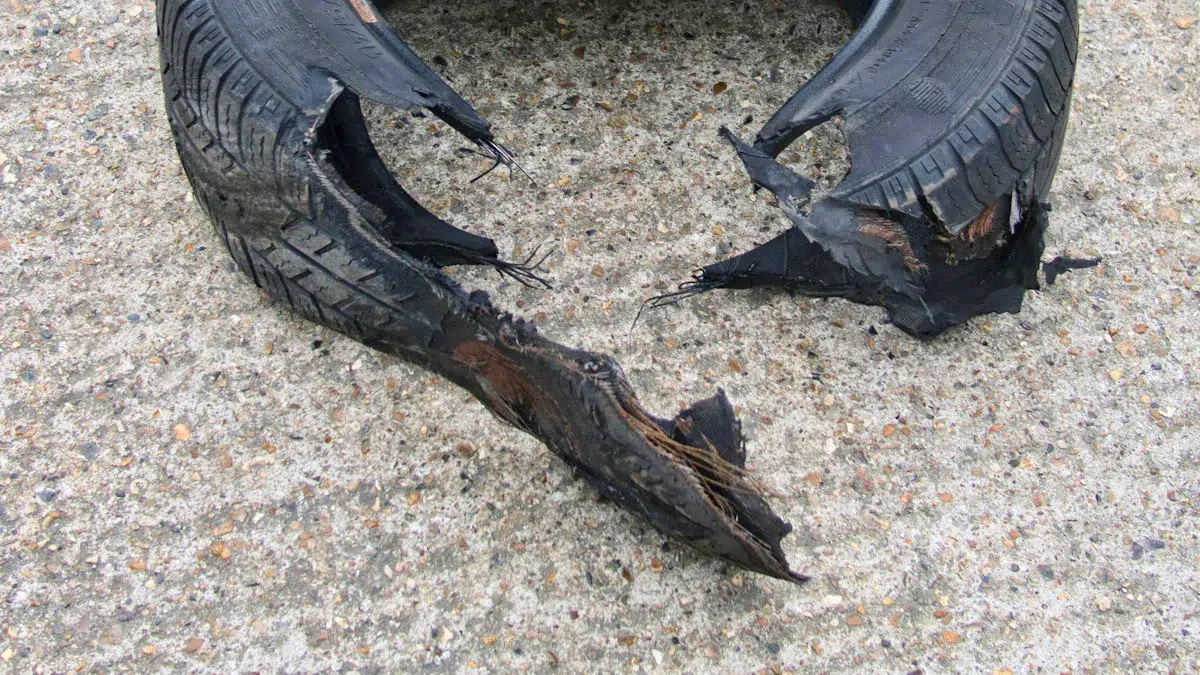
The definitive answer is no. You should never use a tire plug in sidewall. Attempting to patch the sidewall of a tire creates a severe risk of a sudden, catastrophic blowout. Your personal safety is the top priority.
According to the National Transportation Safety Board, tire-related problems contribute to an average of 33,000 accidents in the U.S. each year.
A damaged sidewall compromises the entire tire’s structure. For this reason, any puncture or cut on the sidewall means you must replace the tire immediately.
The Dangers of a Tire Plug in Sidewall
Using a tire plug in sidewall damage might seem like a quick and easy solution. However, you are creating a significant and unnecessary risk. The structural design of the sidewall makes this type of repair extremely hazardous. Understanding these dangers will help you make the right choice for your safety.
A False Sense of Security
A tire plug can sometimes hold air for days, weeks, or even longer. This creates a false sense of confidence. You might believe you have permanently fixed the problem. In reality, you are driving on borrowed time.
- A plug-only repair is not a complete or permanent solution. Major industry authorities, like the U.S. Tire Manufacturers Association (USTMA), do not approve it.
- The plug acts only as a temporary fix. Its real purpose is to help you drive a short distance to a professional tire shop for a proper inspection.
- You cannot see hidden damage inside the tire. A plug seals the outside, but it prevents a technician from performing an internal inspection to find serious structural issues.
This false security masks the real dangers of driving on a plugged tire, putting you and others at risk.
The High Risk of a Sudden Blowout
The greatest danger of a tire plug in sidewall is a sudden, catastrophic blowout. The sidewall flexes constantly as you drive. A simple plug cannot withstand these forces. It will eventually fail.
Moisture and air can seep past the plug and into the tire’s internal structure. This moisture causes the steel belts inside the tire to rust and corrode. The corrosion weakens the bonds holding the tire together, which can lead to belt separation and a sudden loss of air pressure at high speed.
A notable court case, Falco v. Copeland, highlighted this exact risk. An accident was allegedly caused by tire failure after string plugs were used for repairs. Experts in the case testified that this method is unreliable and can lead to the separation of tire plies, creating a severe hazard.
This shows that a failed plug isn’t just an inconvenience; it’s a direct cause of dangerous accidents.
Compromising the Tire’s Structural Integrity
A tire’s sidewall provides essential strength and stability. It supports the entire weight of your vehicle. When you puncture the sidewall, you damage its fundamental structure. A plug is simply a piece of rubbery string forced into a hole. It does not restore the intricate layers of fabric and rubber that give the sidewall its strength.
The plug just fills the gap. It does not bond with the tire’s structure or reinforce the damaged area. Every time the tire rotates, the compromised sidewall flexes around the weak point created by the plug. This continuous stress concentrates on the damaged area, making a blowout almost inevitable. You are essentially driving on a tire with a critical weak spot that could fail at any moment.
Why the Sidewall is a No-Repair Zone
You might wonder why a small hole in the sidewall is so different from one in the tread. The answer lies in the tire’s design and the unique job the sidewall performs. It is not just a simple wall of rubber; it is an engineered component that is critical to your vehicle’s performance and safety. Attempting to use a tire plug in sidewall ignores the fundamental purpose of this part of the tire. This area is a “no-repair zone” for very specific and important reasons.
The Critical Role of the Sidewall
The sidewall of your tire does much more than just hold air. It plays a vital role in how your car drives, handles, and feels on the road. This part of the tire supports the full weight of your vehicle. It also acts as a spring, absorbing bumps and imperfections in the road to give you a smooth ride.
Your ability to steer and corner safely depends heavily on the sidewall.
- Steering Response: A moderately stiff sidewall improves your tire’s responsiveness. When you turn the steering wheel, the sidewall transfers that force to the tread, helping your car change direction quickly and accurately.
- Cornering Stability: Radial tires, common on most cars today, have flexible sidewalls. This flexibility allows the tread to stay flat on the road during a turn, giving you better grip and stability.
A damaged sidewall cannot perform these jobs correctly. Any attempt to patch the sidewall of a tire compromises its ability to support the vehicle’s weight and respond to your steering, creating a serious safety hazard.
Constant Flexing and High Stress
Imagine your tire as it rolls down the road. With every single rotation, the bottom of the sidewall bulges outward as it carries the vehicle’s load. Then, as it rotates to the top, it returns to its original shape. This cycle of flexing and relaxing happens hundreds of times every minute you drive.
This constant movement puts the sidewall under immense and continuous stress. A simple plug cannot handle this type of dynamic force. The flexing motion will quickly work the plug loose, break its seal, and cause the repair to fail.
The tread area, in contrast, is designed to be rigid and does not flex in the same way. This is why a repair in the tread can be safe and permanent, while a repair in the highly stressed sidewall is destined to fail.
Thin and Structural by Design
The sidewall is engineered to be flexible, which means it is much thinner than the thick, durable tread that contacts the road. The tread has multiple steel belts to protect it from punctures. The sidewall does not have this heavy-duty protection. Its strength comes from layers of fabric cords, called body plies, encased in a special rubber compound.
This rubber is different from the tread rubber. It is designed for flexibility and resistance to weathering, not for puncture resistance. Reinforcements like stronger materials or extra layers of rubber and fabric are added to handle heavy loads, but the fundamental design remains thin and flexible. A puncture severs the structural body plies inside the sidewall, permanently weakening it. A plug cannot restore this lost structural strength.
The table below shows how the construction of the sidewall differs from the rest of the tire.
| Tire Component | Primary Materials | Key Characteristic |
|---|---|---|
| Sidewall | 1-2 fabric body plies, flexible rubber | Thin and designed for flexing |
| Tread Area | 6-8 steel belts, durable rubber | Thick and designed for puncture resistance |
As you can see, the sidewall simply lacks the material and thickness to support a plug-style repair safely.
Understanding Irreparable Tire Sidewall Damage
Some types of tire sidewall damage are obvious, while others are hidden inside. You must learn to recognize the signs that a tire is unsafe. Any damage to this area means the tire’s structural integrity is compromised, and replacement is your only safe choice. There is no method for fixing tire sidewall damage that experts consider safe.
Punctures, Cuts, and Gouges
Your tire’s sidewall is its most vulnerable part. It lacks the thick steel belts that protect the tread. This makes it highly susceptible to visible damage to the sidewall from everyday road hazards. These injuries permanently weaken the tire.
- Punctures: Sharp objects like nails or screws can easily pierce the thin sidewall.
- Cuts: Broken glass, sharp rocks, or metal debris on the road can slice into the rubber and fabric layers.
- Gouges: Scraping against a curb can tear away chunks of rubber, exposing the internal structure.
Any of these issues represent critical tire sidewall damage that cannot be plugged or patched.
Internal Damage from Driving on a Flat
Driving on a flat tire, even for a short distance, can destroy it from the inside out. Without air pressure, the vehicle’s weight crushes the tire. This pinches the sidewall between the wheel rim and the road, grinding and tearing the internal structure. This action can cause permanent damage to the tire’s inner liner and supporting fabric plies.
A professional technician can spot this hidden damage. They look for a “burn ring” or “heat ring” on the inside of the sidewall. This dark, discolored line is a clear sign that the tire was run with low air pressure, causing excessive flexing and heat that has ruined its internal structure.
Bubbles and Bulges
A bubble or bulge on your sidewall is a sign of severe internal failure. It looks like a small blister pushing out from the side of the tire. This happens when an impact, like hitting a pothole or curb, damages the tire’s inner liner. Air escapes from the main chamber and gets trapped between the tire’s internal layers.
This bubble is a ticking time bomb. The structural integrity of the sidewall is gone, and a catastrophic blowout could happen at any moment. According to the National Highway Traffic Safety Administration (NHTSA), tire-related failures contribute to hundreds of fatalities each year. A tire with a bubble must be replaced immediately to ensure your safety.
The Right Way to Repair a Tire Puncture
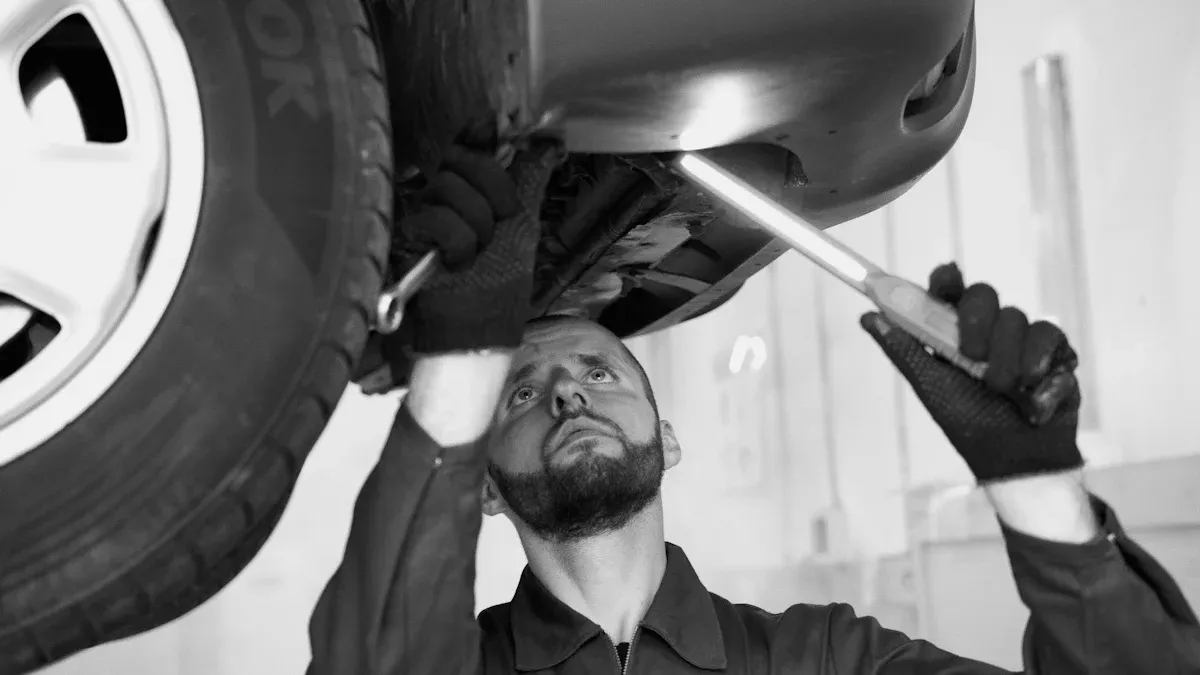
While you can never repair a tire sidewall, you can safely repair some punctures in the tread. A proper repair restores the tire’s air-tight seal and structural integrity. However, the repair must meet strict industry guidelines. A simple plug pushed in from the outside is only a temporary fix to get you to a shop. A permanent repair is a much more involved process.
The Puncture is in the Tread Area
The first rule of a safe repair is location. A puncture is only repairable if it is in the tire’s tread area. This is the central part of the tire that contacts the road. Unlike the flexible sidewall, the tread is thick and reinforced with steel belts.
Important Note: Even within the tread, the outer edges are off-limits. Tire engineers consider the shoulder area, where the tread meets the sidewall, a “No Repair Zone.” This area experiences high stress and bending. A patch here would not hold reliably and could fail.
The Puncture is Small and Straight
The size and angle of the puncture also matter. For a safe repair on a passenger car tire, the injury must meet specific criteria.
- Size: The puncture must not be larger than 1/4 inch (6mm) in diameter. Anything bigger means the tire’s internal cords are too damaged, and you must replace the tire.
- Angle: The puncture should be straight into the tire. An angled puncture can cause more widespread internal damage that is difficult to seal correctly.
Using Professional-Grade Tools and Patches
A proper tire repair is not a DIY job. It requires dismounting the tire from the wheel for a full internal inspection. Professionals use a patch-plug combination to fix the tire from the inside out. This is the only method approved by the tire industry.
The process involves several key steps:
- Prepare: The technician drills the hole to clean it and buffs the inner liner to create a rough surface for adhesion.
- Apply: They apply a special vulcanizing cement to the prepared area.
- Install: A combination patch-plug unit is pulled through the hole from inside the tire. The plug fills the puncture channel, and the patch seals the inner liner.
- Finish: The technician uses a tool called a stitcher to press the patch firmly, removing all air bubbles and ensuring a permanent bond.
This method completely seals the injury and ensures your tire is safe to return to service.
Your safety depends on one critical rule. You must never attempt to use a tire plug in sidewall. High-quality repair products, like those from SUNSOUL, are designed exclusively for the tread area, not the flexible sidewall.
The National Highway Traffic Safety Administration (NHTSA) states the only endorsed method for a permanent repair is a combination plug and patch.
Always have a professional inspect any tire sidewall damage. A mechanic can be held liable for improper repairs, so they will confirm if the tire’s sidewall is compromised and requires replacement to protect the structural integrity of the sidewall.
FAQ
What if the puncture in the sidewall is very small?
Even a tiny puncture damages the structural cords inside the tire. A repair cannot restore this strength. The constant flexing of the sidewall will cause any plug or patch to fail. You must replace the tire immediately for your safety.
Can a professional patch the inside of a tire sidewall?
No. Professional tire associations, like the U.S. Tire Manufacturers Association, state that you cannot repair any damage to the sidewall. A patch cannot handle the constant stress and flexing of this area. Reputable shops will always refuse this type of repair.
How long can I drive on a plugged sidewall?
You should not drive on a plugged sidewall at all. It creates a false sense of security while hiding critical internal damage. The plug can fail suddenly, causing a dangerous blowout. Your only safe option is immediate tire replacement.