
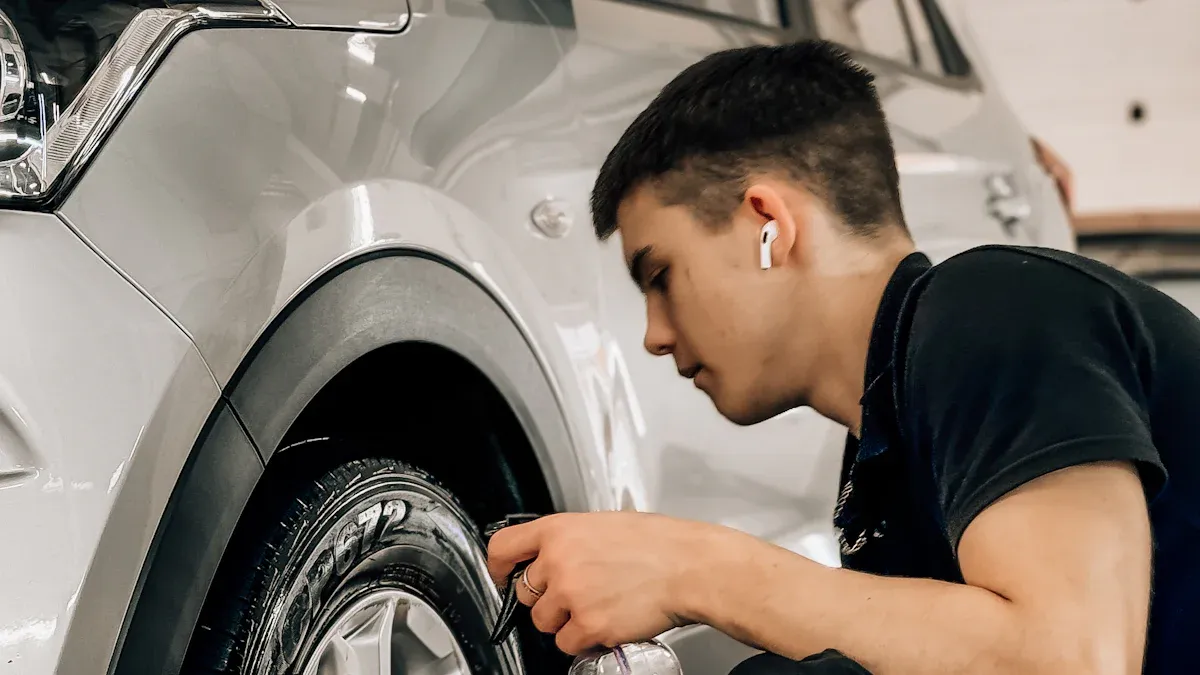
When you choose a vulcanizing tire patch, you pick a solution built for strength and safety. Rubber repairs matter because millions of vehicles need reliable tires every day. You see new rubber technologies, like self vulcanizing tire patches, making repairs last longer.
- The U.S. Department of Transportation reports 276 million vehicles on American roads.
- The tire repair market grows as more drivers want sustainable, durable rubber fixes.
SUNSOUL’s advanced process bonds rubber for a secure, lasting repair that keeps you moving with confidence.
What Is Vulcanization?
Defining Vulcanization
You might wonder how tires become so tough and reliable. Vulcanization is the answer. This chemical process transforms raw rubber into a stronger, more stable material. When you use vulcanization techniques, you change the molecular structure of rubber. The process creates crosslinks between polymer chains. These crosslinks make rubber more durable and elastic.
Vulcanization is essential for both natural and synthetic rubbers. It improves mechanical properties and ensures tires can handle daily wear.
Here is what happens during vulcanization:
- You apply sulfur and other chemicals to raw rubber.
- The mixture heats up to about 280 to 350 degrees Fahrenheit.
- Cross-links form between rubber molecules.
- The rubber becomes tougher, more elastic, and resistant to damage.
After vulcanization, rubber shows new qualities:
- Increased tensile strength and tear resistance.
- Reduced plasticity and improved elasticity.
- Enhanced resistance to heat, solvents, and oxidation.
Vulcanization’s Role in Tire Repair
When you repair a tire, vulcanization plays a key role. You want your tire patch to last and keep you safe. Vulcanization makes this possible. The process improves the structural integrity of tires compared to untreated rubber. You get better modulus, strength, and elongation at break. These qualities help your tire handle stress and pressure on the road.
You must control crosslink density during vulcanization. The process works best at temperatures between 150-180°C. This control prevents network degradation and keeps your tire patch strong. Industrial vulcanization techniques use precise heat and chemicals to achieve optimal results.
- Vulcanizing rubber patch uses this process to bond securely with the tire.
- You benefit from a repair that resists leaks, deformation, and everyday damage.
- SUNSOUL’s advanced vulcanization ensures every patch delivers maximum safety and reliability.
The Science Behind Vulcanizing Tire Patch
Chemical Bonding and Cross-Linking
You see vulcanization as a process that changes the way rubber behaves. When you repair a tire, you want the patch to stay strong and flexible. Vulcanization makes this possible by forming new chemical bonds inside the rubber. These bonds create a network that holds the material together.
Take a look at the types of bonds formed during vulcanization:
| Type of Bond | Description | Impact on Rubber Properties |
|---|---|---|
| CC | Covalent bonds between carbon atoms of elastomer chains | Affects tensile strength, compression set, and thermal stability |
| CSC | Monosulfide bonds | Contributes to cross-linking density |
| CSSC | Disulfide bonds | Influences the structure of the elastomer network |
| CSnC | Polysulfide bonds | Affects the overall cross-linking structure and properties |
You notice that these bonds do more than just hold the rubber together. They change how the material reacts to stress, heat, and chemicals. The temperature during vulcanization matters. At 150°C to 180°C, you see a rearrangement of crosslinks. The density of these links decreases, but the structure becomes more stable. When you increase the temperature to 200°C, polysulfide bonds decrease, and monosulfide and disulfide bonds increase. This shift improves certain properties, like compression set, which helps the tyre patch resist permanent deformation.
Scientists found that constant pressure can break some bonds, but the rubber responds by forming new links. This dynamic process means your tire patch can adapt and stay strong, even under stress.
Physical Strength of Vulcanized Rubber
You want your tire repair to last through rough roads and changing weather. Vulcanized rubber gives you this strength. The cross-linking process creates a netlike structure inside the rubber. This structure makes the material elastic and stable. You get a patch that resists stretching, tearing, and abrasion.
Laboratory tests show the difference between vulcanized rubber and untreated rubber:
- Vulcanization transforms rubber into a highly elastic product through chemical cross-links.
- Sulfur vulcanizates show greater tensile strength than peroxide vulcanizates.
- Vulcanized rubber has better abrasion resistance and tear strength than non-vulcanized rubber.
- Studies highlight that different vulcanization systems change the mechanical properties, giving you options for strength and durability.
You see that vulcanized rubber stands up to wear, chemicals, and temperature changes. This makes it perfect for tire repairs that need to last.
Why Vulcanizing Tire Patch Lasts Longer
You want a repair that keeps you safe for years, not just months. Vulcanizing patch units technology gives you that reliability. When you install a patch using vulcanization, you create a permanent bond between the patch and the tire. This bond lasts as long as the tire’s tread. You can drive for several years without worrying about leaks or failures.
Other methods, like tire plugs, may only last a few months. They can fail and cause leaks. Vulcanization creates a strong, leak-proof seal. The cross-linked structure inside the rubber resists deformation and environmental stress. You get a patch that stays secure, even under heavy loads and high speeds.
The vulcanization process makes your tire patch more durable than any quick fix. You invest in safety and peace of mind every time you choose a vulcanizing tire patch.
You see that vulcanized rubber gives you elasticity, durability, and resistance to heat and chemicals. The science behind vulcanization explains why this method remains the top choice for tire repair professionals and everyday drivers.
Step-by-Step: How Vulcanization Works in Tire Repair
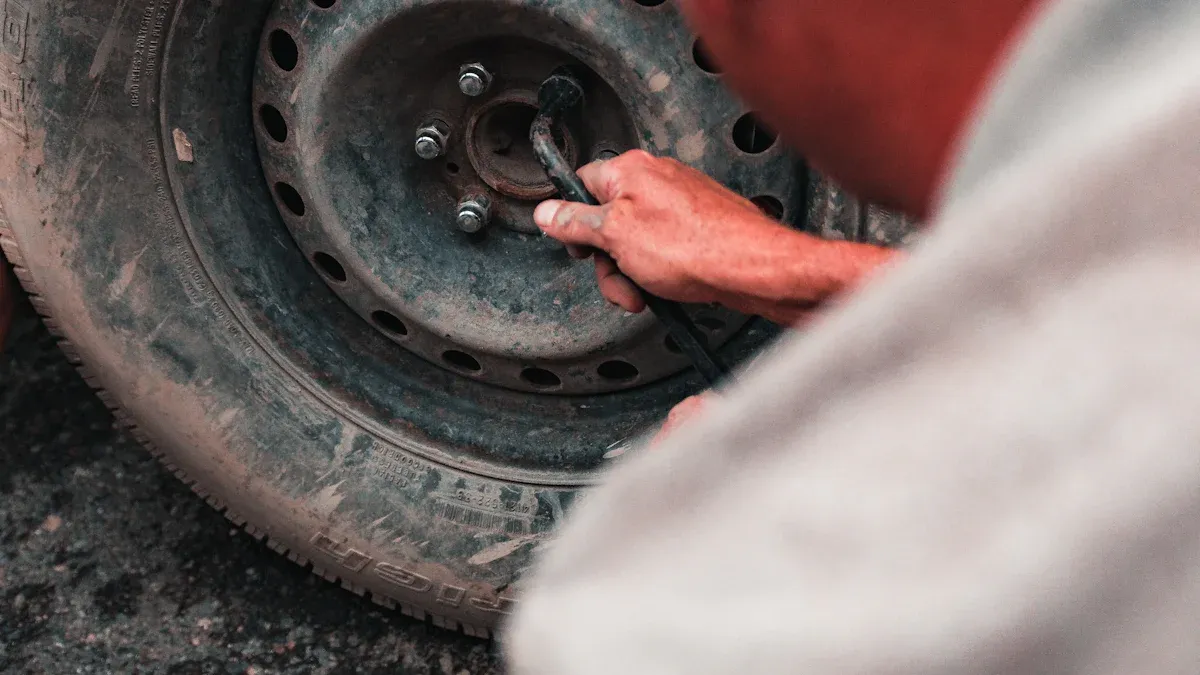
Preparing the Tire and Patch Surface
You start by making sure the tire and patch surface are ready for the vulcanization process. This step is important because it helps the rubber patch bond tightly with the tire. Follow these steps to prepare the surface:
- Remove the tire from the rim so you can reach both sides.
- Inspect both sides for any damage beyond the puncture.
- Trim away loose or damaged rubber around the puncture using a sharp knife.
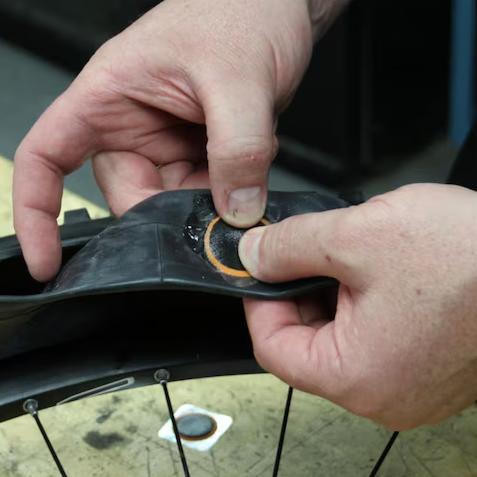
- Insert a rubber stem or plug through the puncture from the inside out to seal it.
- Buff the area around the puncture on the inside of the tire. This roughens the rubber surface for better adhesion.
- Clean the buffed area with a professional cleaner to remove dust and oil.
- Mark the area to be patched with chalk or a marker.
Tip: Careful surface preparation helps the vulcanization process work better and makes the repair last longer.
Applying Vulcanizing Agent and Patch
After you prepare the surface, you apply the vulcanizing agent and patch. The agent helps the rubber patch stick to the tire and starts the chemical reaction needed for curing. You can see different types of vulcanizing agents used in tire repair. Here is a table showing some common agents and their roles:
| Vulcanizing Agent Type | Description |
|---|---|
| Rubber Cement | Facilitates chemical reactions for patch adhesion. |
| Sulfur | Traditional agent that binds materials and increases durability. |
| Thiazoles | A type of vulcanization accelerator. |
| Sulphenamides | Another class of accelerators used in vulcanization. |
| Guanidines | Effective in enhancing the vulcanization process. |
| Thiourea Derivatives | Used for improving rubber properties. |
| Amine Derivatives | Commonly used in various vulcanization applications. |
| CBS | N-cyclohexyl-2-benzothiazyl sulfenamide, a specific accelerator. |
| DBA | Dibenzylamine, another example of an accelerator. |
| DPG | N-N’-diphenylguanidine, used for enhancing rubber performance. |
| DCHA | Dicyclohexylamine, contributes to the vulcanization process. |
| MBTS | 2-mercaptobenzothiozyl disulfide, used in rubber applications. |
You spread the vulcanizing agent evenly on the cleaned area. Place the rubber patch over the marked spot. Make sure the patch covers the puncture completely. Press the patch firmly to remove air bubbles and ensure good contact.
Heat and Pressure in Vulcanization
You need heat and pressure to vulcanize a tire properly. The vulcanization process uses these forces to crosslink rubber molecules. When you apply heat and pressure, the curing agents activate and bond the patch to the tire. This chemical transformation makes the rubber stronger, more elastic, and resistant to wear.
During the vulcanization process, you place the tire and patch in a mold or press. High-pressure steam or mechanical pressure helps the rubber and sulfur mixture bond. The heat triggers the curing reaction, and the pressure ensures a seamless connection between the patch and the tire surface.
The right amount of heat and pressure is key. It helps the rubber patch cure fully and gives you a durable, long-lasting repair.
SUNSOUL’s Proven Vulcanizing Process
When you choose SUNSOUL for tire repair, you get a process that sets industry standards. SUNSOUL uses advanced vulcanizing technology to make sure every patch delivers strong adhesion and long-lasting performance. You see this commitment in every step of their process.
Here’s how SUNSOUL’s proven vulcanizing process works:
- Surface Preparation: You start by cleaning and buffing the tire surface. This step removes dirt and creates a rough texture for better bonding.
- Application of Vulcanizing Gum: SUNSOUL uses a special vulcanizing gum. You apply it to the prepared area. This gum reacts with the rubber and starts the chemical bonding.
- Patch Placement: You place the patch over the gum. SUNSOUL patches have a round shape, which helps prevent peeling and ensures a tight seal.
- Heat and Pressure: You use heat and pressure to activate the vulcanization. This step creates cross-links in the rubber, making the bond strong and leak-proof.
- Quality Inspection: SUNSOUL checks every patch for thickness, adhesion, and sealing. You get a product that meets strict standards.
Tip: SUNSOUL offers technical training and support. You can learn the best practices for tire repair and get help from experts.
Why SUNSOUL’s process stands out:
| Feature | Benefit for You |
|---|---|
| High patch thickness | Stronger, more durable repair |
| Vulcanizing gum | Reliable chemical bonding |
| Round patch design | Prevents edge lifting |
| Leak-proof seal | Keeps air inside the tire |
| Fast global supply | Quick access to quality parts |
You see SUNSOUL’s process in action in over 60 countries. Dealers trust SUNSOUL for stable supply, competitive pricing, and fast logistics. You get peace of mind knowing your tire repair uses proven technology and expert support.
Vulcanizing Tire Patch vs. Other Repair Methods
Plugging and Liquid Sealants Compared
You have several choices when you repair a tire. Plugging and liquid sealants are popular because they seem quick and easy. You push a plug into the puncture from the outside. You pour liquid sealant inside the tire to seal small holes. These methods look simple, but you need to know how they compare to vulcanization.
- Plugs work well for fast fixes, but they do not last as long as a vulcanizing tire patch.
- A patch seals the puncture from the inside, giving you a stronger and safer repair.
- You can drive for years with a properly installed patch, while plugs may loosen over time.
- Liquid sealants only provide temporary solutions. They can lead to sudden tire failure and are not recommended for permanent repairs.
- The failure rate for plugging is higher than for vulcanizing tire patches.
You want your tire to stay safe and reliable. Vulcanization creates a permanent bond inside the rubber, making the repair last longer. Plugs and sealants do not change the structure of the rubber. They only fill the hole. Vulcanization transforms the rubber, giving you durability and peace of mind.
Tip: Choose vulcanization for a repair that stands up to heat, pressure, and daily driving.
Patch-and-Plug Combos
You may hear about patch-and-plug combo repairs. This method uses both a plug and a patch together. You insert a plug to seal the air leak, then apply a patch inside the tire to reinforce the rubber. Many professionals use this combo for maximum safety and durability.
- The patch-and-plug combo gives you double protection. The plug seals the puncture, and the patch strengthens the tire from the inside.
- You get a reliable long-term solution, even though the combo may cost more.
- Patches reinforce the interior rubber, while plugs stop air leaks.
- Combo repairs help prevent blowouts and further damage.
You see that vulcanization plays a key role in both patch-only and combo repairs. The process bonds the patch to the rubber, making the repair strong and flexible. Combo repairs add another layer of safety, but vulcanization remains the foundation of a lasting fix.
Scientific and Practical Advantages of Vulcanization
You want to know why vulcanization stands out. The science behind vulcanization makes it the best choice for tire repairs. When you use a vulcanizing tire patch, you rely on a process that changes the rubber at a molecular level.
- Vulcanization creates cross-links between rubber molecules. These links make the material tough, elastic, and resistant to heat and chemicals.
- The process gives you a permanent bond. Your patch becomes part of the tire, not just a surface fix.
- Vulcanization helps the rubber resist stretching, tearing, and abrasion. You get a repair that lasts through rough roads and extreme temperatures.
SUNSOUL uses advanced vulcanization technology to ensure quality and reliability. You benefit from high-quality natural rubber, textile reinforcement, and specialized polymers. These features help the patch stay flexible and strong, even under heavy loads.
| Feature | Description |
|---|---|
| Material Quality | High-quality natural rubber for durability and flexibility. |
| Design and Structure | Textile reinforcement for enhanced durability. |
| Vulcanization Process | Creates a permanent bond, ensuring repairs are as strong as the original material. |
| Warranty and Quality Control | 18-month warranty and rigorous quality control processes to meet international standards. |
| Advanced Material Technology | Specialized polymers for heat and friction resistance, maintaining flexibility in extreme temperatures. |
| Leading Adhesion Properties | Bonding strength exceeds industry standards, preventing separation under heavy loads. |
| Comprehensive Product Testing | Includes pressure resistance, water immersion, peel strength, and long-term durability tests. |
| Environmental Compliance | Meets international standards like RoHS and REACH, free from hazardous chemicals. |
You see that vulcanization offers scientific and practical advantages. The process makes the rubber stronger and safer. SUNSOUL’s patches go through strict testing for pressure, water, and peel strength. You get a product that meets international standards and keeps you safe on the road.
Note: Vulcanization is the key to a repair that lasts. You protect your tire, your vehicle, and yourself when you choose this method.
SUNSOUL’s Commitment to Quality and Reliability
When you choose SUNSOUL tire patches, you invest in a product trusted by professionals around the world. SUNSOUL stands out because you get quality and reliability with every patch.
You see SUNSOUL produce over 2 million tire patches every month. This high capacity means you always have access to fresh, dependable products. Dealers in more than 60 countries rely on SUNSOUL for a stable supply. You benefit from strong partnerships and fast delivery.
You want a tire patch that works every time. SUNSOUL designs patches with thick rubber and strong adhesion. The round shape helps prevent peeling at the edges. You get a leak-proof seal that keeps your tire safe.
You notice SUNSOUL uses advanced vulcanizing gum. This gum bonds with any tire size or model. You can repair bikes, motorcycles, cars, trucks, and even agricultural vehicles. SUNSOUL tests every patch for thickness, adhesion, and sealing power. You get a product that meets strict international standards.
Here is a table showing what you get with SUNSOUL tire patches:
| Feature | What It Means for You |
|---|---|
| High patch thickness | Strong, long-lasting repair |
| Round patch design | No edge lifting or peeling |
| Vulcanizing gum | Secure bond with any tire |
| Leak-proof sealing | No air leaks, safe driving |
| Fast global supply | Quick access to quality patches |
You receive more than just a patch. SUNSOUL offers technical training, logistics help, and multilingual support. You can learn best practices for tire repair. You get answers fast with SUNSOUL’s 72-hour issue resolution. Service hubs around the world help you solve problems quickly.
- You get lifetime maintenance consultation.
- You can access end-to-end solutions, from research and development to after-sales support.
- You benefit from competitive pricing and regional support.
SUNSOUL’s commitment means you drive with confidence. You know your tire patch will last through rough roads and changing weather.
You see SUNSOUL’s dedication in every product. You get reliability, safety, and peace of mind. When you choose SUNSOUL, you choose a partner who cares about your journey.
Real-World Benefits of Vulcanized Rubber for Drivers
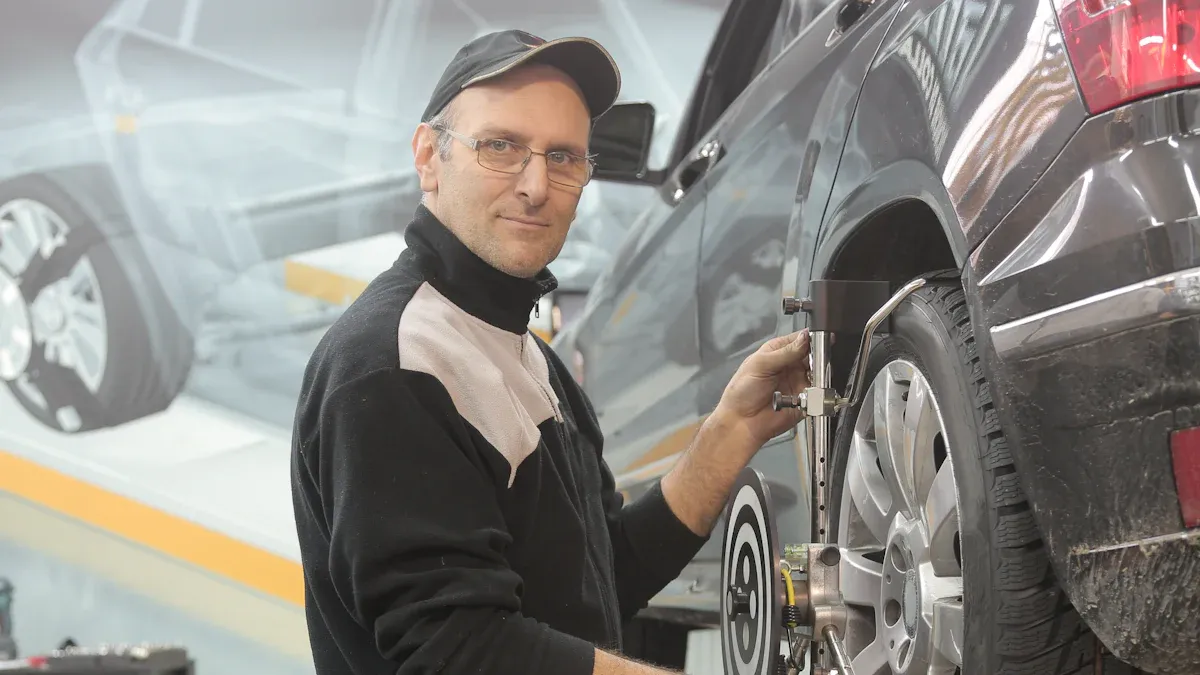
Longevity and Performance on the Road
When you drive every day, you want tires that last and perform well. Vulcanized rubber gives you these benefits. The process makes rubber stronger and more resistant to heat. You notice that your tires can handle rough roads and high temperatures. Vulcanized rubber keeps its shape and strength, even after thousands of miles. You see less wear and tear, which means you do not need to replace your tires as often. The table below shows how vulcanized rubber helps you on the road:
| Benefit | Description |
|---|---|
| Heat Resistance | Tires can withstand high friction and road temperatures. |
| Longevity | Enhanced durability reduces wear and tear over time. |
| Improved Safety | Provides better grip and performance under various driving conditions. |
You get better grip and control when you use tires with vulcanized rubber. This helps you stay safe in rain, heat, or on rough surfaces. You trust your tires to keep working, mile after mile.
Safety Outcomes and Peace of Mind
Safety matters most when you drive. Vulcanized rubber plays a big role in keeping you safe. Tire failures cause over 600 deaths each year in the U.S. More than 19,000 people get hurt because of tire problems. You lower your risk when you choose proper tire repair methods, like vulcanized patches. These patches stop air and moisture from getting inside the tire. You avoid sudden blowouts and dangerous situations.
- Tire failures cause over 600 fatalities annually in the U.S.
- More than 19,000 injuries are reported each year due to tire failures.
- Proper tire repair methods, including vulcanized patches, are critical for preventing these accidents.
- The combination repair method (patch and plug) is recommended as the safest option.
- This method significantly reduces the risk of air and moisture infiltration, which can lead to tire failure.
You feel peace of mind knowing your tires use vulcanized rubber. You drive with confidence, knowing your tires are strong and reliable.
Cost-Effectiveness Over Time
You want to save money while staying safe. Vulcanized rubber helps you do both. When you use vulcanized tire patches, you extend the life of your tires. You do not need to buy new tires as often. The strong bond created by vulcanized rubber means fewer repairs and replacements. You spend less on maintenance and avoid costly breakdowns. Over time, you see real savings.
You also protect your vehicle. Vulcanized rubber keeps your tires sealed and strong. You avoid damage to your wheels and suspension. You get more value from every tire, making vulcanized rubber a smart choice for your budget and safety.
SUNSOUL’s Global Customer Success Stories
You see real results when you use SUNSOUL tire patches. Drivers and repair shops in more than 60 countries trust SUNSOUL for safe and lasting repairs. You find stories from cities, farms, and highways where vulcanized rubber makes a difference every day.
“I run a fleet of delivery trucks in Brazil. SUNSOUL patches keep my vehicles on the road. I save money and avoid breakdowns.” — João, Fleet Manager
You notice that bike shops in Germany use SUNSOUL patches for quick and strong repairs. Farmers in Australia rely on vulcanized rubber to fix tractor tires during harvest season. You see motorcycle riders in Thailand choose SUNSOUL for safety on busy streets.
Here are some ways SUNSOUL helps customers around the world:
- You get fast repairs for cars, trucks, and motorcycles.
- You use vulcanized rubber patches that seal leaks and prevent air loss.
- You trust the thick rubber design to handle rough terrain and heavy loads.
- You benefit from technical support and training in your local language.
- You receive patches that work for any tire size or model.
You can look at the table below to see how SUNSOUL’s vulcanized rubber patches help different users:
| Customer Type | Benefit from SUNSOUL Vulcanized Rubber Patches |
|---|---|
| Delivery Fleets | Fewer tire failures, lower costs, safer deliveries |
| Bike Shops | Quick repairs, happy customers, repeat business |
| Farmers | Reliable tires for tractors, less downtime |
| Motorcyclists | Strong grip, safe rides, peace of mind |
You read about a dealer in South Africa who repairs over 500 tires each month using SUNSOUL patches. You see that vulcanized rubber stands up to heat, rain, and rough roads. You learn that SUNSOUL’s global service hubs solve problems in less than 72 hours. You get lifetime maintenance advice and support.
Tip: You can contact SUNSOUL for help with any tire repair question. Their team answers quickly and gives you expert advice.
You discover that vulcanized rubber is the reason SUNSOUL patches last longer and keep you safe. You join a global community of drivers who trust SUNSOUL for every journey.
You see why professionals choose a vulcanizing tire patch for permanent repairs. Scientific studies show vulcanized rubber can recover from damage and maintain strength. Experts prefer patches because they prevent air leaks and last longer than plugs. Industry standards, like ISO and EAC certification, confirm the safety and durability of these patches. You get peace of mind knowing your tire repair meets strict global benchmarks.
- Vulcanized rubber recovers from punctures and supports multiple repair cycles.
- Patches strengthen tires and offer reliable, long-term fixes.
- Certifications ensure products meet safety and performance standards.
FAQ
How long does a vulcanizing tire patch last?
You can expect a vulcanizing tire patch to last as long as the tire tread. Many drivers report patches staying secure for several years. SUNSOUL’s patches pass durability tests for heat, pressure, and abrasion.
Can you use vulcanizing patches on any type of tire?
You can use vulcanizing patches on bike, motorcycle, car, truck, and agricultural tires. SUNSOUL designs patches to fit all sizes and models. The round shape prevents peeling and works for most puncture locations.
Is it safe to drive at high speeds after using a vulcanizing patch?
You can drive at highway speeds with a properly installed vulcanizing patch. The patch forms a strong, leak-proof seal. SUNSOUL tests patches for performance under heavy loads and high temperatures.
What makes SUNSOUL tire patches different from others?
You get thicker rubber, strong adhesion, and a round design with SUNSOUL patches. SUNSOUL produces over 2 million patches monthly and supplies more than 60 countries. You benefit from technical support and fast global delivery.