
Hot Vulcanization Tire Repair Technology utilizes thermal energy and specialized materials to provide a robust and long-lasting repair for damaged tires. Before opting for this repair method, drivers typically have the following questions:
- Can my tire be repaired?
- Is it illegal to patch a tire or use a plug (string insert) to repair it?
- What should be done about run-flat tires? Can run-flat tires be patched or plugged?
- Can a tire still be plugged after “Fix-a-Flat” sealant has been used?
- How much does it typically cost to repair a blown-out or punctured tire?
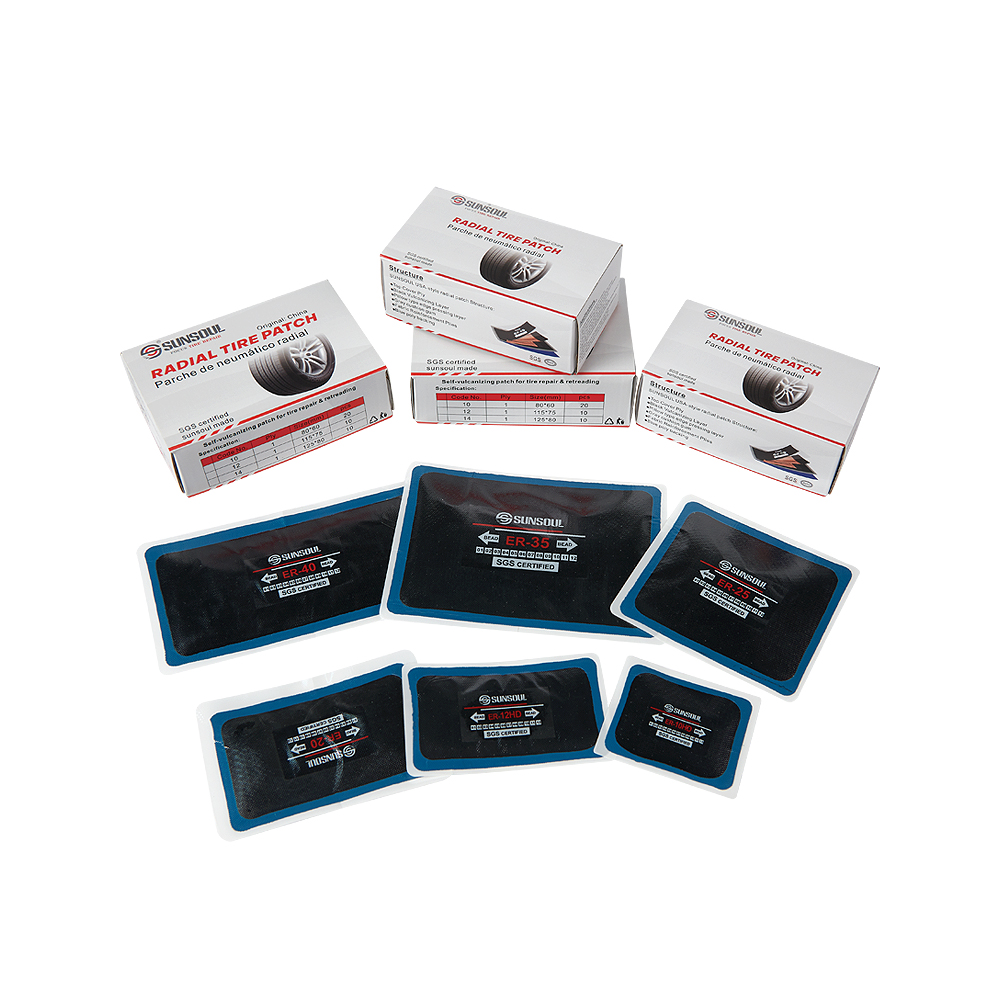
Brands like SUNSOUL offer a wide variety of tire patches designed to meet diverse repair needs, helping drivers regain their confidence and return to the road safely.
Key Takeaways
- A hot vulcanizing patch uses heat and special stuff to fix tires. It makes a strong repair that lasts a long time. This way works best for small holes in the tread. It also helps with little sidewall nicks. It does not work for big cuts or if cords show. Hot patches make a seal that keeps water out. This helps the tire stay safe for long trips. Picking the right way to fix a tire is important. Hot patches are best for bad damage. Plugs and cold patches are good for quick fixes. You should always ask a pro to fix your tire. This keeps you safe and makes sure the fix works.
How Hot Patch Works
Materials and Tools
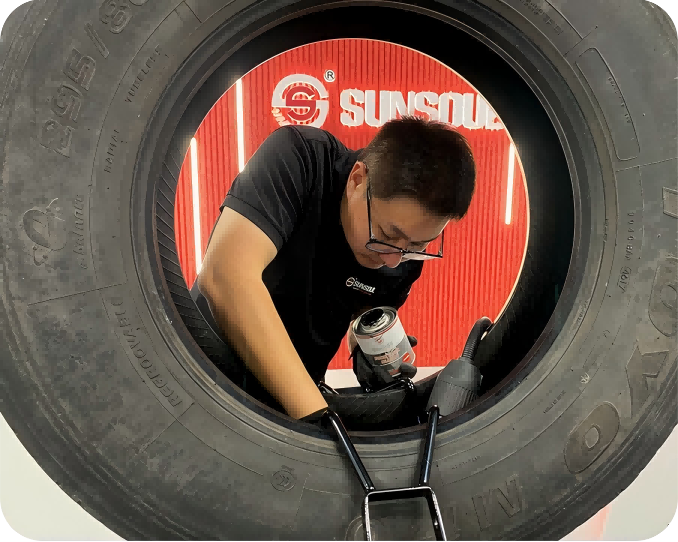
Tire hot vulcanization requires specific materials and tools; these supplies ensure that the patch adheres tightly to the tire surface. A standard tire repair kit typically includes the following components:
- Vulcanizing Cement: Primarily composed of elastic polymers—such as natural rubber—this is the core material that enables the patch to perform its repair function.
- Solvent: Such as n-heptane or toluene, used to maintain the pliability of the rubber, thereby facilitating easier handling and application.
- Accelerator: During the heating process, it accelerates the vulcanization reaction, thereby shortening the repair time.
- Repair Patch: Made from high-strength rubber, its strength and flexibility are designed to match those of the original tire.
- Auxiliary Tools: These include a buffer (grinder), a roller, and a heat source, used to pre-treat the damaged area of the tire and initiate the bonding and curing process.
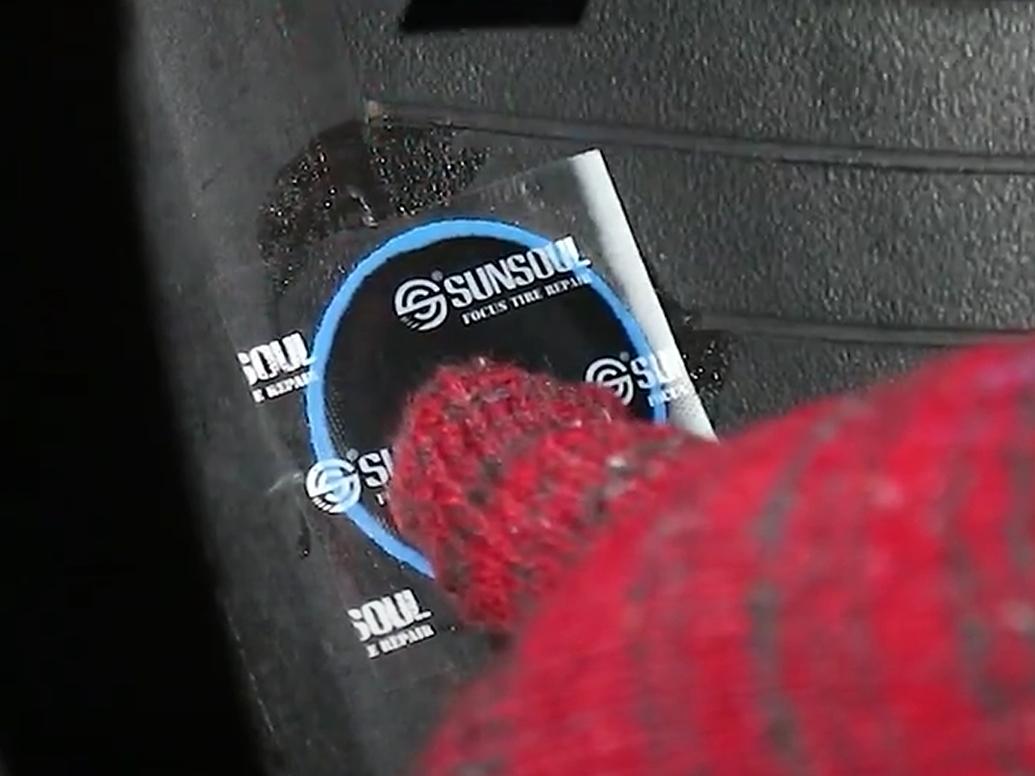
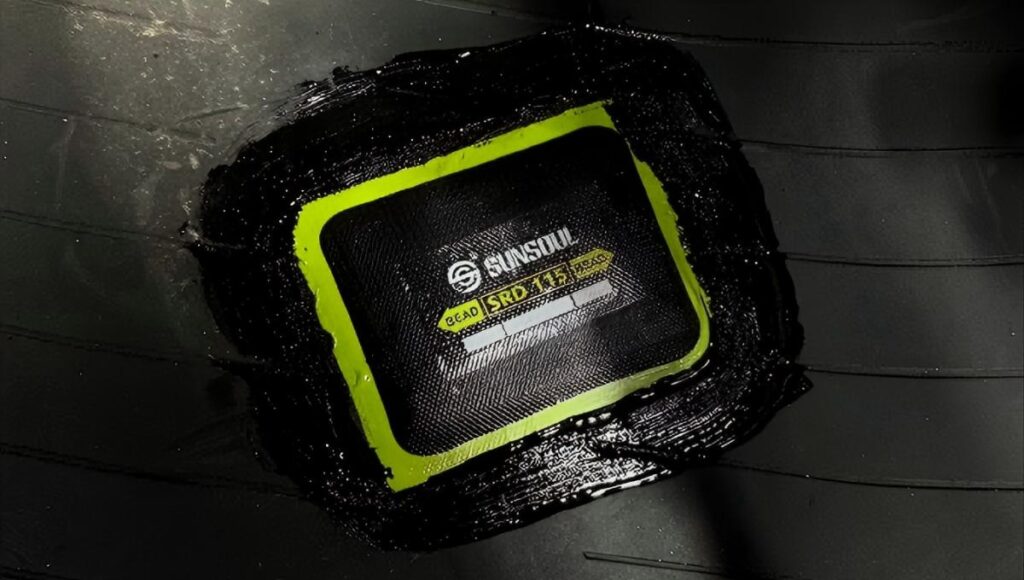
SUNSOUL tire repair patches utilize precisely these high-quality materials, aiming to provide users with superior repair results. Some patches feature a “split-back” design, which makes the positioning and application process simpler and more precise.
Tip: Always clean your tools. Follow the repair kit instructions for the best results.
Application Process
The hot repair process employs “vulcanization” technology. This is a chemical reaction that permanently bonds the repair patch to the tire. Its specific working principle is as follows:
- A technician cleans and buffs the damaged area. This step aims to remove dirt and create a flat, smooth surface.
- Subsequently, the technician applies vulcanizing cement to both the damaged area of the tire and the repair patch.
- The patch is then positioned and applied directly over the damaged area.
- Next, heat treatment is applied, typically at a temperature between 145°C and 175°C (293°F and 347°F). This high temperature triggers the onset of the vulcanization reaction.
- The rubber molecules within both the tire and the patch begin to intermingle and fuse. The sulfur contained within the patch acts as a catalyst during this process, facilitating molecular cross-linking.
- This molecular cross-linking creates a robust, seamless, and integral whole, thereby completely repairing the damage to the tire.
The vulcanization process endows the rubber with excellent elasticity and strength. The hot repair method offers exceptional bonding strength, making it a durable and reliable solution for tire damage. Many professionals prefer this method precisely because of its superior waterproofing capabilities and the fact that its repair results are far more long-lasting and durable than those of “quick-fix” solutions.
SUNSOUL tire repair patches stand as a prime example of this highly effective repair technology. Its repair patch adheres tightly to the tire, proving robust enough to withstand a wide range of harsh operating environments and rigorous challenges.
| Step | Action | Purpose |
|---|---|---|
| 1 | Clean and buff area | Gets the surface ready |
| 2 | Apply cement | Helps patch stick to tire |
| 3 | Place patch | Covers the damaged part |
| 4 | Apply heat | Starts vulcanization |
| 5 | Allow cooling | Makes the bond permanent |
A hot patch makes the patch and tire join into one piece. This way is known for being strong and dependable.
When to Use a Hot Patch
Suitable Tire Damage
For specific types of tire damage, hot patching is the optimal repair solution. Technicians typically employ this method to repair punctures located in the tire tread area. Such punctures are commonly caused by nails, screws, or sharp objects. Hot patching can also be used to repair certain types of sidewall damage, provided that the damaged area is small and has not compromised the tire’s internal cord plies. However, for larger lacerations, deep cuts, or damage that exposes the tire’s internal structural components, hot patching may not be a suitable option.
Note: If a tire has a hole larger than 1/4 inch or damage on the shoulder, a replacement may be safer.
The table below shows which types of damage fit a hot patch repair:
| Tire Damage Type | Hot Patch Suitable? |
|---|---|
| Small tread puncture | Yes |
| Large tread cut | No |
| Minor sidewall nick | Sometimes |
| Exposed cords | No |
Technicians always inspect the tire before choosing the repair method. They check the size, location, and depth of the injury.
Main Benefits
The hot patch method offers several significant advantages. This repair technique creates an exceptionally strong bond between the tire and the patch, resulting in a durable and long-lasting repair. The patch features excellent moisture-resistant properties, effectively preventing water from seeping into the tire’s interior. Whether for daily commuting or long-distance travel, vehicle owners can have full confidence in this repair solution.
- Durability: The patch forms a permanent, hermetic seal.
- Moisture Resistance: The repaired area effectively blocks the ingress of moisture and dirt.
- Reliability: The repaired tire remains safe and reliable, even after traveling thousands of miles.
SUNSOUL provides different patch types, such as Chemical Cure and Dual Cure, to match various repair needs. These options help technicians choose the best solution for each tire.
Tip: Always ask a professional if you are unsure about the right repair for your tire.
Hot Patch vs. Other Repairs
Hot Patch vs. Cold Patch
Hot patching utilizes thermal energy to create a tight bond between the patch and the tire surface, whereas cold patching relies solely on adhesive for bonding and requires no heat. While both methods can be used to repair punctures, each is suited to different types of damage scenarios.
| Repair Method | Suitable Scenarios | Key Considerations |
|---|---|---|
| Cold Repairs | Small punctures on the tread caused by objects like nails or screws | Quick fix, but not suitable for major damage; can lead to further issues if misapplied |
| Hot Repairs | Significant damage, large cuts on tread or sidewalls | Provides a solid, long-lasting repair; maintains tire flexibility and performance |
Cold repairs are good for small holes in the tread. Hot patch repairs are better for bigger cuts or more serious damage. Technicians look at the size and spot of the hole before picking a repair.
Hot Patch vs. Plug
Tire plugging involves filling the puncture hole from the outside of the tire. This method is quick and simple, making it a common choice for emergency situations. Plugs are best suited for repairing small punctures in the tread. However, plugs are less durable than patches; they may loosen over time or even allow moisture to seep into the tire.
Hot patching creates a much more secure seal. By covering the damaged area from the inside of the tire, this method provides a more durable repair that effectively prevents moisture intrusion. For maximum safety, repairs should be performed by a professional technician.
Note: Do not use plugs or patches for holes bigger than 0.25 inches, sidewall damage, or if there are many holes in one tire.
Durability Comparison
The longevity of a repair is paramount. Hot patching offers superior adhesion and a longer service life. While cold patching is quick, its durability may be slightly inferior. Tire plugs, on the other hand, are suitable only for short-term fixes or temporary repairs in emergency situations.
Experts agree that hot patching is the optimal solution for achieving a long-term repair. Through a complete vulcanization process, the bond at the repaired site becomes significantly stronger and more secure. Before selecting a repair method, it is essential to carefully assess the severity of the damage.Hot patch: Strong, permanent repair
- Cold patch: Quick, less durable fix
- Plug: Temporary, easy solution
Picking the right repair keeps tires safe and working well.
Pros and Cons of Hot Patch
Key Advantages
A hot patch repair has many good points for tires. Technicians like this method because it makes a fix that lasts. The patch sticks tightly and keeps air from leaking out. It also stops water from getting inside the tire. Drivers can trust this repair for long drives and everyday trips. The patch helps the tire bend and move well, which makes driving safer.
- Permanent repair: The patch joins with the tire and stays strong for many miles.
- Strong seal: The repair blocks air and water, so the tire does not get worse.
- Moisture protection: The patch stops rust and keeps the inside safe.
- Reliable performance: The tire stays strong and flexible after the fix.
SUNSOUL patches are easy to use. Some have split backing, so technicians can put them on fast and in the right spot. These patches stick well and do not come off easily.
Tip: Pick a good patch to make repairs easier and better.
Limitations
Hot patch repairs have some downsides too. Tire makers say this way takes more time and skill than other fixes. Technicians need special tools and must follow each step carefully. Most of the time, this repair happens at a tire shop. The extra work and skill can make the cost higher.
| Limitation | Description |
|---|---|
| A More Labor-Intensive Procedure | Patching means taking off the tire, cleaning inside, putting on the patch, and putting the tire back. |
| Requirement for Specialized Tools and Expertise | Good patching needs special tools and trained workers. |
| Frequent Need for Professional Intervention | Most hot patch repairs are done by pros because it is hard to do. |
| Higher Associated Costs | The work needed makes this repair cost more than plugs. |
Some tires cannot be fixed with a hot patch. Big cuts, deep slices, or sidewall damage may need a new tire. Technicians always check the tire before picking how to fix it.
Note: SUNSOUL patches are made to make repairs easier and stick well, so they work for many tires.
Hot Patch Tire Repair Guide
Preparation
First, a technician performs a visual inspection of the tire to check for punctures, cuts, or other forms of damage. To ensure a thorough examination, the tire is removed from the rim. Subsequently, the technician cleans the area surrounding the damaged site. A buffing process is then applied to ensure that the repair patch adheres firmly to the tire surface. Finally, based on the specific nature of the damage, the technician selects the most appropriate patch in terms of size and type.
Tip: Always look inside the tire for hidden damage before you start.
| Lesson | Training Focus | Key Skills and Topics Covered |
|---|---|---|
| 1 | Tire inspection and preparation | Internal inspection, injury location and sizing, safe demounting, buffing, cleaning, patch and stem selection, adhesive handling, quality checks |
Applying the Patch
Technicians put vulcanizing cement on the clean spot and the patch. The patch goes over the hole and is pressed down hard. Heat starts the vulcanization and sticks the patch to the tire. SUNSOUL patches use thick, round rubber that sticks well. They do not peel off, even on rough roads. The vulcanizing gum makes a seal that does not leak. Many drivers say the kit is simple and works well for a long time.
- The patch remains secure and stable, even under harsh weather conditions.
- This repair solution is suitable for a wide range of vehicles, including passenger cars, motorcycles, and trucks.
- This repair kit not only saves users time but also provides complete peace of mind.
Final Checks
When the patch cools, the tire is filled with air. Technicians check for leaks with soap or by putting the tire in water. They look at the patch to see if it moves. If the car has a tire pressure system, they check it too. SUNSOUL gives good help after the sale, so drivers feel safe. Many drivers write good reviews when their tires get fixed fast.
Note: A hot patch repair keeps tires safe and helps them last longer.
A hot patch gives a strong fix for tires. It lasts a long time. This way works best for small holes and little sidewall damage. Drivers who want a repair they can trust should pick this instead of plugs or cold patches. SUNSOUL Tire Patch is easy to use and works well for many cars. If the tire has big damage or you are not sure, ask a professional for help.
FAQ
What is a hot patch tire repair?
Hot patching utilizes heat energy and specialized materials to repair damaged tires. The repair patch fuses tightly with the tire body, creating a strong and durable repair.
Can hot patching fix any type of tire damage?
Technicians typically use hot patching to repair small punctures and minor scratches on the tire sidewall. For larger cuts—or in cases where the damage has exposed the tire’s internal cord layers—replacing the tire with a new one is usually required.
How long does a hot patch repair last?
A hot patch creates a permanent seal. If performed correctly, drivers can expect the repair to last for the entire remaining lifespan of the tire.
Is hot patching superior to plug repairs or cold patches?
Experts note that hot patching offers stronger adhesion and a more durable repair result. While plug repairs and cold patches are suitable for quick, temporary fixes, hot patching provides a more reliable and secure repair solution.