
The “Plug-Patch Combo” is a specialized method designed specifically for repairing punctures in tires. This technique simultaneously seals both the exterior and interior of the tire, thereby ensuring that the repair is both durable and secure. Tire experts note that this method completely eliminates air leaks and helps maintain the structural integrity of the tire’s interior. Many automotive and tire safety organizations strongly recommend this repair method, as it provides the most comprehensive safety assurance for drivers and their vehicles.
Key Takeaways
- The “Plug-Patch Combo” is widely recognized as the safest method for repairing tire punctures. It seals the puncture from both the inside and outside of the tire simultaneously, thereby completely preventing air leakage. This repair method is particularly effective for small punctures located in the tire tread area (such as damage caused by nails or screws). Utilizing the “Plug-Patch Combo” not only complies with various safety standards and helps extend the tire’s lifespan, but it also provides drivers with significant peace of mind. Opting for brand-name products that have undergone rigorous quality testing for the repair process can further enhance vehicle safety and overall performance.
Plug patch combo basics
What is a plug patch combo
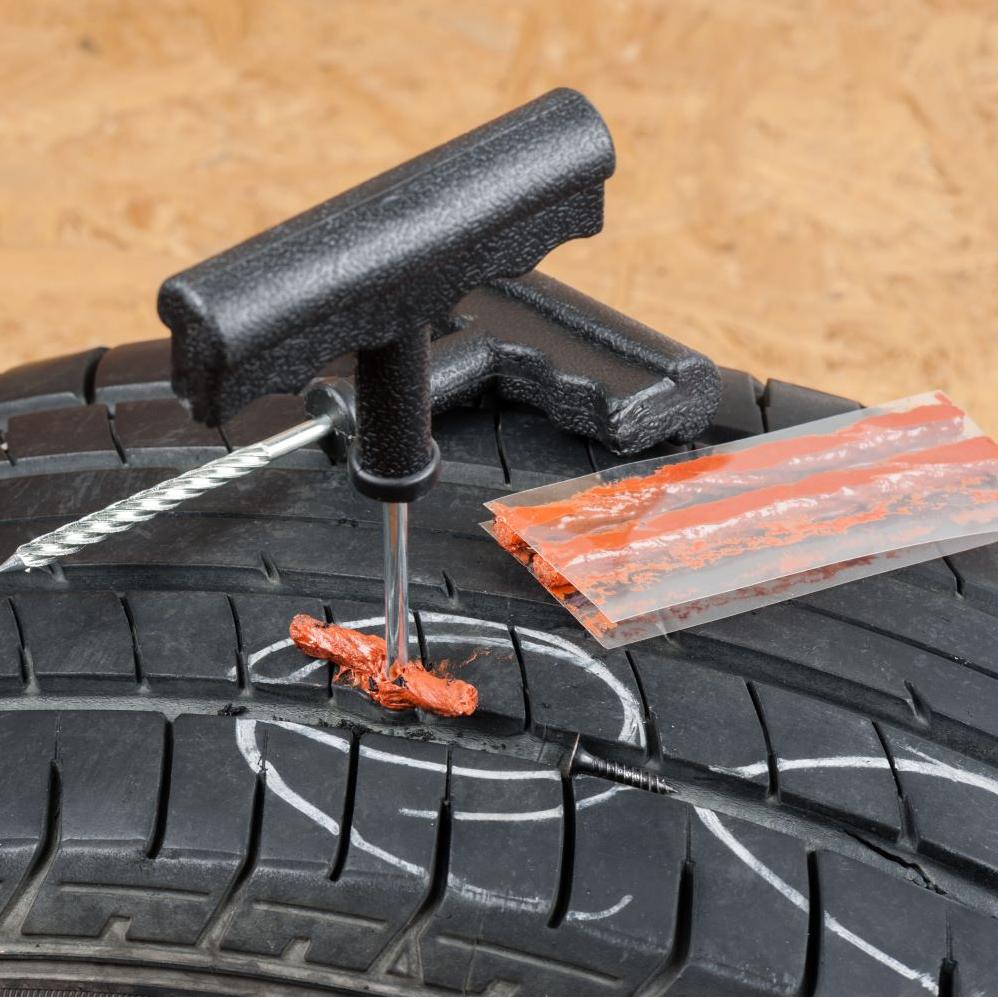
A plug patch combo is a special tool for fixing tire punctures. Tire experts and safety groups, like the U.S. Tire Manufacturers Association (USTMA), say this method is the safest way to repair a tire. They do not allow using only a tire plug or only a tire patch. The plug patch combo uses two parts together to make a strong repair.
The USTMA explains that a plug patch combo has a rubber plug that fills the hole from the outside to the inside. It also has a round rubber patch that sticks to the inside of the tire. This method stops air from leaking and keeps the tire strong.
Here are some important points about the plug patch combo, according to the USTMA:
- Tire shops must remove the tire from the rim to check for damage.
- Only punctures in the tread area and up to three-eighths of an inch can use this repair.
- The plug fills the hole, and the patch seals the inside.
- This method follows DOT rules and most tire warranties.
A plug patch combo works for many types of tires. People use it on cars, trucks, motorcycles, and even farm machines. It helps keep drivers safe on the road.
The main parts of a plug patch combo include:
| Component | Description |
|---|---|
| Size | 2 1/4″ x 4″ |
| Stem Size | 3/8″ |
| Type | Patch Plug Combo Unit |
Some plug patch combos have a lead wire to help put the plug in the right place. They can fix injuries up to 1/4 inch wide. People can use them on tubeless tires, both radial and bias ply.
How it works
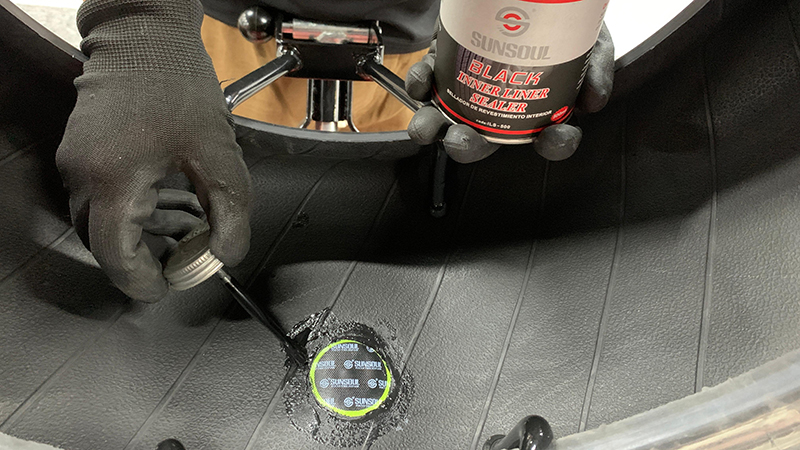
The Plug-Patch Combo employs a dual-repair system to mend tires. A rubber tire plug fills the puncture hole from the inside out, fitting tightly against the tire rubber to create a hermetic seal. Simultaneously, a patch adheres to the inner wall of the tire, sealing the inner liner and thereby completely preventing any air leakage.
- The rubber plug also acts as a barrier, blocking moisture and debris from entering the tire’s interior and protecting the internal steel belts from corrosion.
- The patch forms a robust bond with the tire through the use of a specialized adhesive known as “vulcanizing cement.”
- This repair is long-lasting, offering a lifespan comparable to that of the tire itself.
The Plug-Patch Combo restores the tire’s original structural integrity, providing a reliable and durable repair. Tire repair shops and industry experts trust this method because it fully complies with established industry standards. Both the U.S. Tire Manufacturers Association (USTMA) and the Tire Industry Association (TIA) endorse this as the proper method for tire repair.
The Plug-Patch Combo is suitable for a wide range of vehicles. Whether for bicycles, motorcycles, passenger cars, trucks, or agricultural machinery, this repair solution is applicable. For this very reason, it has become the preferred choice for drivers and repair shops worldwide.
Plug patch combo benefits
Safety and durability
The Plug-Patch Combo enhances both the safety and structural integrity of a tire. Experts and safety organizations unanimously agree that this represents the optimal repair method currently available. It not only prevents air leaks but also effectively seals out moisture. The rubber plug serves to fill the puncture channel, while the patch seals the tire’s inner wall. This dual-repair mechanism ensures the structural stability of the tire, helping to prevent potential hazards from arising in the future.
The table below compares the pros and cons of various tire repair methods:
| Repair Method | Benefits |
|---|---|
| Plug Only | Not much sealing, air can leak |
| Patch Only | Seals well, but may miss some holes |
| Plug-Patch Combo | Strong repair, better seal, keeps water out |
Tire manufacturers and safety organizations unanimously agree that a “plug-and-patch” repair method yields the most effective results. They point out that for users seeking maximum tire longevity and durability, this approach represents the safest option available.
SUNSOUL tire repair patches are manufactured using specialized materials. These patches combine high-strength rubber with unique chemical compounds, enabling them to effectively withstand high temperatures and abrasive wear—thereby significantly extending the durability of the repair. SUNSOUL subjects every single patch to rigorous strength and pressure-resistance testing, ensuring that every product meets or exceeds all applicable safety regulations and standards.
Users across the globe place their full trust in SUNSOUL tire repair patches. Currently, the company’s products are distributed to over 60 countries and regions worldwide. Many users prefer SUNSOUL patches specifically for their exceptional adhesion properties and ease of application. SUNSOUL’s unwavering commitment to product quality serves as a vital safeguard for the safety of drivers on the road.
Permanent repair solution
The “plug-and-patch” method offers a permanent solution for repairing punctures in tires. By sealing the puncture from the inside of the tire, this method delivers a repair durability that can rival—and even match—the remaining service life of the tire tread itself. Tire manufacturers and safety organizations alike unanimously affirm that the “plug-and-patch” method is currently the only truly effective long-term repair solution available.
Many tire makers and safety groups say plug patch combos are the only good long-term fix. This method uses both a patch and a plug. It works better than just a plug.
The table below shows how long repairs last:
| Repair Method | Average Lifespan |
|---|---|
| Tire Patch | 7 to 10 years |
| Tire Plug | Short-term fix |
| Plug-Patch Combo | Lasts longest, can last as long as tread |
SUNSOUL tire repair patches adhere tightly and seamlessly to the tire’s surface. Even when the vehicle is carrying heavy loads, these patches maintain their firm and secure adhesion. SUNSOUL subjects every single patch to immersion testing and rigorously verifies its adhesive properties, thereby ensuring that every product delivers a durable and reliable repair result.
SUNSOUL’s worldwide sales and happy customers show people trust these patches. Drivers, shops, and dealers pick SUNSOUL for quality and good results. With a plug patch combo, drivers know their tires will stay safe and strong for many miles.
Plug patch combo vs. other methods
Plug only
The “plugs-only” repair method involves using rubber plugs to fill punctures in a tire. Many drivers opt for this method because it appears to be both quick and simple. However, experts have issued warnings regarding this approach, highlighting several inherent risks:
- Tire plugs often serve merely as a temporary repair measure, and their effectiveness is frequently short-lived.
- Plugs may become dislodged or fail, significantly increasing the risk of traffic accidents.
- Relying solely on plugs for long-term repairs can weaken the tire’s structural integrity over time, thereby increasing the risk of a blowout.
Safety organizations and tire professionals advise against using plugs as a standalone solution for long-term repairs. They point out that plugs cannot completely seal the tire’s inner liner; consequently, air and moisture may still seep into the tire’s interior.
Patch only
The “patches-only” repair method involves applying a rubber patch to the interior surface of the tire. This technique effectively seals the inner liner, helping to prevent air leaks. Patches offer a permanent repair solution and serve to reinforce the tire’s structural strength. However, using a patch in isolation may not fully fill the void left by the puncture. Dirt and moisture can still enter through this opening, potentially compromising the tire’s structural integrity.
The table below compares the advantages and disadvantages of various repair methods:
| Evidence Type | Description |
|---|---|
| Effectiveness | Patches provide a permanent repair solution, enhancing tire strength and preventing leaks. |
| Safety | The NHTSA states that only a combination of plugs and patches can safely repair tires. |
| Durability | Experts agree that tire repair strips (patches) are more durable and safer than plugs alone. |
Why combo is preferred
Auto service professionals recommend the plug patch combo because it offers a complete repair. This method uses both a plug and a patch. The plug fills the hole and blocks water and dirt. The patch seals the inside and stops air leaks. Combination repairs provide a quick fix and long-lasting durability. Experts say this dual approach gives drivers peace of mind and keeps tires safe for many miles.
Tip: Always ask for a plug patch combo when repairing a tire. This method meets safety standards and helps tires last longer.
When to use plug patch combo

Recommended situations
Tire makers and safety groups say to use a plug patch combo for small holes in the tread. This method works well for holes made by nails or screws. The repair should only be done if the hole is in the main tread, not near the edge or sidewall. If the damage is close to the edge, it may not be safe to fix.
Most of the time, small holes are why people use this repair. For example, a nail or screw can make a hole up to 1/4 inch in a car tire or up to 3/8 inch in a truck tire. These can be fixed with a plug patch combo. If the cut is bigger or near the sidewall, the tire should be replaced.
Note: Always check the tread before fixing a tire. If the tread is less than 2/32 inch, do not repair the tire.
Rules say to only fix the tread area. Do not repair the outer rib or holes bigger than the size limit. The plug patch combo seals the tire from both sides. This makes it the safest way to fix these holes.
Professional vs. DIY
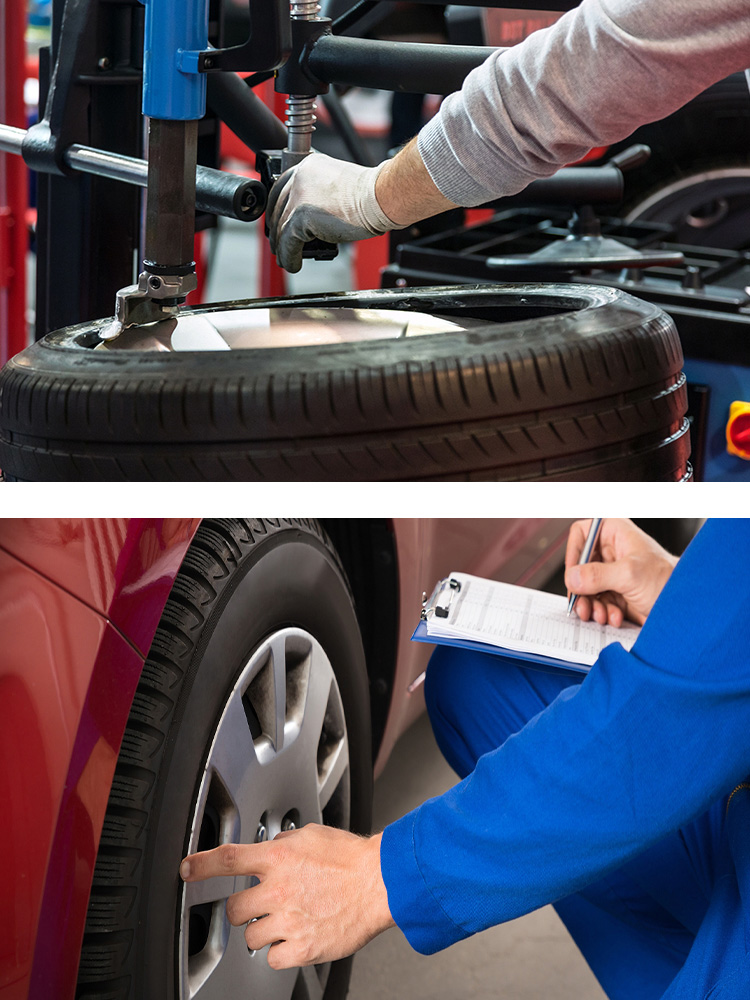
Professional tire shops possess specialized tools and technical training, enabling them to skillfully implement a “plug-and-patch” repair strategy. They meticulously inspect the tire for any hidden damage, ensuring that the entire repair process is both safe and reliable. This entails not only examining the tire’s internal condition but also thoroughly cleaning the damaged area and selecting the most appropriate repair materials.
The table below outlines the key differences between professional repairs and do-it-yourself (DIY) repairs:
| Aspect | Professional Installation | DIY Application |
|---|---|---|
| Repair Method | Combination plug-patch for durability | Quick plug repairs for emergencies |
| Installation Quality | Proper sealing and tire integrity | May not be airtight |
| Long-term Reliability | Superior durability and reliability | Best for short-term fixes |
| Safety Considerations | Full inspection for hidden problems | Limited safety checks |
Professional repair is the optimal choice. By ensuring that the tire structure remains robust and the seal remains intact, professional repairs effectively safeguard the driver’s safety on the road. While DIY repairs can provide a temporary solution in an emergency, their effectiveness is often short-lived, and they offer relatively weaker safety protection. Experts recommend entrusting your tires to professionals for repair to ensure a durable and reliable outcome.
A plug patch combo is the safest way to fix a tire. Experts say it seals the hole and the inside of the tire. This helps stop air from leaking out and keeps the tire from failing. Picking the right repair keeps cars safe and lowers accident risks. SUNSOUL is a trusted brand that sells good products in more than 60 countries. When drivers choose pro repairs and good brands, their tires last longer and stay safe.
FAQ
What are the main advantages of using a plug-patch combination?
A plug-patch combination provides a robust and long-lasting repair. It not only seals the puncture on the exterior surface of the tire but also creates a seal on the interior. This repair method helps prevent air leaks while simultaneously blocking moisture from entering the tire.
Can an average person use a plug-patch combination to perform repairs at home?
Most people are capable of using a plug-patch combination to perform minor tire repairs. However, professional tire shops possess specialized tools and employ professionally trained technicians. To ensure the best possible repair results, experts recommend having the work performed by professionals.
How durable is a repair made with a plug-patch combination?
The lifespan of a repair made with a plug-patch combination can typically last as long as the remaining tread life of the tire itself. Many vehicle owners continue to use a tire for several years after undergoing such a repair. Regular inspections help ensure the continued safety of the tire.
Is the plug-patch combination suitable for all types of tires?
The plug-patch combination is suitable for a wide variety of tires, including those for passenger cars, trucks, motorcycles, and agricultural vehicles. Before attempting a repair, be sure to carefully inspect the tire’s specifications and the nature of the damage.