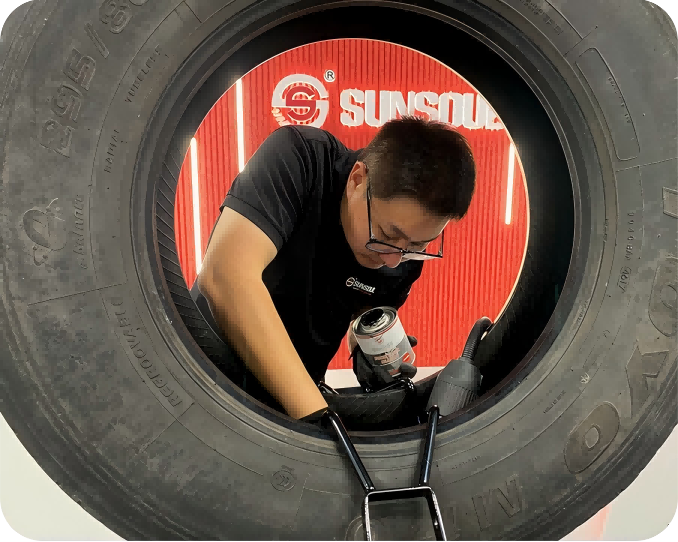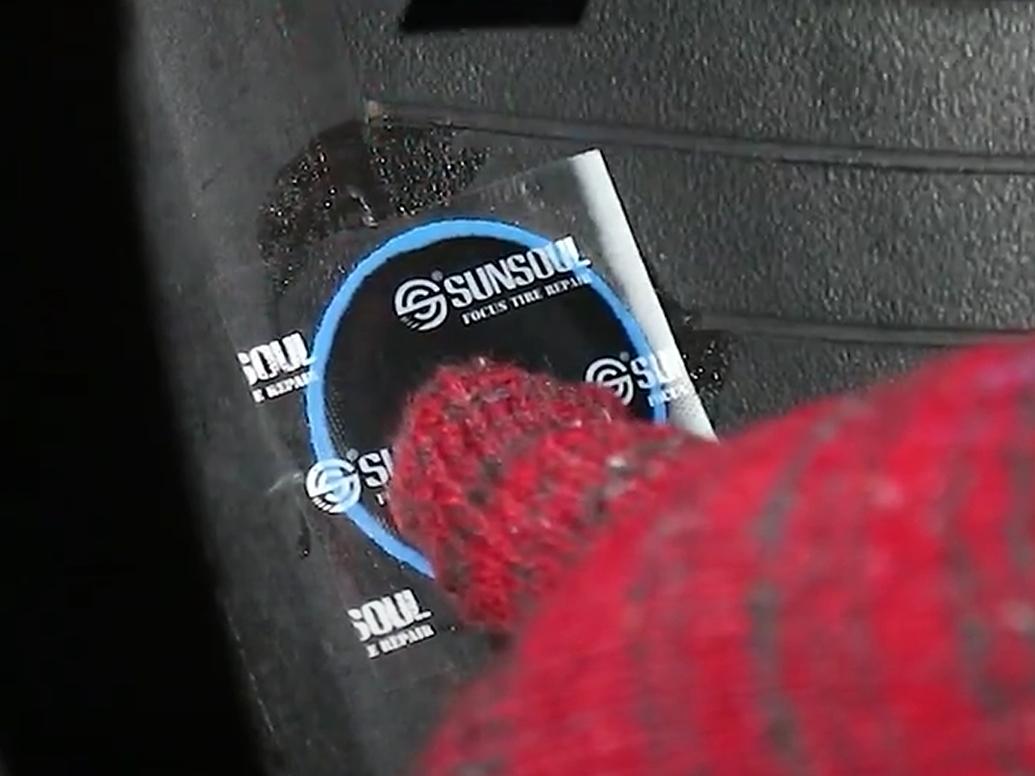

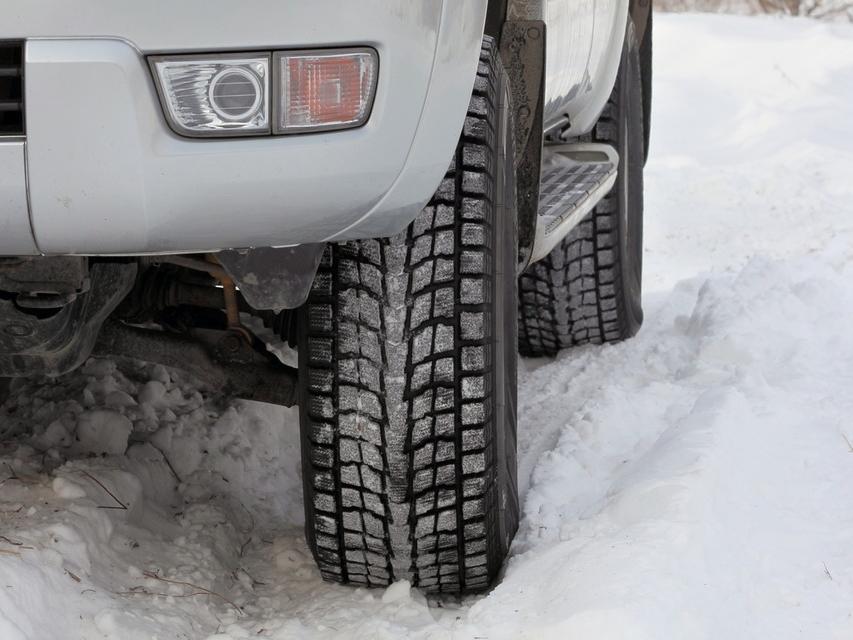
Radial tire repair patches represent a specialized method specifically designed for repairing punctures in radial-ply tires. Many drivers and technicians opt for this method due to the robust and durable nature of the resulting repair. Data from 2024 indicates that approximately 41% of all tire repair operations utilize radial tire repair patches. This clearly demonstrates the high level of trust and preference this repair method enjoys within the automotive industry. Selecting the appropriate repair patch helps ensure the safe operation and optimal performance of passenger cars, trucks, motorcycles, and agricultural machinery. Choosing high-quality products from trusted brands effectively safeguards vehicle safety and ensures smooth, reliable operation.
Key Takeaways
- Radial tire patches help fix small holes in tires. They work best on the tread area.
- To install a radial tire patch, you must clean the spot. Then you put on cement. You let it dry so it sticks well.
- Check your tires often and fix problems fast. This can make your tires last longer. It also keeps you safer when you drive.
- Do not use radial tire patches for sidewall damage. Do not use them for big cuts. These problems mean you need a new tire.
- Pick good patches, like ones from SUNSOUL. They last longer and fix tires better.
How a Radial Tire Patch Works
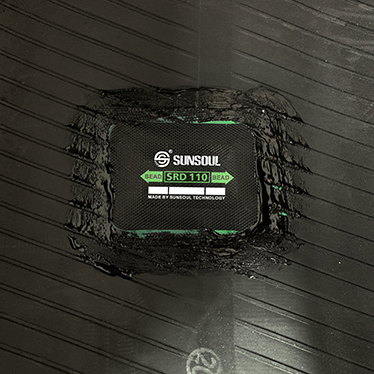
Patch Structure & Materials
Radial tire repair patches are manufactured using advanced material technologies designed to achieve a repair that is both strong and long-lasting. Each layer of material within the patch serves a specific purpose and performs a distinct function. It is this clever combination of materials that enables the patch to effectively withstand the internal pressure, heat, and dynamic deformation experienced by the tire during operation.
The table below lists the primary constituent materials of radial tire repair patches and details the contribution each material makes toward enhancing the patch’s durability:
| Material Type | Contribution to Durability |
|---|---|
| Natural Rubber | Provides elasticity and resilience |
| Synthetic Rubber (SBR) | Enhances abrasion resistance and wet grip properties |
| Polyester/Nylon Cords | Essential for load-bearing and handling |
| Steel Cords | Stabilizes tread and reduces irregular wear |
| Carbon Black | Increases tensile strength and tear resistance |
| Silica | Improves reinforcement and rolling resistance |
The steel belts inside the patch help stabilize the tread. This feature reduces uneven wear and extends the life of the repair. The apex, a thicker part of the patch, stiffens the lower sidewall. This design improves handling and helps the tire resist bending or deforming. The chafer, another layer, protects the base of the tire from rubbing and keeps the seal tight for a long time.
Repair Process Explained
Radial tire patches can only deliver optimal repair results when applied with meticulous care and in strict adherence to the correct procedural steps. Professional tire repair shops typically follow a clear, standardized protocol to ensure the patch bonds securely to the tire body, thereby guaranteeing driving safety.
The following are the main steps involved in repairing a tire using a radial tire patch:
- Locate the puncture. Mechanics use soapy water to find the exact spot where air escapes. Bubbles show where the hole is.
- Remove the tire from the rim. They mark the damaged area, let out all the air, and take the tire off the wheel.
- Clean and buff the repair area. Special tools roughen the area around the puncture. All loose rubber gets wiped away.
- Apply vulcanizing cement. A thin, even layer of cement goes on the buffed area. The surface must become tacky before moving on.
- Apply the patch. The mechanic peels off the patch’s backing and places it right over the hole. Pressing down firmly, especially on the edges, helps the patch stick.
- Press and consolidate. A roller tool smooths out the patch and pushes out any air bubbles. This step makes sure the patch bonds tightly to the tire.
- Allow to cure. The tire sits for five to ten minutes so the patch can set. Only after this does the mechanic put the tire back on the rim.
Tip: Always follow the correct steps when using a radial tire patch. This ensures the repair lasts and keeps the tire safe on the road.
A radial tire patch, when installed properly, restores the tire’s strength and helps prevent future leaks. This method works for many types of vehicles, from cars to trucks and even farm equipment.
When to Use a Radial Tire Patch
Suitable Damage Types
For specific types of tire damage, using a radial tire patch is the optimal repair solution. Technicians frequently utilize these patches to repair punctures caused by nails, screws, or sharp objects. Such punctures typically manifest as small holes within the tread area. The patch restores the tire’s structural integrity and effectively prevents air leakage.
Experts recommend using a radial tire patch for repairs only when the tire damage meets the following specific criteria:
- The puncture site must be located within the tread area, not on the sidewall or shoulder.
- The diameter of the hole must not exceed 1/4 inch (approximately 6 mm).
- The tire must not exhibit severe cuts, cracks, or multiple puncture points situated in close proximity to one another.
Note: If the damage is too large or located on the sidewall, the tire may not be safe to repair. Mechanics advise replacing the tire in these cases.
Repairable Areas
The specific location of the damage is a critical factor in determining whether a radial tire patch is an appropriate repair method. Technicians conduct a thorough inspection of the tire to pinpoint the exact location of the puncture. Their primary focus is on damage within the tread area—the thick, flat section of the tire that makes direct contact with the road surface.
The table below provides a concise overview of which tire sections are eligible for repair:
| Area of Tire | Repairable with Radial Tire Patch? |
|---|---|
| Tread | Yes |
| Shoulder | No |
| Sidewall | No |
| Bead | No |
Technicians typically avoid repairing the sidewall, shoulder, or bead areas. Compared to the tread, these sections undergo more significant flexing and deformation as the tire rolls, which could cause the patch to detach or fail. The tread, conversely, provides a stable bonding surface for the patch, thereby ensuring a secure adhesion and effective maintenance of tire pressure.
For minor punctures located within the tread area, radial tire patches offer a reliable repair solution. Technicians strictly adhere to established operational protocols to ensure that the repair process is both safe and effective.
Radial Tire Patch vs. Others
Comparison with Plug & Bias Patches
Drivers and mechanics use different ways to fix tires. Plug repairs fill the hole from the outside. They do not always seal the inside of the tire. Radial tire patches cover the damaged spot from inside the tire. Patches last longer than plugs if put on right. They also make the tire safer because they do not come loose easily. This lowers the chance of a flat or low air.
Groups like the Rubber Manufacturers Association say to use both a patch and a plug for best results. This way, you get the good parts of both repairs. Mechanics follow these rules to keep tires strong and safe.
Bias patches are good for bias-ply tires. These tires have a different inside structure. Radial tire patches work better for radial tires. Most new cars and trucks use radial tires. SUNSOUL sells chemical cure and dual cure patches. Drivers can pick the patch that fits their tire and repair needs.
Unique Features
Thanks to their distinctive design and materials, radial tire patches stand out among comparable products. These patches feature embedded nylon or polyester cords arranged either in parallel alignment or interwoven at slight angles. This structural design endows the patches with exceptional flexibility, enabling them to stretch and move in perfect synchronization with the deformation of the tire. In contrast, bias patches are constructed from multiple layers of interwoven fabric, a structure that results in a comparatively stiffer overall texture.
| Feature | Radial Patch | Bias Patch |
|---|---|---|
| Internal Construction | Nylon or polyester cords for flexibility | Crisscrossed fabric layers for stiffness |
| Key Feature | Bends and flexes with the tire | Remains stiff and keeps shape |
| Reinforcement Angle | Cords aligned at low angles or parallel | Cords set at opposite angles |
| Edge Design | Thin, smooth edges to reduce stress | Thick edges due to stiffer casing |
Radial tire patches stick to both rubber and steel parts of the tire. This makes a strong and airtight repair. SUNSOUL’s patches fit many types of vehicles, like trucks and farm machines. They answer questions fast and help dealers find the right patch. Some brands offer more choices, but SUNSOUL focuses on patches that work well for most repairs.
Tip: Always use the patch that matches your tire’s construction. This keeps the repair safe and helps it last longer.
Radial Tire Patch Application
Preparation Steps
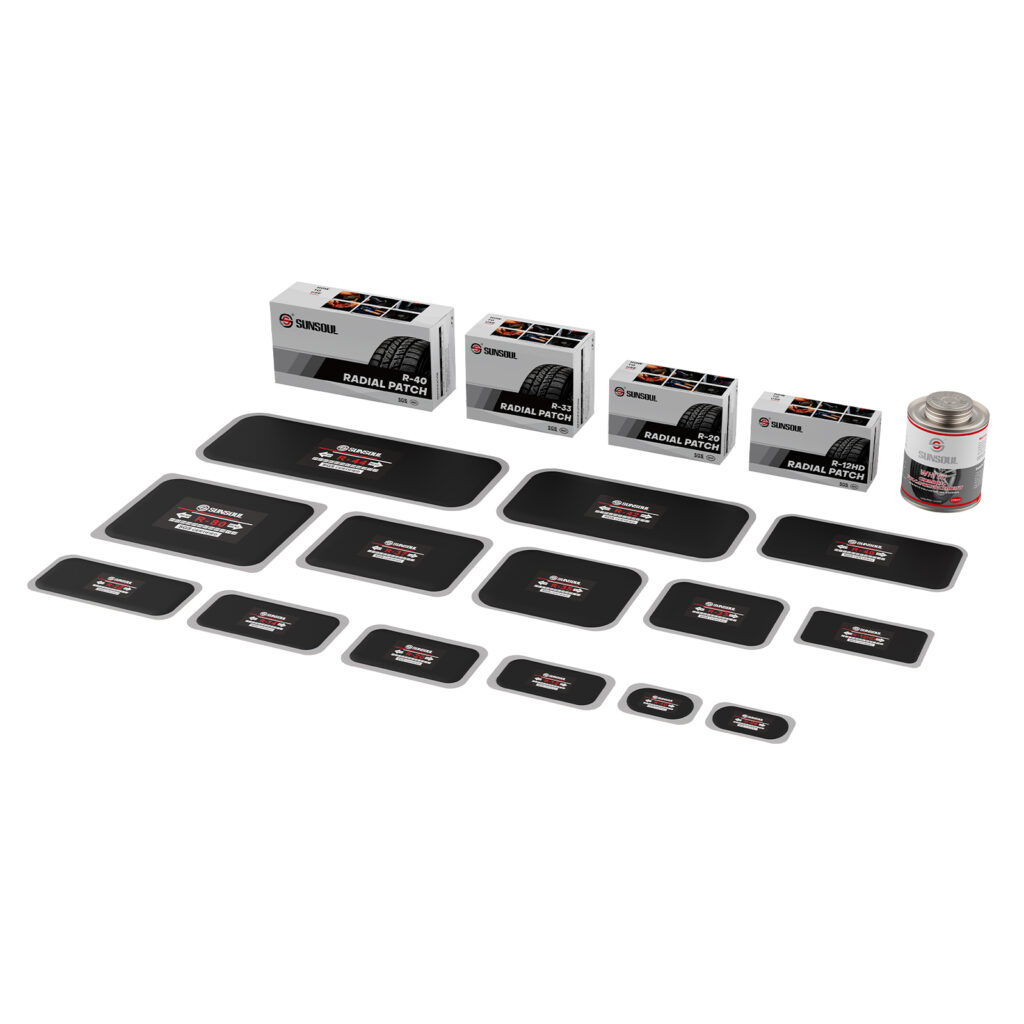
Mechanics get the right tools and materials before starting. They look at the tire to see if it can be fixed. SUNSOUL makes patches with split backing, so they are easy to use. Their chemical cure and dual cure patches work for different repairs. Mechanics do not fix tires with sidewall damage or deep cuts. The table below lists the tools and materials used:
| Tool/Material Type | Description |
|---|---|
| Tire Repair Materials | Complete line of tire & tube repair materials for various sizes of injuries. |
| Tire Repair Tools | Basic tools including insert tools, cement tools, probe & rasp tools, and storage cabinets. |
| Puncture Repair Units | Includes inserts, plugs, and recommended cement for injuries localized to the tread area. |
| Section Repair Units | For injuries larger than specified diameters, includes radial and bias repair units. |
Mechanics check the tire for unsafe problems. They do not fix tires with sidewall damage, deep cuts, cracks, or too much shaking. These tires need to be replaced.
Installation Guide
Mechanics clean and roughen the area around the hole. They put on vulcanizing cement and wait for it to get sticky. SUNSOUL patches stick well and last a long time. Mechanics peel off the split backing and press the patch on the hole. They use a roller to push out air bubbles and make a tight seal. SUNSOUL patches do not tear easily and work in hot or cold weather. Mechanics follow safety rules for good repairs.
| Feature | Description |
|---|---|
| Strong Adhesion | Bonds tightly for a lasting seal |
| Durability | Handles extreme heat and cold |
| Tear Resistance | 20% more tear resistance than competitors |
| Certification | DOT and ECE R109 certified |
| Warranty | 1-year warranty for peace of mind |
Mechanics let the patch cure before putting the tire back on. They check for leaks and make sure the repair is safe.
Aftercare Tips
Technicians recommend inspecting your tires before and after every trip. This inspection primarily focuses on tread depth and tire pressure. Conducting a monthly check helps detect potential issues early on. Regularly rotating your tires—in accordance with the manufacturer’s recommendations—helps ensure even wear. Maintaining proper tire pressure also contributes to extending the lifespan of your tires. For minor punctures in the tread, technicians employ safe and reliable methods to perform repairs.
Tip: Regular inspections and timely repairs not only extend the life of your tires but also ensure driving safety.
Provided that the repair is executed correctly and subsequent maintenance procedures are strictly followed, the results of repairing radial tires are typically highly satisfactory.
Benefits & Limits
Advantages of Radial Tire Patches
Using radial tire repair patches is an effective method for repairing damaged tires. Technicians favor this method because it provides a robust and durable repair result. The patch fits snugly over the damaged area, effectively sealing in the internal air. The vulcanized rubber material helps extend the lifespan of the patch itself. Once applied, the patch remains firmly in place, with air leaks occurring very rarely. These repair patches are widely applicable to various types of vehicles, including agricultural machinery. Technicians choose this type of patch because it restores the tire’s structural integrity, thereby safeguarding the safety of the vehicle and its occupants.
Tip: A radial tire patch stops leaks and helps the tire last longer.
Limitations & Safety Notes
When using radial tire repair patches, technicians must strictly adhere to relevant safety protocols. Not all damaged tires can be repaired using these patches; certain types of damage may leave the tire with residual safety risks even after repair. The following lists some important limitations:
- Radial patches cannot repair damage located on the tire’s sidewall.
- Large cuts or deep, extensive cracks cannot be repaired using a patch alone.
- Tires exhibiting the aforementioned issues have compromised structural integrity, and continuing to use them poses a safety risk.
Before commencing any repairs, technicians conduct a comprehensive inspection of each tire. They carefully check for deep cuts, cracks, or damage located outside the tread area. If such issues are detected, technicians typically recommend that the vehicle owner replace the tire with a new one. After all, safety is always the primary consideration.
| Repairable Area | Safe to Patch? |
|---|---|
| Tread | Yes |
| Sidewall | No |
| Large Cuts | No |
Note: Always ask a mechanic if you are not sure about tire damage. Getting the tire checked keeps drivers safe.
A radial tire patch makes a tire strong again after a hole. It also helps stop air from leaking out. Using good brands and the right steps keeps cars safe. Checking tires often helps them last longer and work better.
- Getting tires fixed by experts gives good results.
- SUNSOUL patches are strong and last a long time.
- Good patches fix holes and help tires last longer.
| Aspect | Description |
|---|---|
| Certification & Quality Standards | ISO-certified products are safe and always the same. |
| Technical Support | Experts can help in shops or out in the field. |
| Compatibility | Make sure patches and glue work for both systems. |
| Global Supply & Reliability | Good products must arrive on time and be high quality. |
Checking tires often and fixing them right keeps drivers safe.
FAQ
What is a radial tire repair patch?
Radial tire repair patches are specifically designed to repair punctures in radial tires. Technicians apply the patch to the interior of the tire to cover the damaged puncture site. This repair method restores the tire’s structural integrity and effectively prevents air leakage.
Can radial tire repair patches fix sidewall damage?
No, radial tire repair patches cannot repair damage to the tire’s sidewall. Technicians use them exclusively to repair punctures located on the tire tread. Using a repair patch to mend a sidewall is unsafe.
How long do radial tire repair patches last?
Radial tire repair patches typically last for a very long service life. High-quality patches—such as those offered by SUNSOUL—ensure a durable and long-lasting repair. Regular tire inspections help ensure your driving safety.
What tools do technicians need to install a repair patch?
Technicians require a tire repair tool kit, vulcanizing fluid (cold patch cement), and a stitcher roller. Additionally, they need cleaning supplies and repair patches featuring a double-layer release paper backing. These tools ensure that the patch adheres firmly and securely to the tire.
Are SUNSOUL tire repair patches suitable for all types of vehicles?
SUNSOUL tire repair patches are suitable for a wide range of vehicles, including bicycles, motorcycles, passenger cars, trucks, and agricultural machinery. The company offers patches in various specifications to meet diverse tire repair requirements.