
A tractor tire boot patch is a reinforced, multi-layered patch. You use it for tire repair from inside the tire. This professional repair fixes a large puncture or cut, restoring the tire’s structural integrity. A proper tire repair is crucial for safety and efficiency.
Did You Know? Industry reports show that tire problems cause approximately 40% of all machinery downtime in agriculture.
Choosing a durable puncture repair provides a strong, lasting solution. This quick and easy fix gets your equipment back to work reliably. A quality repair can even reduce tire-related downtime by up to 25%, helping you avoid costly replacements.
The Critical Role of a Tractor Tire Boot Patch in Agriculture
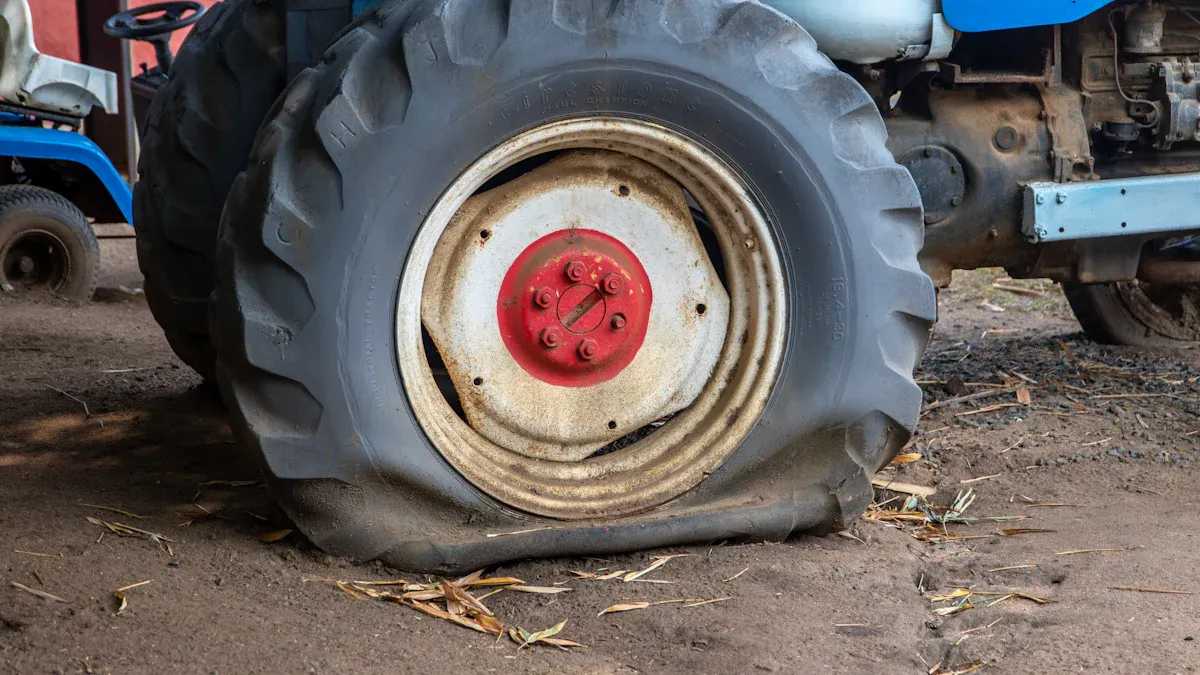
A tractor tire boot patch does more than just fix a hole. It plays a vital part in keeping your farm running smoothly, safely, and profitably. When you face a significant puncture, this type of tire repair becomes essential. It protects your investment and your well-being.
Restoring Structural Integrity to the Tire
Your tractor tire is a complex structure. It contains multiple layers that work together to support immense weight and stress. A deep puncture damages these critical components, weakening the entire tire. A simple plug cannot fix this internal damage. A proper tire repair must restore the tire’s original strength.
A tire’s integrity depends on several key parts working in harmony.
| Component | Its Role in Tire Strength |
|---|---|
| Body Plies | This is the tire’s skeleton. It provides the core strength to handle internal air pressure and external loads. |
| Steel Belts | These belts give the tire stability. They help distribute forces evenly and resist punctures. |
| Halobutyl Liner | This inner layer holds the air in. A breach here means the tire cannot maintain pressure. |
| Sidewall | The sidewall protects the body plies from side impacts and absorbs shocks from rough ground. |
A boot patch reinforces these layers from the inside. It bonds with the tire casing, effectively rebuilding the damaged area. This professional repair ensures your tire can once again handle the heavy demands of agricultural work.
Ensuring Operator Safety on Rough Terrain
Your safety is the top priority. An improperly repaired tire creates a serious risk, especially when you operate heavy machinery on uneven fields. A temporary plug can fail under pressure, leading to a sudden blowout. This can cause you to lose control of your equipment.
A correct tire repair is the only way to guarantee stability and traction. Industry experts have clear guidelines for what makes a repair safe and permanent.
The U.S. Tire Manufacturers Association (USTMA) states that the only recognized permanent tire repair involves a combination plug-and-patch method. A patch alone is not approved because it does not seal the puncture channel from the elements. A plug alone is only a temporary fix. A repair in the sidewall is never safe because this area is critical for the tire’s stability.
Using a high-quality boot patch ensures your tire repair meets these safety standards. It provides a complete seal and restores structural integrity, giving you peace of mind while you work.
Preventing Costly Downtime and Replacement
Every minute your tractor is out of commission costs you money. Equipment downtime during critical planting or harvesting seasons can have a massive financial impact. A failed tire is one of the most common causes of these delays. Investing in a quality tire repair is a cost-effective solution that keeps you productive.
This approach helps you reduce downtime and protect your profits. The numbers show just how expensive a delay can be.
| Scenario | Potential Financial Loss |
|---|---|
| One 8-hour day of downtime at planting | $2,400 |
| One 8-hour day of downtime at harvest | $900 |
| Operations saving by preventing failures | Over $2,400 per day |
Choosing a durable repair for a puncture saves you from these expensive delays. It also extends the life of your tire, helping you avoid the high cost of a premature replacement. A reliable repair gets you back in the field quickly and keeps you there.
Understanding the Tire Repair Process with a Boot Patch
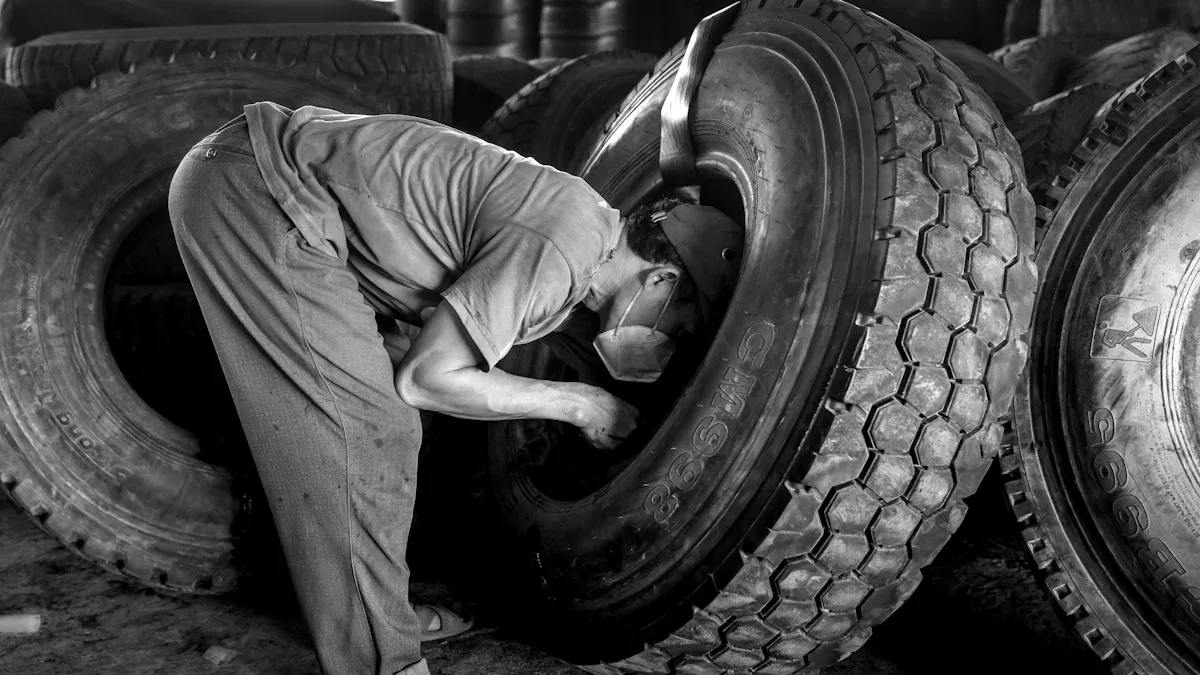
A proper tire repair is a precise process. You must follow specific steps to ensure the fix is strong, safe, and permanent. Understanding how a professional applies a tractor tire boot patch shows you why it is the superior solution for a serious puncture.
Internal Application for Maximum Strength
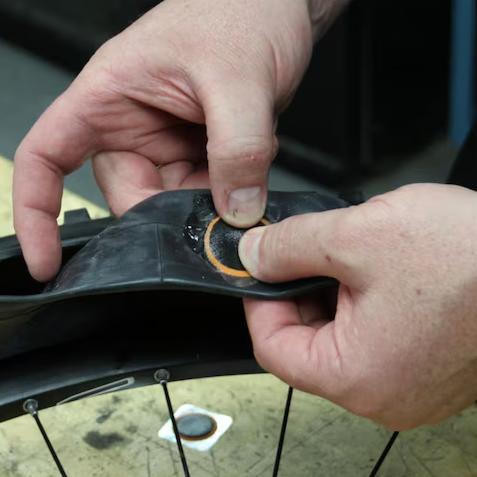
You get the best results when you fix a tire from the inside. A technician demounts the tire from the rim to access the inner liner. This internal approach is critical for a strong tire repair.
Pro Tip: Think of it like patching a hole in a water bucket. A patch on the inside uses the pressure of the water to help seal the hole. Similarly, the air pressure inside your tire constantly pushes the patch against the casing, creating a powerful and lasting bond.
This method allows for a thorough inspection of the internal damage, which you cannot see from the outside. It ensures the repair addresses the full extent of the puncture.
Reinforcing the Damaged Tire Casing
A puncture does more than just let air out; it tears the internal fabric and steel belts that give the tire its strength. A boot patch is designed to rebuild this damaged structure. The tire repair process is a quick and easy way to restore your tire.
The technician follows these key steps:
- Clean: They thoroughly clean the area around the puncture inside the tire.
- Buff: They buff the surface to create a texture for the patch to grip.
- Cement: They apply a special vulcanizing cement to the prepared area.
This preparation ensures the patch will bond perfectly with the tire, reinforcing the casing and restoring its ability to handle heavy loads.
The Vulcanization Process for a Seamless Bond
Vulcanization is the final step that makes the repair permanent. This chemical process uses cement to fuse the patch to the tire, creating a single, solid piece of rubber. This seamless bond creates a permanent airtight seal, preventing future leaks. This process provides a reliable fix for your tire. It ensures the puncture repair will not fail under the extreme stress of farm work. This is how you turn a damaged tire back into a dependable asset.
Boot Patch vs. Plug: Choosing the Right Tire Repair Method
You need to choose the right tire repair method for your equipment. Your decision between a boot patch and a simple plug depends on the damage. One offers a temporary fix, while the other provides a permanent, structural solution. Understanding the difference helps you make the safest and most cost-effective choice for your tire.
When to Use a Tractor Tire Boot Patch
You should use a tractor tire boot patch for significant damage. This type of tire repair is necessary when the tire’s internal structure is compromised. A simple plug cannot handle these situations. You need a more robust repair to restore the tire’s strength and safety for heavy-duty work.
Consider a boot patch when you face these issues:
| Type of Damage | Use a Boot Patch? | Why? |
|---|---|---|
| Large Punctures | ✅ Yes | A patch covers a wider area and reinforces the casing. |
| Cuts or Gashes | ✅ Yes | A patch seals the cut and restores structural integrity. |
| Sidewall Damage | ❌ No | You should never repair a tire’s sidewall. This area flexes too much, making any repair unsafe. |
| Small, Clean Puncture | Maybe | A patch is the best option, but a plug-patch combo is the industry standard. |
A boot patch is the professional solution for serious damage to the tread area of your tire. It ensures the repair is as strong as the original tire.
Limitations of a Temporary Tire Plug
A tire plug can seem like a quick and easy solution. You can often apply it without even removing the tire from the tractor. However, this convenience comes with major risks. A plug is only a temporary fix and is not a reliable method for a heavy-duty agricultural tire.
Plugs have several critical weaknesses:
- They lack long-term durability. A plug can work its way loose over time, especially with the constant flexing and heavy loads a tractor tire endures.
- You can make the puncture worse. To insert a plug, you must ream the hole. This process can tear the internal steel belts and enlarge the original damage.
- They are unsafe for sidewall damage. Using a plug in the sidewall is extremely dangerous. The high stress in this area can cause the plug to fail, leading to a sudden blowout.
- They can cause slow leaks. A plug may not create a perfect seal. This allows air to escape slowly, forcing you to constantly check and refill the tire.
These limitations make a plug an unreliable choice for anything more than getting your machine back to the workshop.
Why a Patch Offers a Permanent Solution
A patch provides a permanent solution because it addresses the root of the problem. Unlike a plug that just fills a hole, a patch rebuilds the tire from the inside. The vulcanization process chemically bonds the patch to the tire casing. This creates a seamless, airtight seal and restores the tire’s structural integrity.
A proper tire repair becomes part of the tire itself. It doesn’t just plug a leak; it restores the strength needed to handle thousands of pounds of pressure, day after day. This is how you achieve true, long-lasting repairs.
This internal reinforcement ensures the repaired area can withstand the same forces as the rest of the tire. When you need a dependable fix that will last the life of your tire, a professionally applied patch is the only correct choice.
Choosing High-Quality Tire Patches for Dependable Repairs
The success of your tire repair depends heavily on the quality of the materials you use. A durable repair starts with choosing the right components. Selecting high-quality tire patches ensures your equipment gets a safe and long-lasting fix.
The Importance of Material and Adhesion
Not all tire patches are created equal. The material of the patch must be strong yet flexible. It needs to handle the constant stress and heat inside a working tire. A quality patch has multiple layers to reinforce the tire’s structure. The adhesion is just as important. The patch uses a chemical process to bond with the tire. This creates a permanent, airtight seal. A weak bond can lead to a failed tire repair, putting you back where you started. A strong bond makes the repair a permanent part of the tire.
Why Global Suppliers Like SUNSOUL Are Trusted
You can trust global suppliers like SUNSOUL because they prove their quality. These companies produce millions of tire patches each month and are known for their reliability in dozens of countries. Their commitment to excellence is verified through strict international certifications. A dependable tire repair comes from products that meet high standards.
Look for suppliers whose products meet these key benchmarks:
- ISO 9001 certified manufacturing facilities
- DOT compliant for road safety
- CE marked for European markets
- Meets environmental standards like RoHS and REACH
These certifications show that the tire patches are made with quality and safety in mind. This gives you confidence in your tire repair.
Selecting the Correct Patch for Your Tire
You must also choose the correct patch for your specific tire and damage. Patches come in various sizes and designs. Using a patch that is too small will not provide enough reinforcement. Using the wrong type of patch can also compromise the tire repair.
Pro Tip: Always match the patch to the type of tire construction. A radial tire requires a radial patch, while a bias-ply tire needs a bias patch. This ensures the repair flexes correctly with the tire.
Taking the time to select the right patch is a critical step. It guarantees the repair restores the tire’s strength and keeps you working safely.
A tractor tire boot patch is the essential tire repair for a significant puncture. This cost-effective solution provides a permanent fix. You prevent expensive downtime and ensure your safety with a proper tire repair.
For reliable, long-lasting repairs, your tire repair must use quality materials. Choosing proven tire patches from a trusted supplier is the best way to fix your tire. This professional tire repair with the right tire patches guarantees your tire can handle any puncture. A quality repair with the best tire patches is the best tire repair.
FAQ
Can I apply a boot patch myself?
You should have a professional apply a boot patch. The process requires special tools and training. A technician ensures the vulcanizing cement creates a permanent, safe bond. This is critical for the safe operation of heavy equipment.
How long does a boot patch repair last?
A professionally applied boot patch creates a permanent repair. It becomes part of the tire’s structure. The repair will last for the remaining life of the tire, withstanding the heavy demands of agricultural work without failing.
What makes a quality tire patch?
You should look for a patch with strong adhesion and multiple reinforcement layers. Quality patches use superior materials to create a flexible, durable, and leak-proof seal. This ensures the repair will not peel or fail under pressure.
Is a boot patch part of a plug-patch combo?
Yes, a boot patch is a key part of the best repair method. The U.S. Tire Manufacturers Association (USTMA) recommends a two-piece system. A plug fills the puncture channel. The patch seals the inner liner, restoring the tire’s structural integrity.