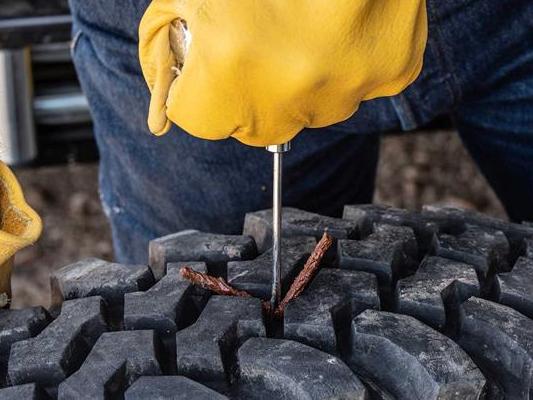

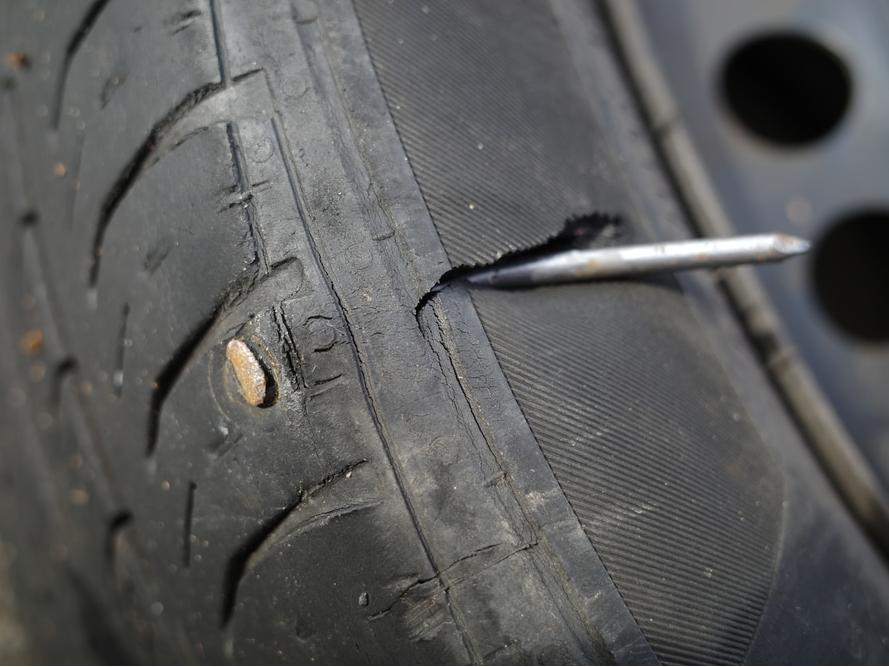
Vulcanized tire patches repair tires by forming strong chemical bonds. The patch adheres tightly to the rubber, forming a strong seal that prevents air and water leakage. Many experts choose vulcanized tire patches over adhesive patches for the following reasons:
- Under normal use, patches can last up to ten years.
- They can withstand pressure and stress.
- The adhesion is long-lasting and stable.
SUNSOUL is a trusted brand providing high-quality vulcanized tire patch solutions for a wide range of vehicles.
Key Takeaways
- Vulcanized tire patches have strong adhesion and can last up to ten years under normal use.
- Proper preparation and curing of the tire surface are crucial for the success of vulcanized patch repairs.
- Vulcanized patches are suitable for a variety of vehicles, such as cars, trucks, and motorcycles, providing a strong and durable repair.
- Choose vulcanized patches for safer, better-performing tires. They help maintain tire pressure and increase tire strength.
- Always inspect the tire condition before repairing it. Vulcanized patches are best suited for repairing tread damage and are not suitable for sidewall issues.
Vulcanized Tire Patch Process
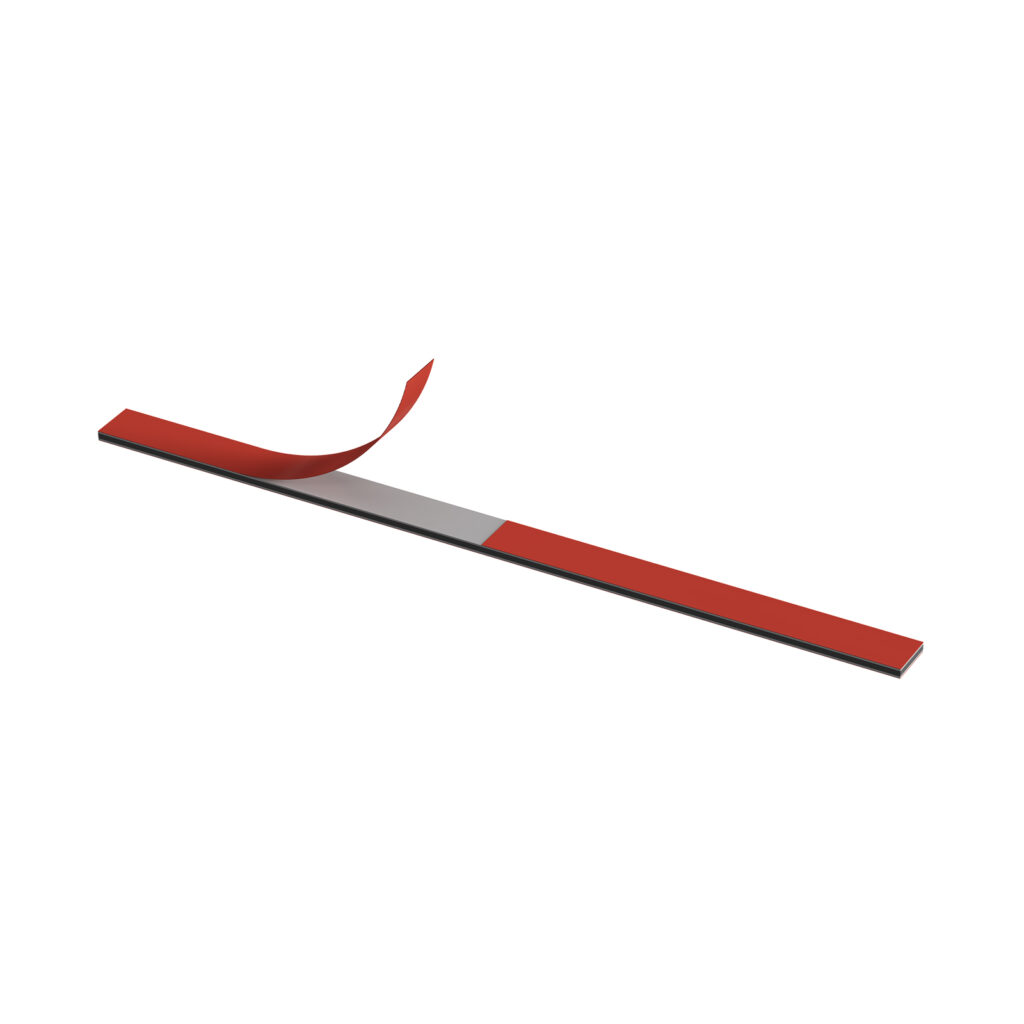
Vulcanization Explained
The vulcanization process makes raw rubber stronger and more stable. Technicians first add sulfur and other chemicals to the rubber, then heat it to approximately 280 to 350 degrees Fahrenheit (approximately 130 to 177 degrees Celsius). The high temperature causes cross-linking between rubber molecules, making the rubber tougher and more elastic.
Cross-linking forms a network structure within the rubber, giving the patch greater strength and flexibility. Sulfur helps form chemical bridges between polymer chains during heating, making the rubber more durable and resilient.
- Vulcanization improves rubber performance.
- The vulcanization process helps rubber resist tearing and abrasion.
- Vulcanized rubber can withstand high temperatures and harsh environments.
SUNSOUL tire patches are made from natural rubber. This helps extend the life of the patch and maintain strength under pressure. The high temperature and pressure during vulcanization ensure a strong bond between the patch and the tire. This characteristic makes tire patches suitable for a variety of repair scenarios.
Patch Bonding Method
The tire patch bonding method involves several steps. First, the technician cleans and sands the damaged area of the tire to roughen the surface, preparing it for patching. Next, they apply vulcanizing adhesive to the damaged area. The vulcanizing adhesive helps the tire patch adhere.
Then, they place the vulcanized tire patch in the prepared position. High temperature and pressure initiate the chemical reaction. The tire patch bonds tightly to the tire, forming a strong seal. This seal prevents air and water leakage.
SUNSOUL also produces tire patches using textile reinforcement materials. This gives the tire patch greater strength and flexibility. These tire patches bond firmly to the tire, making them suitable for cars, trucks, motorcycles, and off-road vehicles.
Tip: Properly preparing the damaged surface and vulcanizing the tire patch helps ensure a successful repair. Skilled workers and post-repair inspections ensure better and more reliable repair results.
- Use materials that match the original parts.
- Clean and sand the tire before repair.
- Follow the correct repair time, temperature, and pressure.
- After the repair is completed, inspect the repair.
Vulcanized tire patch technology creates a strong repair that can withstand pressure. SUNSOUL uses high-quality materials and textile reinforcement, making its patches a reliable choice for tire repair.
Benefits of Vulcanized Tire Patch
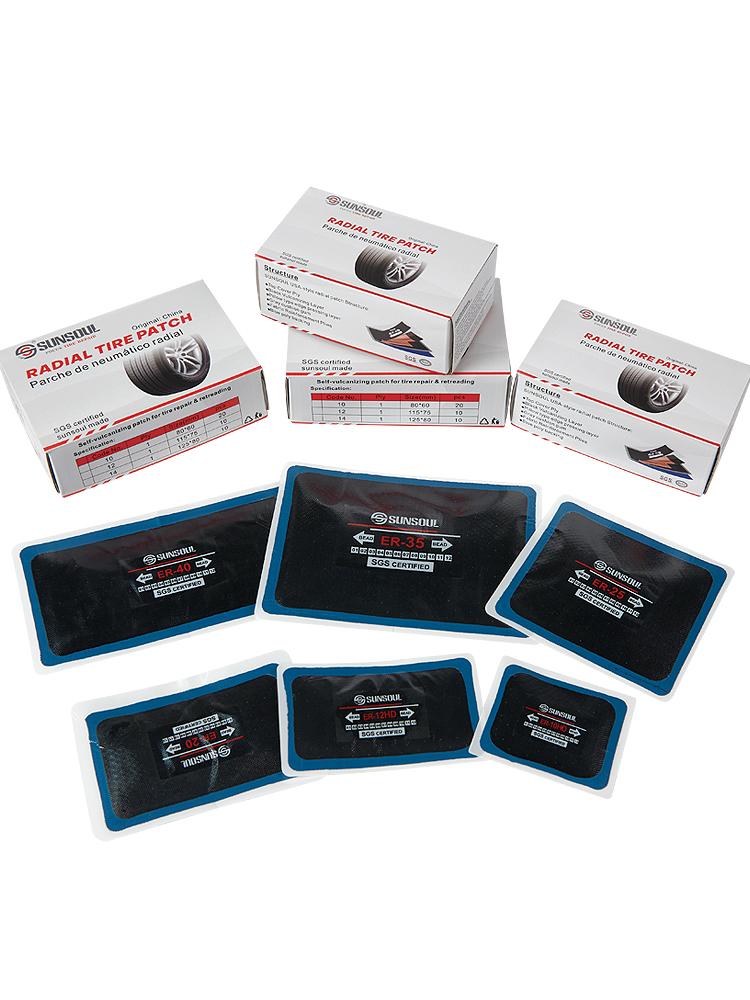
Durability and Strength
Vulcanized tire patches provide a strong seal for tire repair. The patch forms a chemical bond with the tire, making it strong and able to withstand pressure. Many people choose this type of patch because it provides long-term tire protection.
The table below shows the lifespan of various patches:
| Patch Type | Average Lifespan |
|---|---|
| Vulcanized Patch | Up to two years or more, often lasting the tire’s usable life |
| Adhesive Patch | Temporary, not suitable for long-term use |
Vulcanized patches are less prone to tearing or abrasion and remain strong even on rough roads or under heavy loads. SUNSOUL offers an 18-month warranty on its patches, while most other brands only offer 6 months to 2 years. This demonstrates SUNSOUL’s confidence in the durability of its patches.
The table below shows how patches cope with pressure and wear:
| Patch Type | Durability | Adhesion Type | Bonding Mechanism |
|---|---|---|---|
| Vulcanized Patches | High | Permanent, waterproof bond | Chemical bonding through heat and pressure |
| Other Patch Types | Moderate | Often pressure-sensitive adhesives | Surface-level adhesion, less integrated |
Vulcanized tire patches are suitable for a variety of vehicles. Trucks, cars, motorcycles, and off-road vehicles can all be repaired with these patches. SUNSOUL manufactures patches for every tire type, ensuring each tire receives the correct repair.
Note: High-quality repair materials, such as specialized patches and vulcanizing adhesives, help extend tire life and ensure safety.
Safety and Performance
Safety is paramount when repairing tires. Vulcanized tire patches restore tire strength and maintain tire pressure. This helps maintain tire pressure and reduces the risk of failure.
The table below shows how patch type affects safety and performance:
| Patch Type | Lifespan | Pressure Retention | Safety Impact |
|---|---|---|---|
| Hot Vulcanized | Near-permanent | Excellent | Restores structural integrity |
| Plug-and-Patch Combo | Long-lasting | Very Good | Durable, often lasts as long as tire |
| Cold Patches | 2–5 years | Good | Effective with regular maintenance |
Curved patches maintain tire strength and flexibility. They help tires maintain good performance under high speeds or heavy loads. Many repair shops consider cured patches best suited for fleets and large vehicles.
- Radial patches maintain tire flexibility and repair damaged areas. They are widely used in commercial vehicles.
- Bias patches offer good adhesion and long service life, suitable for heavy-duty trucks.
The table below shows tire patches suitable for different vehicles:
| Patch Type | Vehicle Compatibility |
|---|---|
| CRP20 | Truck and tractor tires |
| CRP12 | Light truck tires and tractors |
| CRP12HD | Car, light truck, and tractor tires |
| CRP10 | Car and truck tires |
| CRP10HD | Passenger cars to heavy-duty truck tires |
SUNSOUL tire patches are made with textile reinforcement and natural rubber. These materials help the patch maintain its strength and flexibility. The patch protects the tire and ensures it performs well in a variety of conditions.
Tip: Choosing vulcanized tire patches improves tire safety and gives you peace of mind while driving. Drivers can rely on their tires for extended lifespan and easily handle various road conditions.
Vulcanized vs. Other Tire Patches
Adhesive and Temporary Patches
Many drivers choose to use adhesive patches and temporary patches for quick tire repairs. These patches have an adhesive layer that bonds firmly to the tire. They are used in emergencies because they are easy to install. However, adhesive patches are not as durable as other types of patches. They may lose their adhesiveness if the tire is heated, wet, or subjected to heavy loads. After a period of time, the patch may detach, leading to a leak.
Temporary patches are suitable for short trips or use until a better repair method is found. They have a weaker bond to the tire rubber. Most experts recommend replacing them with stronger patches as soon as possible.
Key Differences
Vulcanized tire patches use high temperatures and special chemicals to form a strong bond with the tire. This process bonds the patch to the tire in a very small area. The patch becomes an integral part of the tire, resulting in a more durable repair. SUNSOUL offers universal, bias-ply, and radial patches for various tires and repair needs.
The table below shows the strength and durability of various tire patch types:
| Patch Type | Bond Strength Characteristics | Durability |
|---|---|---|
| Vulcanized Patches | Create a molecular bond with the tire, offering the most durable repair. | Can last the remaining life of the tire, especially on tread-area punctures. |
| Adhesive Patches | Suitable for temporary fixes, may not withstand the same forces over time. | Designed for emergency repairs, but not as long-lasting as vulcanized options. |
Vulcanized tire patches are suitable for passenger cars, trucks, and SUVs. Universal tire patches are suitable for a variety of tires. Bias-ply tire patches are suitable for heavy-duty trucks. Radial tire patches help repair modern tires that need bending. These options provide drivers with a safe and reliable method for tire repair, ensuring driving safety.
Note: Choosing the right tire patch can extend the lifespan of the tire repair and ensure vehicle safety.
When to Use Vulcanized Tire Patch
Typical Applications
Vulcanized tire patches are suitable for a variety of vehicles. Drivers use them to repair punctures in car tires. Truck owners use it for high-intensity repairs. Cyclists use it to securely repair bicycle tires. Motorcyclists use it to safely repair tires. Off-road vehicles also need it for driving on rough terrain.
SUNSOUL offers both hot-melt and cold-melt patches to meet different needs. Hot-melt patches are suitable for large repairs requiring durability. Cold-melt patches are best suited for quick repairs or minor issues. The table below shows which patch is best suited for various situations:
| Type | Method of Bonding | Best Use Case |
|---|---|---|
| Hot Vulcanizing | Uses heat and pressure for a strong chemical bond | Permanent repairs for significant damage |
| Cold Patches | Uses chemical adhesives for bonding | Quick fixes for minor damage or emergencies |
Tip: Choose a hot-melt patch for severe tire damage. Use a cold-melt patch for small holes or situations requiring quick repair.
Application Steps
The steps for technicians to use vulcanized patches are simple. First, remove the tire from the rim. Then, clean and prepare the damaged area. Apply a thin layer of vulcanizing adhesive to the damaged area. Wait for the vulcanizing adhesive to dry. Next, cover the hole with the patch and press firmly. Start pressing from the center and work outwards to remove air bubbles. The vulcanizing clamps apply heat and pressure (typically between 130–200°C) to firmly bond the patch to the tire.
- Remove the tire.
- Clean and prepare the damaged area.
- Apply vulcanizing adhesive and allow it to dry.
- Place the patch and press firmly.
- Use the clamps to apply heat and pressure.
The heat causes the vulcanizing solution and rubber to react. This step produces a chemical reaction that firmly bonds the patch to the tire. The tire regains its strength, and the patch fuses with the tire.
Note: Proper handling helps extend the life of the patch and ensures tire safety. Always follow the operating instructions for best results.
Vulcanized Tire Patch Limitations and Considerations
Drawbacks
Vulcanized tire patches can firmly repair tires, but they are not a panacea. Some tire problems require other repair methods. A mechanic must inspect the tire before starting a repair. Vulcanized patches are not recommended in the following situations:
- A sidewall puncture usually means the tire needs to be replaced. Patches cannot safely repair this type of problem.
- Run-flat tires or tires with damaged sidewalls require professional inspection or replacement.
- Improperly installed patches can fail. Repairs must follow the correct procedures.
Weather and road conditions can also affect the strength of patches. Sunlight, high temperatures, low temperatures, water, and chemicals on the road can all reduce the strength of a repair over time. The mechanic must ensure the patch has cured for a sufficient amount of time. If the curing time is insufficient, the patch may not last. If the curing time is too long, the rubber will harden and crack. Regularly inspecting the patch helps maintain the repair’s strength.
Note: Vulcanized patches are best suited for repairing holes in the tire tread. They are not a panacea.
Suitability Factors
Choosing the best tire repair method depends on many factors. The technician will first inspect the tire’s shape, check for sidewall damage, and determine if the tire can be safely repaired. Vulcanized patches offer a long-lasting repair, while liquid sealants and DIY repair kits only provide temporary relief.
They will also consider the repair cost. Sometimes, if the old tire is severely worn or damaged, buying a new tire is more cost-effective. The table below lists the costs and lifespan of various tire repair methods:
| Patch Method | Cost Range | Longevity |
|---|---|---|
| Vulcanized Patch | $20 – $40 | Permanent, lasts the tire’s life |
| Liquid Sealants | Varies, typically lower | Temporary, not for long-term use |
| DIY Patch Kits | Under $20 | Varies, often less durable |
| New Tire | $80 – $200 | N/A |
The technician will try to strike a balance between speed and quality. Vulcanized tire repair kits take longer but have a longer lifespan. They will ensure the kit includes all necessary tools and materials. The tire size and type are also important. The patch must be compatible with the tire.
Tip: Always check the tire first, then choose the appropriate repair method for the problem. Regularly checking the patch helps extend its lifespan and ensures tire safety.
Vulcanized tire patches provide a strong repair. This patch forms a long-lasting seal. The excellent seal effectively prevents leaks. Many people trust the SUNSOUL tire repair kit because it’s easy to use. Even on rough roads, this kit provides good repair results. This patch is ideal for damage caused by sharp objects. Whether for cars, trucks, or motorcycles, it’s a good choice for long-lasting and effective repairs.
FAQ
What is the difference between vulcanized tire patches and adhesive patches?
Vulcanized tire patches bond to the tire via chemical bonds. Adhesive patches, on the other hand, are bonded with glue. Vulcanized patches are more durable and can withstand greater pressure.
Can vulcanized tire patches repair all tire damage?
Technicians typically use vulcanized patches to repair holes in the tire tread. They do not use vulcanized patches to repair sidewall damage or large cuts. Always inspect the tire before starting a repair.
How long do vulcanized tire patches last?
Most vulcanized tire patches have the same lifespan as the tire itself. SUNSOUL offers an 18-month warranty on its patches. If installed correctly, the patch will be very strong.
Is this repair method suitable for all types of tires?
Vulcanized patches are suitable for cars, trucks, motorcycles, and off-road vehicles. Technicians will select the appropriate patch based on the specific condition of each tire. The repair process is safe when performed correctly.
What tools do technicians need to repair vulcanized tires?
The technician will need vulcanizing adhesive, patches, clamps, and cleaning tools. Heating and applying pressure help the patches bond firmly. Following the steps will ensure a strong repair.