
Vulcanized tire plugs bond to the tire using a chemical reaction, making the repair strong and durable. Unlike regular tire plugs, this method creates a permanent seal. Many drivers choose vulcanized tire plugs because they are very tough and safe, able to withstand greater pressure and stress than other tire plugs.
Key Takeaways
- Vulcanized tire plugs bond strongly to the tire, making them safer and stronger than regular tire plugs. – Using high-quality materials, such as SUNSOUL products, helps improve adhesion and extend the life of the repair. – Always follow the correct procedures and safety rules when using vulcanized tire plugs, as this helps improve their performance and lifespan.
Vulcanizing Tire Plug Process

Materials and Construction
Vulcanized tire plugs use special materials for a strong repair. Manufacturers use rubber compounds similar to the tire’s rubber composition, which helps improve adhesion and prevent future problems. The tire plug contains sulfur-based additives that form a durable bond. These additives play a role in the vulcanization process. The vulcanized rubber is also crucial. It contains rubber particles dissolved in a solvent. Solvents soften the rubber, allowing the patch to adhere tightly during vulcanization.
The table below shows how the chemical composition helps vulcanized tire patches perform well:
| Evidence Description | Key Points |
|---|---|
| The patch is made with a rubber compound that matches the tire’s composition. | Ensuring a strong bond between the patch and the tire. |
| Vulcanizate crosslinking agents achieve permanent adhesion during vulcanization. | Forming a strong and durable repair for driver safety. |
| Vulcanizate contains solvent-soluble rubber particles with strong adhesive properties. | Softening the rubber allows the patch to hold firmly in place during vulcanization. |
| High-performance adhesives form chemical bonds between the rubber layers during vulcanization. | Making the repair more durable and superior. |
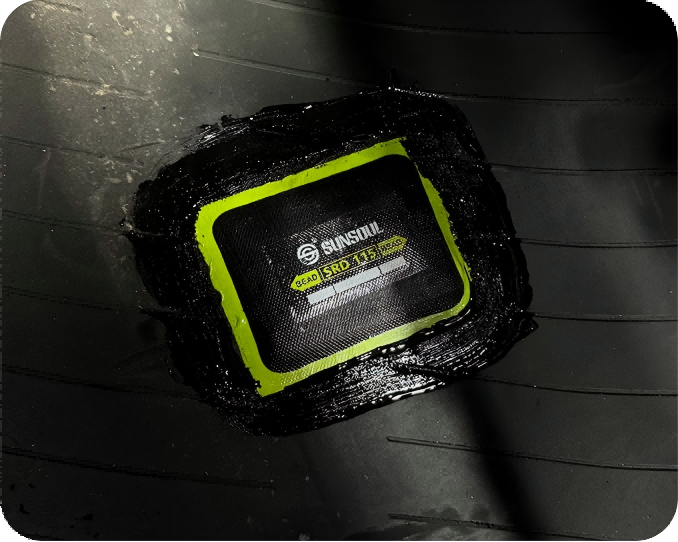
SUNSOUL uses premium materials in its vulcanized tire repair products. Their patches use natural rubber and a black vulcanized layer. These properties help the patch adhere firmly and move with the tire. SUNSOUL also adds a textile reinforcement layer for an even stronger repair.
Vulcanization Explained
Vulcanization is a scientific process that alters the rubber of a tire. The vulcanization process uses sulfur to treat the rubber, triggering a chemical reaction. This reaction softens the tire patch and the tire, causing them to bond together. Vulcanization makes the rubber harder and stronger. This is crucial because it helps the patch remain resilient under stress.
Vulcanized tire patches use glue or vulcanizing liquid to form a durable bond. The glue contains rubber particles and a quick-drying solvent. Upon application, the glue softens the rubber, allowing the patch to hold firmly in place during vulcanization. After the solvent dries, it leaves an adhesive layer that enhances the bond. High-quality glue makes the repair stronger and more durable. The reaction initiated by the vulcanizing liquid firmly bonds the patch to the tire.
- Vulcanizing glue is a glue containing rubber particles and a quick-drying solvent.
- Upon application, it softens the rubber, allowing the patch to hold firmly in place during curing.
- The dried solvent leaves an adhesive layer that enhances the bond.
- High-quality glue makes the repair stronger and more durable.
- The vulcanizing liquid triggers a reaction that bonds the patch to the tire.
SUNSOUL products utilize advanced vulcanization technology. Their truck tire repair systems are designed for professional repair. These systems repair tires faster than older models. SUNSOUL uses rust-free steel and easy-to-use control panels. Their products comply with RoHS safety and environmental regulations.
Safety and Durability
Safety is paramount when using vulcanized tire patch strips. This process creates a strong bond that can withstand high pressure and stress. Vulcanization makes the rubber tougher and more flexible. This means the repair lasts longer than a temporary fix. Vulcanized tire patch strips are better able to handle rough terrain than regular patch strips or patches.
The following table lists the safety standards for vulcanized tire patch strips:
| Question | Answer |
|---|---|
| Is a plugged tire considered a permanent repair? | No. Using a patch or strip alone is not a permanent repair. |
| Is a patch using a liquid patch a permanent repair? | The Rubber Manufacturers Association said yes in the 1990s. Rules may be different now. |
| Do tire repair strips require the use of vulcanized rubber? | No, but some people prefer to use it. |
| Can I drill through the puncture with a 1/4-inch drill bit? | It is not recommended. Drilling can damage the tire’s ply layer. |
| Can I burn the extra plug material after insertion? | No. Use a razor blade to cut off extra material. |
Tire preparation is crucial for successful repairs. Before inserting the patch, the tire must be deflated and thoroughly cleaned. Using high-quality materials from brands like SUNSOUL can improve repair results. Repairs should be limited to the tread area. If the sidewall is damaged, the tire needs to be replaced.
Vulcanized tires offer numerous long-term advantages. Tire repairs are both economical and environmentally friendly, reducing the number of discarded tires. Some vulcanized tires roll more smoothly, saving fuel and reducing pollution.
Tip: Always follow safety rules and use high-quality products for tire repairs. SUNSOUL offers an 18-month warranty, demonstrating their confidence in the durability of their vulcanized tire repair patches.
Vulcanized tire repair patches are strong, safe, and durable. Drivers can rely on this method for effective tire repairs.
Vulcanizing Tire Plug vs. Patch Methods
Vulcanizing Tire Plug vs. Non-Vulcanizing Plug
Vulcanized tire plugs bond firmly to the tire through chemical bonds, making the repair strong and long-lasting. Non-vulcanized tire plugs simply fill the puncture and do not bond to the tire rubber, therefore they have a shorter lifespan and cannot withstand higher pressures.
| Repair Type | Expected Lifespan |
|---|---|
| Hot Vulcanized Repair | Permanent (Lasts the life of tire) |
| Standard Tire Plug | Temporary (6 to 12 months) |
Hot vulcanized repairs can withstand higher pressures, up to 1,500 to 3,000 PSI. Regular tire plugs may break below 800 PSI. This means vulcanized tire plugs are safer for most drivers.
Safety is always paramount when repairing tires. Using only tire plugs is unsafe. Tire plugs themselves do not seal the inside of the tire, which can lead to rust and eventually tire damage.
Vulcanizing Tire Plug vs. Tire Patch
Tire patches, such as SUNSOUL vulcanized tire patches, work differently from tire plugs. Patches are installed inside the tire, covering the puncture from the inside. They are suitable for larger punctures or repairs requiring greater durability.
| Method | Advantages | Disadvantages |
|---|---|---|
| Tire Plug | Fast, simple, cheap, easy to do yourself | Not permanent, may not meet rules, not a full repair |
| Tire Patch | Strong, lasts long, good for big holes, can be used many ways | Harder to put on, takes more time, needs skill |
Patching works best for tubeless tires. It is good when you want a repair that will last. Plugging is good for small holes and quick repairs.
Pros and Cons
Pros:
- Strong bond makes the repair last
- Good for holes without taking off tire
- Handles heat and pressure well
Cons:
- Costs more than regular plugs
- May need special tools to put in
It is important to put the plug in the right way. If done right, vulcanizing tire plugs can help a tire last up to 25,000 more miles. New plugs stick to the tire and are hard to break. SUNSOUL products help keep repairs safe and high quality.
Using a Vulcanizing Tire Plug
When to Use
For small punctures in the tire tread, vulcanized tire plugs are the best choice. Experts say different problems require different repair methods. The table below lists applicable repair methods and their expected results:
| Application Scenario | Recommended Method | Repairable Damage Type | Expected Outcome |
|---|---|---|---|
| General Wear & Tear | Heat vulcanization (professional) | Small punctures, shallow cuts | Longer tire life, safer driving |
| Off-Road Damage | Plug-patch with heat curing | Tread punctures, minor scrapes | Strong fix, better grip |
| Fleet Tire Maintenance | Patch vulcanization | Controlled punctures | Saves money, less time fixing tires |
| Remote Emergency Repair | Cold vulcanization (portable kits) | Small tread holes | Quick fix that works well |
| Aging Tires with Flaws | Cold vulcanization with patches | Slow leaks, tiny cracks | Tire lasts a bit longer |
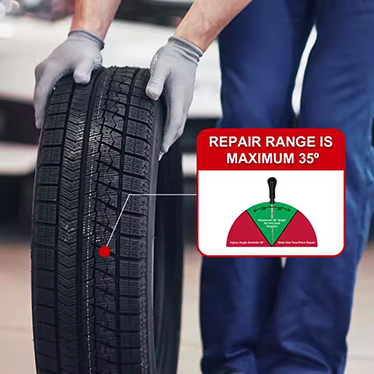
Plugs are not good for holes near the sidewall. They also do not work well for slanted holes. Big holes need patches to fix them right.
Step-by-Step Guide
Here are the steps for using vulcanized tire plugs:
- Remove the tire from the vehicle.
- Locate the leak.
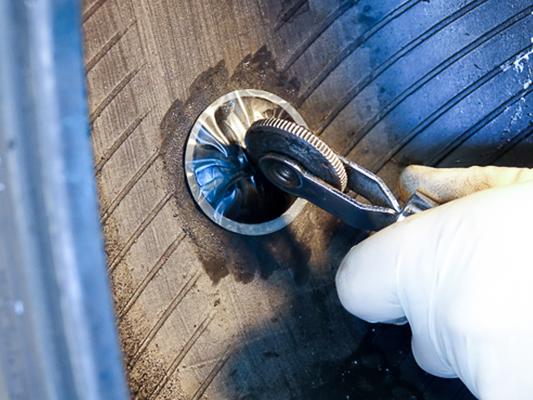
- Clean the hole with a tool.
- Prepare the plug.
- Place the plug into the tool.
- Apply tire rubber adhesive.
- Push the plug into the tire.
- Cut off any excess plug and adhesive.
- Reinstall the tire.
- Check for leaks.
- Continue checking the tire.
Tools you will need include: jack, tire inflator, drill, pliers, measuring tools, stitching tool, mushroom-shaped plug, cleaning agent, crayons, polisher, brush, vacuum cleaner, glue, bead sealant, and knife.
Tips for Best Results
- Cut off any excess plug, making it flush with the tire tread.
- After cutting the tire, inflate it to the correct pressure.
- Check for leaks with soapy water.
- Use high-quality materials, such as SUNSOUL, for a strong repair.
- Proper procedures will make the repair last longer.
- Do not use a plug to repair holes near the tire sidewall.
- Good tools help avoid mistakes.
Note: Using good materials and the right steps makes vulcanizing tire plugs work better. SUNSOUL uses natural rubber and is great for small holes.
Vulcanized tire plugs can quickly and economically repair small holes. They form a strong bond and are durable. Choosing a high-quality brand like SUNSOUL is very important. Always follow safety rules when repairing tires. The table below compares various repair methods:
| Repair Method | Bond Strength | Durability |
|---|---|---|
| Hot Vulcanizing | Strong chemical bond | Long-lasting repair |
| Cold Patches | Chemical adhesive | Less reliable |
FAQ
What’s the difference between vulcanized tire plugs and regular tire plugs?
Vulcanized tire plugs form a chemical bond with the tire. Regular tire plugs simply fill punctures. Vulcanized tire plugs are more durable and can withstand greater pressure.
Can anyone use vulcanized tire plugs at home?
Most people can use vulcanized tire plugs with the right tools. Reading the instruction manual will be helpful. Some repairs may require a professional for optimal results.
How long do vulcanized tire plug repairs last?
Properly applied vulcanized tire plug repairs can last until the tire is worn out. The strong bond prevents leaks and can withstand the demands of daily driving.