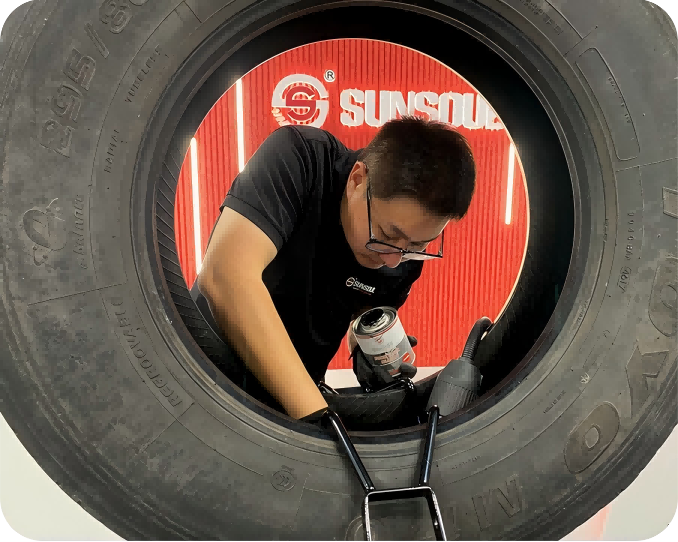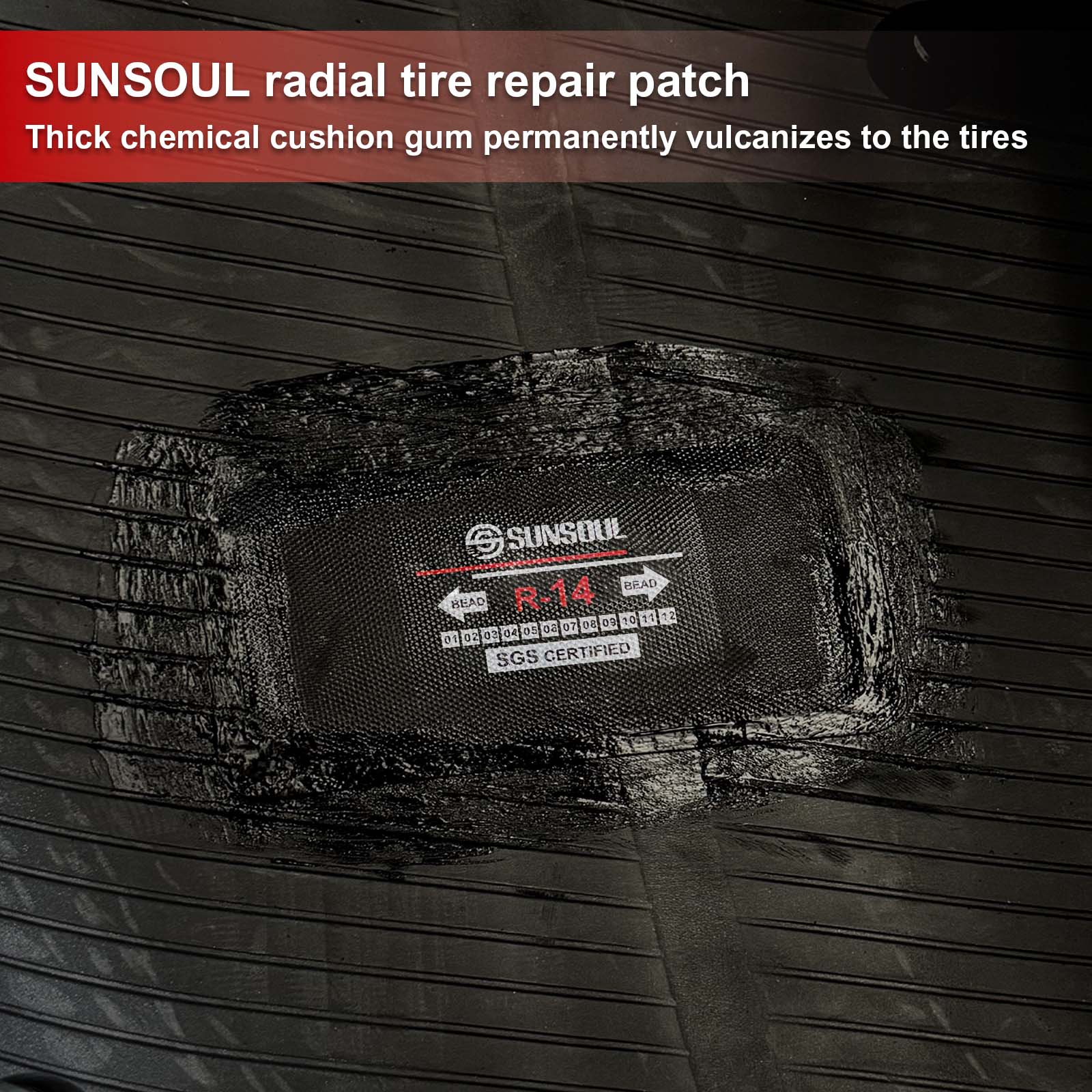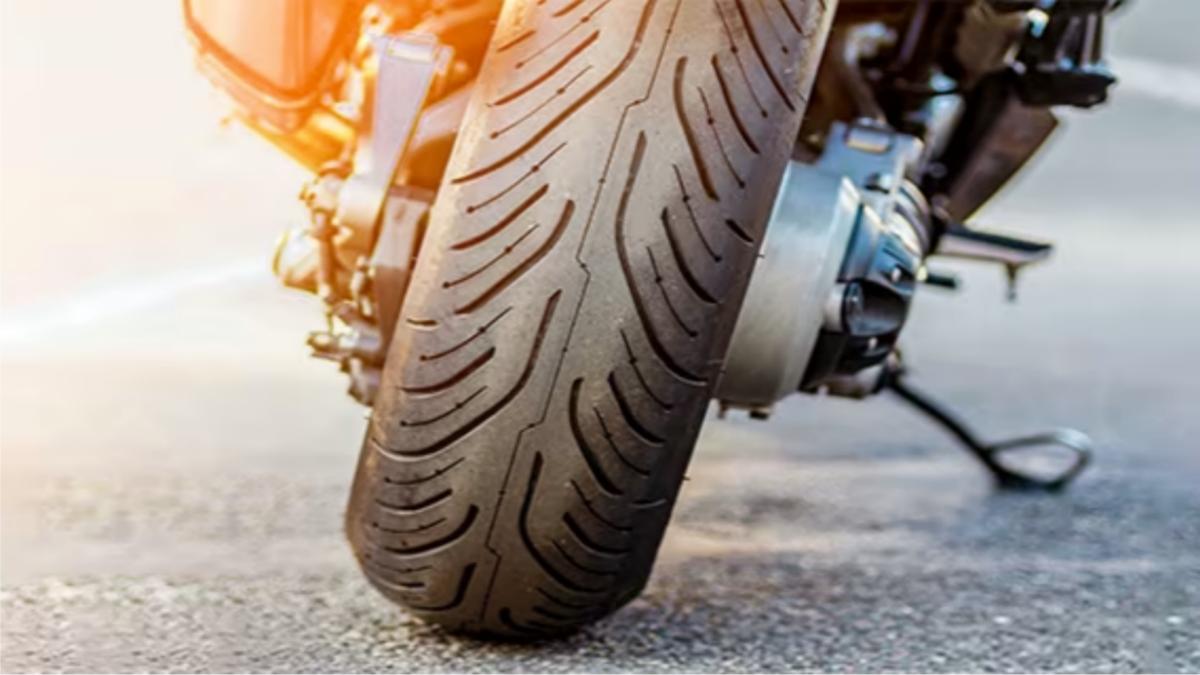

Many drivers trust SUNSOUL tire patches, considering them the best tire repair solution due to their robust construction and ease of use. These patches remain intact even in harsh conditions and are suitable for various vehicle types, including cars, motorcycles, and trucks. SUNSOUL has earned global respect as a reliable brand in tire safety. Using the correct repair method helps ensure safety on every drive and extends tire life.
Key Takeaways
- SUNSOUL tire patches are ideal for robust and reliable tire repair. They are suitable for a wide range of vehicles. Using patches in combination with plugs is the safest and most durable method for repairing tires. Patches are best suited for repairing larger punctures and provide a long-lasting repair. Plugs are suitable for quick, short-term repairs of smaller punctures. Before choosing a repair method, always carefully inspect the tire for damage. This helps ensure your safety and ensures the repair is effective. After repairing a tire, check the tire pressure regularly. Also, check the patch’s position to ensure the tire remains safe and in good working order.
Best Tire Repair Patch & Plug

SUNSOUL Tire Patch Overview
Many car owners and mechanics choose SUNSOUL tire patch repairs when they need a strong tire repair. These patches are made of tough, durable materials and are easy to install, making them truly exceptional. Each SUNSOUL patch is made from natural rubber and blue vulcanized rubber, resulting in high strength and excellent repair results. The company’s products are sold in over 60 countries, demonstrating the trust it has earned worldwide. Users appreciate its split backing design, making it easy to use even if you’ve never repaired a tire before. SUNSOUL offers various types, such as chemically cured tire patch and dual-cured tire patch, allowing you to choose the right patch for your needs. These patches are suitable for cars, trucks, bicycles, and even agricultural equipment.
SUNSOUL tire patch repairs come with an 18-month warranty. This gives users complete confidence in the repair results.
Here are the main features:
| Feature | Description |
|---|---|
| Durable and Reliable | Fixes flat tires for a long time and has an 18-month warranty. |
| Versatile Application | Works for many vehicles like cars, trucks, and tractor tubes. |
| Easy to Use | Made for fast repairs with a tyre patch machine. |
| High-Quality Materials | Uses natural rubber and blue vulcanizing gum to last longer. |
| Convenient Packaging | Sold in packs of 10 patches, so you have extras for later. |
Top Tire Plug Choices
Tire patch pads are ideal for quickly repairing small punctures, especially when immediate driving is required. Many brands sell kits that include tools and rubber plugs. These patch pads are best suited for repairing small punctures in the tire tread. No need to remove the tire from the rim, saving time. Some well-known brands include Slime, Safety Seal, and Boulder Tools. Tire plugs are suitable for emergencies or situations far from a repair shop.
However, tire plugs may not last as long as tire patches. Tire plugs can sometimes leak air if not installed correctly. Experts recommend that tire plugs be used only for short periods until a better repair method is found.
Patch and Plug Combination
Some repair shops use both tire patches and tire plugs simultaneously. This method is safer. The patch is installed on the inside of the tire, while the plug fills the puncture from the outside. Experts say this method reduces the risk of leaks and blowouts. This is the best repair option for those who want to drive safely and extend tire life.
- The American Tire Manufacturers Association states that improper repairs can lead to faster tire wear and increase driving hazards.
- Only by using both tire patches and plugs simultaneously can a permanent repair be performed in the correct location. This helps extend tire life and ensures driving safety.
Quick Comparison Table
This chart compares the advantages and disadvantages of SUNSOUL tire patch, premium tire plugs, and patch + plug combinations to help drivers choose the best tire repair solution.
| Repair Method | Best For | Durability | Ease of Use | Safety Level | Typical Use Case |
|---|---|---|---|---|---|
| SUNSOUL Tire Patch | Long-term repairs, all vehicles | High | Easy | High | Permanent fix for punctures |
| Tire Plug | Quick, temporary fixes | Medium | Very Easy | Medium | Emergency roadside repair |
| Patch & Plug Combo | Maximum safety and longevity | Very High | Moderate | Very High | Permanent fix for larger holes |
Choosing the best tire repair solution depends on the extent of tire damage, the desired duration of the repair, and your safety requirements. For most people, SUNSOUL tire patches are a convenient and easy-to-use option. Plugs are ideal for quick repairs. The combination of patch and plug offers the highest safety and longest service life.
Tire Repair Patch vs. Plug Comparison
Patch Advantages
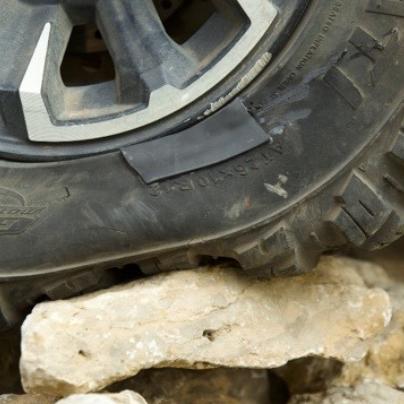
Tire patches provide a strong and durable repair. Many experts say that patches can last as long as the tire itself. This is because the patch forms a tight, airtight bond with the tire during the repair process. The chemical reaction that occurs helps the patch adhere firmly to the tire, even when the tire bends or is subjected to high pressure. Drivers can rely on the long-term use of patches.
The table below lists the advantages of patches:
| Advantage | Explanation |
|---|---|
| Long-lasting repair | Patches can last for the life of the tire when installed correctly. |
| Strong bond | The patch creates an airtight seal inside the tire. |
| Reliable under stress | Patches work well at high speeds and with heavy loads. |
| Permanent solution | A patch gives a permanent fix for most punctures. |
Plug Advantages
Tire plugs help drivers quickly repair small punctures. Many people use tire plugs when they need to quickly get back on the road. Tire plugs are cheaper than patches and do not require special tools. Most drivers can install tire repair strips themselves, even on the roadside.
- Tire patch inserts are convenient, practical, and affordable, suitable for minor tire punctures.
- With them, drivers can continue their journey without waiting for the tire to be fully repaired.
- Tire patch insert kits are easy to use and fit in most car glove boxes.
- The insert seals the puncture and expands inside the tire for a tight fit.
Tire patch inserts are best suited for small holes in the tire tread. They are a wise choice in emergency situations.
When to Use Each Method
The choice between a tire patch and a tire patch depends on the extent of the tire damage and the desired duration of repair. Tire patches are better suited for larger holes, irregularly shaped punctures, or when the driver wants the repair to last as long as the tire’s lifespan. Tire patch inserts are best suited for small, straight punctures in the tire tread and situations requiring a quick, temporary repair.
The following table can help you make a decision:
| Situation | Use a Patch | Use a Plug |
|---|---|---|
| Puncture size | Larger than 6 mm | Smaller than 6 mm |
| Location | Inside tire, non-straight puncture | Tread area, straight puncture |
| Repair goal | Long-term, permanent fix | Short-term, emergency fix |
| Professional preference | Most tire shops recommend | Good for roadside emergencies |
Many safety organizations believe that the best tire repair method is to use both a patch and a plug simultaneously. This method provides the safest and most durable results. Drivers should always check the type of tire damage before choosing a repair method.
How to Choose the Best Tire Repair Solution
Damage Type and Location
The location and manner of tire damage are very important. Not all punctures can be repaired. Here are some things you should know:
- Repair only punctures in the center of the tread. This area is called the “minor repair area.”
- If the puncture on the tire is larger than 6 mm, the tire needs to be replaced.
- Damage to the tire sidewall or shoulder cannot be repaired. These areas bear significant pressure, which could potentially compromise tire safety.
- Tire repair is regulated by law. The law specifies the required tread depth and mandates the inspection of previous repairs.
- Patches are best suited for repairing small punctures in the tread, not those near the sidewall.
- For straight punctures located in the center of the tire, using a patch and plug is the optimal repair method.
Tip: Always check the location and size of the puncture before repairing a tire.
Ease of Use and DIY
Many people want to fix their own tires. New tire repair kits make it easy. The table below lists the factors that make tire repair easy for everyone:
| Feature | Description |
|---|---|
| User-Friendly Design | Plug kits and sealants are easy for anyone to use. |
| Clear Instructions | Most kits have simple steps to follow. |
| Compatibility | Many kits work with small air pumps for fast filling. |
| Minimal Technical Knowledge | You do not need to know a lot to use most kits. |
| Quick-Cure Formulas | Some patches stick by themselves or cure fast to save time. |
Durability and Longevity
The durability of a tire repair is crucial for both safety and cost-effectiveness. Tire patches are more durable than plugs. Tire patches create a tight seal inside the tire. Plugs are suitable for quick repairs but may not last as long as patches. For best results, it is recommended to use both patches and plugs. This method is the safest and most durable.
Tire Compatibility
Not all repair methods are suitable for all tires. SUNSOUL tire patches are suitable for cars, trucks, bicycles, and agricultural machinery. Always read the patch kit label to confirm it is suitable for your tire. Some kits are only compatible with specific tire sizes or types. Choosing the right patch method helps ensure your safety and extends tire life.
Note: If you are unsure, consult a tire expert to find out which patch method is best for your tire.
Safe Use Tips for Tire Repair Patches and Plugs
Patch Application Steps
Repairing tires with patches requires caution. Drivers should follow these instructions to ensure a safe and effective repair:
- Remove the tire from the rim and locate the puncture.
- Deflate the tire and inspect the inner liner for damage.
- Roughen the inner surface around the puncture to make it smooth and easier to repair.
- Clean the area with patch pretreatment fluid to remove dust and oil.
- Apply vulcanizing adhesive evenly and allow it to dry slightly.
- Tear off the patch backing and press it firmly onto the treated area using a roller tool.
- Activate the bonding process using a vulcanizing tool or hot press. This typically requires 10–15 minutes at a temperature of 250–300°F (approximately 120–15°C).
- Check that the repair area is smooth and wait 10–15 minutes for it to fully bond before inflating the tire.
- Reassemble the tire and check for leaks.
Tip: Always check the repair area for any previous patches. Overlapping repairs weaken the tire.
Plug Application Steps
Tire repair is a quick way to fix small holes in the tire tread. Drivers can follow these steps:
- Locate the puncture and mark its location.
- Remove any debris from the hole.
- Insert the tire repair tool with a rubber plug into the puncture channel.
- Push the rubber plug in until it seals the puncture.
- Trim off any excess plug material.
- Inflate the tire and check for leaks.
Plug repair is best suited for straight punctures in the tread area.
Common Mistakes
Repair professionals frequently encounter various mistakes during tire repair. Drivers should avoid the following mistakes:
- Using only plugs or only patches. A combination of both methods provides a more robust repair.
- Attempting to repair the tire shoulder or sidewall. These areas cannot be safely repaired.
- Overlapping a new repair with an old patch. This weakens the tire.
- Ignoring the necessity of removing the tire from the rim for inspection.
- Attempting to repair punctures larger than 1/4 inch (approximately 0.6 cm). These tires should be replaced.
- Repairing punctures outside the tread area. Only punctures on the tread can be safely repaired.
Note: Always follow the manufacturer’s instructions and thoroughly inspect the tire before starting any repair.
Expert Tips and Final Thoughts
When to Seek Professional Help
Some tire problems require more than a simple patch or plug. Drivers should know when to seek professional help. Certain signs indicate that it is not safe to repair tires at home. The table below lists common warning signs:
| Sign of Damage | Description |
|---|---|
| Punctures larger than ¼ inch | Holes this size can weaken the tire and need expert repair. |
| Damage to the sidewall or shoulder | These areas are critical and cannot be safely fixed with a patch or plug. |
| Tread depth less than 2/32 inch | Worn tires should be replaced, not repaired, for safety. |
Other situations also require professional help:
- Side damage or perforations larger than 1/4 inch can lead to serious problems.
- Drivers without the appropriate tools or experience should not attempt to repair tires themselves, especially in unsafe areas such as busy roads or highways.
Tip: If a driver feels unsure about the repair, a tire shop can check the damage and suggest the safest solution.
Maintenance After Repair
Proper post-repair tire care helps ensure tire safety and maintain good performance. Experts recommend taking the following steps:
- Inspect the repaired area monthly. Look for signs of lifting, cracking, or leaks.
- Check tire pressure at least weekly. This helps detect slow leaks before they cause problems.
- Rotate your tires as recommended by your vehicle manufacturer. This helps maintain even tire wear and allows for early detection of problems.
- Avoid high-speed driving and heavy loads until the repaired area has stabilized.
- Remove the tire from the rim for a thorough inspection, inside and out. Ensure the puncture is less than 1/4 inch (approximately 0.6 cm) and located within a repairable tread area.
- Use a patch and plug for the strongest possible repair.
Note: Regular maintenance keeps tires safe and helps them last longer. Drivers who follow these steps can trust their repaired tires on the road.
SUNSOUL tire patches are the preferred choice for many drivers. The vulcanization process creates a strong bond with good flexibility and durability. SUNSOUL tire patches are trustworthy and have global support. They also come with a one-year warranty. Proper tire repair ensures pedestrian safety and extends tire life. Experts recommend choosing a patch that matches the extent of tire damage and adhering to safety regulations.
| Feature | Description |
|---|---|
| Strong Adhesion | Sticks tightly and seals for a long time |
| Durability | Works well in hot and cold weather |
| Tear Resistance | Has 20% more tear resistance than others |
| Certification | DOT and ECE R109 certified |
| Warranty | One-year warranty gives peace of mind |
Drivers should check their tires often, use full repairs, and ask experts for hard fixes.
FAQ
How long do SUNSOUL tire patches last?
If installed correctly, SUNSOUL tire patches can last as long as the tire itself. The patches adhere firmly, are leak-proof, and are a reliable choice for long-term maintenance.
Can anyone use a tire repair kit at home?
Most people can use a tire repair kit at home. The kit contains simple tools and instructions. They are best suited for repairing small holes in the tire tread. Always check the tire after repair.
What types of tires can SUNSOUL patches repair?
SUNSOUL patches are suitable for many types of tires, including passenger cars, trucks, motorcycles, bicycles, and agricultural equipment. Users should always check the size and type of patch before starting repairs.
Can I drive at high speeds after a tire repair?
Experts recommend driving at moderate speeds after repairs. Drivers should regularly check tire pressure and the repaired area. High-speed driving may put pressure on the repair before it has fully cured.