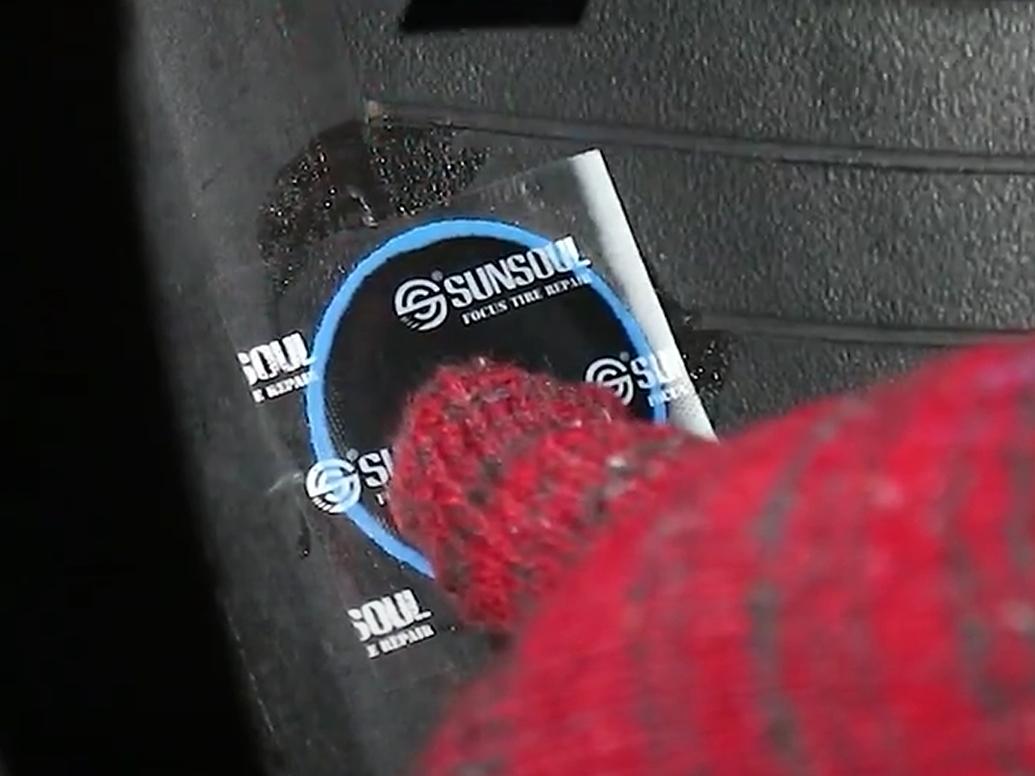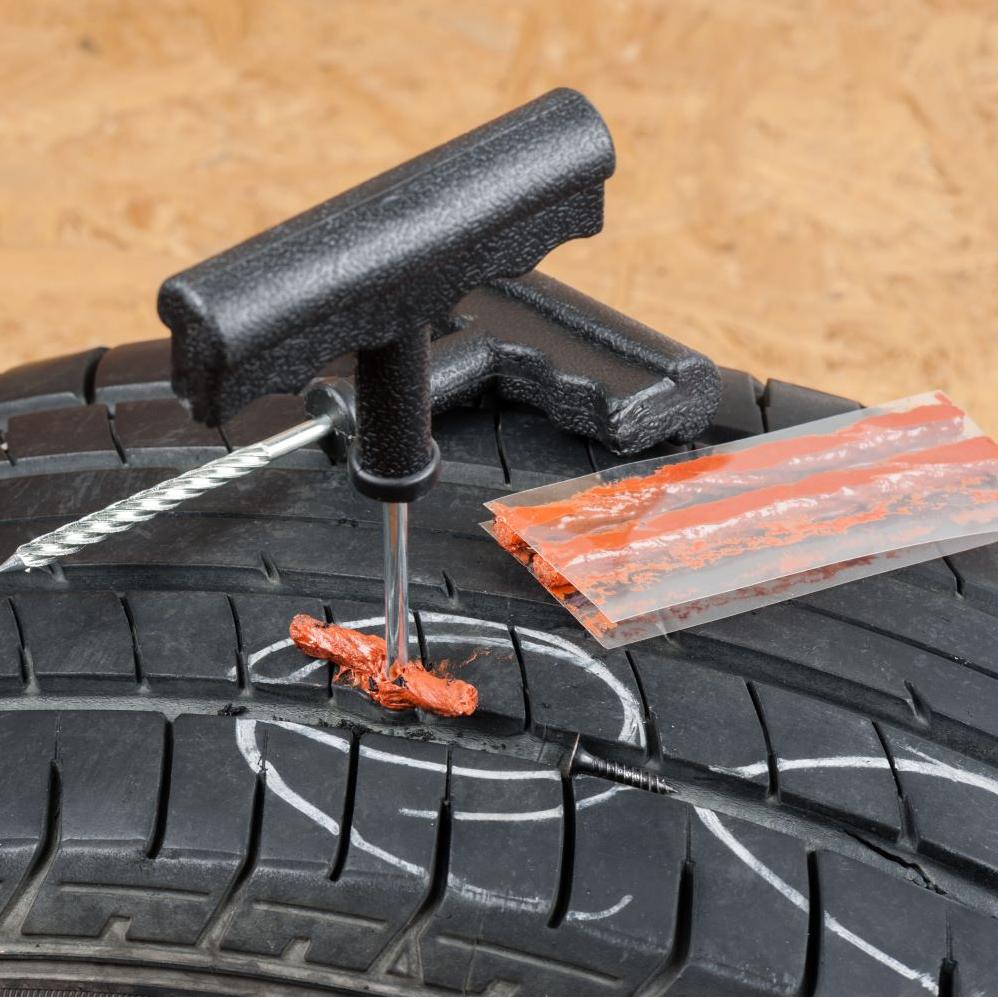

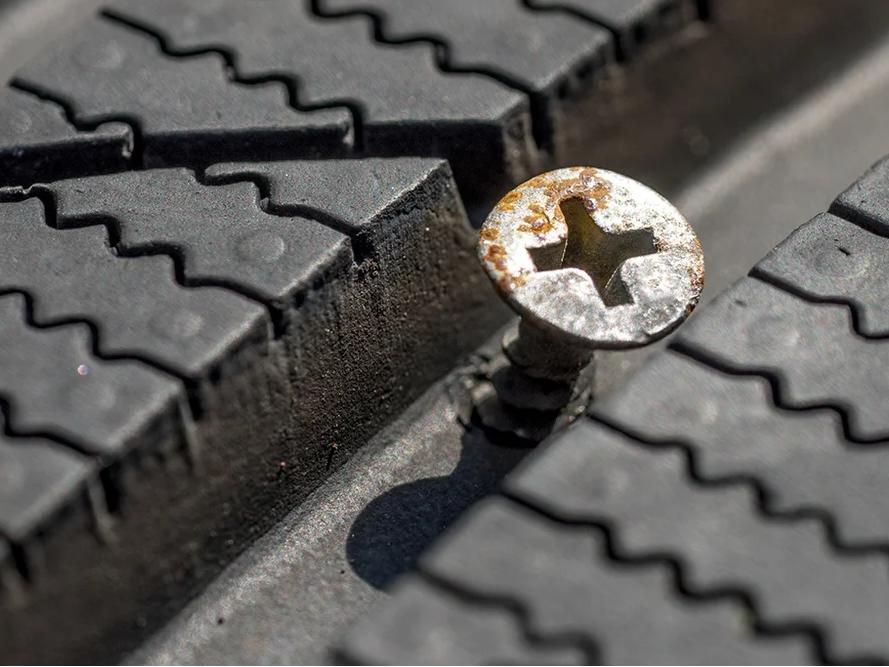
The best way to repair a tire starts with a quality tire repair kit. SUNSOUL tire sealant helps anyone easily repair a tire. Cyclists often experience flat tires, but they can quickly repair them and get back on the road. He can repair a tire in his garage, she can repair one on a mountain road. Even beginners can easily repair tires. Every cyclist should master tire repair skills to ensure reliable repairs.
Key Takeaways
- Choose a quality tire repair kit like SUNSOUL tire sealant to ensure safe repairs. It contains all the tools needed for quick repairs.
- Before repairing a tire, always check for sharp objects. This reduces the risk of a blowout and extends the life of the sealant.
- Follow these steps: Locate the leak, prepare the repair area, apply the sealant, and check the repair before riding.
- Use proper methods, such as cleaning the leak and waiting for the adhesive to become tacky, to enhance the sealant’s adhesion.
- Carry a tire repair kit with you on every ride. This allows for quick tire repairs, giving you more time to enjoy your ride.
What You Need to Patch a Tube
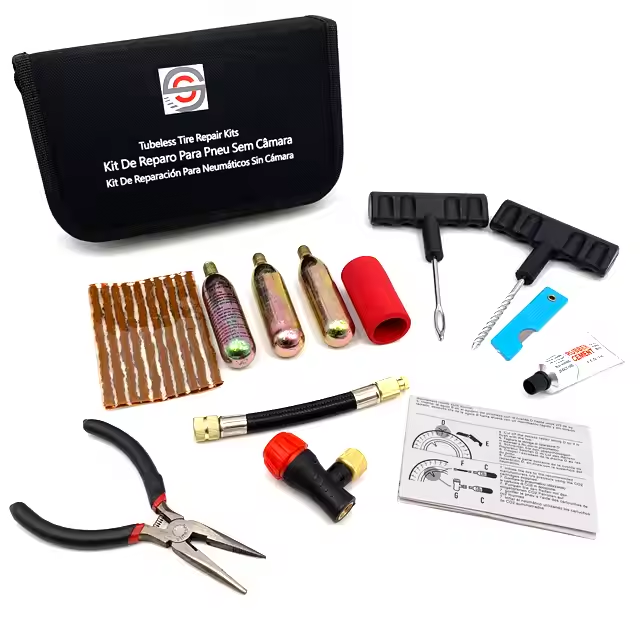
Essential Patch Kit Tools
Cyclists need the right tools to repair a flat tire. A good tire repair kit can help you repair a tire quickly. Here are the items cyclists should have on hand:
- Tire Repair Kit (contains tire patch and rubber glue or self-adhesive patch)
- Tire Pry Bars (for removing the tire from the rim)
- Air Pump or CO2 Inflator (for inflating the inner tube)
- Sandpaper or Sanding Tool (for sanding the inner tube)
- Valve Core Tool (for certain types of repairs)
- Axle Wrench (if your bike has bolt-on wheels)
- Cable Ties (for quick emergency repairs)
- Gloves (optional, but helps keep hands clean)
A tire repair kit is the most important part of the repair process. It usually contains everything you need for a quick repair. You can use it at home or while riding.
Why Choose SUNSOUL Tire Patch
SUNSOUL tire patches are known for their ease of use and high quality. Riders can choose from a variety of types of tire patches. These tire patches include chemically cured tire patches, double-cured tire patches, rubber tire patches, self-curing tire patches, peel-off tire patches, and heavy-duty radial tire patches. Each type of patch is suitable for different applications. Some are suitable for quick repairs, while others are designed for vehicles such as bicycles, cars, trucks, or tractors, offering a longer lifespan.
“I fixed my tractor tire in less than ten minutes. The patch held strong through a week of heavy use.” — Farmer in Iowa
SUNSOUL uses special materials such as natural rubber and high-strength polymers. These materials help the patches resist heat and abrasion. The split backing design makes the patches easy to install, even for tire repair novices. The patches have strong adhesion and effectively stop leaks.
Here’s how SUNSOUL matches up with other brands:
| Feature | SUNSOUL | Industry Standard |
|---|---|---|
| Adhesive Strength | Up to 30% higher than others | Standard levels |
| Durability | Up to 10,000 km | Varies by brand |
| Temperature Range | -30°C to 90°C | Typically lower |
| Bond Strength | 98% of original tire material | Varies by brand |
SUNSOUL is trusted in over 60 countries worldwide. The company provides comprehensive after-sales support, guiding users on how to use tire patches and offering after-sales service. Whether you’re riding for leisure or work, SUNSOUL is a reliable tire repair option.
How to Patch a Bike Tube: Step-by-Step
Remove the Tube
He first removed the bicycle wheel. A tire pry bar helped him pry the tire off the rim. She slid the pry bar under the tire edge and pried around the rim. Once the tire was loose, the inner tube was easily removed. Some cyclists wear gloves to keep their hands clean. They set the inner tube aside and checked the tire for any sharp objects. Removing the inner tube is the first step in patching a tire.
Find the Leak
Locating the leak is very important. Cyclists use several methods to find leaks:
- They inflate the inner tube and listen for hissing sounds.
- Some people spray a mixture of water and a small amount of detergent on the inner tube. Bubbles indicate the leak location.
- Some people immerse the inner tube in water and observe if bubbles appear.
- He will shake the bottom of the valve stem from side to side to check for the leak. The leak might be hidden there.
- She will check the tire for small shards of glass or thorns.
Finding the leak gives them more confidence to patch the bicycle inner tube. Riders mark the puncture site with chalk or markers.
Tip: Always check the tire for small foreign objects before repairing the inner tube. This can prevent future blowouts.
Prepare and Apply the Patch
He cleans the area around the puncture. Roughen the surface with sandpaper or a grinder. This step helps the patch adhere better. She applies a thin layer of the patch adhesive from the SUNSOUL patch kit. Waiting for the adhesive to dry is crucial. Most riders let the adhesive sit for 2 to 7 minutes. The adhesive should feel viscous, not wet.
Some people ask if super glue can be used. Here’s a simple comparison:
| Property | Super Glue (Cyanoacrylate) | Specialized Patch Glue (Epoxy) |
|---|---|---|
| Bond Strength | High tensile, low shear strength; brittle under stress | Cures to 3,600 PSI; strong structural integrity |
| Gap-Filling Ability | Cannot bridge gaps; requires perfect fit | Viscous, self-supporting; bridges gaps and voids |
| Long-Term Durability | Tends to yellow and brittle over time | Forms a permanent bond; designed for long-term use |
SUNSOUL tire repair adhesive is designed specifically for tires. It fills gaps and is durable. Riders avoid using super glue because it is prone to cracking and failure.
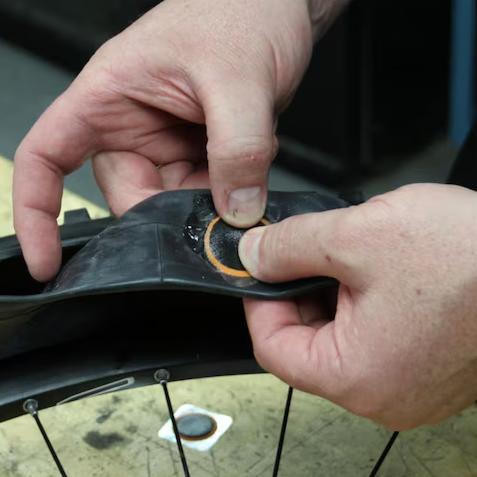
She peeled off the release paper from the back of the tire repair adhesive and pressed it firmly onto the puncture. He held the adhesive in place for one minute. Pressing firmly helps the adhesive bond. The rider waited a few minutes before moving the inner tube. SUNSOUL tire repair adhesive uses a two-piece backing and strong adhesion, making this step easy and convenient.
Reinstall and Inflate
He put the inner tube back into the tire. She checked that the patch was smooth and even. The tire was then remounted on the rim. They used an air pump to inflate the inner tube. The rider should watch for bulges or leaks. If the patch is secure, the tire is ready to ride.
Note: After patching a bike tube, test the repair by inflating the tube and checking for air loss. A good patch means a safe ride.
Learning how to patch a bike tube gives riders freedom. SUNSOUL Tire Patch helps them patch the hole quickly and ride with confidence.
Tips to Patch a Bicycle Tube That Lasts
Avoid Common Mistakes
Many cyclists want their repaired inner tubes to last. They can follow these steps to ensure a secure repair:
- Prepare all tools before you begin. This includes a tire repair kit and tire pry bars.
- Be sure to check the inside of the tire for sharp objects. Small objects such as glass or metal shards can get stuck deep inside the inner tube, causing new punctures. Removing these objects helps prolong the repair’s durability.
- Clean and dry the area around the puncture. Dirt or moisture can affect the adhesion of the tire sealant.
- Use sandpaper or a grinder to smooth the surface of the puncture. This helps the adhesive adhere better to the inner tube.
- Apply a thin layer of adhesive around the puncture. Wait until the adhesive is slightly tacky before applying the patch.
- Press the patch firmly. Press the patch down and squeeze out any air bubbles.
Tip: Let the patch set for a few minutes before putting the tube back in the tire. This gives the glue time to bond.
Here is a table of common mistakes and how to prevent them:
| Common Mistake | How to Prevent It |
|---|---|
| Not cleaning the area | Wipe and dry the spot before patching |
| Skipping the sanding step | Always rough up the tube for better adhesion |
| Rushing the glue process | Wait for glue to get tacky before applying patch |
| Not pressing patch firmly | Hold patch down and smooth out air bubbles |
| Missing sharp objects inside | Check tire and remove all debris |
SUNSOUL provides technical training and after-sales support. Riders can learn best practices and get help quickly. The support team will respond to questions within 72 hours and provide lifetime advice on bicycle inner tube repair.
Test Your Repair
Testing the repair before riding is crucial. Riders should first inflate the inner tube and listen carefully for any hissing or whistling sounds. They can also immerse the inner tube in water and observe for bubbles. If no bubbles appear, the repair is successful.
He checks the tire for bulges or soft spots. She rotates the wheel to check for any problems. If the repair is secure, they can repair the bicycle tire and ride with peace of mind.
Note: SUNSOUL’s support team helps riders troubleshoot problems and improve their repair skills. This makes every repair more reliable.
A good repair means fewer stops and more time to enjoy riding. Riders who follow these techniques can repair even serious punctures and continue riding.
Repairing bicycle inner tubes becomes easier with practice. SUNSOUL tire repair compound provides riders with a reliable repair solution that lasts as long as the inner tube. Riders can follow these steps for a secure repair:
- Locate and mark the puncture.
- Lightly sand the puncture area.
- Apply glue and wait for it to thicken.
- Align the patch with the center of the tire tread and press it down.
- Let it harden before reinstalling.
Practicing these steps will help cyclists repair tires quickly and build confidence. Carrying a tire repair kit with every ride means fewer delays and more riding time.
FAQ
How long does a patched inner tube last?
If the repair is done carefully according to the steps, a patched inner tube can last for several months. Many cyclists report that a good patch can withstand daily riding and even remain intact in the event of a serious puncture.
Can I patch a tire on mountain roads?
Yes, you can patch a tire on mountain roads. Most tire repair kits can fit in a pocket or bag. Cyclists can quickly repair a puncture and continue riding without waiting for roadside assistance.
Why are SUNSOUL tire patches suitable for home tire repair?
Users find SUNSOUL tire patches very convenient for home tire repair. Their unique backing and strong adhesive allow both novice and experienced cyclists to easily achieve reliable tire repairs at home.
Are tire patches suitable for all types of bicycles?
SUNSOUL tire patches can be used on mountain bikes, road bikes, and even children’s bikes. SUNSOUL tire patches are compatible with a variety of inner tube sizes and types.
How can I tell if a tire repair was successful?
She inflates the air hose and checks for leaks. Passengers immerse the air hose in water or listen for bubbles. If no bubbles appear, the repair is complete.