
Cold vulcanization bonds and secures rubber without heating. This method uses chemicals to form strong bonds in the rubber at room temperature. Many businesses use cold vulcanization for repair and maintenance.
- Mining, cement, and steel companies use this method to repair conveyor belts, tanks, pipes, and fittings.
- The rubber repair market is expanding as businesses seek more economical ways to reduce time delays.
Cold vulcanization helps maintain the safety and performance of rubber products. SUNSOUL, a trusted brand, uses this new method to provide superior tire repair solutions.
Key Takeaways
- Cold vulcanization secures rubber without heating. It uses chemicals to form strong bonds at room temperature. The process is fast and economical. Many people use it in the mining and tire repair industries. Surface preparation is crucial. Cleaning and treating the rubber helps form strong bonds. The vulcanization process is safe and fast. It can help you quickly fix problems and ensure machines run smoothly.
How the cold vulcanization process works
Chemical bonding
The vulcanization process alters the properties of rubber. In cold vulcanization of rubber, chemicals come into contact with the rubber surface at room temperature. These chemicals form new chemical bonds between rubber molecules. These new bonds make the rubber stronger and more flexible. Hot vulcanization requires heating and pressure, while cold vulcanization does not. Furthermore, cold vulcanization saves time and energy. Room temperature vulcanization also prevents the rubber from being damaged by overheating. This method preserves the shape and feel of the rubber. The chemical reactions during vulcanization are rapid and effective. Workers can quickly repair or join rubber parts. Cold vulcanization is suitable for many rubber products.
Tip: Cold vulcanization of rubber is great for fast repairs outside, especially when you do not have heat.
Adhesives and curing
Adhesives are crucial in the vulcanization process. These special adhesives contain chemicals that initiate the vulcanization process of the rubber upon application. Workers apply the adhesive to the rubber surface. The adhesive mixes with the rubber, forming a strong bond. This step requires no heating or pressing. The curing time depends on the type of adhesive and the temperature of the working area (68°F to 77°F). Some adhesives cure faster at higher temperatures, up to 50°C (122°F). Once cured, the rubber can withstand extremely low and high temperatures, ranging from -50°C to +200°C (-58°F to 392°F). The table below lists information on some common adhesives:
| Property | Value |
|---|---|
| Standard Cure Temperature | 20°C to 25°C (68°F to 77°F) |
| Accelerated Cure Temperature | Up to 50°C (122°F) |
| Operating Temperature Resistance | -50°C to +200°C (-58°F to 392°F) |
Using adhesives to vulcanize rubber is simple, effective, and efficient. The process requires no special equipment. Workers can apply vulcanization to a variety of rubber products, such as conveyor belts, tires, and hoses. Adhesives maintain the rubber’s adhesiveness even under tension or compression. Therefore, rubber vulcanization is an effective method for repairing and maintaining rubber products. Cold vulcanization helps rubber products maintain their strength and safety over a long period of time.
Materials and tools for cold vulcanization
Essential chemicals
Cold vulcanization requires specialized chemicals to enhance the strength of the rubber. The primary chemical is the cold vulcanizing adhesive. This adhesive reacts with the rubber at room temperature to form a strong bond. Some adhesives also help bond rubber to metal, which is crucial for securing rubber to metal in factories. Other chemicals are used as pre-polishing cleaners and possess a degree of flexibility.
Note: Always keep chemicals in a cool, dry place. Do not put them in sunlight or near heat.
Tools and safety gear
Workers need appropriate tools and safety equipment for cold vulcanization operations. These tools differ from those used for hot vulcanization. Cold vulcanization does not require heating or large presses; workers use hand tools and chemical adhesives to secure the rubber.
Common tools for cold vulcanization include:
- Tire repair hand tools
- Inner tube repair patches
- Cold vulcanizing fluid
- Special valves and fittings for inner tube repair
- Plug repair units and universal repair kits
- Buffing cement and rubber cord
- Pre-buffing cleaner and adhesive
- Brushes, cotton swabs, and mounting paste
Safety gear is very important when using chemicals. Workers must wear gloves, safety goggles, and protective clothes. These safety steps help stop accidents:
- If chemicals touch your skin, wash with water right away. Get medical help if your skin still hurts.
- If you breathe in a lot of chemical fumes, go outside for fresh air. Get medical help fast.
- If chemicals get in your eyes, rinse with lots of water. Get medical help if your eyes still hurt.
- If you swallow chemicals, get medical help right away.
The right tools and safety gear help workers fix rubber things like tires and conveyor belts. These steps keep workers safe and make repairs better.
Cold vulcanization process steps
Surface preparation
The first step in the cold vulcanization process is surface preparation. Workers need to clean and prepare the rubber to ensure a strong cold bond. The table below lists the main steps and their importance:
| Step | Description |
|---|---|
| Degreasing | Take off oils, dirt, or anything that could stop the glue from sticking. |
| Abrasive blasting | Remove rust, old paint, and make the surface rough and even. |
| Anchor profile | Make the surface bumpy so the rubber lining can hold on well. |
| Risks of Poor Prep | If you skip these steps, the rubber might peel, bubble, or break early when used. |
A clean and rough surface helps the cold bond stick the right way. If workers do not do these steps, the rubber fix might not last long.
Applying bonding agents
After surface preparation, workers apply adhesive to the rubber. These adhesives help form a strong cold bond between parts. The steps are generally as follows:
- Prepare all necessary tools and materials, such as cold adhesive and tools.
- Clean the rubber again to remove dust and dirt.
- Mix the adhesive thoroughly, if necessary.
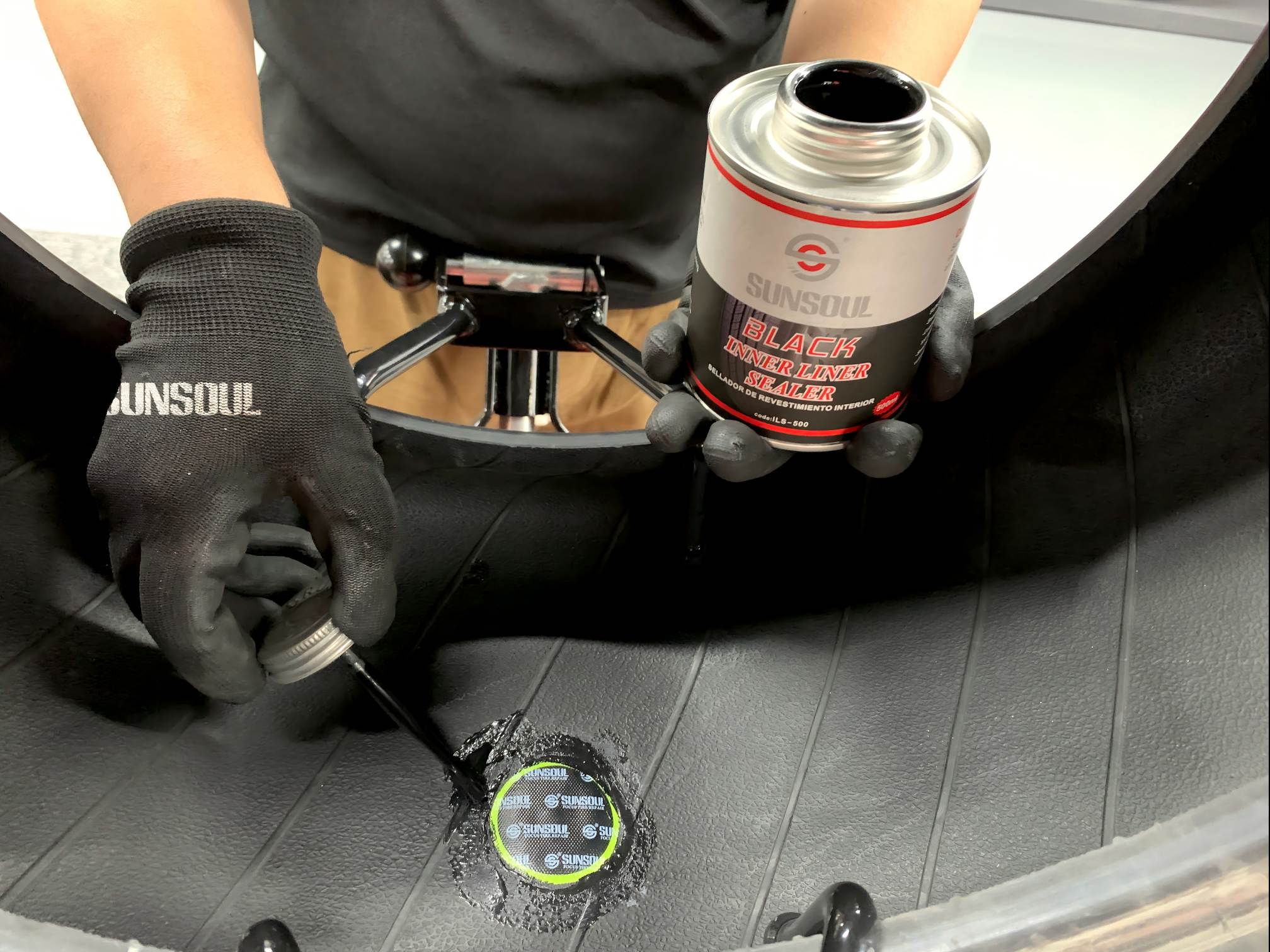
- Use a brush or tool to apply the adhesive evenly to the rubber.
- After the first coat dries, apply a second coat to enhance adhesion.
- Press the parts firmly together.
Tip: A clean surface is crucial for the adhesive’s bonding effect. The adhesive’s curing time also affects the strength of a cold bond.
Joining and curing
After the adhesive is applied to the rubber, workers bond the parts together and allow it to cure. Cold vulcanization typically takes 10 to 30 minutes to cure. The type of rubber and the effectiveness of the accelerator affect the curing time. Higher temperatures can speed up curing, but excessively high temperatures can damage the rubber. For best results, workers should always read and follow the product instructions.
- Normal Curing Time: 10-30 minutes
- Higher temperatures result in faster curing.
- Excessively high temperatures can damage the rubber.
Proper curing ensures a strong and durable adhesive. This process ensures that the rubber repair remains in good condition even with frequent use or stress.
vulcanization Benefits and applications
Advantages of cold vulcanization
Cold vulcanization offers many advantages for rubber repair. Workers do not need large machines or high-temperature equipment, making repairs quick and easy. Many workshops use cold vulcanization because it is both cost-effective and time-saving. The process is safe for workers and does not damage the rubber. Customers appreciate quick repairs because they can use the items again quickly.
- Cold vulcanization is simple and fast.
- No large machines or heating required.
- Saves costs for repair shops.
- Faster repair speed.
- Reduces damage to rubber.
Cold vulcanization results in a stronger bond between rubber and the material. This helps extend the lifespan of the rubber and maintains its performance under pressure. The table below shows how cold vulcanization improves repair outcomes:
| Benefit | Description |
|---|---|
| Seamless Repairs | Fast repairs without heavy machines. |
| Enhanced Durability | Strong bond that holds up under tough use. |
| Reduced Downtime | Quick repairs mean less time not working. |
Conveyor belt repair
Many factories use cold vulcanization to repair conveyor belts. These conveyor belts transport heavy objects in large factories. If a conveyor belt breaks, workers use cold vulcanization to join the broken ends. This process does not interrupt machine operation for extended periods. Workers clean the conveyor belt, apply adhesive, and then press the parts together. The adhesive forms at room temperature. The bonded area is strong and flexible. This method ensures continuous conveyor belt operation and saves time. Cold vulcanization is also suitable for rubber linings, pipes, and fittings. This process helps businesses save costs and ensures equipment operation.
Tire repair with SUNSOUL Tire Patch
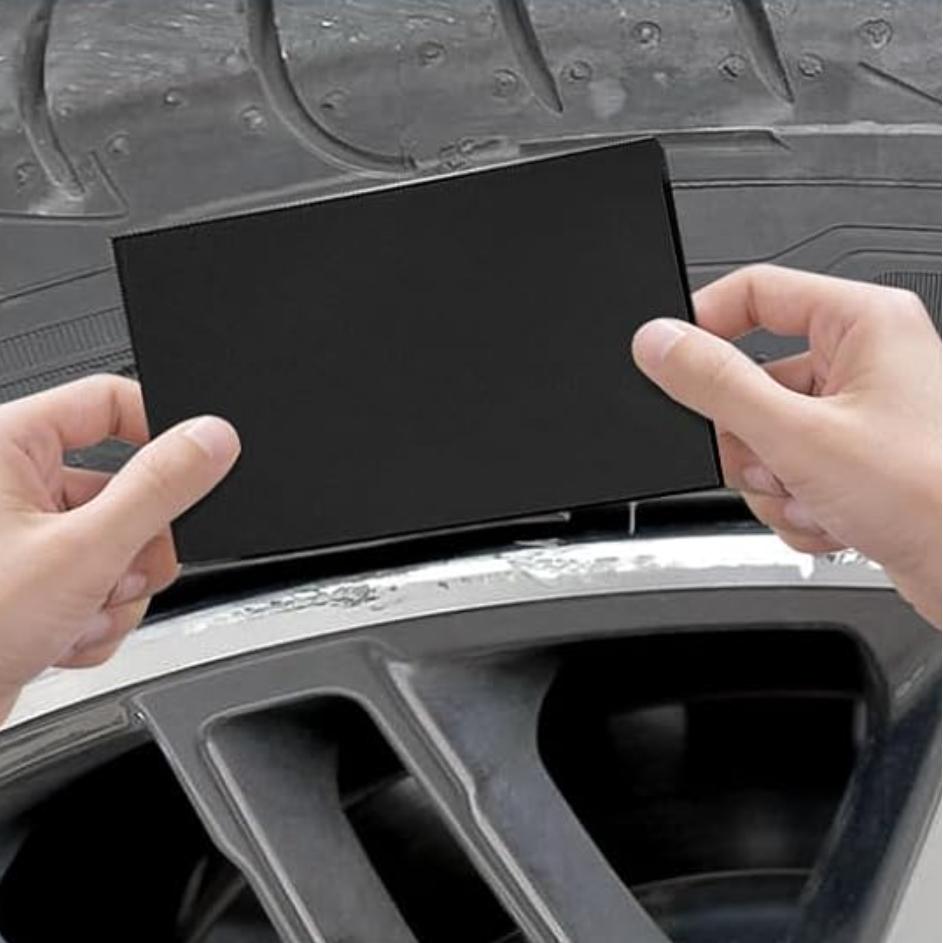
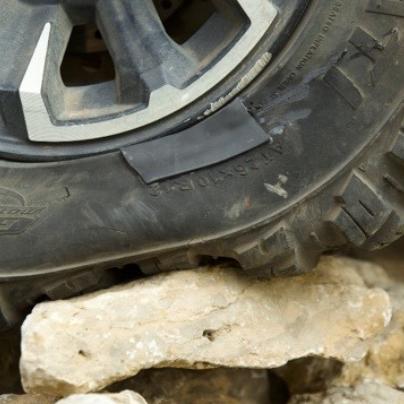
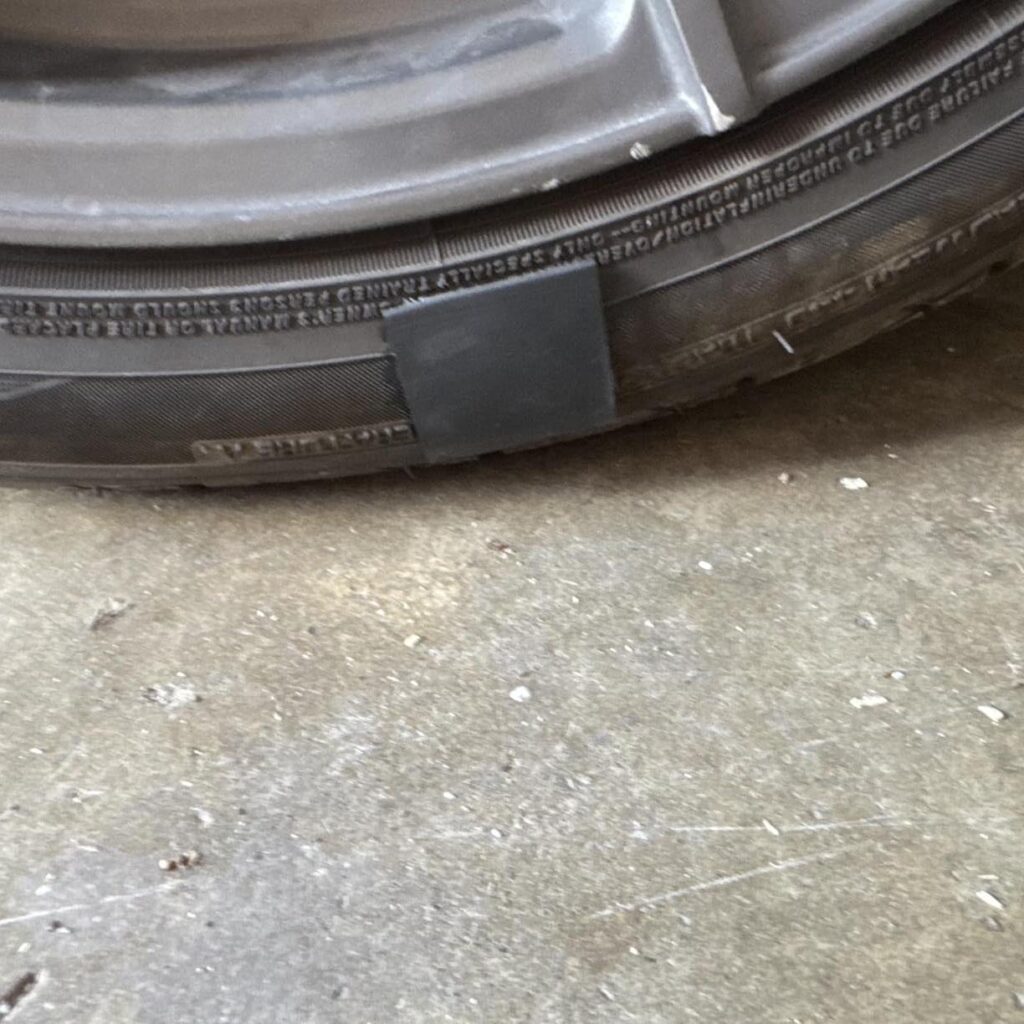
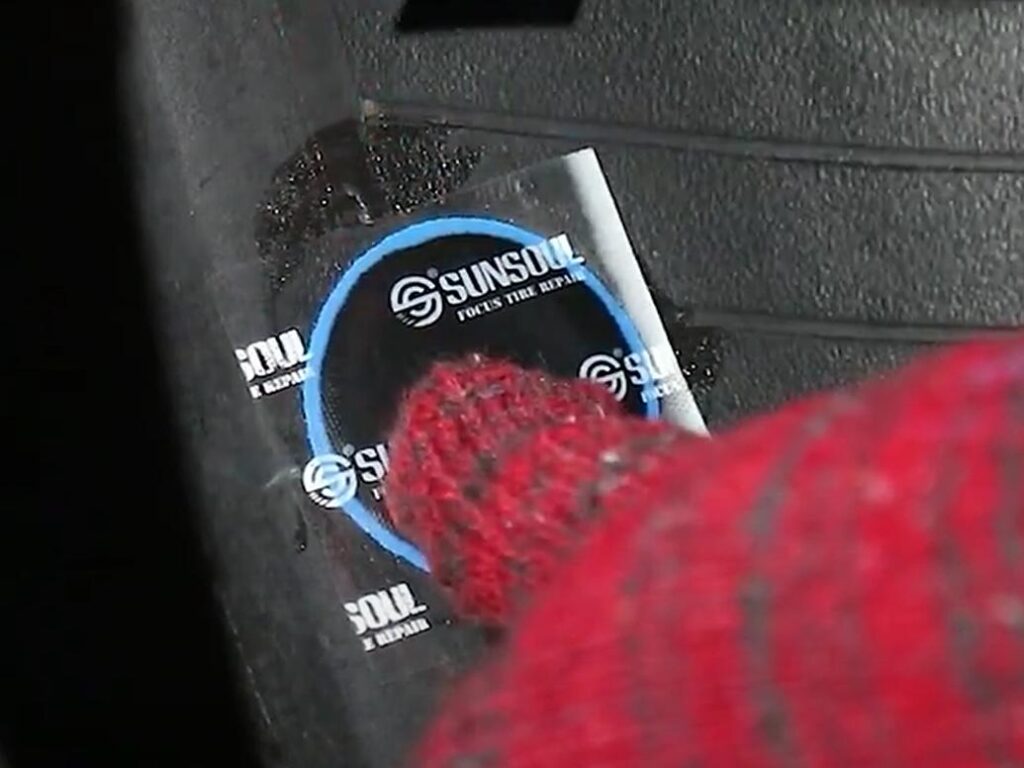
SUNSOUL tire patches use a cold vulcanization process for quick and safe tire repair. The patches use a chemical adhesive that adheres to the tire without heating. This method is particularly suitable for small punctures in the tire tread. Many people can perform simple repairs using SUNSOUL tire patches. The patches are easy to use and require no special skills. Strong adhesion helps extend tire life and ensures safety.
- SUNSOUL tire patches use a chemical adhesive with strong adhesion.
- This patch is best suited for repairing small punctures in the tire tread.
- Even without training, anyone can use it easily.
SUNSOUL enjoys a high reputation in the tire repair industry. The company has over 20 years of experience, and its products are sold in more than 60 countries. Most customers are satisfied with the product.
Tires fixed with SUNSOUL Tire Patch and cold vulcanization last a long time. The patch helps the tire work for many months. The process keeps drivers safe and tires strong. Many shops and car owners trust SUNSOUL for good tire repairs.
Cold vulcanization lets workers fix rubber fast and safely. This process uses chemicals to make strong bonds without heat. Many businesses like mining, building, and car repair use this way for quick fixes. The steps are easy. First, workers clean the rubber. Next, they put on the adhesive. Last, they let it cure. SUNSOUL Tire Patch is known for being good and reliable.
| Main Point | Description |
|---|---|
| Quick Repair Time | Repairs take only 2–3 hours, so work stops less. |
| Cost Efficiency | It needs less work and fewer tools than hot vulcanization. |
| Versatility | It can fix many kinds of rubber problems. |
- SUNSOUL patches stick very well and stop leaks.
- Workers in more than 60 countries use SUNSOUL for strong tire repairs.
Cold vulcanization gives companies a safe, quick, and cheap way to keep rubber working.
FAQ
What are the uses of cold vulcanization?
Cold vulcanization helps repair and bond rubber products. Workers use it on conveyor belts, tires, hoses, and rubber liners. Many companies choose this process because it is both time-saving and cost-effective.
Does cold vulcanization require special tools?
Workers do not need large machines or heating equipment. They use hand tools, brushes, and chemical adhesives. Safety equipment such as gloves and goggles ensures worker safety while working.
How long does cold vulcanization take to cure?
Most repairs cure within 10 to 30 minutes. Curing will be faster if the ambient temperature is higher. Always read the adhesive’s instructions for best results.
Is cold vulcanization safe for tires?
Yes! Cold vulcanization helps maintain the strength and safety of tires. SUNSOUL tire repair products use this method, providing excellent repair results for many vehicles.