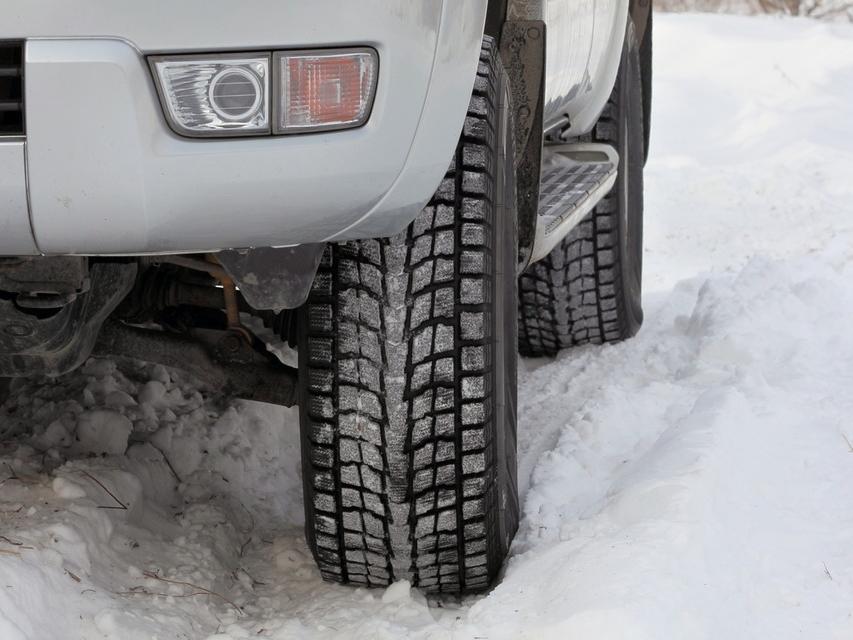


The main difference between hot and cold patch tire repair lies in the repair method. Hot patching uses heat to bond the patch to the tire, while cold patching relies on chemicals for bonding. Understanding the differences between these two repair methods will help you choose the best option. SUNSOUL tire patches are ideal for tire repair, offering superior quality and versatility. People all over the world trust SUNSOUL’s reliable tire repair products.
Key Takeaways
- Hot patching uses heat to form a strong bond. It is best suited for repairing larger punctures and is durable.
- Cold patching is quick and easy. It uses glue to repair the tire. It is suitable for repairing smaller punctures and provides quick repairs.
- Choose the appropriate repair method based on the extent of the tire damage. Consider the strength you need. Use the tools you have.
Difference Between Tires: Hot Patch vs. Cold Patch
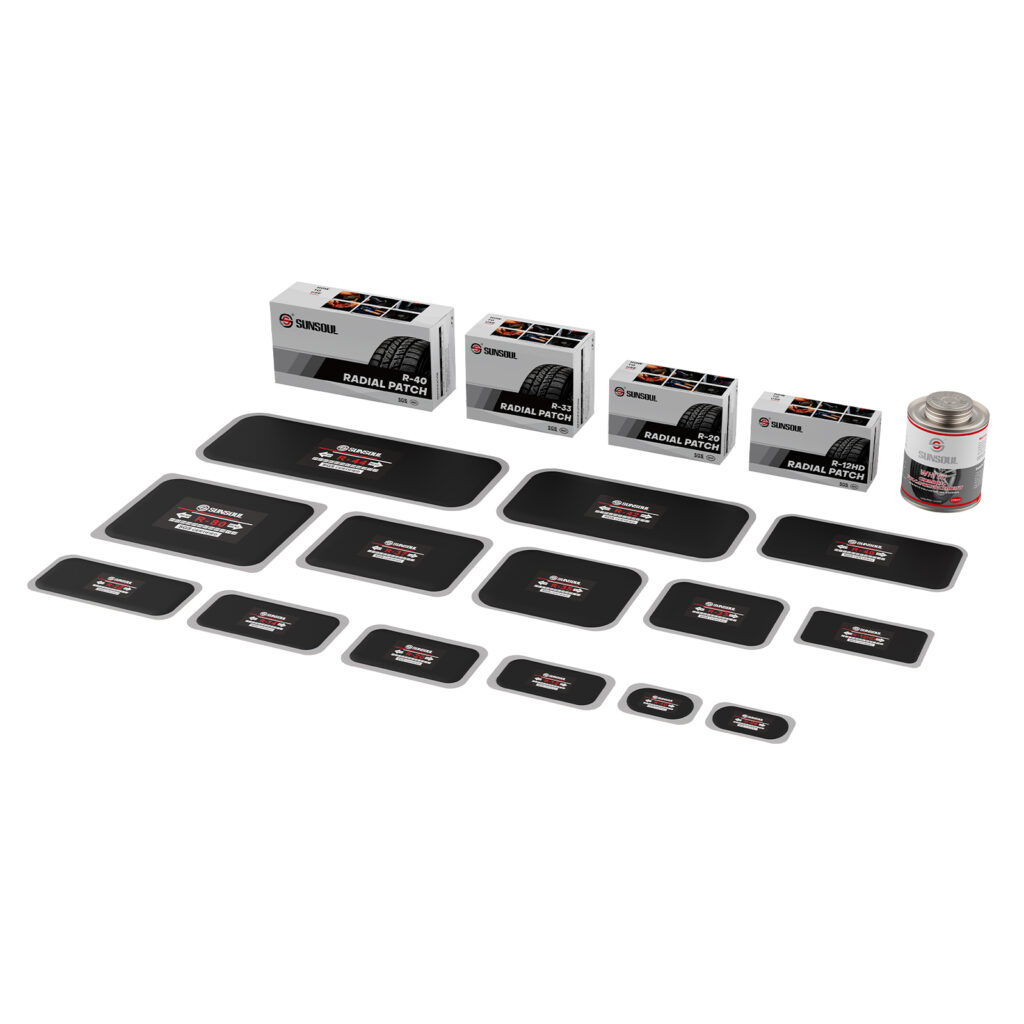
What Is Hot Patch?
Hot patch tire repair uses high temperatures to bond the patch to the inside of the tire. This process is called vulcanization. A mechanic removes the tire from the rim and cleans the damaged area. They cover the puncture with a special patch. High temperature and pressure bond the patch firmly to the tire, making it an integral part of the tire. This makes the repaired tire extremely strong and durable.
Hot vulcanized tire repair patch are stronger and more durable than other repair methods. Hot patch repairs are especially suitable for larger punctures and tires on vehicles traveling at high speeds. The process is time-consuming and requires specialized tools. The table below lists the materials/tools required for hot patch repairs:
| Material/Equipment | Description |
|---|---|
| Patches | Used to seal the hole in the tire. |
| Clamps | Hold the patch in place while fixing. |
| Glue | Special glue sticks the patch to the tire. |
| Stitcher | Tool rolls the patch for a tight seal. |
Hot patch repairs require approximately 24 hours to fully harden before the tire can be used. This method can repair tires with a lifespan as long as the original tire. Many experts consider hot patch repair the best method for tire repair.
What Is Cold Patch?
Cold patch tire repairs use chemical adhesives instead of heat. A technician cleans the damaged area and then applies a patch using strong adhesive. Once the adhesive dries, the patch is firmly attached. This method is faster and more convenient than hot patches. Cold patches can be used at home or on the road. No special equipment is required.
The difference between cold and hot patches lies in their bonding methods. Cold patches are best suited for repairing small punctures and tubeless tires. While not as strong as hot patches, they are very convenient. SUNSOUL tire patches are available in both chemical-curing and dual-curing types. These patches make cold patches simple and effective. Many people appreciate its separate backing design, which makes the patch easier to apply.
The following table compares the bonding methods and lifespan of different repair methods:
| Repair Method | Bond Nature | Strength and Durability |
|---|---|---|
| Hot Vulcanizing | Strong chemical bond | Tough, lasts a long time |
| Cold Patches | Chemical adhesives | Not as strong for long-term use |
Cold patch repairs can be used right away. There is no need to wait for the patch to get hard. This makes cold patch good for quick fixes and emergencies.
Flat Tire Repair: Pros and Cons
The difference between hot and cold patch tire repairs lies in safety, repair time, and the durability of the repair effect. Hot patches offer a more durable repair and stronger adhesion, making them ideal for repairing larger punctures and tires on sports cars or trucks. Cold patches are faster and easier to apply, suitable for repairing smaller punctures and tubeless tires.
The table below shows the time required for the two repair methods:
| Repair Type | Typical Repair Time |
|---|---|
| Hot Patch | About 24 hours to get hard and safe to drive |
| Cold Patch | Can be used right after putting on the patch |
Tip: Never fix sidewall damage with hot patch or cold patch. Sidewall damage can make the tire weak and unsafe.
The difference between hot and cold patch tire repairs also lies in their respective applications. Cold patches are ideal for repairing smaller punctures, especially tubeless tires. Hot patches are better suited for repairing larger punctures and tires intended for long-term use.
SUNSOUL tire repair compound offers both hot and cold patch options. Their repair compound uses high-quality materials, boasts strong adhesion, and provides long-lasting repair results. Many people trust SUNSOUL’s tire repair services.
The difference between cold and hot patching depends on the extent of tire damage, the tools you have, and how quickly you need the repair done. Cold patching is quick and easy, while hot patching is strong and durable. Both methods help drivers stay safe on the road.
Hot Asphalt and Cold Patch: Best Use Cases
Hot asphalt plays a crucial role in road and tire repair. Workers use hot asphalt to fill cracks and potholes in roads. This material comes from hot mix asphalt, which is a mixture of heated gravel, sand, and asphalt cement. Hot mix asphalt creates a smooth and strong surface. It is commonly chosen for highways, parking lots, and busy streets.
Cold patch asphalt provides a quick solution for small-area repairs. Workers can use cold patch asphalt without heating it. This makes cold patch asphalt ideal for emergency repairs or where hot mix asphalt is not available. Cold patch asphalt also performs well in cold weather and remote areas.
The table below lists the best application scenarios for each material:
| Material | Best Use Cases |
|---|---|
| Hot Asphalt | Highways, large potholes, main roads |
| Hot Mix Asphalt | Parking lots, driveways, heavy traffic |
| Cold Patch Asphalt | Small cracks, emergency repairs, rural roads |
Note: Hot asphalt gives a long-lasting repair. Cold patch asphalt provides a fast fix when time matters.
Construction workers use hot mix asphalt for projects requiring strength and durability. Cold patch asphalt is very useful when quick pothole repairs are needed. Both materials ensure a safe and smooth road surface. The choice of the appropriate material depends on the area and location of the repair.
Which Hot or Cold Patch to Choose for Flat Tire Repair?

Factors to Consider
Choosing the right tire repair method depends on many factors. You need to consider the extent of the tire damage, how quickly the repair needs to be done, weather conditions, and your location. Hot patches use high temperature and pressure to form a strong patch. Cold patches use glue and are suitable for quick repairs. One should consider the patch’s strength, durability, the tools required, and who can perform the repair.
- Adhesion Strength: Hot patches use chemicals to form a strong bond. Cold patches use glue to bond the patch.
- Durability: Hot patches last longer than cold patches. Cold patches are best suited for short-term or emergency repairs.
- Repair Lifespan: Hot patches can last as long as the tire itself. Cold patches typically only last a few months.
- Equipment Requirements: Hot patches require specialized tools and machinery. Cold patches only require simple tools.
- Skill Level: Hot patches should be performed by professionals. Cold patches are easier to learn and suitable for beginners.
- Suitable Scenarios: Hot patches are best suited for permanent repairs. Cold patches are suitable for quick repairs.
If you need a quick tire repair, cold patches are the best choice. Cold tire patches require no special tools. They are highly effective in cold weather and when time or money is limited. Hot tire patches take longer and require more tools. They are not suitable for quick repairs but are more effective on busy roads.
Weather and location are also important. Cold tire patches are highly effective in cold and remote areas. Hot tire patches require professional repair services. Never use hot or cold tire patches to repair sidewall damage. Safety should always be the top priority.
SUNSOUL offers both chemically cured and dual-cured tire patches. Chemically cured patches use vulcanized buffer rubber. Dual-cured patches use non-vulcanized buffer rubber. The two types of patches use different rubbers. SUNSOUL patches help people repair tires like professionals and offer a variety of repair options.
Comparison Table: Hot Patch vs. Cold Patch
Looking at both types side by side helps people see the differences. The table below shows how they stick, how long they last, when to use them, and how safe they are.
| Repair Method | Bond Type | Durability | Best Use Case | Longevity | Safety |
|---|---|---|---|---|---|
| Hot Vulcanizing Patches | Strong chemical bond | Long-lasting | Permanent repairs, professional use | Lasts as long as tire | High structural integrity |
| Cold Patches | Chemical adhesive bond | Less reliable | Temporary or emergency repairs | Lasts months | Lacks binder strength |
| High-Performance Cold Patch | Strong adhesive bond | Durable | Permanent patch, long-term repairs | Lasts years | Strong adhesion |
SUNSOUL’s chemically cured and dual-cured tire patches are suitable for both hot and cold repairs. The table shows that hot patches are best suited for permanent repairs and professional use. Cold patches are suitable for quick repairs and short-term needs. High-performance cold patches are durable and have strong adhesion.
Tips for Effective Repair and Maintenance
Follow some simple steps for better tire repair. Store cold patches in a cool, dry place, away from direct sunlight and moisture. For best results, perform cold patches at temperatures above 4°C (40°F). Use appropriate tools for both hot and cold tire repairs to ensure a strong bond between the patch and the tire.
Safety tip: Never fix sidewall damage with hot or cold repairs. This can make the tire unsafe.
Inspect your tires regularly to extend their lifespan. Use SUNSOUL tire repair patches for professional repairs. Choose the right patch for your tire. Chemically cured patches are suitable for hot repairs. Dual-curing patches are suitable for cold repairs and long-term repairs.
Cold tire repair patches are ideal for quick repairs and emergencies. Hot patches are strong, suitable for busy roads, and have a long lifespan. Comparing hot and cold patches side-by-side helps people choose the most suitable tire repair method. SUNSOUL offers a variety of tire repair solutions.
Hot patches use heat for repair and have a long lifespan. Cold patches are effective for repairing tires in cold weather. Cold patches require fewer tools than hot patches. The following table lists the main differences:
| Feature | Hot Patch | Cold Patch |
|---|---|---|
| Application Temperature | Needs to be hot during installation | Can be applied in cold weather |
| Durability | More durable and long-lasting | Generally less durable |
| Equipment Required | Requires specialized equipment | Can be applied by anyone easily |
| Ideal Usage | Best for summer repairs | Suitable for winter repairs |
SUNSOUL Tire Patch uses special materials and sticks very well. The table below shows how SUNSOUL makes sure their patches are good:
| Quality Assurance Aspect | Description |
|---|---|
| Advanced Material Technology | Uses strong rubber and special chemicals to handle heat and rubbing. |
| Leading Adhesion Properties | Sticks better than most patches and does not come off, even with heavy use. |
| Comprehensive Product Testing | Tested for pressure, water, peeling, and how long it lasts. |
| Environmental Compliance | Follows world rules like RoHS and REACH and does not have bad chemicals. |
Pick the right repair by looking at the damage and where you are. SUNSOUL Tire Patch works well for both hot and cold patch repairs.
FAQ
What are the main differences between hot and cold patch tires?
Hot patching uses heat to form a strong bond. Cold patching uses chemical materials for quick repair. Both methods are effective at repairing potholes and tire blowouts.
Can cold patching be used to repair potholes?
Yes. Cold patching is ideal for repairing potholes. Repair workers typically use pothole filler to quickly and safely repair the road surface.
How long does a cold patch tire last?
Cold patch tires typically last for several months. Drivers should check their tires regularly, and replace the tire if the patch begins to fail.