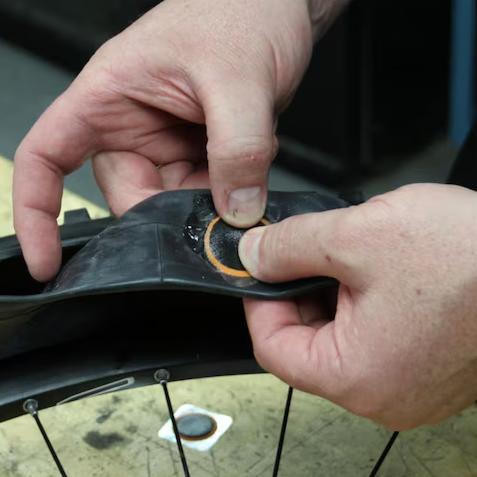


You can often fix a punctured tire safely and permanently. The industry standard for a reliable fix is a professionally installed combination car tire repair patch. However, this type of tire repair is only an option for a small puncture. The damage must be in the central tread of the tire and no larger than ¼-inch. A technician must inspect the tire from the inside to ensure its structural integrity.
Safety First! ⚠️ Proper tire care is critical. In the United States, tire-related issues contribute to approximately 11,000 vehicle crashes each year, resulting in hundreds of fatalities.
Is a Car Tire Repair Patch a Permanent Fix?
When you get a flat, you want a solution that lasts. A proper car tire repair patch can be a permanent fix, but the method used is extremely important. Not all repairs are created equal, and some are only meant to be temporary.
The Gold Standard: Combination Plug-Patches
The best and only industry-accepted permanent tire repair uses a combination plug-patch. This single unit provides a complete seal from the inside out. Think of it as a small mushroom-shaped device made of rubber.
A technician installs it from inside the tire. Here is how it works:
- The flat patch portion sticks to the inner liner of the tire, sealing it against air loss.
- The attached rubber plug, or stem, is pulled through the puncture channel to the outside.
- This action completely fills the hole, which stops water and debris from getting into the tire’s steel belts and causing rust or further damage.
This two-in-one approach ensures the tire remains strong and airtight.
Patch-Only vs. Plug-Only Repairs
You might hear about other repair types, but they have serious safety drawbacks. A patch-only repair, where a technician just glues a tire patch to the inside, is not a complete fix. It seals the inner liner but leaves the puncture channel open. Water can still enter the hole and corrode the tire’s internal structure.
A tire plug is even more problematic.
Warning: Plugs Are Not Permanent 🛑 A plug inserted from the outside is only a temporary emergency repair. It helps you get to a tire shop, but you should not drive on it for long. A plug can work its way loose over time, causing another leak. It also does not seal the inner liner, and a technician cannot inspect the inside of the tire for hidden damage caused by the puncture.
Lifespan of a Properly Repaired Tire
A correctly repaired tire should last for its remaining service life. Tire manufacturers consider a professional combination plug-patch repair to be permanent. This method restores the tire’s structural integrity and protects it from moisture. Your tire’s speed and load ratings remain intact after this type of repair.
For a repair to be considered permanent and safe, it must follow strict industry guidelines. The Tire Industry Association (TIA) outlines the essential steps for a proper tire repair:
- Professional Service: A trained technician must perform the repair.
- Internal Inspection: The technician must remove the tire from the wheel to inspect the inside for damage you cannot see from the outside.
- Correct Method: The technician must fill the puncture hole and seal the inner liner with a combination unit.
- Repairable Limits: The puncture must be in the central tread area and no larger than ¼-inch in diameter.
Following these rules ensures your repaired tire is safe for the road ahead.
When is Tire Repair an Option?
Not every flat tire can be saved. A successful and safe repair depends entirely on the location and size of the damage. You need to know the rules that professionals follow to determine if your tire is a candidate for repair or if it needs to be replaced.
The Repairable Zone: Tread vs. Sidewall
Imagine your tire has three main surfaces: the tread, the sidewall, and the shoulder. The tread is the part with the grooves that touches the road. The sidewall is the smooth side of the tire with the brand and size information. The shoulder is the curved edge where the tread and sidewall meet.
A repair is only possible in a specific area of the tread.
- The Repairable Zone: Technicians can only repair a puncture located in the central portion of the tire’s tread. This area is strong and well-supported.
- The No-Go Zone: You cannot repair any damage to the tire’s shoulder or sidewall.
Why Sidewalls Can’t Be Patched 🚫 The sidewall of your tire flexes constantly as you drive. This movement puts a lot of stress on the rubber. A patch cannot hold securely in this area and would likely detach over time. Tire engineers have shown that a repair in this high-flex zone can lead to a sudden tire failure.
Puncture Size Limits
The size of the hole is just as important as its location. For a repair to be safe, the damage must be small. A technician will measure the puncture to see if it qualifies.
The rule is simple: the puncture must be no larger than ¼-inch (6mm) in diameter. This is about the size of a standard screw or nail. Any hole larger than this has likely caused too much damage to the tire’s internal steel belts and fabric layers. Attempting to fix a larger hole would create a weak spot, making the tire unsafe.
When You Must Replace Your Tire
Sometimes, a tire is simply beyond saving. A professional will always recommend a replacement if they see certain types of damage. You must replace your tire if it has any of the following issues:
- Bulges or Bubbles: A bulge on the sidewall looks like a lump or bubble. It means the internal cords of the tire have been destroyed, often from hitting a pothole or curb. The tire’s structure is compromised and could blow out at any moment.
- Large Cuts or Gashes: Deep cuts that expose the internal belts or cords cannot be fixed.
- Internal Damage: After removing the tire, a technician might see cracks or smudges on the inner liner. This indicates the tire’s structure was damaged from being driven on while flat.
- Worn-Out Tread: If your tire tread is worn down to 2/32 of an inch, it is legally bald in many states and must be replaced, even if the puncture is repairable.
Don’t Risk It! ⚠️ Driving on a tire that should be replaced is extremely dangerous. A compromised tire has a much higher risk of a blowout, which can cause you to lose control of your vehicle. It also leads to poor handling, reduced traction on wet or icy roads, and longer stopping distances. A proper tire repair is a safe option, but ignoring the signs for a necessary replacement puts you and others in danger.
The Professional Tire Repair Process
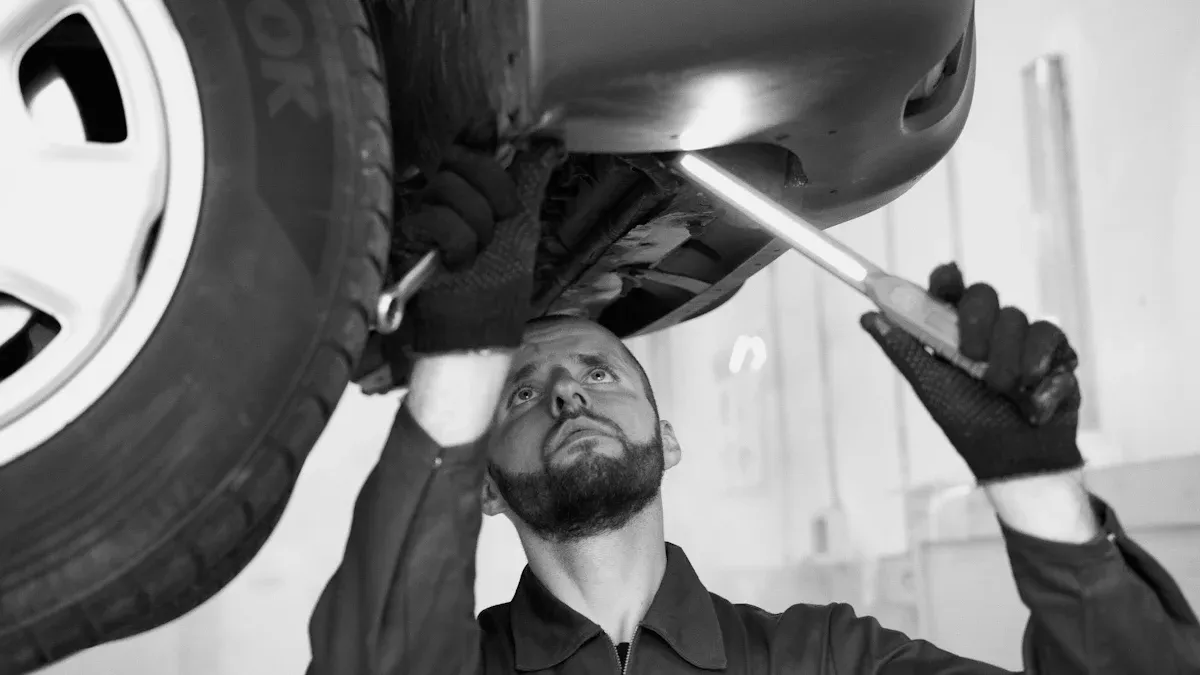
A proper tire repair is a detailed, multi-step process that ensures your safety. A technician follows strict industry standards to make sure the fix is permanent and reliable. Here is what you can expect when you take your car in for service.
Step 1: Dismounting and Internal Inspection
First, a technician must completely remove the tire from its wheel. This step is not optional. It is the only way to perform a thorough internal inspection. The object that caused the puncture might have created more damage inside the tire than you can see from the outside. The technician will look for any cracks, splits, or structural weaknesses on the inner liner. This inspection confirms if the tire is safe to repair.
Step 2: Preparing the Puncture Channel
Next, the technician prepares the damaged area. They will locate the puncture and clean the channel from the inside out. To do this properly, they use specialized tools.
Professional Tools for a Perfect Prep 🛠️ A technician uses a low-speed power tool with a carbide reamer to clean the hole. This tool removes damaged material and ensures the channel is the right size for the repair unit. It also helps them feel for any interference from the tire’s steel wires.
This preparation creates a clean surface, which is essential for the next step.
Step 3: Applying the Combination Patch
With the area prepped, the technician applies the combination plug-patch. They start by applying a special chemical vulcanizing cement around the hole on the inner liner. This is not just glue. This cement contains accelerators that trigger a chemical reaction.
This process, known as self-vulcanizing, bonds the tire patch directly to the tire on a molecular level. It creates a permanent, airtight seal that has several key benefits:
- It increases the strength of the repaired area.
- It enhances elasticity, allowing the tire to flex normally.
- It seals out moisture to prevent corrosion of the steel belts.
The technician then pulls the stem of the patch through the puncture channel, filling the hole completely. Finally, they use a small tool called a stitcher to press the patch firmly against the inner liner, removing any air bubbles and ensuring a perfect bond.
Step 4: Remounting and Balancing
After the patch has cured, the repair is almost finished. The technician will now remount your tire onto the wheel. They will carefully seat the tire and inflate it to the manufacturer’s recommended pressure. This step ensures the tire is ready for the road. The final, crucial part of the process is balancing the tire and wheel assembly. This is a step you cannot perform with a simple tire repair kit.
Balancing is essential because the new patch adds a small amount of weight to the tire. Even a tiny imbalance can cause significant problems. The technician places the entire wheel on a high-tech balancing machine. This machine spins the tire at high speed to detect any heavy spots. It then tells the technician exactly where to place small counterweights on the rim to even things out.
Why is Balancing So Important? ⚙️ A properly balanced tire is critical for your safety and your car’s health. Ignoring this step can lead to serious issues. Here is why you should always have your tire balanced after a repair:
- Improves Driving Comfort: It creates a smoother ride by eliminating vibrations in your steering wheel and seats.
- Enhances Vehicle Safety: A balanced tire maintains better contact with the road. This improves your control, grip, and braking ability.
- Extends Tire Lifespan: It prevents uneven wear, helping your tire last much longer and saving you money.
- Protects Your Car: Vibrations from an unbalanced tire strain your car’s suspension and wheel bearings, which can lead to expensive damage over time.
This professional finish is what separates a permanent repair from a temporary fix you might get from a tire repair kit. Once balanced, your repaired tire is ready to be put back on your vehicle, performing safely for the rest of its service life. A tire repair kit simply cannot offer this level of safety and performance.
Modern Tire Repair Considerations for 2026
Modern vehicles have advanced systems that make driving safer and more convenient. These technologies also change how you should approach a flat tire. A simple tire repair kit is often not the right tool for the job. You must consider how a repair affects your car’s complex components.
Impact on Tire Pressure Monitoring Systems (TPMS)
Your car’s Tire Pressure Monitoring System (TPMS) is a sensitive safety feature. Using the wrong repair method, like a liquid sealant from a tire repair kit, can cause serious problems. A professional car tire repair patch does not interfere with the sensor, but a tire repair kit often does.
TPMS Warning Sensors are delicate! The liquid sealant in a tire repair kit can clog the tiny port the sensor uses to read air pressure. When this happens, the sensor cannot warn you about a leak, which could lead to a dangerous situation.
Using a tire repair kit with TPMS can lead to:
- Damaged Sensors: The chemicals in a tire repair kit can permanently ruin the sensor.
- False Readings: A clogged sensor may not alert you to low pressure.
- Poor Fuel Economy: Driving on an underinflated tire increases fuel consumption.
While some sealants in a tire repair kit claim to be TPMS-safe, they often only work with specific, hermetically sealed sensors. You cannot be sure what type you have, making a tire repair kit a risky choice.
Repairing Run-Flat Tires
Run-flat tires allow you to keep driving for a short distance after a puncture. However, this convenience makes them very difficult to repair. You should never use a tire repair kit on a run-flat tire. A technician must inspect it for hidden damage. Driving on a flat run-flat can cause the inner liner to wrinkle or crack, which compromises the tire’s structure. Technicians look for specific signs of damage that make the tire unsafe to fix. A major risk with this type of tire is a “zipper rupture,” where the sidewall can explode during inflation. For this reason, a professional will use a safety cage to inflate the tire, a step you cannot do with a tire repair kit.
Choosing a Qualified Technician
Given these modern complexities, choosing a qualified technician is more important than ever. A proper tire repair requires specific knowledge that goes far beyond what a tire repair kit provides. Look for a shop where technicians have certifications from a recognized organization like the Tire Industry Association (TIA).
Certified technicians receive extensive training in areas including:
- Proper puncture repair procedures
- TPMS service and diagnostics
- Advanced balancing techniques
- Tire and wheel assembly analysis
This training ensures they can safely handle your tire, whether it’s a standard model, a run-flat, or equipped with TPMS. Their expertise is the difference between a temporary fix from a tire repair kit and a permanent, safe solution.
DIY Tire Repair Kit vs. Professional Service
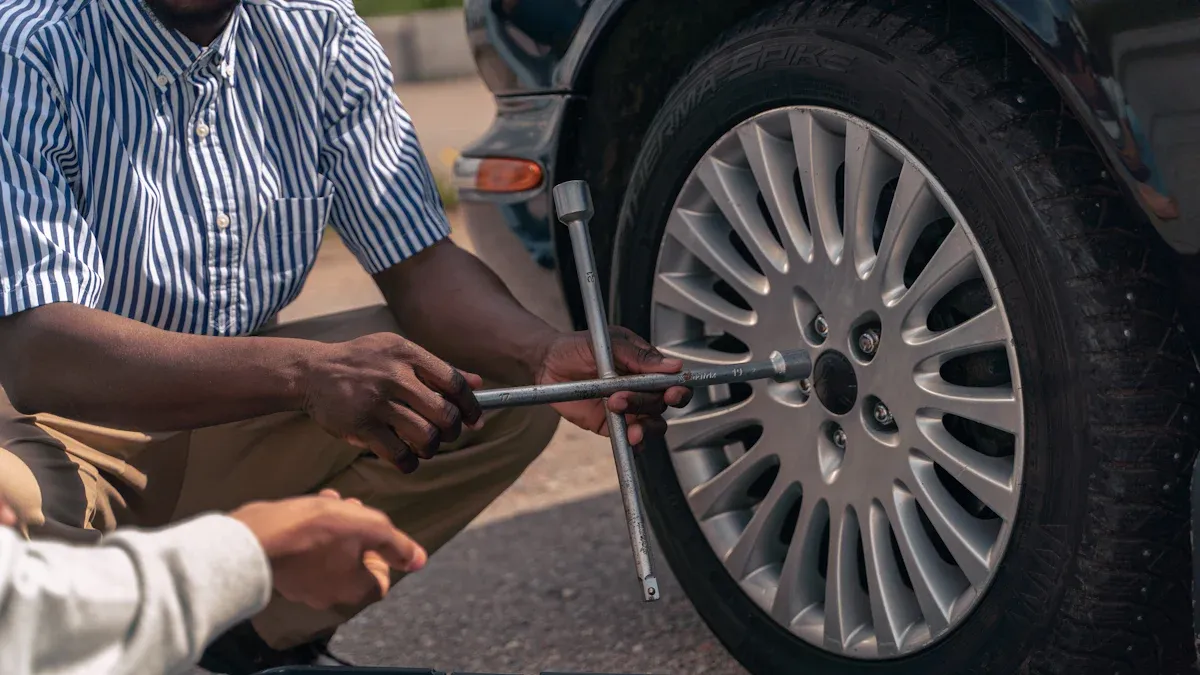
When you have a flat tire, a DIY tire repair kit might seem like a quick and cheap solution. However, you must understand the major differences between a temporary fix and a professional tire repair. A tire repair kit can get you off the side of the road, but it is not a permanent solution.
What’s Inside a DIY Kit?
A typical tire repair kit gives you the basic tools to plug a hole from the outside of the tire. You do not need to remove the tire from the wheel. Most kits include:
- T-Handle Reamer Tool: You use this sharp tool to clean out the puncture hole.
- T-Handle Plug Installation Tool: This tool helps you push the plug into the prepared hole.
- Tire Plugs: These are sticky rubber cords that you insert to seal the puncture.
- Rubber Cement: This liquid lubricates the plug and helps it stick inside the hole.
Using a tire repair kit is a very different process from getting a professional car tire repair patch.
Why DIY Plugs Are a Temporary Solution
A plug from a tire repair kit is only meant for emergencies. It helps you drive a short distance to a tire shop. While some plugs might last for a while, you cannot rely on them for long-term safety. The air pressure inside your tire constantly pushes against the plug, which can cause it to leak or fail over time.
A Temporary Fix at Best ⏱️ A plug from a tire repair kit might get you 8 to 30 miles down the road. However, factors like high speeds and hot weather put extra stress on the plug. This makes a professional repair essential for your safety.
A tire repair kit does not create the permanent, molecular bond that a professional repair does.
The Risks of Improper Repair
The biggest danger of using a tire repair kit is what you cannot see. When you fix a flat tire from the outside, you have no way of knowing if the inside of the tire is damaged.
An object that punctures your tire can cause serious internal problems that a tire repair kit cannot address. These hidden risks include:
- Separated Steel Belts: The puncture could have torn the internal belts that give the tire its strength.
- Sidewall Damage: Driving on a flat tire, even for a short distance, can weaken the inner sidewall.
- Embedded Debris: Pieces of the object might still be inside the tire.
A professional always removes the tire from the wheel for an internal inspection. This step is critical to confirm the tire is safe to repair. Using a tire repair kit skips this vital safety check, putting you at risk of a sudden tire failure down the road.
You should now understand that a professional combination car tire repair patch is the only safe, permanent fix for a repairable puncture. The quality of the materials used in the repair is vital for a lasting seal. Trusted manufacturers like SUNSOUL ensure their products meet high standards, such as ISO 9001 certification, and perform rigorous testing for adhesion and durability. This guarantees a reliable tire repair.
Choosing a professional service for your tire is also a smart financial decision. A proper repair costs far less than replacing the entire tire.
| Service | Cost Range |
|---|---|
| Professional Tire Repair | $20 – $45 |
| New Replacement Tire | $90 – $250+ |
Always prioritize a professional inspection and repair for your tire. This choice protects your safety on the road and the long-term health of your tire.
FAQ
How long can I drive on a plug from a tire repair kit?
A plug from a tire repair kit is only for emergencies. You should drive a short distance to a repair shop. A tire repair kit does not offer a permanent fix. The tire repair kit is not a safe long-term solution for your tire.
Is a tire repair kit safe for my tire?
No, a tire repair kit is not a safe permanent repair. You cannot inspect the inside of the tire for damage. A tire repair kit only offers a temporary plug. A professional must check the tire’s condition.
Why is a professional repair better than a tire repair kit?
A professional inspects the tire internally and uses a combination patch for a permanent seal. A tire repair kit cannot do this. The tire repair kit provides a temporary plug that can fail. A tire repair kit is a risk.
Can I reuse a tire repair kit?
You can use the tools again with new plugs. However, you should not use a tire repair kit to make multiple repairs on one tire.