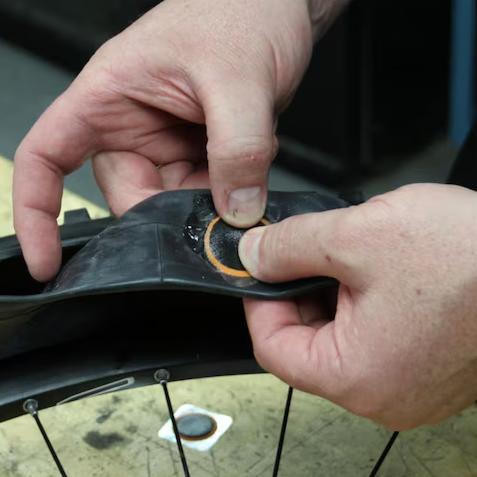

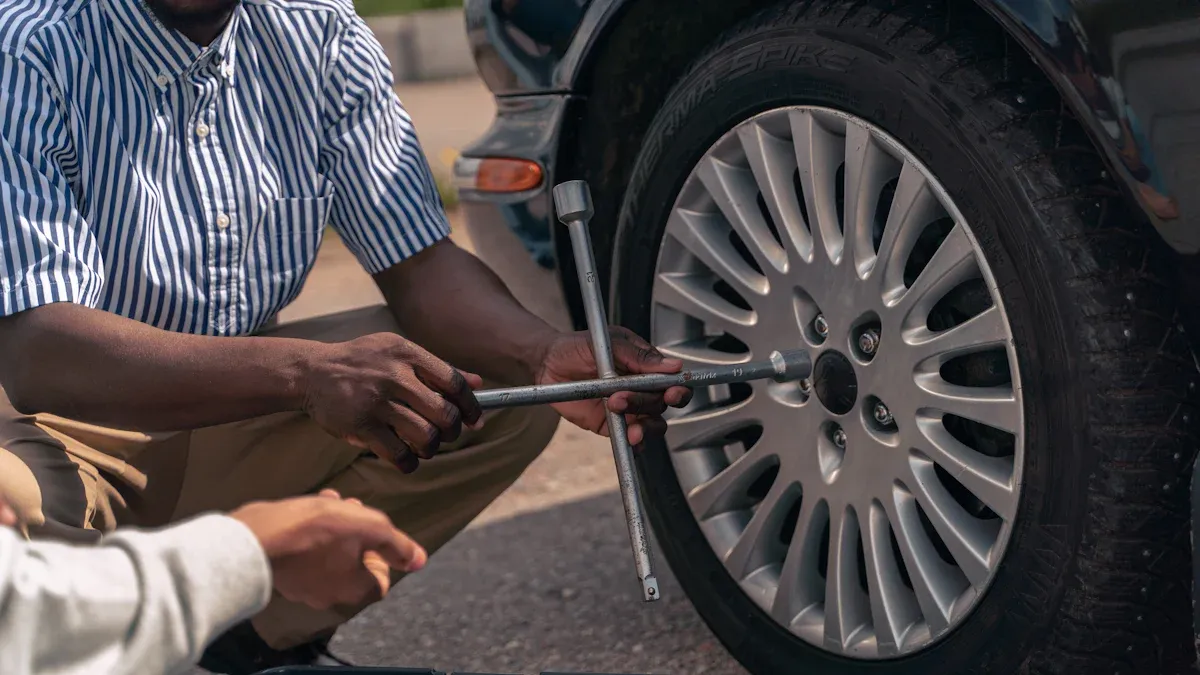
A tire plug on sidewall is extremely unreliable. It cannot restore the structural tire integrity your tire needs to handle constant flexing. The tire sidewall endures intense, continuous movement. A simple tire plug cannot guarantee a safe seal in this dynamic area. This failure creates a high risk of a sudden, catastrophic blowout. The danger of a failed tire is a serious reality on the road.
⚠️ Tire Failure by the Numbers:
- Approximately 11,000
tire-related crashes occur annually in the United States.- In 2022 alone, 563 fatalities were attributed to
tire-related incidents.- A national survey found that 9% of car crashes involved pre-crash
tireproblems.
Unlike the tread, any sidewall damage is a structural failure for the tire, which a tire plug cannot fix.
Why the Sidewall’s Design Makes a Plug Useless
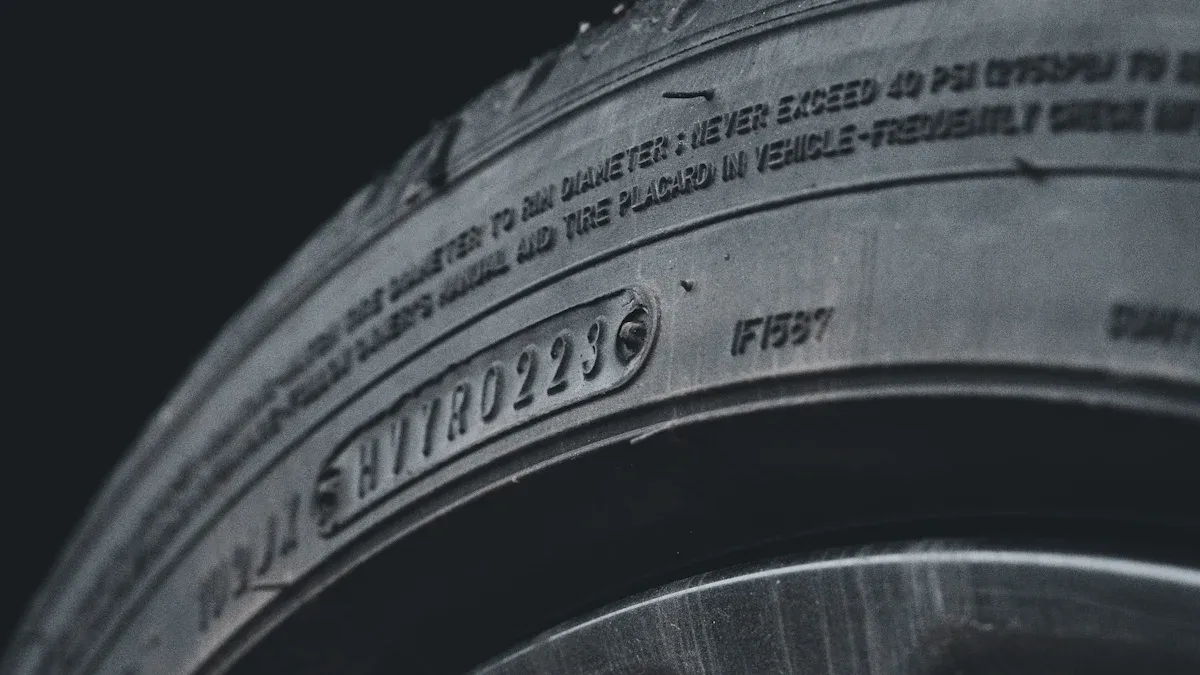
You might see the sidewall as just the side of your tire. Its design, however, is highly specialized and completely different from the tread. This unique construction is precisely why a simple repair fails.
The Job of the Sidewall: Constant Flexing
Think about what your tire does every time you drive. The sidewall’s main job is to flex constantly. As your tire rolls, the bottom of the sidewall bulges out under the vehicle’s weight. This flexing action happens thousands of times on even a short trip. This movement provides a smooth ride and helps your tire maintain contact with the road.
Beyond flexing, the sidewall performs several other critical functions:
- Provides Stability: It gives your tire lateral stability, which helps you steer and corner safely.
- Contains Air: The sidewall creates an airtight seal to keep your tire properly inflated.
- Protects Internal Layers: Its rubber compound is designed to resist cuts and abrasions, protecting the tire’s internal structure.
- Displays Information: It shows you essential details like tire size, load capacity, and speed rating.
Every one of these jobs depends on the sidewall remaining structurally sound.
The Sidewall’s Thin and Flexible Construction
To perform its job, a tire sidewall must be thin and flexible. It is not thick and rigid like the tread area. The rubber compounds used in the sidewall are engineered for a delicate balance. They must be strong enough to support the vehicle but flexible enough to absorb bumps and flex without breaking.
Heat and Stress: This constant flexing generates significant heat and stress. Harder rubber materials create more heat when they bend. Engineers carefully design the sidewall to manage this heat. However, any puncture introduces a weak point that disrupts this balance, making the tire unsafe. Any sidewall damage compromises the entire tire’s ability to handle these forces.
This thin design means a puncture isn’t just a hole; it’s a deep structural wound in the most dynamic part of the tire.
How Flexing Forces a Plug to Fail
Now, imagine you insert a tire plug into that flexing wall. A tire plug is essentially a piece of sticky rubber forced into a hole. It does not restore the tire’s strength.
As your tire rotates, the sidewall continuously bends and straightens. This movement puts immense, repetitive stress on the area around the puncture. The constant flexing motion works the tire plug loose from the inside and outside. The seal breaks. Air begins to leak again, or worse, the plug is pushed out entirely.
This is why a tire plug on sidewall is so dangerous. The strain from flexing will inevitably cause the repair to fail, creating a weak spot that is highly prone to a catastrophic blowout. The tread of a tire, in contrast, is thick, reinforced, and does not flex in the same way. This makes a repair in the tread area much more stable and reliable. A tire plug simply cannot survive the dynamic forces that a sidewall endures.
A Plug Can’t Repair a Tire’s Internal Structure
A tire looks like a simple piece of rubber. However, its strength comes from a complex internal structure you cannot see. When you puncture a sidewall, you damage this hidden framework. A simple plug cannot fix this deep, structural problem.
The Hidden Strength: Understanding Body Plies
Your tire has a skeleton. This skeleton is made of body plies. These plies are sheets of strong fabric cords, often made of polyester or rayon. The cords are coated in rubber and layered together. This creates the main body, or carcass, of the tire. The body plies are the source of the tire’s strength and flexibility.
Think of these plies as the backbone of your tire. They perform several vital jobs:
- They form the fundamental structure of the tire.
- They provide the strength to handle the vehicle’s weight and driving forces.
- They allow the tire to flex without breaking.
- They contain the air pressure that keeps your tire firm.
These fabric cords run from one side of the tire to the other. This arrangement gives the tire its shape and allows it to support heavy loads while remaining flexible. Without this internal framework, your tire would just be a shapeless rubber bag.
How a Puncture Severs These Critical Cords
When an object punctures your tire’s sidewall, it does more than just create a hole. It cuts directly through the body plies. The sharp object severs the strong fabric cords that give the tire its structural foundation. This is not a simple leak; it is a critical wound that compromises the entire tire integrity.
Imagine a rope holding a heavy weight. If you cut a few strands of that rope, the entire rope becomes weaker. The same thing happens to your tire. The severed cords create a permanent weak spot. The remaining cords around the puncture must now handle extra stress. This makes the damaged area much more likely to fail under pressure, especially with the constant flexing of the sidewall. The tire is no longer safe to carry its intended load.
Why a Plug Only Fills a Hole, It Doesn’t Rebuild
You might think a tire plug can solve the problem. A standard tire plug is just a sticky cord, often made of butyl rubber or a tar-like substance. You force this plug into the hole to stop air from escaping. However, the plug is only a filler. It does not rebuild the tire’s severed internal structure.
A tire plug cannot rejoin the cut fabric cords of the body plies. It simply stuffs a hole. This creates a dangerous situation because the plug does not restore the tire’s original strength. It only creates the illusion of a repair.
Worse yet, a tire plug often fails to create a perfect seal on the inside of the tire. Experts have shown that this allows air and moisture to seep between the internal layers. This process leads to internal corrosion and weakens the bonds holding the tire together. Over time, the entire structure of the tire degrades from the inside out, dramatically increasing the risk of a sudden blowout. A simple tire plug cannot prevent this hidden, progressive damage.
The Unseen Dangers of Attempting a Tire Plug on Sidewall
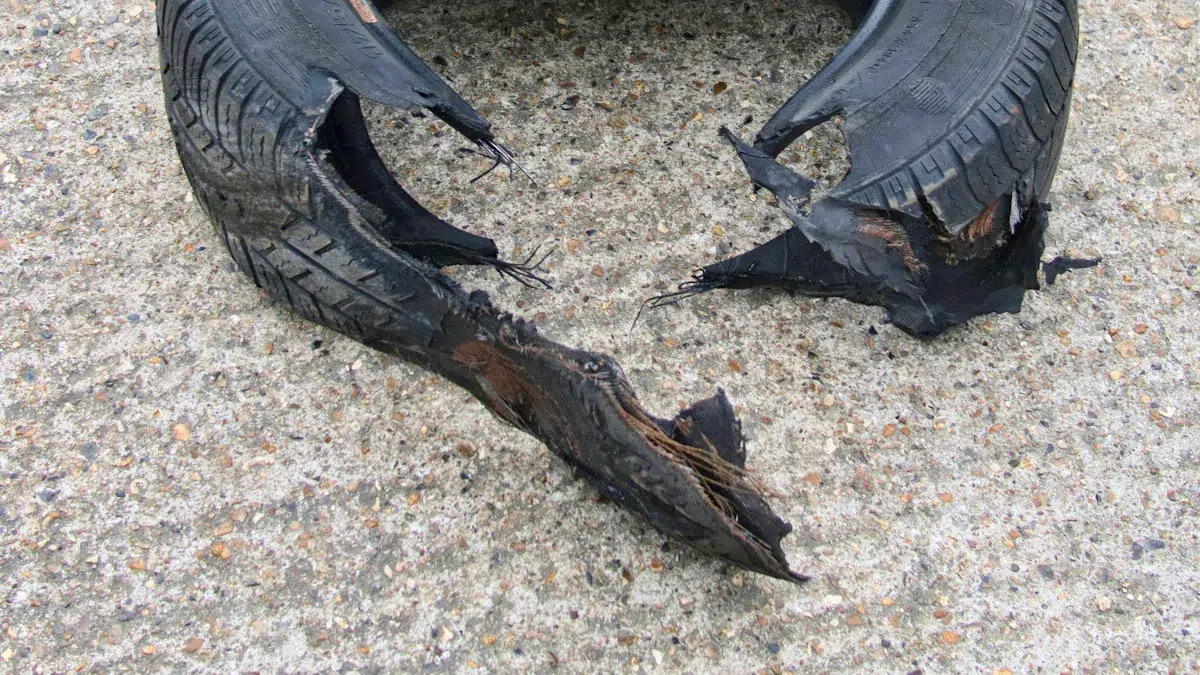
Attempting to fix sidewall damage with a plug introduces serious risks that are not immediately obvious. These hidden dangers turn a seemingly simple repair into a major gamble with your safety.
Creating a False Sense of Security
A tire plug might hold air for a while. This creates a false sense of security, leading you to believe the tire is permanently fixed. However, this temporary solution masks the deep structural failure within the tire. Major authorities like the U.S. Tire Manufacturers Association (USTMA) do not approve this kind of repair. They emphasize that a plug is only meant to help you get to a professional, not to continue driving. Relying on a plugged sidewall ignores these critical safety concerns and puts you at risk of a sudden blowout.
Trapping Moisture and Causing Internal Rot
A tire plug rarely creates a perfect, airtight seal from the inside. This allows air and moisture to seep between the tire’s internal layers. As you drive, your tire heats up, turning this trapped moisture into vapor. When the tire cools, the vapor condenses back into water, which can cause the steel belts inside your tire to rust and corrode. This “internal rot” weakens the tire from the inside out, creating severe safety concerns without any visible external warning.
Hiding Deeper, Catastrophic Damage
A puncture is often more than just a hole. The object that caused the sidewall damage may have created deeper, invisible problems inside the tire. A simple tire plug on sidewall covers up this damage, preventing a proper inspection. You would never know if your tire has developed:
- A Heat Ring: A burn mark around the tire sidewall from running on low pressure.
- Tread Chunking: Pieces of the tread breaking off due to overheating.
- Dry Rot: Tiny cracks that show the rubber in your tire is breaking down.
These issues are serious safety concerns. They indicate that the tire’s structure is compromised and on the verge of failure. A tire plug hides these red flags, leaving you driving on a tire that is ready to blow out at any moment.
The Professional Standard for Sidewall Damage
When you have a damaged tire, you trust professionals to provide a safe solution. Industry experts and tire manufacturers have clear, strict standards for tire repair. These rules exist to protect you on the road. For sidewall damage, the professional standard is unanimous and uncompromising.
Why Tire Shops Refuse This Repair
You will find that reputable tire shops refuse to perform patching sidewall damage. This is not because they want to sell you a new tire; it is because they are following industry safety standards and avoiding serious legal risks. Shops face huge liability if a repair they perform fails and causes an accident. Major retailers like Sears adopted policies against this repair after facing lawsuits over failed tire fixes. The constant flexing of a tire’s sidewall makes any repair in this area extremely likely to fail. A shop that attempts patching sidewall damage knowingly puts you in danger, and they are unwilling to take that risk.
The Only Safe Solution: Tire Replacement
The only safe and professionally accepted solution for a punctured sidewall is to replace the tire. The U.S. Tire Manufacturers Association (USTMA) sets clear guidelines that define the repairable area of a tire. A puncture is only considered repairable if it meets specific criteria:
- The damage must be in the tread area of the tire, at least an inch away from the shoulder.
- The puncture’s diameter cannot be larger than 1/4 inch (6mm).
- The repair cannot overlap with any previous repairs on the tire.
Any puncture outside this zone is non-repairable. Since sidewall damage falls outside this safe zone, replacement is your only option to ensure the tire is safe for driving.
Why Professional Patches Are Also Not for Sidewalls
You might wonder if a professional patch-plug combination can fix your tire. This type of repair uses a unit that both fills the puncture channel and seals the inner liner of the tire. While this is the correct method for a tread puncture, it is still completely unsafe for a sidewall. Even the most advanced patches are only designed for the stable tread area. They cannot restore the severed structural cords inside the sidewall or withstand the intense, constant flexing. No patch or plug can make a damaged sidewall safe again. For your safety, you must get a new tire.
A tire plug on sidewall is fundamentally unreliable. It cannot restore your tire integrity or handle the sidewall’s constant flexing. Even high-quality repair materials, like those from SUNSOUL, are designed only for the tread area. No plug can fix sidewall damage. You must address these safety concerns. Choosing a cheap tire plug on sidewall over a new tire creates major safety concerns and financial risks.
The Cost of a Bad Decision
- A cheap patch might cost you $20, but a new tire is around $100.
- Ignoring sidewall damage can lead to thousands in repairs for your car.
- A blowout accident creates severe safety concerns and potential legal fees.
For your safety, any sidewall damage on your tire requires a professional inspection. You will almost certainly need a complete tire replacement. Do not risk a blowout with a faulty tire. Your tire is your connection to the road; keep that tire safe.
FAQ
Can I drive on a tire with a plugged sidewall?
No. A plugged sidewall on your tire is extremely unsafe. The plug will fail under pressure. This failure can cause a sudden tire blowout. You should only use a temporary plug to get your tire to a shop for a new tire. A safe tire is a new tire.
What if the sidewall puncture on my tire is very small?
The size of the hole does not matter. Any puncture severs the internal cords of the tire. This damage weakens the entire tire structure. A small puncture on your tire still makes the tire unsafe for driving. You need a new tire. Your tire’s safety is critical.
Is a professional patch better for a tire sidewall?
No. Even professional patches cannot fix a tire sidewall. Patches do not rebuild the tire’s strength. They are only for the tread area of the tire. No repair makes a damaged tire sidewall safe. Your tire needs replacement. This is the only safe tire solution.
Why is a tread puncture on a tire different?
The tread of a tire is thick and reinforced with steel belts. It does not flex like the sidewall of a tire. A proper repair can safely seal a tread puncture on your tire. The sidewall of your tire is too thin and dynamic for any tire repair.
What should I do if my tire has sidewall damage?
You must replace the tire immediately. Do not attempt to repair the tire.
Put on your spare tire. Drive carefully to a tire shop. A professional will confirm you need a new tire. This is the only way to ensure your tire is safe.