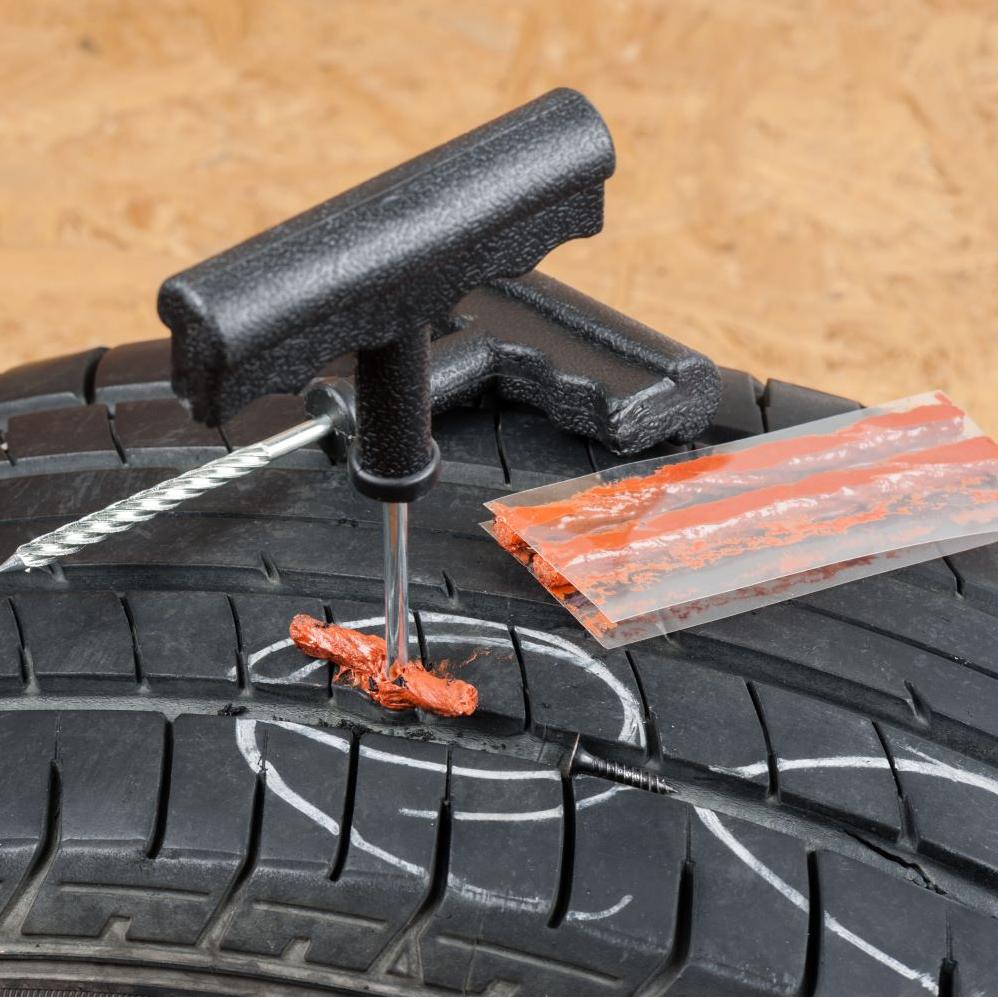

SUNSOUL tire patch strips are effective for repairing tread punctures but are not suitable for sidewall damage.Repairing a tire near the sidewall is unsafe. Experts explain that the sidewall is weak because it bends easily and lacks sufficient support. Many repair shops refuse to repair tires in this area because the patch adhesive has poor adhesion and is prone to detaching when the tire bends. Safety agencies recommend repairing tires only in the tread area.
Key Takeaways
- Repairing a tire near the sidewall is unsafe. The sidewall bends significantly, making it difficult to securely hold the patch strip or patch. The sidewall lacks a steel belt layer, making it weak and unable to withstand the impact of the patch strip or patch. For safety, you should only repair tires in the tread area. SUNSOUL patch strips are suitable for tread repairs but not for sidewall damage.
Why You Shouldn’t Plug a Tire Near the Sidewall
Sidewall Flexibility and Tire Movement
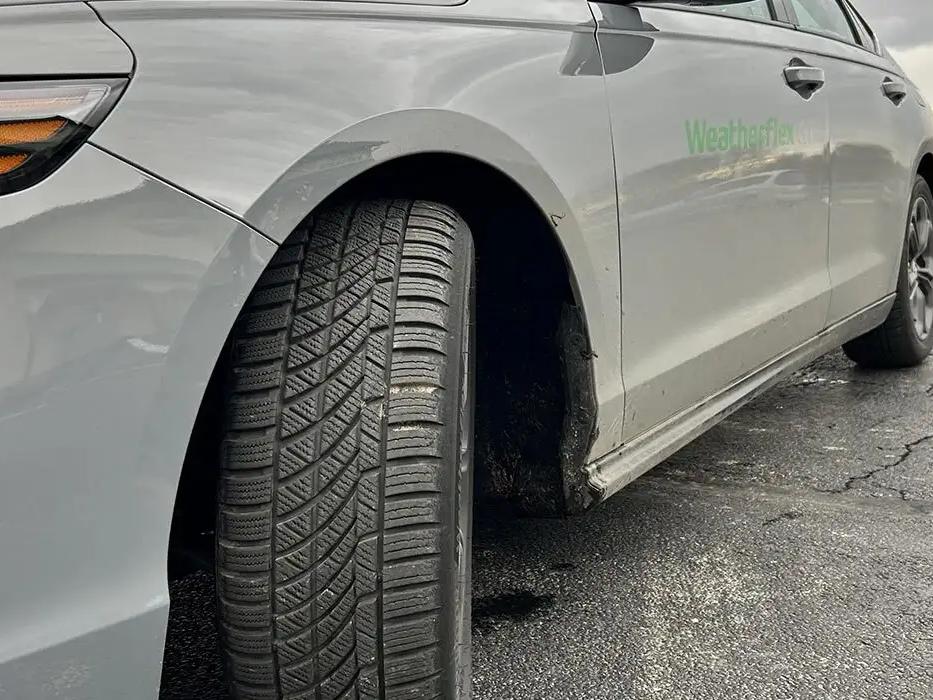
Tire sidewalls bend and deform when a vehicle is in motion. The sidewalls of tires are thin and designed for flexibility rather than strength. When a vehicle corners or encounters a bump, the sidewalls stretch and return to their original shape. This continuous deformation generates significant forces that tire repair patches cannot withstand. If an attempt is made to repair the tire near the sidewall, the repair patch will not hold securely in place. The tire’s deformation causes the repair patch to loosen, allowing air and moisture to seep in. Over time, this can lead to a tire leak or even a blowout. Drivers who attempt to insert a repair patch in this area face serious risks.
Note: The sidewall’s movement is different from the tread area. Studies show that the sidewall experiences less local deformation, but it still flexes a lot under load. This flexing makes it impossible for a plug or patch to keep an airtight seal.
Structural Weakness Without Steel Belts
The tire tread area contains steel belt layers. These belt layers give the tire strength and help it maintain its shape. The sidewall lacks these steel belt layers. Instead, the sidewall is designed to remain flexible and protect the tire’s internal structure. Because the sidewall lacks this reinforcement, it cannot be repaired. If a puncture occurs near the sidewall, the tire loses strength and can no longer withstand normal driving conditions.
- The sidewall is more susceptible to damage due to the absence of steel belts.
- Sidewall punctures cannot be safely repaired due to weak internal support.
- Damage in this area can lead to hazards such as tire blowouts.
Patch Bond Failure in the Sidewall
Patches are designed to adhere to the inside of the tire and seal punctures. In the tread area, patches adhere well due to surface stability and reinforcement. However, sidewall patch repairs face numerous challenges. This flexible material cannot hold the patch in place. As the tire moves, the patch edges may lift, leading to leaks.
- Cord displacement can cause the puncture to widen.
- Patch edges lifting cause leaks and patch failure.
- The patch may bulge, reducing support and increasing the risk of a blowout.
Even high-quality products like SUNSOUL tire patches are not suitable for sidewall punctures. These patches are best suited for the tread area because the tire structure provides a strong bond. Tire experts and manufacturers agree that it is unsafe to repair the tire near the sidewall. Drivers should always check that the repair location is too close to the sidewall before attempting any repair. If the puncture is near the sidewall, the best option is to replace the tire. This helps prevent tire damage and ensures road safety.
Risks of Plugging a Tire Close to the Sidewall

Blowout and Sudden Air Loss
Repairing a tire near the sidewall is extremely dangerous for the driver. When a vehicle is in motion, the sidewall bends, putting stress on any patch or plug. If repaired in this area, the plug cannot restore the tire’s strength. The tire has to bear the weight of the vehicle.
- Repairing a tire near the sidewall increases the risk of a blowout.
- The sidewall moves significantly, so the patch cannot be securely held to the tire.
- Air will leak from the puncture, causing a blowout.
Many reports show that improper sidewall repairs can create leaks and weak points inside the tire. Tires are not designed for safe repairs in this area. Experts recommend replacing the tire if there is damage near the sidewall. This prevents further deterioration and ensures driving safety.
Tip: Always check how close the hole is to the sidewall before plugging a tire. If the hole is near the sidewall, replace the tire instead of fixing it.
Compromised Tire Safety and Performance
Repairing near the tire sidewall reduces the tire’s safety rating. During driving, the sidewall undergoes significant bending, making it unsuitable for tire repair or plugging. Repairing or plugging in this area can cause internal separation of the tire. This means the layers of material inside the tire will separate, reducing its strength.
- Reduced tire strength makes it unable to withstand normal driving.
- Improper repairs can lead to traffic accidents and legal issues.
- Drivers may experience decreased vehicle handling and sluggish braking response.
Sidewall damage affects tire performance. Excessive bending leads to sluggish braking response and reduced stability. The tire may feel loose when cornering, affecting grip and traction. Pluging in the sidewall cannot restore the tire’s original safety performance. Drivers must measure the distance between the puncture and the sidewall before repairing a tire. Replacing the tire is the best way to avoid damage and ensure everyone’s safety.
Understanding tire plug Safe Patching Distance
Where Plugging a Tire Is Allowed
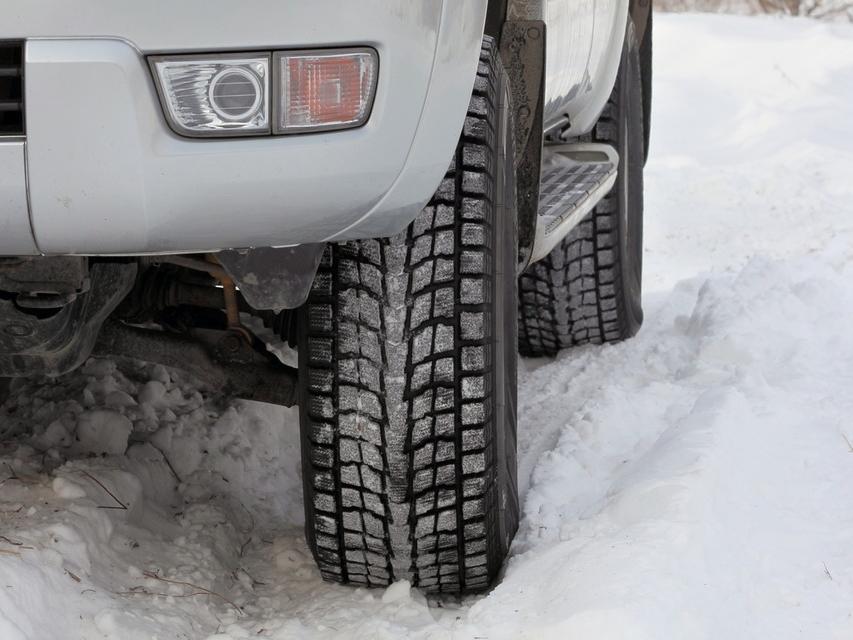
Tire repair guidelines clearly define the areas suitable for tire repair. The tread area is the only area on the tire considered safe for repair. This area is located in the center of the tire, beneath which lies a strong steel belt. Most punctures, such as those caused by nails or small objects, occur here. The center of the tread, also known as the crown, provides optimal support for tire repair.
- Punctures in the tread area can usually be repaired.
- The tire shoulder and sidewall are not suitable for repair.
- If the puncture is not too close to the shoulder, the tread edge may also be repairable.
- Sidewall damage cannot restore the tire to its full strength.
Attempting to repair a tire outside the safe repair distance can result in a blowout or even a complete puncture. The tire may deform and lose strength, endangering everyone’s safety. Drivers must always determine a safe distance before deciding to repair a tire.
How to Measure Safe Distance from the Sidewall
Drivers can find a safe repair distance using simple steps. Most experts recommend repairing punctures at least one inch (2.5 cm) from the sidewall. The safe zone covers three-quarters of the tread center. If the puncture is located at the sidewall edge or sidewall, the tire should be replaced. Using a ruler or tape measure can help drivers check the location of the tire damage.
- Small punctures away from the tire sidewall can be safely repaired.
- Perforations near the tire sidewall or larger than a quarter inch (6 cm) require replacement of the tire.
- Repairing outside the safe area can be dangerous or cause loss of vehicle control.
A professional tire mechanic can help drivers determine if a tire plug or patch can be repaired. Following these steps can maintain tire strength and reduce the risk of a blowout. If you are unsure about the repair area, always consult a professional.
Tire plug Industry Standards and Repair Solutions
Manufacturer and Shop Guidelines
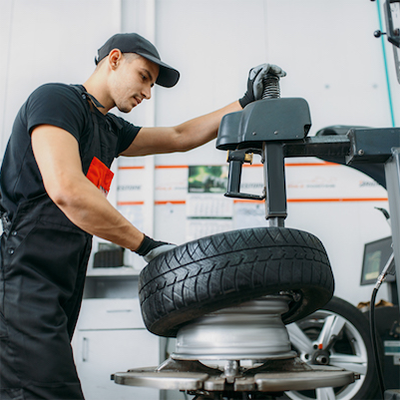
Tire shops have strict regulations regarding tire repair. They inspect the tire inside and out before deciding on a repair plan. Most shops only repair small punctures in the tread, with the hole diameter being less than or equal to 1/4 inch (approximately 6 mm). The steel belts in the tread make the tire strong and durable.
Tire shops will never repair a hole located in the sidewall. The sidewall bends with every roll of the tire, making sidewall repairs extremely unsafe. A hole in the sidewall increases the risk of a blowout. Tire manufacturers also advise against repairing sidewall damage because they know that no repair can restore the sidewall to its original strength.
- Tire shops inspect the tire inside and out.
- Only punctures smaller than 1/4 inch (approximately 6 mm) in the tread can be repaired.
- For safety, both a tire plug and a patch are used.
- Repairing sidewall punctures is unsafe.
SUNSOUL Tire Patch for Proper Repairs
The SUNSOUL Tire Patch is good for fixing tread holes. It works well because the tread has steel belts for support. The patch uses strong materials and glue to seal the hole. This helps the tire stay safe and last longer after repair.
The sidewall moves and bends when you drive. This makes it hard for any patch to stick. The glue on the sidewall is not strong enough. Experts say no patch can make the sidewall strong again. Fixing the sidewall with a patch can make the tire weak and cause it to fail.
SUNSOUL Tire Patch is used in over 60 countries. The company makes more than 2 million patches each month. The patches work for bikes, motorcycles, cars, trucks, and farm machines. SUNSOUL gives a 1-year warranty and will replace the patch if it comes off or cracks. Customers get fast help, usually in 72 hours, and advice for life.
- SUNSOUL Tire Patch is only for tread repairs.
- The patch does not work for sidewall holes.
- Customers get good support and a warranty.
Note: Always ask a pro before fixing a tire. Safe repairs keep everyone safe.
Tire safety studies say sidewall punctures cannot be fixed. These always need a new tire. Experts agree repairs near the sidewall are not safe. The risk of failure is very high. Drivers must follow safe patching distance rules. They should also follow industry standards. Tire shops have clear rules for fixing tires. They check if a puncture can be repaired. The table below shows how technicians look at tire damage:
| Factor | Description |
|---|---|
| Placement of the Injury | Punctures must be in the crown area. Shoulder or sidewall damage cannot be fixed. |
| Size of the Puncture | The biggest repairable size is ¼” for fabric-ply tires. For steel belted tires, it is 3/8”. |
| Overall Condition of Tire | Too much wear or impact damage makes a tire unsafe to fix. |
Drivers should get a new tire if the hole is near the sidewall. SUNSOUL Tire Patch works well for tread repairs. Always ask a professional to keep the tire safe.
FAQ
What happens if someone repairs a tire near the sidewall?
Repairing a tire near the sidewall is extremely dangerous. This part of the tire bends significantly, increasing the risk of a sudden blowout. If the sidewall is damaged, the driver should replace the tire.
Can a patched or repaired tire be used for a long trip?
A patched or repaired tire on the tread is safe for everyday use. However, experts recommend checking the repair before a long trip to ensure the patch is secure. Never use a tire with damage in a critical area.
What’s the difference between patching a radial tire and other tires?
The safety rules for patching radial tires are the same as for other tires. Only punctures on the tread that can be repaired are safe. Never attempt to repair any sidewall damage to a tire.
What are the risks of driving a tire with a puncture in the sidewall?
A puncture in the sidewall weakens the tire, and this damage can lead to a blowout. The driver may experience a rapid leak or blowout, which could result in a traffic accident.
How do professionals determine if a tire can be repaired?
Professionals will inspect the location and size of the tire puncture. They will only repair small holes in the tire tread. If the puncture is too large or poorly located, they will recommend replacing the tire.