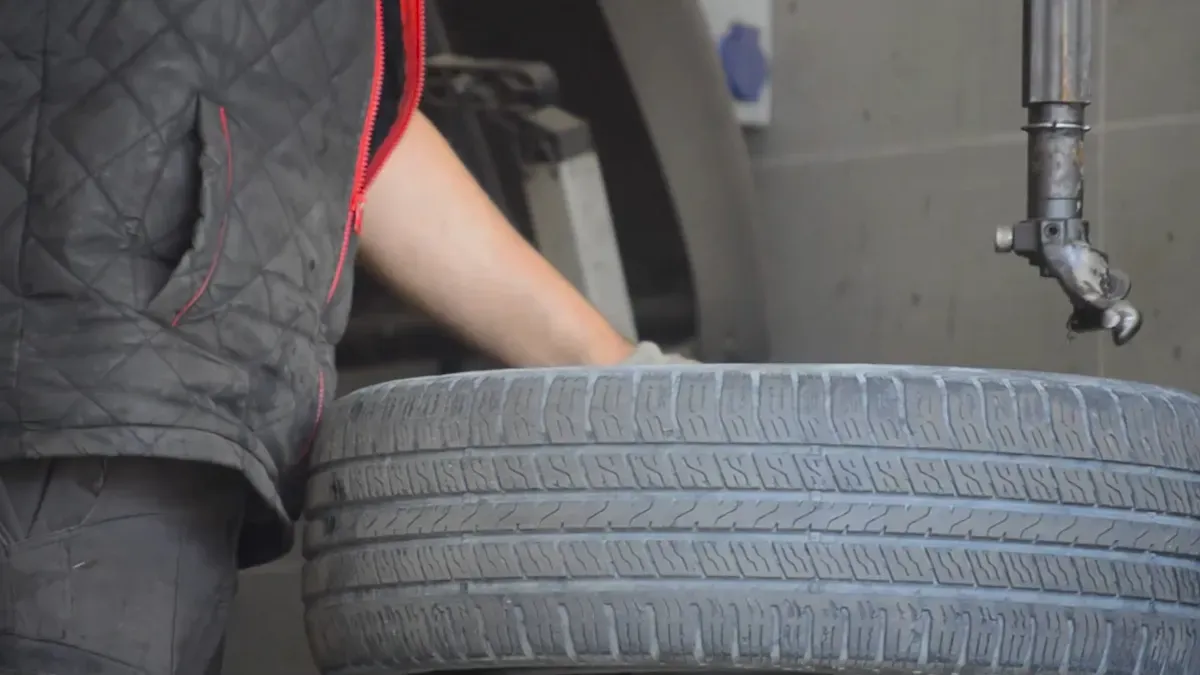

Most experts believe that repairing tire sidewall punctures is extremely dangerous. The tire sidewall bears immense pressure and bending; even a small puncture can weaken the tire and lead to a blowout. Many drivers choose to repair sidewall punctures to save money, but safety is far more important than saving money. Making the right choice is crucial for everyone’s road safety.
Key Takeaways
- Repairing tire sidewalls is not safe. Experts recommend replacing the tire.
- Sidewall damage can lead to a blowout. Always check the sidewalls for bulges, cuts, or punctures.
- DIY tire repair tools cannot fix sidewall punctures. They may malfunction, causing an accident.
- Follow the manufacturer’s instructions. Only tread repairs are safe.
- Driving a tire with a damaged sidewall is extremely dangerous. For safety, replace the tire.
Why Sidewall Holes Matter

Sidewall Structure and Function
The tire sidewall plays a crucial role in ensuring vehicle safety and comfort. This part of the tire extends from the shoulder to the bead. It uses flexible rubber to absorb impacts and protect the tire from collisions. Unlike the tread, which focuses on grip and handling, the sidewall must bend and deform as the tire rolls. This flexibility helps prevent air leaks and protects the tire’s internal structure from road damage.
- The sidewall protects the tire from impacts and wear.
- It absorbs the impact of bumps and potholes, making the ride smoother.
- The sidewall protects the tire’s internal structure, extending its lifespan.
Tire manufacturers use different materials for the sidewall than the tread. The sidewall uses a softer, more flexible rubber. This design helps the tire cope with rough roads and sudden bumps. The tread, on the other hand, uses a tougher material to provide grip and handling.
Risks of Sidewall Damage
Sidewall damage can lead to serious problems. Even small holes or bulges can weaken the tire. When a tire drives over potholes at high speed, the sidewall may be damaged even if the tire appears intact. Sometimes, a bulge appears on the sidewall, indicating internal damage to the tire. This bulge means the tire could burst at any time.
- Sidewall damage is often not safe to repair.
- A bulge in the tire sidewall indicates a high risk of a blowout.
- A weak sidewall can rupture without warning, especially during long drives.
- Some sidewall defects stem from manufacturing defects or improper installation, leading to sudden tire blowouts.
Tires with sidewall holes or bulges should not be driven. These problems can cause traffic accidents, endangering everyone’s safety. Drivers should always check their tires for signs of sidewall damage and replace them if necessary.
Can You Repair a Sidewall Hole Safely?
Professional Recommendations
Most experts believe that repairing sidewall holes is not safe. The tire sidewall shifts every time the vehicle is driven. This shift makes it difficult to securely fix a repaired sidewall. Tire experts consider sidewall perforations very serious. The sidewall does not have a robust structural layer like the tread. Therefore, repairs often fail, leading to a blowout.
Note: Agencies such as the National Highway Traffic Safety Administration (NHTSA) and the Rubber Manufacturers Association (RMA) do not allow sidewall repairs. They consider only the tread area to be a safe area for repair.
- The puncture structure on the tire sidewall is insufficient for a robust repair.
- The sidewall will bend and deform, resulting in insufficient strength after repair.
- The repaired sidewall may not withstand the heat and pressure generated during driving.
- Experts recommend replacing the tire, not repairing the sidewall puncture.
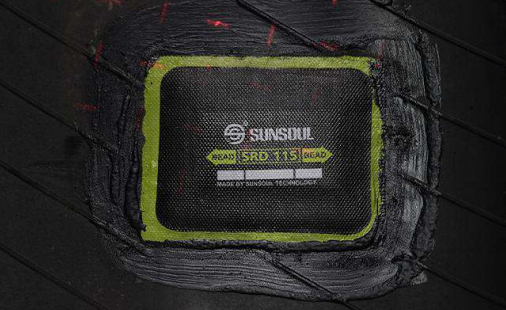
Many car owners want to use reliable products like SUNSOUL tire repair compound to repair tire punctures. SUNSOUL tire repair compound works well for tread punctures and provides a strong seal for a variety of vehicles. Even the best tire patches cannot completely eliminate sidewall damage. Tire experts always prioritize safety and advise against using any tire patches to repair sidewall punctures.
Manufacturer Guidelines
Tire manufacturers have established clear rules for tire repair. Their goal is to ensure driver safety and prevent accidents. Most well-known brands state that tire repairs should only be performed on the tread area. They warn that holes in the sidewall cannot be safely repaired.
| Source | Recommendation |
|---|---|
| American Tire Manufacturers Association | Repairs are only safe on the tread, not the sidewall. |
| Rubber Manufacturers Association | Sidewall damage repairs are unsafe and against guidelines. |
Manufacturers explain that the sidewall’s support is insufficient to support the repaired tire. Excessive movement of the sidewall rubber can cause tire patch or tire plug failure. If a driver attempts to repair a hole in the sidewall, the tire may not be able to withstand normal driving. This could lead to a sudden tire blowout, endangering everyone’s safety.
Industry standards state that tire repairs are only safe on the tread. Attempting to repair a hole in the sidewall violates these rules and is extremely dangerous. Drivers should always follow the advice of tire manufacturers and safety experts. Replacing the tire is the best way to ensure driving safety.
Sidewall Hole Repair Methods and Limitations
DIY Patch Kits and Quick Fixes
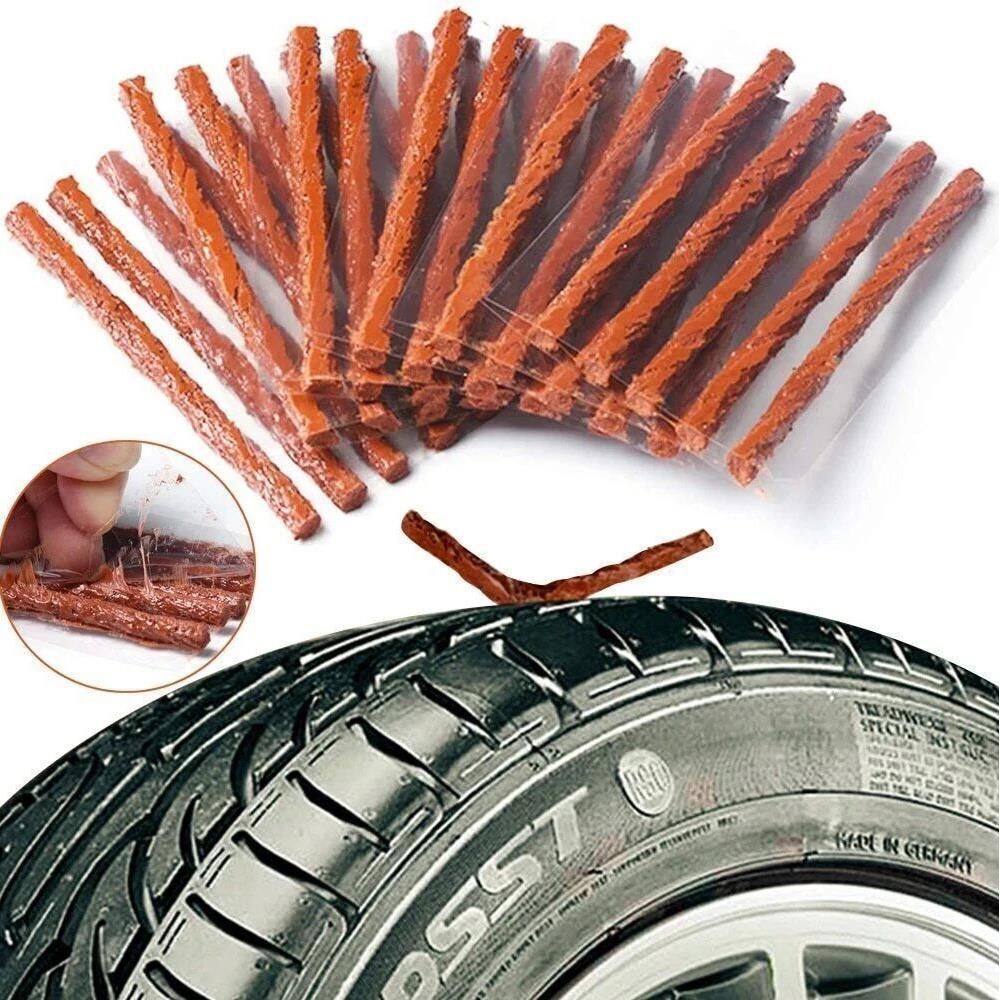
Many drivers want to quickly repair tire sidewall damage. DIY tire repair kits and plugs are common methods for repairing tread damage. These kits contain patches, plugs, or sealant, which people use to quickly get back on the road. However, these kits are not suitable for repairing sidewall damage. The sidewall bends with every tire rotation. The Tire Manufacturers Association states that sidewall damage cannot be repaired due to safety concerns.
Professional Repairs
Professional repair shops follow strict tire repair standards. They inspect the inside of the tire and repair tread damage using a combination of patches and plugs. Repairs can only be done on the tread area, and the puncture hole must be less than 1/4 inch (approximately 6 mm) in diameter. Sidewall damage repair is not permitted. Repair shops will not repair sidewall damage because the sidewall lacks sufficient support. The U.S. Department of Transportation and tire safety standards do not allow sidewall repairs. Professionals know that the sidewall is prone to excessive bending during repair, making any repair unreliable.
Effectiveness and Safety Concerns
Studies show that patches are best suited for repairing small punctures in the tire tread. Patches have poor adhesion to the sidewall or shoulder. Excessive bending in these areas can cause the patch to detach. If the inner sidewall of the tire is damaged, it must be replaced immediately. Safety studies indicate that repairing sidewall punctures increases the risk of a blowout. For example, a Michelin study found that repairing sidewall punctures increases the risk of a blowout by 50%. Experts agree that tires with sidewall punctures need to be replaced immediately. Products like SUNSOUL tire patches can securely repair punctures in the tire tread, but industry standards do not recommend using any patches on the sidewall. If the sidewall is damaged, the safest option is to replace the tire.
Sidewall Hole Alternatives to Repair
When to Replace the Tire
Tire experts state that the only safe way to repair a sidewall puncture is to replace the tire. Repairs do not restore the strength of the sidewall. Continuing to drive a tire with a damaged sidewall can lead to a blowout, endangering lives. Tire manufacturers have clear guidelines on when to replace tires. Drivers should replace tires if any of the following occur:
- Visible bulges or air bubbles on the sidewall.
- Deep cuts or tears penetrating the rubber.
- Large punctures exceeding 1/4 inch (approximately 0.6 cm) in width.
- Persistent tire leakage or multiple closely spaced small holes.
- Cuts, bulges, or cracks caused by impacts to curbs or potholes.
Reputable repair shops will not attempt to repair sidewall damage. Replacing tires ensures driving safety and prevents more serious problems later.
Temporary Solutions
Some drivers, upon discovering damage to their tire sidewalls, want to repair them as quickly as possible. However, there is no safe and quick way to repair sidewall punctures. Tire patching tools and plugs can only repair punctures on the tread. Using them to repair the sidewall may result in a failed repair. If you must drive, slow down and only travel a short distance to a repair shop. Never use quick repair methods while driving long distances or at high speeds.
Safety and Legal Considerations
Laws and rules do not let you fix sidewall holes. Big groups set strict rules:
| Source | Evidence |
|---|---|
| American Tire Manufacturers Association | Repairs are only safe on the top of the tire tread. Sidewall repairs are not allowed because they are not safe. |
| Rubber Manufacturers Association | Repairs are only safe in the tread area, not the sidewall. Trying to fix sidewall damage breaks these rules. |
| National Highway Traffic Safety Administration | NHTSA says repairs are not allowed for sidewall damage. They care about safety and following DOT rules. |
Insurance companies also have relevant regulations. Tire damage caused by potholes requires special insurance. Drivers should take photos of the damage as soon as possible and contact their insurance company. It is only wise to file a claim when the cost of repairing or replacing the tire exceeds your deductible. Doing so helps drivers ensure safety and comply with traffic regulations.
Experts say that repairing a puncture in the tire sidewall is not safe. Most tire experts and manufacturers recommend replacing the tire. The table below lists the key expert advice:
| Factor | Description |
|---|---|
| Location of puncture | Holes in the sidewall or shoulder mean you need a new tire. |
| Size of hole | Small holes might be fixed, but big ones need a new tire. |
- Experts say you cannot fix tire sidewalls.
- Even quick fixes are not safe, so getting a new tire is best.
Drivers should use trusted products for tread repairs. If the sidewall is damaged, always get a new tire to stay safe.
FAQ
Can small punctures in the sidewall be repaired with a patch?
Tire experts say that patches cannot repair small punctures in the sidewall. The sidewall has a large range of motion, so the repair is not durable. Safety regulations recommend replacing the tire.
Can I still drive with a puncture in the sidewall?
A puncture in the sidewall weakens the tire. Continuing to drive could lead to a blowout. For safety reasons, the tire should be replaced.
Which products can repair tire punctures?
- SUNSOUL tire patches work very well for tread punctures.
- They have strong adhesion and are easy to use.
- Professional tire technicians use them to repair tread punctures, not sidewall punctures.
How do tire manufacturers handle sidewall damage?
| Manufacturer | Recommendation |
|---|---|
| Goodyear | Get a new tire for sidewall hole |
| Michelin | No repairs allowed in sidewall |
| Bridgestone | Sidewall damage needs new tire |
Are there any legal issues with repairing sidewall punctures?
Laws and insurance regulations prohibit repairing holes in the tire sidewall. He must comply with safety regulations and replace the tire to avoid trouble.