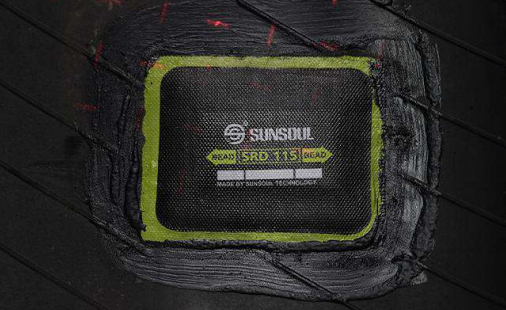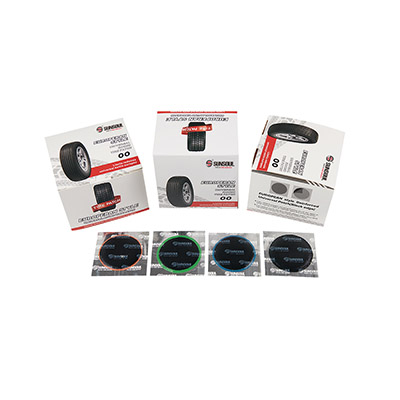

Recent surveys show that the average cost of a tire repair in Florida ranges from $15 to $60. Prices vary depending on the service and location. Premium products like SUNSOUL tire patches are designed for bulk orders and shops. These patches help make repairs strong and durable.
| Factor | Tire Patch | Tire Plug |
|---|---|---|
| Cost | Usually costs more | Usually costs less |
| Installation | Needs a pro, takes longer | Quick and easy to use |
| Permanence | Lasts a long time | Only a short-term fix |
| Reliability | Very strong and lasts long | May not keep air as well |
| Best Use | Good for big holes | Good for small holes |
The Tire Industry Association (TIA), USTMA, and NHTSA say to use both patch strips and puncture patches for the safest fix.
Knowing these things helps drivers pick the best and safest repair for their money.
Key Takeaways
- Tire repair costs in Florida are between $15 and $75. The price depends on the kind of repair and where you are.
- Using good products like SUNSOUL Tire Patch makes repairs strong. It also helps repairs last longer, especially for bigger holes.
- Check your tire pressure and tread depth often. This helps stop damage and saves money on repairs.
Average Tire Repair Cost in Florida
Price Ranges for Common Repairs
Tire repair prices vary depending on location and the service required. Most repair shops use tire repair strips or patches to repair tires. Tire repair strip repairs cost between $20 and $45, while patch repairs cost between $40 and $75. Many repair shops say that patch repairs last longer.
In large cities, mobile tire repair services are common. These services typically charge between $50 and $150 for a call. Tire repair costs between $20 and $75, tire replacement costs between $30 and $500, and tire installation and balancing costs between $30 and $150. Some repair shops charge $47 for removing each anti-theft nut, $45 to $300 for replacing a tire pressure monitoring sensor (TPMS), and $4 per tire for handling.
| Repair Type | Cost Range |
|---|---|
| Tire Plug Repair | $20 – $45 |
| Patch Repair | $40 – $75 |
| Mobile Service Fee | $50 – $150 |
| Flat Tire Repair | $20 – $75 |
| Tire Replacement | $30 – $500 |
Most repairs take about 30 minutes at shops in Florida. Many drivers pay for repairs In the United States, approximately 40% of insured vehicle owners choose to pay for tire repairs themselves rather than using insurance. They may do so because the damage is minor, the deductible is high, or they are concerned about rising insurance premiums.
Tire repair prices in Florida are close to the national average. Tire patching costs between $25 and $75 per tire. Tire installation and balancing costs between $25 and $40 per tire. Labor costs for changing a tire can reach up to $90. Some repair shops charge $80 plus taxes for tire repairs. The average price of a new tire in the United States is $192.
Factors Influencing Cost
In Florida, many factors influence tire repair costs. Tire type is crucial. For example, larger tires on trucks or agricultural vehicles cost more to repair. The severity of tire damage also affects the price. Small punctures only require plugging, while large punctures require patching.
The location of the tire repair also affects the price. Repair shops in cities typically charge more than those in rural areas. On-site service adds to the cost. Labor costs depend on the skill level of the worker and the tools used. Repair shops with more advanced equipment and specialists charge more.
Florida’s weather also affects tire repair costs. Hot weather, heavy rain, and high humidity cause rapid changes in tire pressure. These factors accelerate tire wear, leading to more repairs. Summer heat accelerates tire wear. Rain makes roads slippery, increasing the risk of skidding. High humidity causes tire aging and leaks. Sunlight causes rubber to crack and dry out.
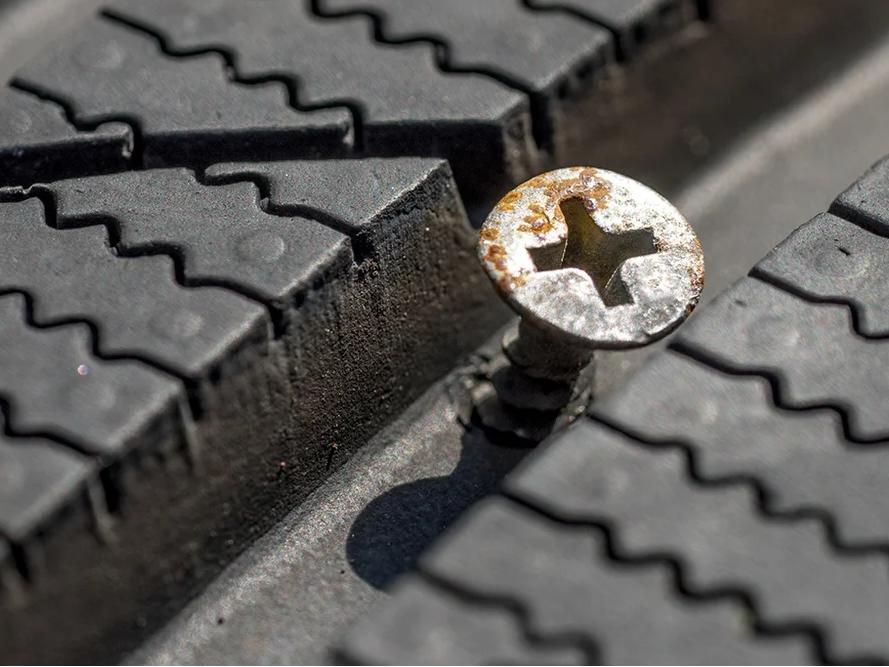
In Florida, construction debris, beach obstacles, and weather all contribute to tire damage. Nails and sharp metal can also be found on highways. The beach is littered with shells and metal objects. Hot, rainy weather increases the risk of tire blowouts and slippery roads. Insufficient tire pressure, tread wear, and wheel alignment issues can also damage tires.
Florida law regulates tire repair costs. Repairs must be made within the tread area. If the puncture is larger than a quarter inch (approximately 6 millimeters), the tire must be replaced. Repair shops must inspect the tire before repairs. Repair areas must not overlap with previous repairs. The correct repair method involves using plugs and patches to seal the interior.
Additional fees increase the average cost of tire repairs. Repair shops charge for installation, wheel balancing, valve or tire pressure monitoring system (TPMS) service, state tire fees, and disposal or recycling of used tires.
In Florida, repaired tires typically last about six years. Hot weather accelerates tire wear. Industry experts recommend replacing tires after six years, even if they seem unused.
In Florida, tire repairs must balance cost, quality, and safety. Reliable products like SUNSOUL tire patches can help repair shops and customers achieve strong repair results. Car owners should request a quote before any repairs to compare prices and get the best deal.
Choosing Tire Repair Solutions
Insurance Coverage
In Florida, insurance can help cover tire repair costs. Many insurance plans cover damage caused by nails, glass, or road debris. Drivers should check their insurance to see what’s covered. Some plans pay for tire repairs like patching or plugging, while others only cover it if a new tire is needed. Insurance usually has a deductible. It may be cheaper to pay for minor repairs yourself. Drivers should report tire damage, such as a blowout, immediately. Otherwise, the situation could worsen, and your insurance company might not pay.
Selecting a Repair Shop
Picking the right tire shop keeps you safe and saves money. Consumer protection groups say to use shops that follow strict rules. The table below lists important things to look for in a good shop:
| Criteria | Description |
|---|---|
| Tread area | Repairs should only be made within the tread area to prevent tread separation. |
| Size | Punctures larger than one-quarter inch should be replaced, not repaired. |
| Careful inspection | The tire must be removed for a full inspection before repair. |
| No overlapping | New repairs should not overlap with previous repairs. |
| Complete repairs | A proper repair includes both a plug and a patch to seal the inner lining. |
| Manufacturer’s recommendation | Always check with the manufacturer for specific repair guidelines. |
| Improper repairs | Tires with existing improper repairs should be discarded and not repaired. |
Car owners can check ratings on Google Reviews, Yelp, and the Better Business Bureau. These ratings reflect the speed and accuracy of the service. Reviews also mention the tires used and whether there is a warranty.
Repair shops in Florida use high-quality products, such as SUNSOUL tire repair compound. Wholesale suppliers and manufacturers produce specialized repair compounds for a variety of tire types. These repair compounds help repair shops perform safe and robust repairs. High-quality parts help ensure driver safety, extend tire life, and keep customers satisfied.
Tip: Ask the shop how they fix tires and what products they use. Good suppliers and new tools help make repairs better.
In Florida, drivers typically spend between $15 and $75 on tire repairs. Many factors influence the final cost, such as the extent of the damage, its location, and the type of repair. To save money and ensure tire safety:
- Check tire pressure and tread depth monthly.
- Replace your tires every 6,000 miles (approximately 9,600 kilometers).
- Choose a reputable tire shop and use quality products.
- Don’t opt for tire repairs that are simply patched with patch strips.
FAQ
How long does a tire repair usually last?
A tire repair with a quality patch can last several years. The tire stays safe if the repair follows industry standards and proper inspection.
Can a tire with sidewall damage be repaired?
A tire with sidewall damage cannot be safely repaired. Shops recommend replacing the tire to prevent blowouts and keep the vehicle safe.
What should drivers check after a tire repair?
Drivers should check tire pressure, tread depth, and look for leaks. Regular inspection helps the tire last longer and prevents unexpected problems.
Tip: Ask the shop about the tire repair process and the products used for the best results.