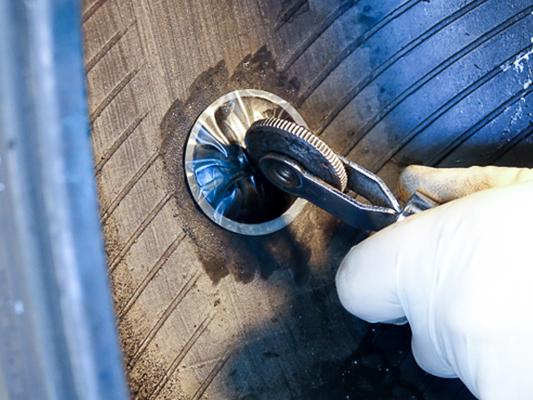
Are slime plugs self-vulcanizing?
Self-adhesive tire plugs are self-curing. Chemically cured tire patches are used to bond with tire materials through a chemical reaction. Understanding the principle


Self-adhesive tire plugs are self-curing. Chemically cured tire patches are used to bond with tire materials through a chemical reaction. Understanding the principle

Tire vulcanization repair uses heat and chemicals to bond a patch to a damaged tire. This method creates a strong seal by

Vulcanizing inner tube patches work by chemically fusing the patch and tube into one piece of rubber. This molecular bond creates a permanent, airtight repair.
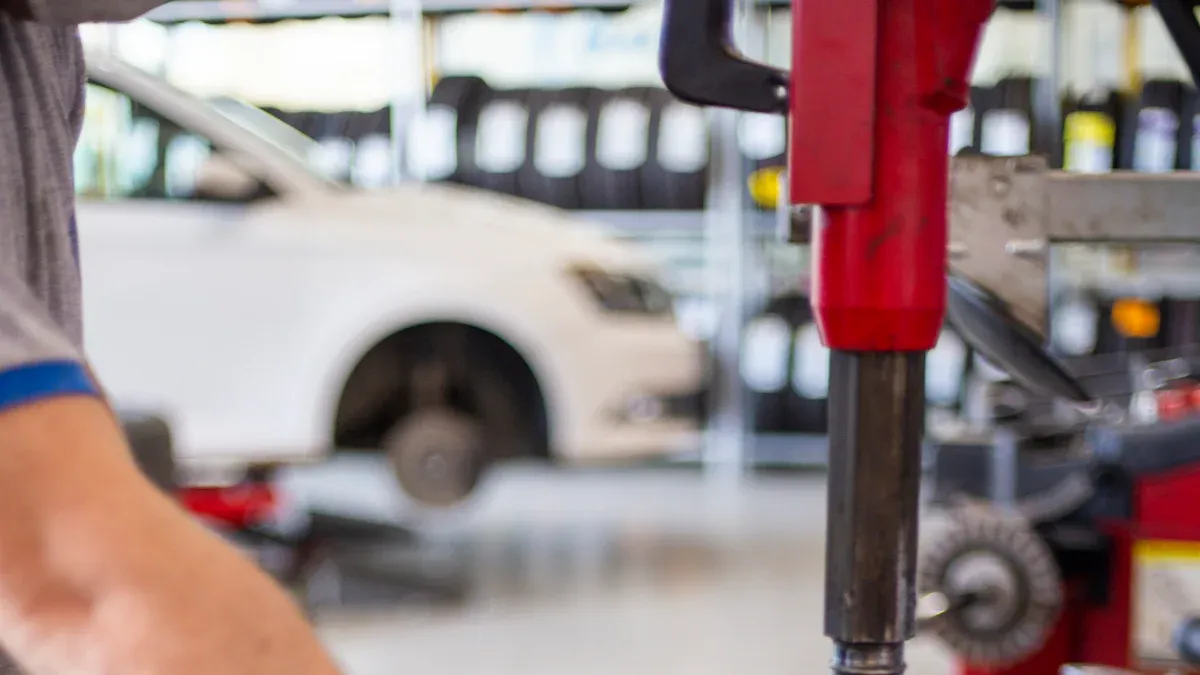
Hot patch tire repairs use heat for a strong bond, while cold patch tire patch methods rely on adhesives for quick, convenient fixes.
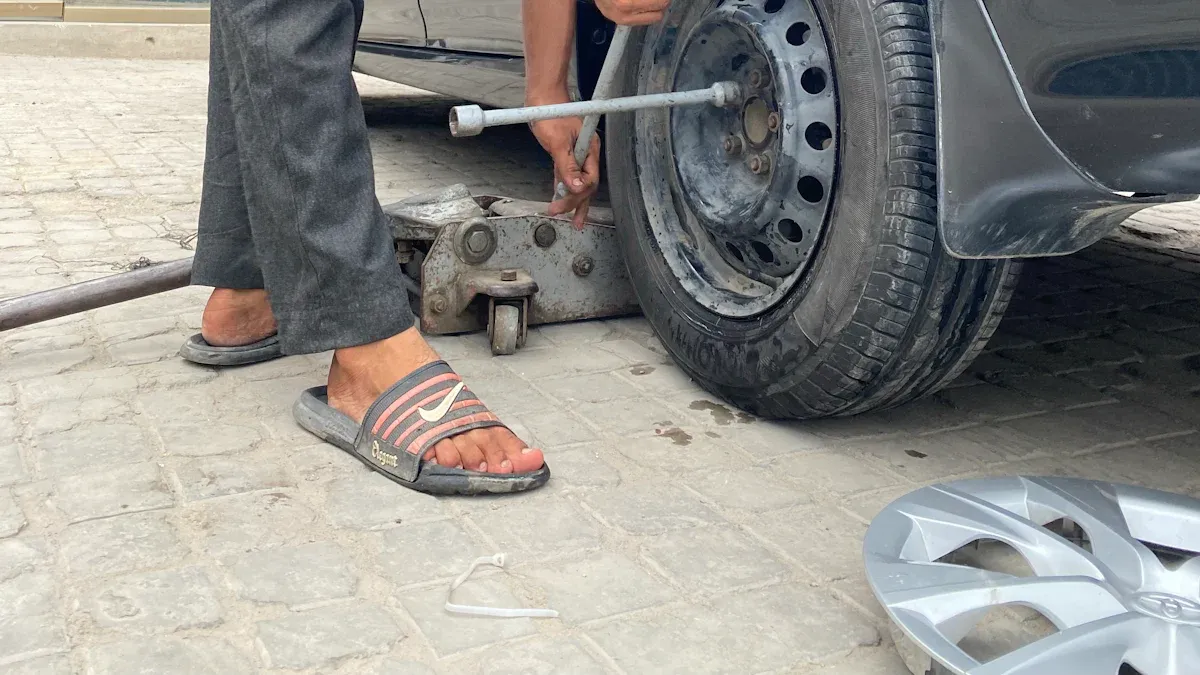
A vulcanizing rubber patch creates a strong, durable bond by chemically fusing to the tire. Sulfur forms cross-links between the patch and tire’s polymer chains.
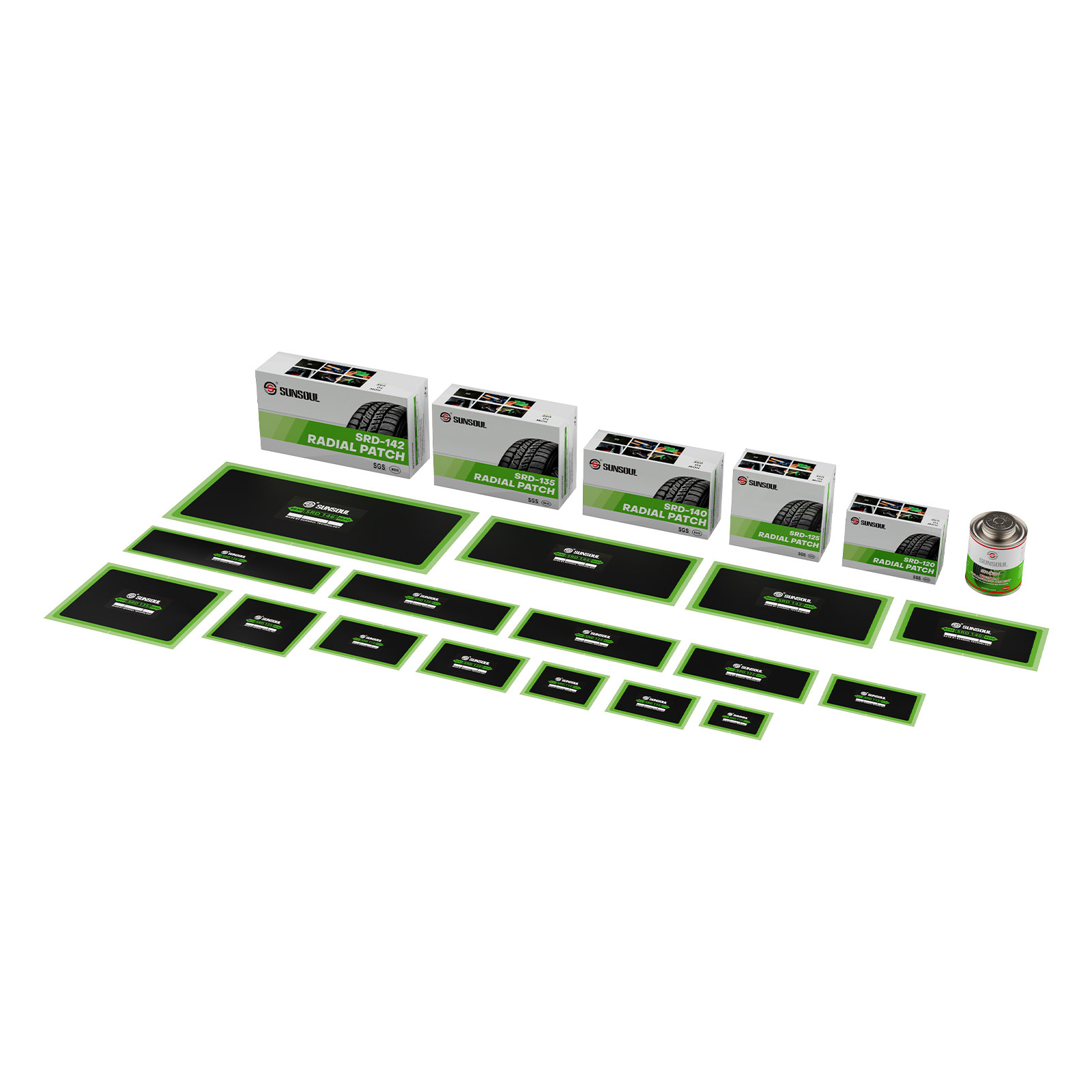
Radial tires require a special radial tire patch for safe, lasting repairs due to their unique construction. Standard patches may not provide proper sealing.
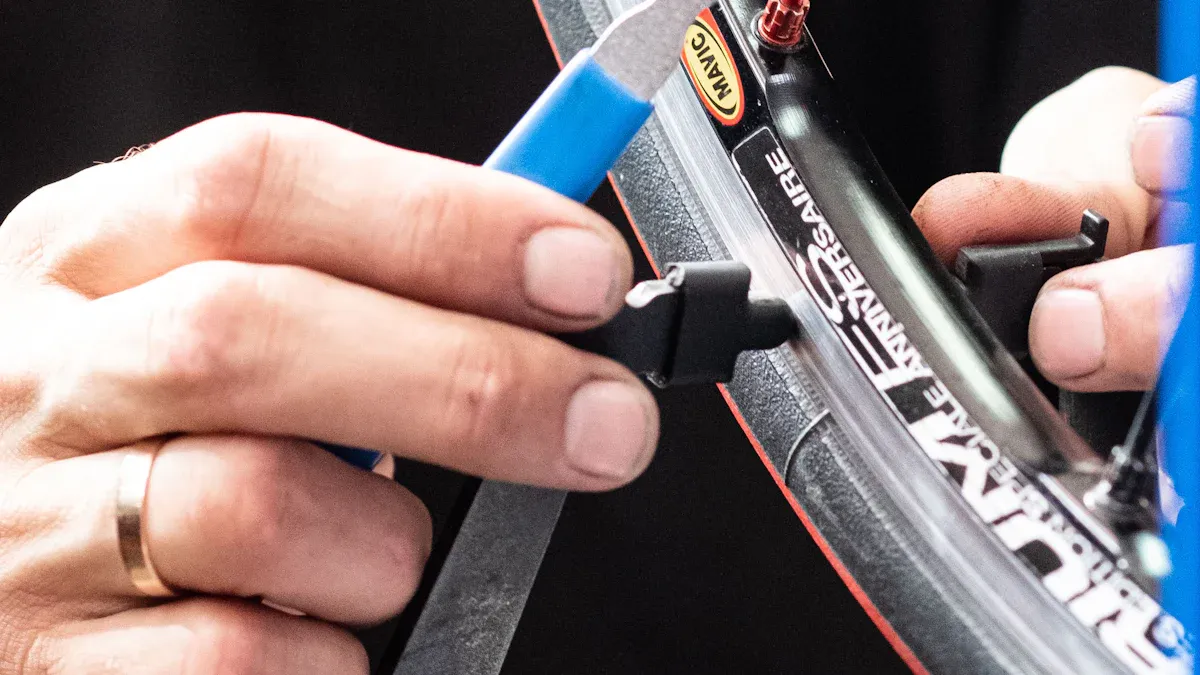
A vulcanizing bike tire patch works by using a chemical reaction, not glue, to permanently fix a flat. The cement initiates a process that creates new molecular bonds, fusing the patch and tube into one seamless piece of rubber for a durable repair.
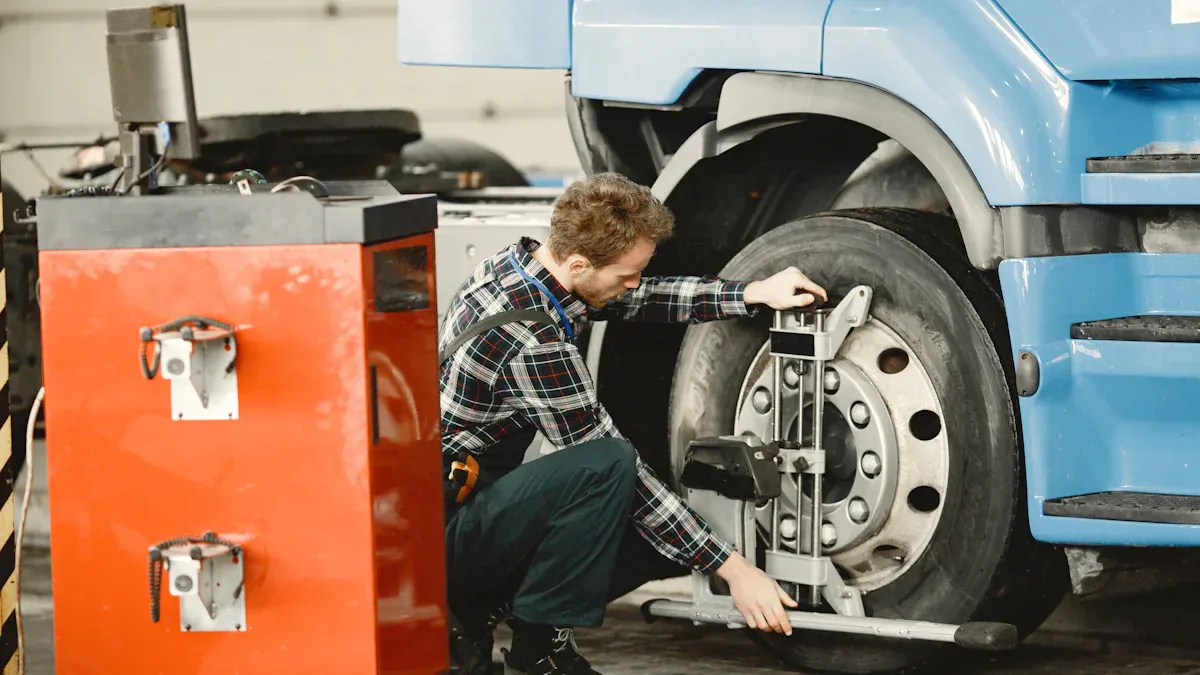
An extra large tire plug provides a stronger, more durable repair for big punctures. It ensures complete coverage and superior air retention for heavy-duty tires.
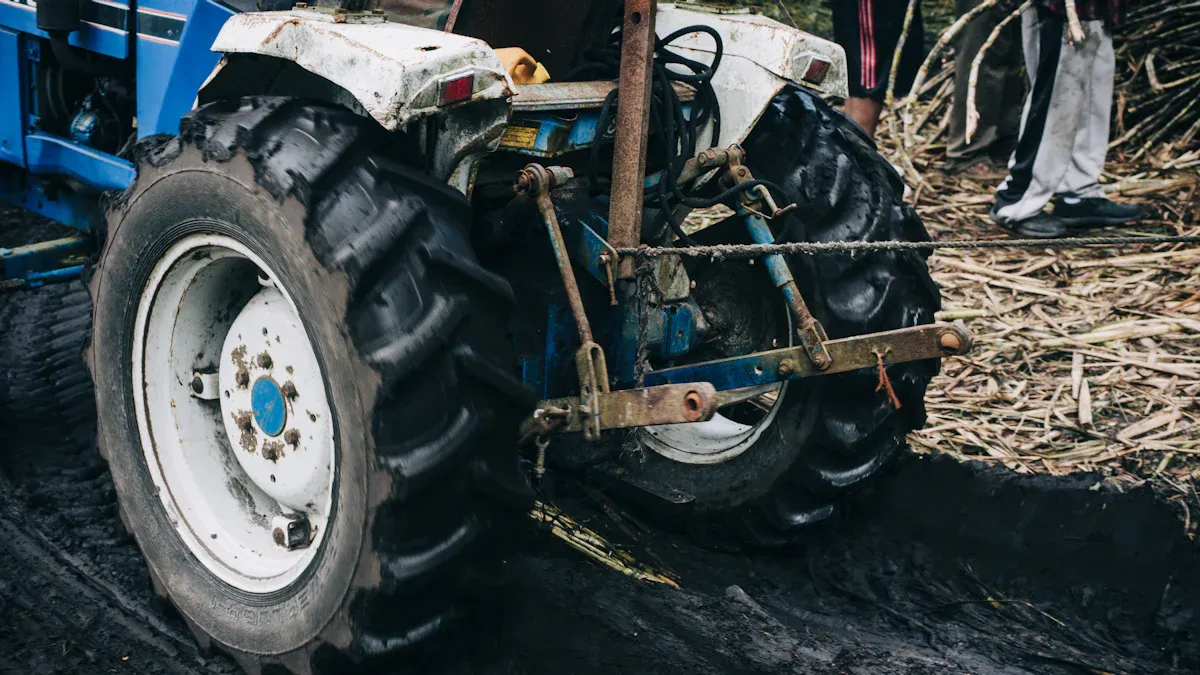
A tractor tire boot patch is a reinforced, multi-layered patch used to permanently repair large punctures from inside the tire, restoring its structural integrity.