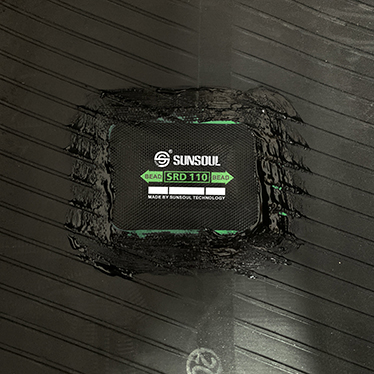
What is the difference between bias and radial patches?
The difference between bias-ply and radial patches lies in their manufacturing process and the types of tires they are suitable


The difference between bias-ply and radial patches lies in their manufacturing process and the types of tires they are suitable
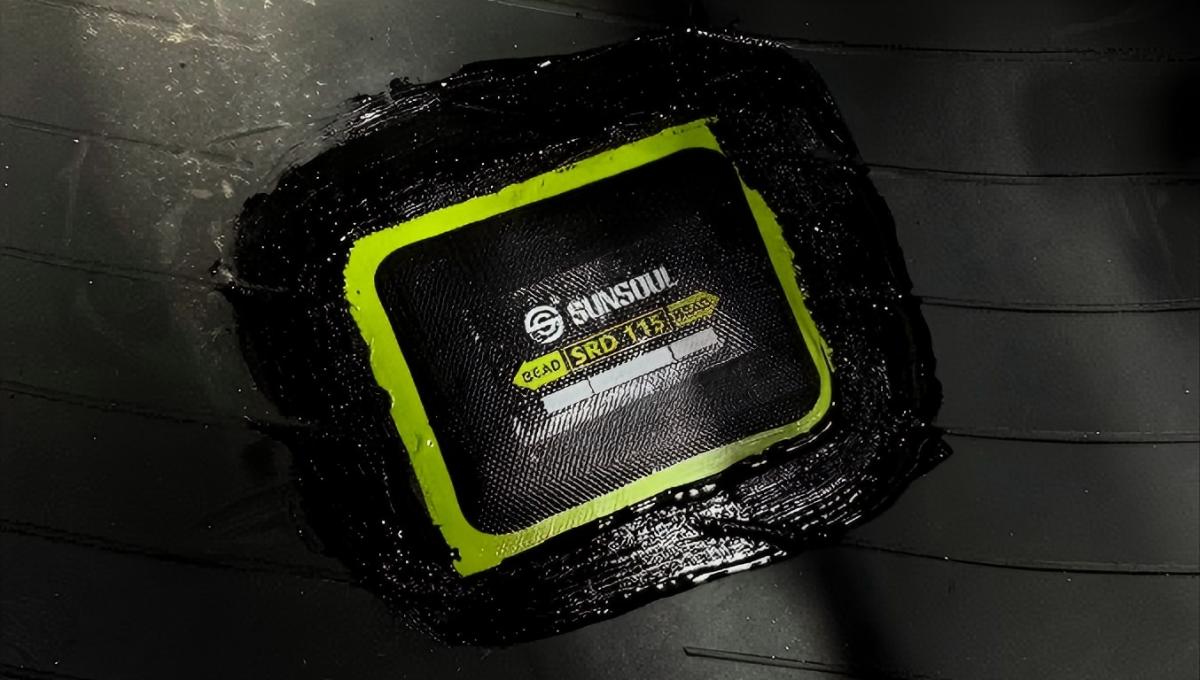
Self-vulcanizing tire patches bond to the tire through a chemical reaction, offering a robust and reliable repair method. Unlike traditional
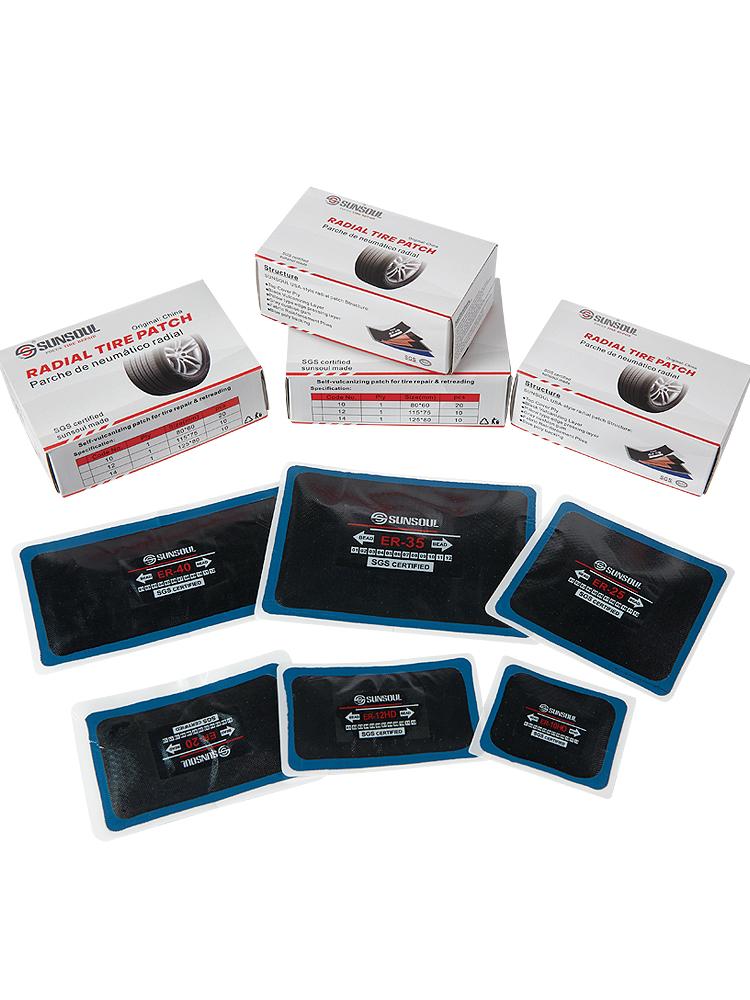
You need to choose between rubber cement and vulcanizing cement based on the specific application. Rubber cement is suitable for
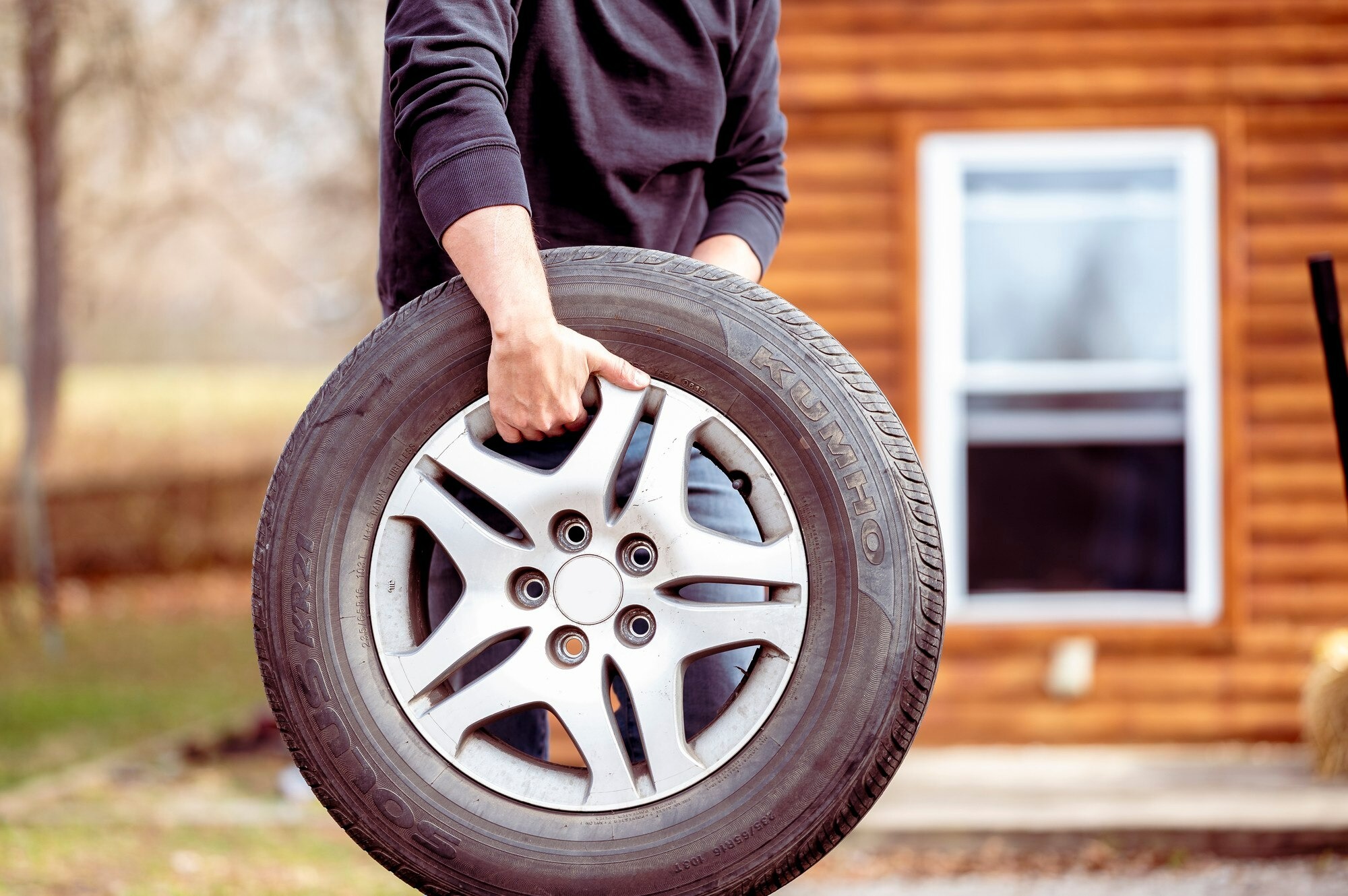
A driver can fix a tubeless car tire with the cold patch repair method. Sunsoul tire patches feature strong adhesion
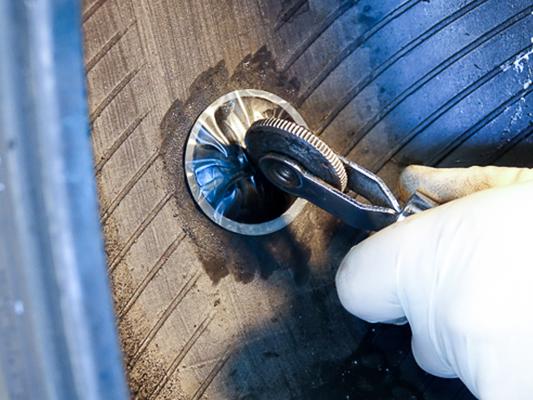
Industry guidelines specify that the maximum repairable puncture size for passenger car and light truck tires is 1/4 inch, while
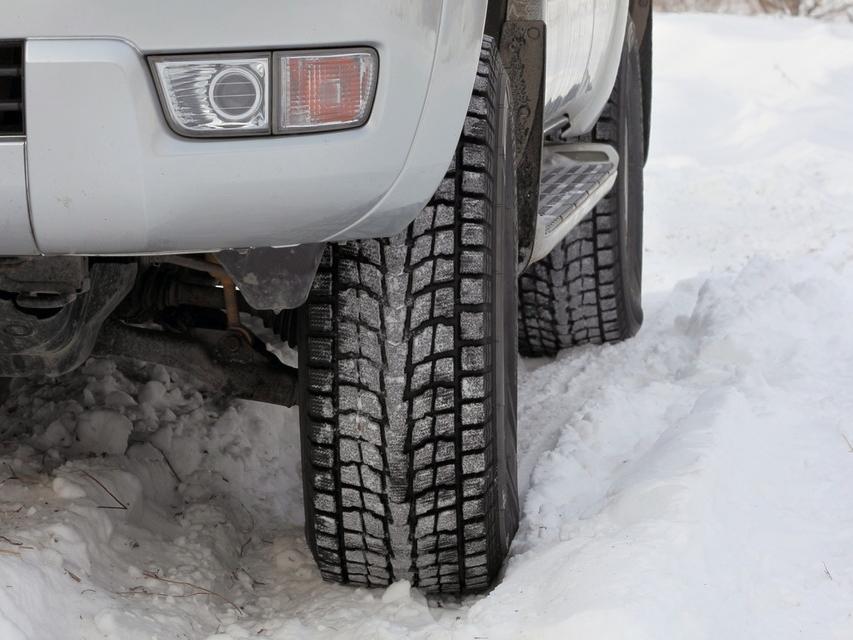
Today, sustainability is paramount for businesses. Companies prioritize tire safety to ensure fleet safety and mitigate risk. Environmentally friendly tire
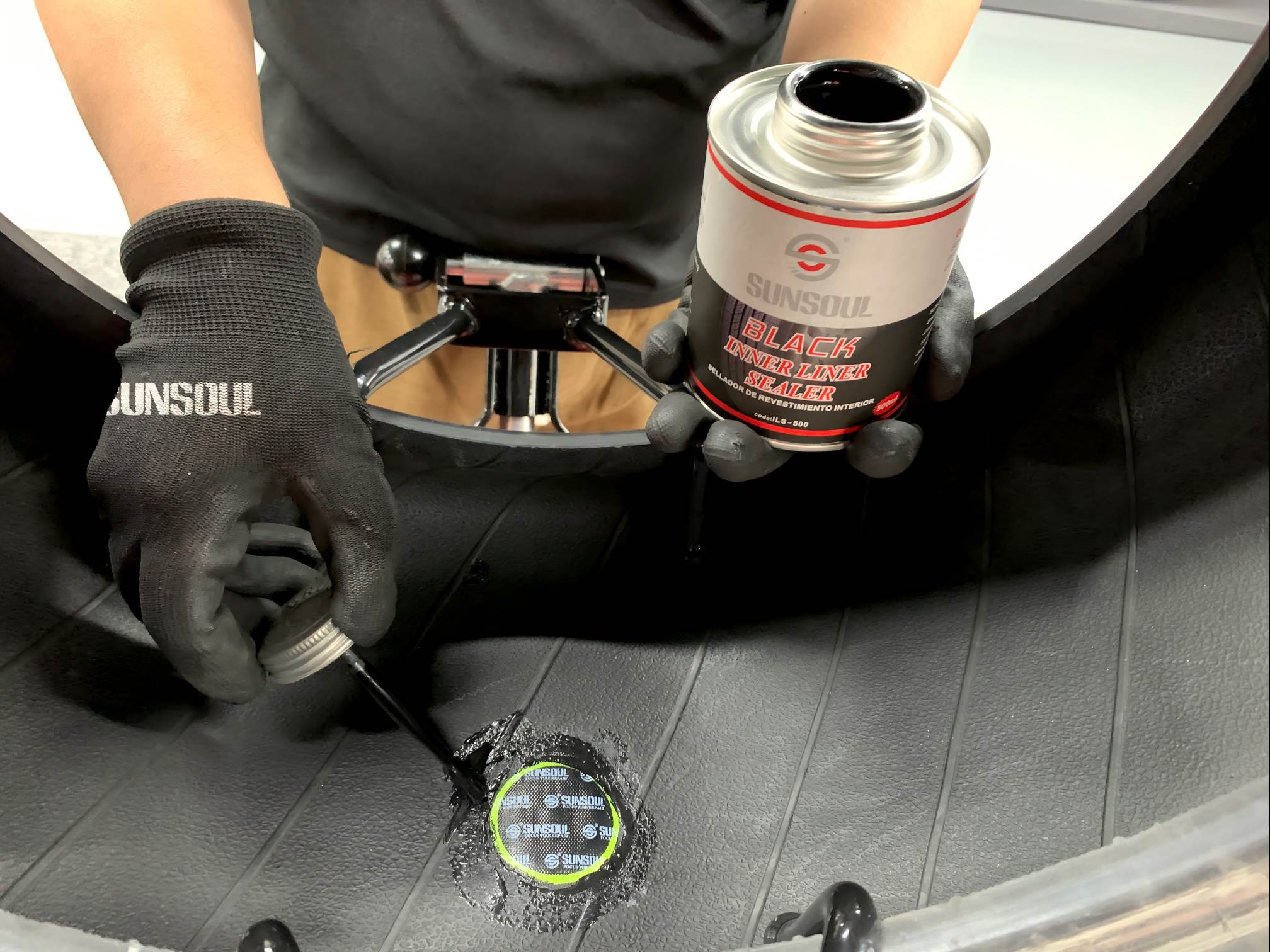
Hot-pressed tire patches use heat or chemical curing technology to seal punctures inside tires. This method creates a strong bond
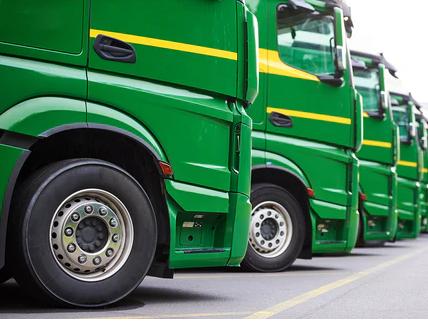
Truck tire repairs must adhere to regulations to ensure personnel safety. Regulations state that punctures in the tire tread smaller
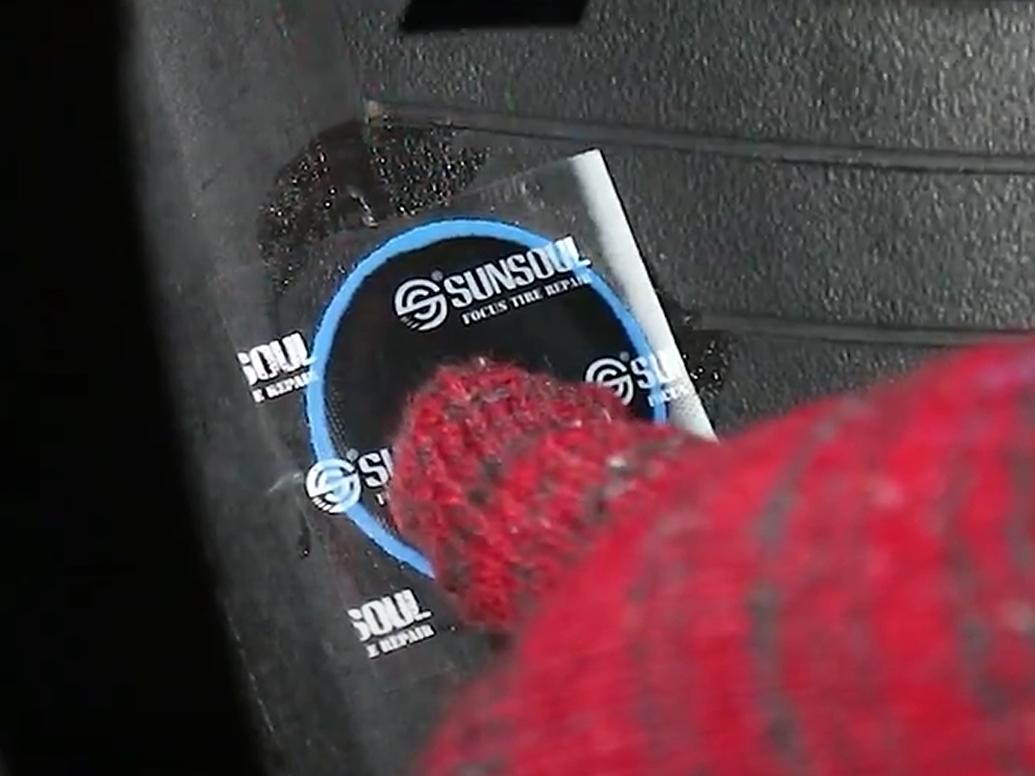
Tire patches can repair punctures no wider than one-quarter of an inch. Experts agree that performing repairs within this size