
If a tire has a serious structural problem, it cannot be repaired—even with a standard tire patch or a specialized tubeless tire patch. Impact cracks and bulges are the most common types of damage that cannot be safely repaired. An impact crack is caused by hitting a hard object, which damages the tire’s internal structure. A bulge means that the internal cords have broken, creating a dangerous weak point. Knowing when not to repair a tire can protect the driver and passengers from injury in the event of a sudden tire blowout.
Key Takeaways
- Tires with damage to the sidewall or shoulder should not be repaired. These areas are crucial to the tire’s strength and safety.
- Bugs larger than 1/4 inch (approximately 0.6 cm) in diameter should not be repaired. If the puncture is large, it is best to replace the tire for safety.
- Multiple closely spaced punctures reduce tire strength. If a tire has multiple adjacent punctures, it is better to replace the tire than to repair it.
- Improper repairs can make a tire unsafe. If a tire has been improperly repaired before, do not attempt to repair it again.
- Have a professional inspect your tires. An expert can identify hidden problems and advise you on whether to repair or replace the tire.
Tire Damage: Not Patchable

Sidewall and Shoulder Damage
Tires are composed of different parts, each serving a different function. The sidewall and shoulder help maintain the tire’s strength and absorb bumps. If these parts are damaged, the tire will no longer be safe. Tire manufacturers advise against repairing damage to the sidewall or shoulder. They also advise against repairing areas that have previously been repaired.
| Feature | Purpose |
|---|---|
| Flexibility | Helps absorb shocks from bumps, potholes, and uneven roads. |
| Structural Support | Keeps the tire’s shape when driving fast or under pressure. |
| Protection | Guards the inside of the tire from things that can hurt it. |
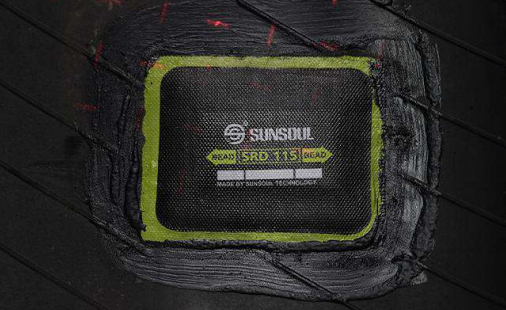
If the sidewall or shoulder is hurt, the tire cannot protect or hold up the car well. No patch can make these parts strong again. SUNSOUL Tire Patch works for small holes in the tread, but not for sidewall or shoulder damage.
Large Punctures Over 1/4 Inch
Bugs larger than 1/4 inch cannot be safely repaired. Tire experts and manufacturers state that the largest repairable puncture hole size is 1/4 inch, or 6 millimeters. Larger holes reduce tire strength.
- The largest repairable puncture hole size is 1/4 inch (6 millimeters).
- Tire manufacturers state that holes smaller than 6 millimeters can be repaired.
- A hole larger than 1/4 inch means you need to replace the tire.
| Evidence Description | Safety Hazard Description |
|---|---|
| Holes over 1/4 inch in the tread mean you need a new tire. | The tire is not strong enough anymore. |
| Big holes make the tire weak and are usually not fixable. | The tire could fail or blow out. |
| If a tire needs more than two fixes, it is safer to get a new one. | The tire could blow out because it is too weak. |
| A trained worker should check the tread and hole size. | This keeps you safe and stops unsafe repairs. |
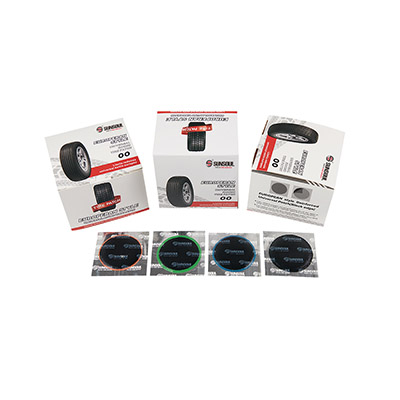
SUNSOUL tire patches are best suited for repairing smaller puncture holes. Even with patches, larger puncture holes make the tire unsafe.
Multiple Close Punctures
Sometimes tires develop more than one puncture. If the punctures are close together, the tire’s strength decreases. Tire safety experts point out:
Multiple punctures close together reduce tire strength. Each puncture damages the inner ply layers, making the tire less able to bear weight. Repairing multiple close-knit punctures will not restore the tire’s strength. Close-knit punctures can also cause leaks and uneven tire pressure. Multiple weak points in the tire will affect driving performance. Tire mechanics usually recommend replacing the tire rather than repairing it.
- Multiple close-knit punctures increase the risk of a tire blowout.
- Each repair slightly reduces tire strength.
- Repair points should not be close together, otherwise, tire strength will be significantly reduced.
- If a tire needs to be repaired more than twice, it is best to replace it with a new tire.
Tires with multiple close-knit punctures cannot be safely repaired. SUNSOUL tire repair compound is not suitable for such tires.
Previous Improper Repairs
Incorrect repairs can make tires unsafe. If someone uses the wrong methods or tools, the tire may not be able to maintain its air pressure or strength. The following problems may occur:
- Incorrect repairs can reduce vehicle safety and may lead to accidents.
- If an accident occurs due to an incorrect repair, you may face legal liability.
- Improper tire repair may result in leaks, increased fuel consumption, and the need for more repairs.
- Using the wrong tools can damage the tire and increase the risk of a blowout.
- Incorrect tire pressure can make the vehicle difficult to drive and cause uneven tire wear.
| Improper Repair Type | Description |
|---|---|
| Puncture Repair | If a hole is not patched on the inside and fixed with the right rubber on the outside, it is a bad repair. |
| Temporary Sealant Use | Using sealant all the time is not allowed; it is only for a short time and must be followed by a real fix. |
If a tire was fixed the wrong way before, it should not be patched again. SUNSOUL Tire Patch is for tires that have not had bad repairs.
Tires with sidewall or shoulder damage, big holes, many close holes, or bad repairs cannot be patched. Drivers should always check these things before fixing a tire.
Tires Cannot Be Patched
Some tires cannot be repaired even with the best tire repair products. Drivers should be aware of which tires are unrepairable to ensure safety. These tires may be unrepairable due to their manufacturing process or their inherent condition.
Run-Flat Tires
Run-flat tires allow a vehicle to continue driving for a distance after a puncture. These tires have strong sidewalls and special internal components. If a run-flat tire leaks air, some of these internal, less visible components may be damaged. Most experts and manufacturers recommend against repairing run-flat tires if driving continues after a puncture. Risks include:
- Damage inside the tire that is not visible to the naked eye
- Safety hazards such as a blowout or loss of control
- Manufacturers recommend against repairing run-flat tires with low pressure or when completely flat.
Many manufacturers advise against repairing run-flat tires that have been driven on low-pressure tires. Even short-term driving makes repair unsafe.
SUNSOUL Tire Patch is made for regular tires with damage that can be fixed, not for run-flat tires.
Worn-Out Tread (2/32 Inch or Less)
Tires cannot be repaired if the tread is worn to 2/32 inch (approximately 1.6 mm) or less. This is the minimum tread wear allowed in many places. Worn tread means insufficient tire grip and may conceal internal damage. Repairing such tires is unsafe. Risks include:
- Damage inside the tire that is not visible to the naked eye
- A higher risk of tire blowout
Tires cannot be patched if the tread is too low. SUNSOUL Tire Patch works best on tires with enough tread for safe driving.
Structural or Airless Tires
Some tires feature new designs, such as pneumatic or non-pneumatic tires. These tires do not require air to maintain their shape. They use solid components or flexible spokes. You cannot repair these tires like you would a regular tire. The reasons are as follows:
- Airless tires have no air inside.
- They maintain their strength in a different way.
- Conventional repair methods are not suitable for these tires.
If a tire is airless or has a special design that does not use air, it cannot be repaired. SUNSOUL tire repair compound is suitable for regular tires that use air and can be safely repaired.
Before attempting to repair a tire, always check its type and condition. Some tires cannot be repaired, and incorrect repair methods can lead to unsafe driving.
Why Some Tires Cannot Be Patched
Safety Risks
Repairing tires that shouldn’t be repaired can cause serious problems. Many dangers can occur if you use the wrong tools or skip steps. The following table lists some of the main risks:
| Safety Risk | Description |
|---|---|
| Improper Sealing of the Tire | You need special tools to seal a tire right. Without them, air can leak and cause more problems. |
| Structural Damage From Improvised Tools | Using homemade tools can poke holes or make the tire weak. This can lead to blowouts. |
| Incorrect Tire Pressure | Fixing tires yourself can mean the air is not right. This can make the car hard to control and too hot. |
| Poor Alignment After Repairs | Not balancing or aligning the tire can wear it out unevenly. It also makes driving less safe. |
| Potential Liability | Bad repairs can cause crashes and legal trouble. You could get sued if someone gets hurt. |
These dangers show why safety is most important. Drivers should always check if a tire can be patched before trying to fix it.
Repair Limitations
Some tire damage cannot be repaired by patching. Some rules prevent certain repairs from being performed. Here are the main reasons:
- Patching can only be done on the crown area of the tire.
- The maximum puncture size for fabric-ply passenger car or light truck tires is 1/4 inch (6 mm).
- Steel-belted, medium, and heavy-duty truck tires can only be repaired when the puncture size is 3/8 inch (10 mm) or smaller.
If the damage exceeds these limits, the tire cannot be safely repaired. These regulations help ensure driver safety on the road.
Manufacturer Guidelines
Tire manufacturers have established guidelines regarding which damage can be repaired and which cannot. The table below lists common damage types and whether they are repairable:
| Damage Type/Condition | Repairability |
|---|---|
| Punctures in shoulder or sidewall | Not repairable |
| Overlapping injuries | Not repairable |
| Tread puncture larger than ¼-inch | Not repairable |
| Worn to treadwear indicators (2/32-inch) | Not repairable |
| Specific tire types or conditions | Depends on manufacturer guidelines |
Manufacturers want drivers to be safe. They do not let you fix tires with sidewall damage, big holes, or worn-out tread. Drivers should always follow these rules to avoid accidents.
What to Do With an Unpatchable Flat Tire
Replacement Options
If a flat tire cannot be patched, you need a new tire. Many tire shops can help with this. They look at your tires and help you pick a new one. Some shops will check your tire for free to see if it can be fixed or must be replaced.
| Service Type | Description |
|---|---|
| Tire Replacement | If a tire is damaged too much, it should be replaced. Les Schwab can do this for you. |
| Free Visual Inspections | You can get a free check to see if your tire can be fixed or needs a new one. |
Do not use tire sealant for a long time. Tire sealant only works for small holes. It is not safe for big damage or sidewall problems. If your flat tire cannot be patched, getting a new tire is the safest thing to do.
Safety Advice
Safety is most important with a flat tire. Never drive far on a flat tire. This can hurt the tire more and make your car unsafe. Tire sealant can help in an emergency, but it does not fix every problem. Always check your tire for damage before using tire sealant. If your tire has sidewall damage, big holes, or worn-out tread, tire sealant will not work.
Tip: Always check your tire pressure and tread before you drive. Change tires that are damaged or worn out.
SUNSOUL gives help after you buy and has a service team around the world. Their team helps you find the best way to fix a flat tire.
When to Consult a Professional
Tire experts say you should ask a pro if you are not sure about fixing a flat tire. Professionals can find hidden problems and tell you if you need a new tire. They use special tools to check tires and keep your car safe.
Get help if you see bulges, cracks, or bad old repairs. Do not use tire sealant if your tire has serious damage. A professional can give you advice and help you pick the right tire.
Note: Getting advice from a pro keeps you and others safe. It helps stop accidents from unsafe tires.
Drivers can get hurt if they try to patch tires with sidewall damage, big holes, or worn-out tread. Checking your tires often helps stop damage you cannot fix.
- Holes in the middle of the tread can usually be fixed.
- Holes in the sidewall or big holes are not safe to fix.
- Tires with many fixes or worn-out tread should be replaced.
Good products like SUNSOUL Tire Patch follow tough rules and make strong repairs for tires that can be fixed. Tire experts say you should act fast and get help from a pro to stay safe on the road.
FAQ
What types of tire damage can SUNSOUL tire patches repair?
SUNSOUL tire patches can repair small punctures in the tire tread. They are not suitable for tires with sidewall damage, large punctures, or severe tread wear. Always check your tire condition before using any patch.
Can a tire bulge be repaired?
A tire bulge cannot be repaired. A bulge indicates a break in the internal cords. This damage makes the tire unsafe. Replacing the tire is the only safe option.
Is tire sealant suitable for all leaking tires?
Tire sealant can only temporarily repair small punctures in the tire tread. It cannot repair sidewall damage, large punctures, or structural problems. Drivers should take their tires to a professional repair shop for a full inspection.
How can I determine if a tire is worn beyond repair?
If the tread depth is less than or equal to 2/32 inch (approximately 1.6 mm), the tire is worn beyond repair. Using a tread depth gauge or a coin test can help check the tread depth. Worn tires should be replaced.
Should tires always be inspected by a professional before repair?
Tires should always be inspected by professionals. They can detect hidden damage and determine whether a tire can be safely repaired or needs to be replaced. This ensures the driver’s road safety.