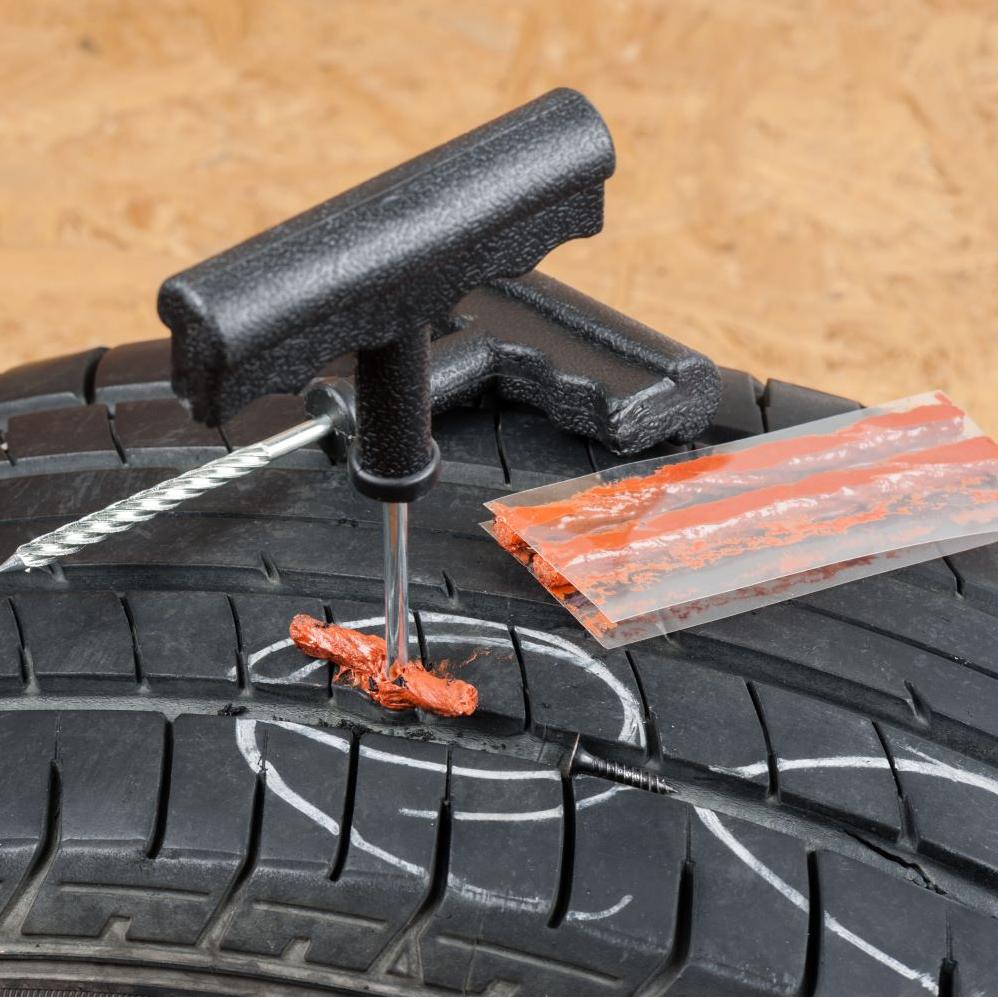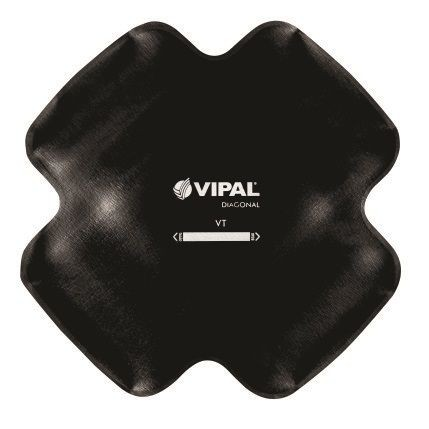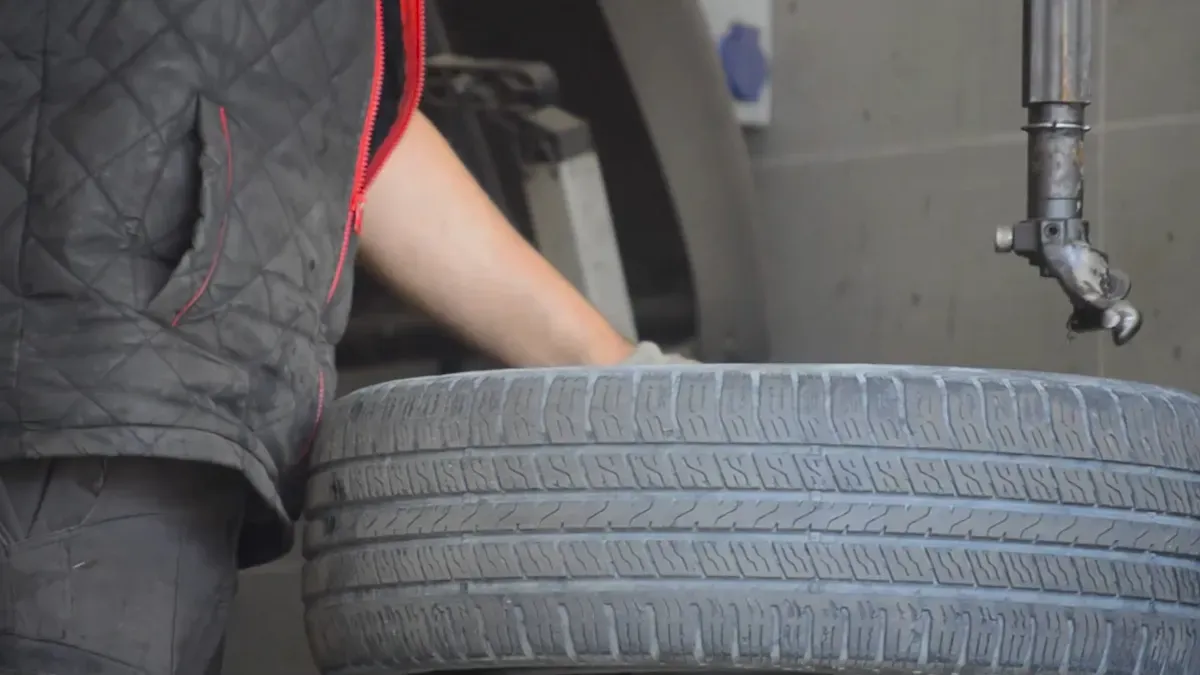


Yes, you can use tire patch to repair a tubeless tire. Many people use different methods to repair tires. Some use tire patching tools, sealant, or inner patches. Please see the table below for common repair methods:
| Repair Method | Description |
|---|---|
| Plug kits | Work well for many holes in the tread |
| Internal patches | Work better but you must take off the tire |
| Sealant | Good for small holes, not as good for big cuts |
For larger holes, tire patching is the best option if sealant cannot repair a tubeless bicycle tire. SUNSOUL tire patch is a great way to repair tubeless tires and help you get back on the road quickly.
Key Takeaways
- You can use SUNSOUL tire patch to repair a tubeless tire. For larger holes, tire patch works well if sealant is ineffective.
- Before using the tire patch, clean and prepare the area around the hole. This helps the patch adhere better.
- Regularly check the tire pressure and for leaks after repair. This ensures your safety and helps the tire function properly.
Tubeless Tyre Repair Basics
How Tubeless Tyres Work
Tubeless tires are used on cars, bicycles, and mountain bikes. These tires have a tight seal between the tire and the rim, without an inner tube, so air always remains inside the tire. If the tire is punctured, air leaks out slowly. This makes repairs safer and easier to locate the problem. Many people want to know how to install tubeless tires and how they differ from other tires.
Applying a patch inside a tire is a relatively complex task. You must first remove the tire from the rim. Thoroughly clean the area around the puncture and lightly scrape it to roughen the surface, which helps the patch adhere better. Apply special adhesive to the cleaned tire and patch. The patch is made of strong rubber, sometimes with fabric, and has adhesive on the back. Press the patch into the inside of the tire, covering the puncture from the inside.
Common Causes of Flats
Tubeless tires can be punctured for a variety of reasons. Sharp objects, such as nails or glass, can puncture the tire. Sometimes, rough roads or hitting a curb can cause a tire to puncture. Sealant can repair small holes, but larger holes require more professional work. Anyone who frequently repairs cars on mountain roads knows that using the right tools makes repairing a tubeless tire blowout much easier.
Can You Fix a Tubeless Flat?
Yes, tubeless tires can be repaired. Many people use tubeless tire patch panels or tire repair strips to repair blowouts. The following table briefly compares tubeless and tubed tires:
| Tyre Type | Repairability Features |
|---|---|
| Tube-Type Tyres | Easier to fix far from home; get holes more often. |
| Tubeless Tyres | Easier to fix on the spot; air leaks out slowly if punctured. |
Repairs to tubeless tires can last as long as the tire itself. Using patch panels is safer than using sealant alone. SUNSOUL patch panels are a reliable choice. They are sticky, easy to use, and used worldwide.
Tools for Repairing a Tubeless Tyre
Essential Tools and Materials
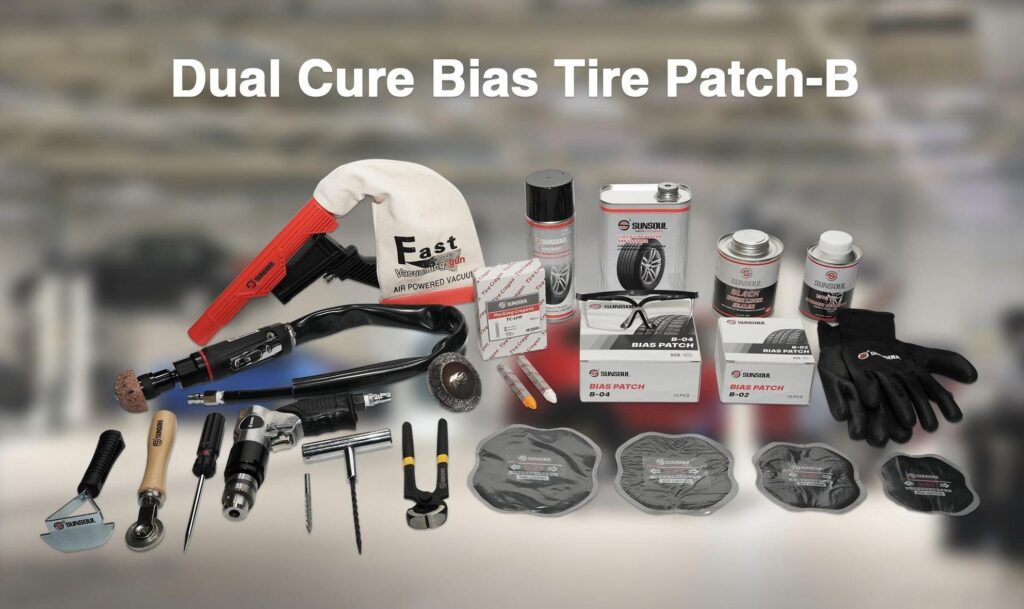
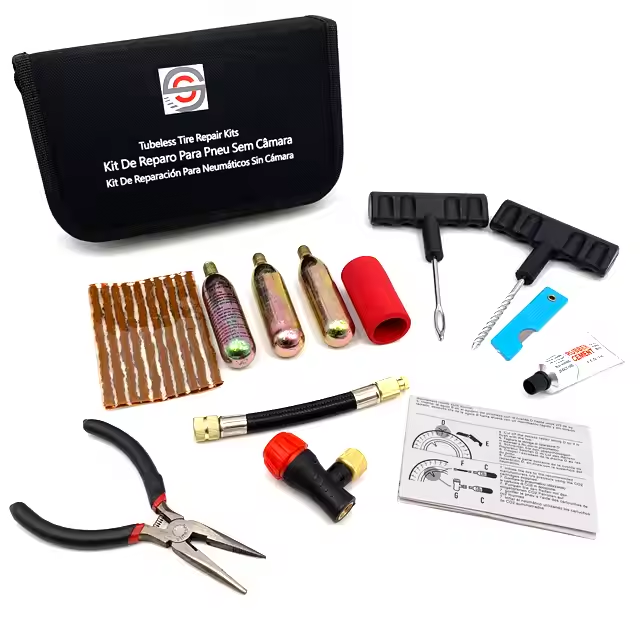
Repairing a tubeless tire requires the right tools. These tools can help you repair your tire quickly and safely. Here are some commonly used tools:
- SUNSOUL tire repair compound or a good repair kit
- Pliers, for removing sharp objects from the tire
- Grinding tool, for cleaning around the puncture
- Patch strip, for sealing the puncture
- Patch strip piercing tool, for inserting the patch strip into the tire
- Knife or blade, for cutting off excess patch strip
- Curved needle and thread, for larger cuts
- Old tire sidewall fragments, for larger cuts
- Valve core removal tool, for removing the valve core
- High-capacity air pump, for inflating the tire
- Tire plug, for sealing the puncture
- Cleaning supplies, for wiping away dirt and sealant
Some people use pressure sealant to repair smaller punctures. Sealant is suitable for repairing small leaks. Larger holes require patch strips or plugs. A good tubeless tire system can make tire repair easier and faster.
Choosing the Right Tire Patch
SUNSOUL has chemical cure and dual cure patches. Each patch type has its own good points. The table below shows how they are different:
| Feature | Chemical Cure Patches | Dual Cure Patches |
|---|---|---|
| Curing Process | Uses only chemicals | Uses chemicals and heat |
| Bonding Speed | Slower bonding time | Bonds faster (5 to 15 minutes) |
| Durability | May not last in tough conditions | Lasts longer, tested for many conditions |
| Application | Needs special tools | Can be used at home or in shops |
| Safety Standards | May not meet all world safety rules | Meets world safety rules |
A dual cure patch works well for hard jobs and lasts longer. Many people trust these patches to fix their tires.
How to Fix a Tubeless Flat Tire: Step-by-Step
Repairing a tubeless tire may seem tricky, but with the right tools and clear steps, anyone can do it. SUNSOUL tire sealant makes the repair process easier and safer. Let’s repair a tubeless bicycle tire step by step and get back on the road.
Remove and Inspect the Tire
First, remove the wheel from the bicycle or vehicle. Lay it flat for a clear view of the tire. Rotate the tire and listen for any hissing or squeaking sounds. If using water, check for air bubbles. Locate the puncture and check for sharp objects such as nails or glass. Use pliers or tweezers to remove any foreign objects stuck in the tire. Sometimes, leaving foreign objects in the tire temporarily can help reduce the leak until you are ready to repair the tubeless tire.
Tip: Always check the rim and tire for extra damage. If the tire is not seated on the rim, reseat it before moving forward.
Clean and Prepare the Area
Once you have located the puncture, clean the inside of the tire. Wipe away dirt, old sealant, and debris. Roughen the surface around the puncture using a sander or round file. This step helps the patch adhere better. If you intend to plug the hole, use a hole widening tool to clean the hole for a stronger bond. For larger cuts, some people use a bent needle and thread, or a piece of old tire sidewall.
Safety Alert: Wear gloves to protect your hands from sharp objects and chemicals. Avoid breathing in dust from the tire.
Apply the Patch Inside the Tire
Now it’s time to patch the tubeless tire. SUNSOUL tire patches have a split backing for easy tearing and application. Apply the patch to the puncture site on the inside of the tire. Press firmly to ensure a strong bond.
If you need to plug the hole, insert a plug through an insert tool. Push it into the puncture and quickly pull the tool out, leaving the plug in place. Trim off any excess plug material with a knife or blade. Rotate the wheel to help sealant cover the area around the plug.
Note: Don’t push the plug all the way into the tire. Leave a small piece sticking out so it stays in place during rides.
Reassemble and Test
After repairing the tubeless tire, reinstall it on the rim. Inflate the tire to the correct pressure using a high-flow air pump. Spin the wheel at high speed to distribute the sealant evenly and fill any small holes around the patch. Check for leaks by listening or using soapy water. Injecting pressurized sealant helps seal even tiny leaks. Reinstall the wheel and perform a short ride test.
Common Mistake: Forgetting to trim excess plug or patch material can cause it to pull out while riding. Always trim carefully.
Table: Common Mistakes and How to Avoid Them
| Mistake | How to Avoid |
|---|---|
| Not cleaning the area | Always wipe and rough up the spot |
| Pushing plug too deep | Leave a small piece sticking out |
| Not checking rim and tire | Inspect both before patching |
| Forgetting to spin wheel | Spin after patching to spread sealant |
| Not inflating to right pressure | Use a pump and check pressure |
Fixing flats with a patch or plug can last as long as the tire itself. SUNSOUL Tire Patch offers strong adhesion and easy application, making it a trusted choice for those who want to fix a tubeless bike tire quickly and safely.
If the puncture is too large or the tire is damaged beyond repair, seek professional help or consider replacing the tire. For most tubeless tire puncture problems, patching or plugging works well and keeps you rolling.
Patch Reliability and When to Replace
How Reliable Is a Patched Tubeless Tyre?
A patched tubeless tire can last a long time if the repair is done right. Many riders and drivers find that a good patch can keep a tire rolling for years. The average lifespan of a patched tire often matches or even beats that of an unpatched one. Take a look at this table to see how long a patched tire can last:
| Tire Type | Average Lifespan |
|---|---|
| Patched Tire | 7-10 years |
| Unpatched Tire | Shorter lifespan |
The type of puncture and where it happens on the tire matter a lot. Small punctures in the tread, especially those less than 6 mm and located in the center area, are the easiest to fix. These repairs usually hold up well. The patch sticks better if the tire is thick and the hole is not too close to the edge.
Here are some key factors that affect how long a patched tire will last:
| Factor | Impact on Durability |
|---|---|
| Puncture size | Smaller holes are easier to repair |
| Puncture location | Tread repairs last longer |
| Tire type | Thicker tires hold patches better |
To keep a patched tire in good shape, people should:
- Regularly check tire pressure.
- Look for signs of leaks.
- Use sealant to fill tiny gaps.
- Clean tires to help patches stick better.
A well-patched tire can handle daily use, rough roads, and even long trips. SUNSOUL Tire Patch helps make these repairs strong and dependable.
When to Replace or Seek Professional Help
Not all tire punctures can be repaired with patches. Sometimes, the damage is too severe to be safely repaired. Tire experts advise against tire repair in the following situations:
- The puncture is located on the tire sidewall. Sidewall damage can lead to a sudden tire blowout.
- The puncture is located near the tire edge. This area is more elastic, and the patch may not adhere properly.
- Multiple punctures are densely packed together. Repairing too many punctures in the same location weakens the tire.
If you encounter any of the above problems, you should replace the tire or seek professional help. New tires are more expensive, but they ensure everyone’s safety. Tire repair typically costs around $30, including the patch and glue. If repaired at a repair shop, the price can be as high as $50. Tire repair tools used to repair small punctures are less expensive, usually between $10 and $20.
Here are some signs that you should replace the tire or seek professional help:
- The tire continues to leak air after repair.
- The puncture diameter is greater than 6 millimeters.
- The tire has cuts, bulges, or deep cracks.
- The tire patch is not sticking or is starting to fall off.
Tip: When in doubt, always choose safety. A new tire is a smart investment if the old one is badly damaged.
Most people can fix a simple puncture in the tread with a patch. For bigger problems, a tire shop can check the damage and suggest the best solution. SUNSOUL Tire Patch works well for most tread punctures, but safety comes first when the damage is severe.
Repairing a tubeless tire works best when people follow these steps:
- Patch only small holes in the tread.
- Clean the area before starting.
- Check air pressure after every repair.
SUNSOUL patches offer strong adhesion and durability. They help create an airtight seal and keep tires safe for daily use.
FAQ
Can someone patch a tubeless tire at home?
Yes, anyone can patch a tubeless tire at home with a SUNSOUL Tire Patch and basic tools. The process takes less than an hour.
How long does a patched tubeless tire last?
A patched tubeless tire often lasts as long as an unpatched one. Many drivers use patched tires for years without problems.
Is a patch safer than a plug for tubeless tires?
A patch usually gives a stronger seal. Many riders trust patches for bigger holes. SUNSOUL Tire Patch helps keep tires safe and reliable.