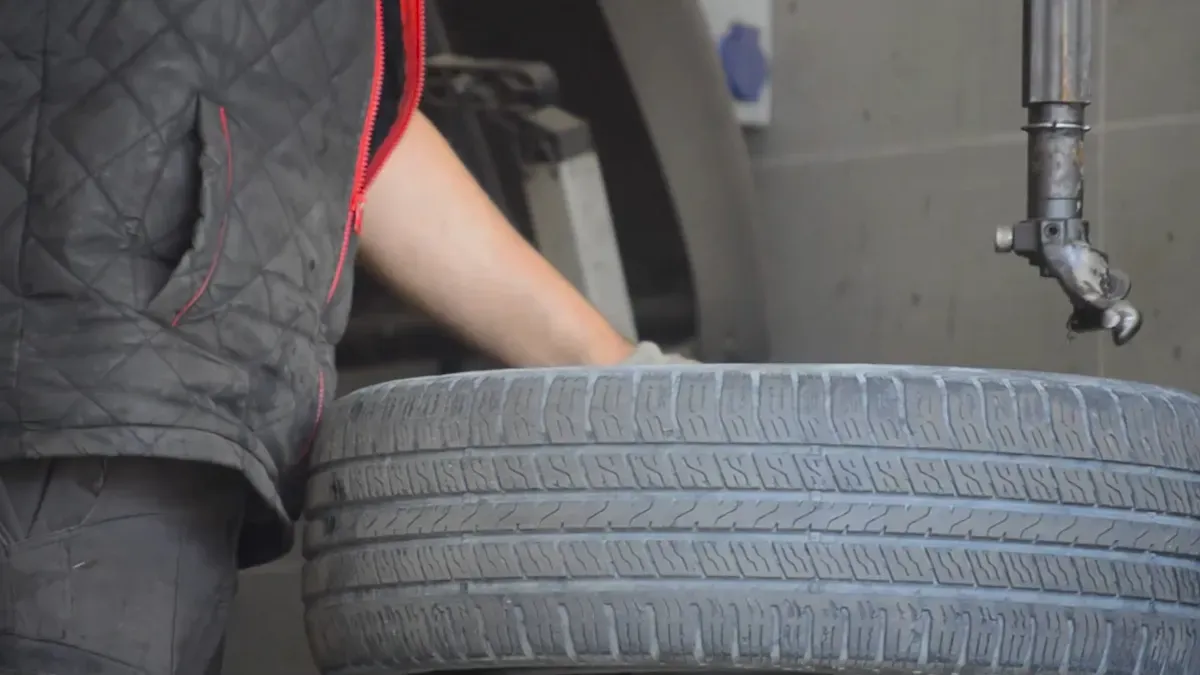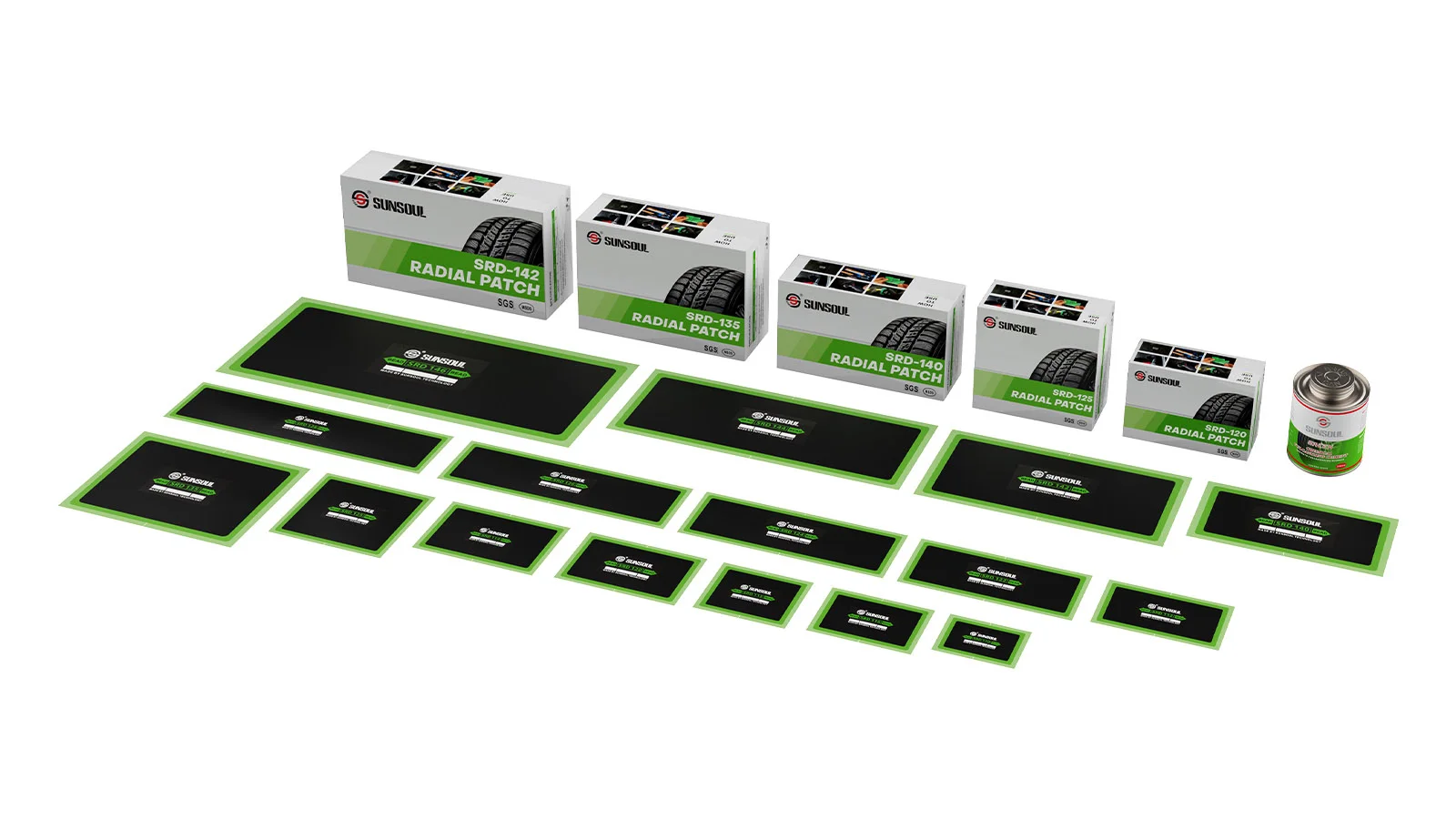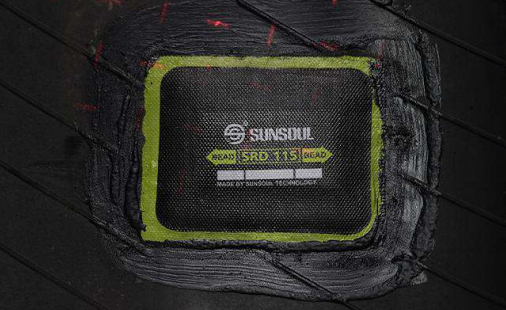

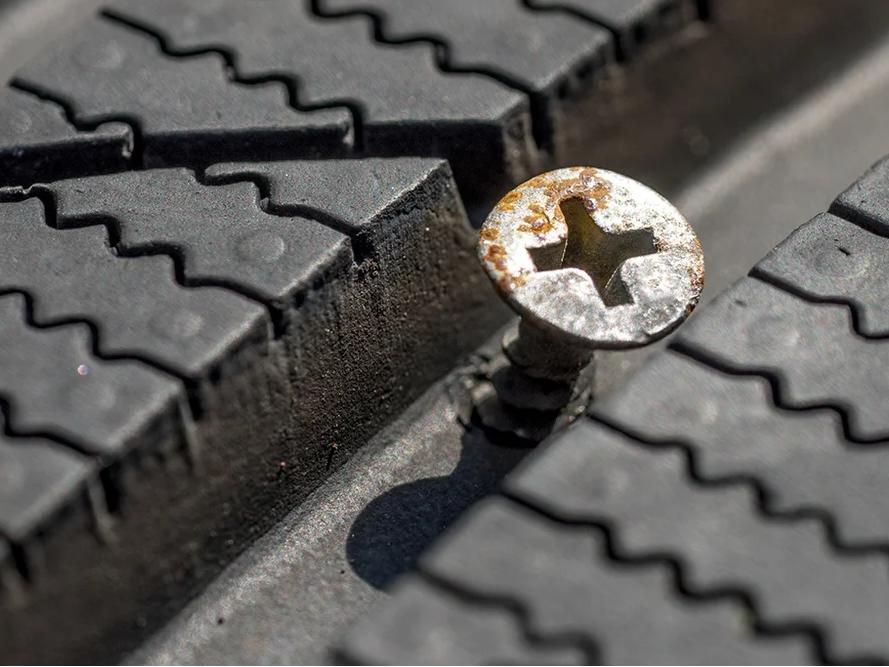
The U.S. Department of Transportation (DOT) tire repair regulations clearly state that only tread areas can be repaired. Hole diameter must not exceed 1/4 inch (approximately 6 mm). Repairs must be done using a combination of tire patch and tire plug. These regulations are designed to protect drivers and companies from fines or shutdown penalties. SUNSOUL tire repair compound offers a DOT-certified safe tire repair method.
| Consequence | Description |
|---|---|
| Out-of-Service Orders | Work must stop right away until rules are followed. |
| Fines and Penalties | Federal fines can be $1,000 to $16,000 for each problem. |
| Safety Rating Downgrades | Breaking rules can lower safety scores and hurt business reputation. |
| Legal Liabilities | Not following rules means more legal trouble after crashes. |
| Increased Insurance Costs | Insurance costs can go up if rules are broken many times. |
Key Takeaways
- Only repair small holes in the tread area of tires. For passenger cars, the hole must be 1/4 inch or less.
- Always use a combination of a patch and a plug for tire repairs. This method ensures a strong and safe fix.
- Keep accurate records of tire inspections and repairs. This helps avoid fines and ensures compliance with DOT regulations.
Rules for DOT Tire Patches
Repairable Damage Size and Location
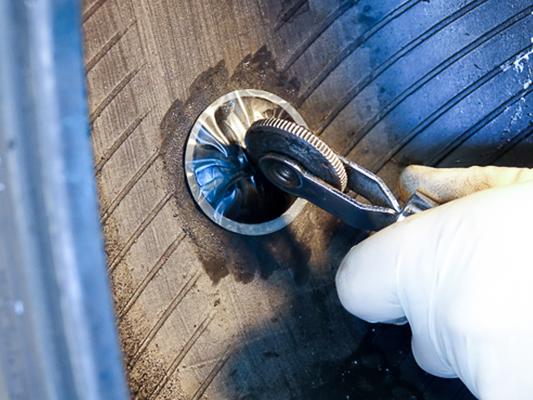
DOT tire patch rules specify the types of damage that can be repaired. Only small punctures in the tread area can be repaired. The size of the puncture depends on the vehicle type. For passenger cars and light trucks, the puncture must be less than or equal to 1/4 inch (approximately 0.6 cm). For large commercial vehicles, the maximum puncture size is 3/8 inch (approximately 1 cm).
Repairs may only be performed within the tire tread area. The U.S. Department of Transportation (DOT) tire repair regulations prohibit repairing tire sidewalls or shoulders. These areas bear the greatest pressure and are crucial to tire strength. If damage occurs outside the tire tread, the tire must be replaced.
Tip: SUNSOUL tire patches are available in both chemically vulcanized patches and dicured patches types. These patches comply with relevant regulations and are suitable for repairs compliant with DOT standards.
Approved Methods for DOT Tire Repair
DOT tire regulations require specific repair methods. The U.S. Department of Transportation (DOT) tire repair regulations do not allow repairs using only patches or patch-only repairs. Both types of patches must be used simultaneously. This seals the inner liner and fills the damage.
| Repair Method | Description | NHTSA Approval |
|---|---|---|
| Plug-Only Repairs | Putting a cord plug through the tire from outside. | Not Approved |
| Patch-Only Repairs | Taking off the wheel and putting a patch inside. | Not Approved |
| Combination Repair | Using both a plug and patch for a strong repair. | Approved |
The correct repair method is to remove the tire from the rim. This allows trained personnel to inspect the tire for any hidden damage. The U.S. Department of Transportation (DOT) tire repair regulations also stipulate that a repaired tire must not cover previous repair marks. Tire wear must not reach the tread wear indicator.
Note: SUNSOUL Tire Patch products have split backing. This helps workers put patches on the right way and fast.
Prohibited Repairs Under DOT Regulations
The DOT tire repair regulations also clearly define which repair methods are absolutely prohibited. DOT tire regulations prohibit repairing tires with severe damage, sidewall or shoulder damage, or deep cuts. Temporary spare tires, run-flat tires, and tires with bulges must be replaced.
| Type of Damage | Repair Status |
|---|---|
| Structural damage | Replacement |
| Sidewall or shoulder damage | Replacement |
| Temporary spares | Replacement |
| Run-flat tires | Replacement |
| Bulging damage | Replacement |
| Significant gashes and punctures | Replacement |
Repairing the sidewall or shoulder may reduce tire strength, making it unsafe. DOT tire repair regulations state that a sidewall bulge indicates an internal tire failure. This means the tire must be taken out of service immediately.
The DOT tire repair regulations are designed to ensure the safety of drivers and companies. These regulations ensure that only safe and compliant repairs are performed. Using products that meet U.S. Department of Transportation (DOT) standards, such as SUNSOUL tire patches, helps to comply with regulations and ensure the safety of cars and trucks.
DOT Tire Repair Regulations
Materials and Patch Types
The U.S. Department of Transportation (DOT) has regulations governing tire repair materials. Only approved products can be used. These materials must be safe and effective. Tire manufacturers and the U.S. Tire Manufacturers Association (UTMA) participated in developing these regulations. Reputable repair shops adhere to these regulations to ensure legal and safe repairs.
- DOT regulations require all repair materials to comply with these regulations.
- Only damage to the tread area can be repaired.
- Perforations must be small and easy to repair.
- Using appropriate materials helps extend tire life and ensure driver safety.
SUNSOUL tire patch products comply with DOT, ISO 9001, and REACH/RoHS regulations. The table below shows how SUNSOUL meets these standards:
| Certification | Description |
|---|---|
| ISO 9001 | Manufacturing uses strict quality management systems. |
| REACH/RoHS | Materials do not have harmful substances. |
| DOT Compliant | Products meet Department of Transportation rules. |
| CE Marked | Approved for use in Europe. |
Plug-Patch Combination Requirements
The U.S. Department of Transportation (DOT) requires a special repair method for steering tires and tread depth. The combination repair method uses both a plug and a patch. The plug fills the puncture from the inside, while the patch seals the inner liner. This creates an airtight seal and is the only repair method approved by the DOT.
- Repairing with only a plug is not permitted. This method is considered a temporary fix and may lead to air leaks or tire failure.
- Repairing with only a patch does not meet safety regulations.
- Both the U.S. Tire Manufacturers Association (UTMA) and the National Highway Traffic Safety Administration (NHTSA) state that the combination repair method must be used for safety reasons.
Good tire repair also means careful tire inspection. Only trained workers should perform repairs. Following these regulations helps meet the DOT’s requirements for steering tires and tread depth and ensures safe use of tires on the road.
DOT Tire Inspection & Documentation

Inspection Steps After Repair
A thorough tire inspection helps ensure safe and legal driving. After changing tires, drivers and staff must perform the following steps: check the tread depth for proper alignment; check the sidewalls for cuts or bulges; measure tire pressure and check the valves for leaks; ensure the wheel nuts are tightened; and ensure the tires are not touching each other.
Drivers check their tires before and after each trip. These checks help detect problems early and prevent breakdowns. Each inspection includes:
- Inspecting the tread and sidewalls
- Measured tire pressure
- Inspected the valves and wheel nuts
- Looking for any holes or damage
- Recording the inspection results in the Driver’s Vehicle Inspection Report (DVIR).
Recordkeeping for DOT Compliance
Good records show a company follows dot rules. Drivers fill out a DVIR before and after each trip. They keep these reports for at least three months. Companies also keep records for regular checks, yearly inspections, and repairs. The table below shows what to keep and how long:
| Documentation Type | Description | Retention Period |
|---|---|---|
| Driver Vehicle Inspection Reports | Daily checks that show tire condition, date, and problems. | 3 months minimum |
| Preventive Maintenance Records | Records of planned tire checks and inspections. | 12 months recommended |
| Annual Inspection Reports | Full checks to make sure tires follow the rules. | 14 months minimum |
| Corrective Action Records | Notes about repairs made from DVIR findings. | 3 months with DVIR |
Never change or write a wrong date on records. This can make a small mistake into a big problem.
To get ready for audits or road checks, companies should keep both digital and paper records. They should teach their teams about the rules and use tools to stay organized.
Common Mistakes & Compliance Tips
Frequent DOT Tire Repair Errors
Many repair shops and drivers make mistakes. These mistakes can violate regulations. Some people patch the tire sidewall, some only use rubber plugs, and some forget to keep records. Sometimes, workers don’t properly mark repair marks, and they may use materials that don’t comply with U.S. Department of Transportation (DOT) regulations. These mistakes can make tires on trucks and other vehicles unsafe.
The table below lists the most common violations during tire inspections:
| Violation Type | Description |
|---|---|
| Flat Tires | Most common DOT violation found in inspections |
| Improper Inflation | Problems with tire air levels |
| Low Tread Depth | Not enough tread left on tires |
| Sidewall Damage | Bulges or bumps on tire sidewalls |
Other problems happen when workers do not check for hidden damage. Sometimes they ignore dot trailer tire rules. These mistakes can cause fines and unsafe driving.
How to Avoid DOT Violations
Drivers and repair shops can follow some simple steps to avoid violations. They should use correct tire repair methods. They must comply with all truck tire regulations. Here are some important steps:
- Only allow trained workers to repair tires.
- Inspect each tire before starting repairs.
- Use materials that comply with U.S. Department of Transportation (DOT) regulations.
- Mark each repair point with a permanent label.
- Keep all tire work records.
- Comply with DOT trailer tire regulations and retreading standards.
- Inspect tires regularly.
SUNSOUL helps people follow the rules. They provide training, support, and maintenance assistance. Their team can quickly answer questions and offers multilingual service. This assistance ensures that drivers and repair shops repair tires correctly and pass inspections.
Following these steps keeps every fixed tire safe and legal for the road.
DOT regulations stipulate that tires can only be repaired in the tread area. Repairs must be done using the patch plug method. Complying with these rules ensures the safety of drivers and companies. SUNSOUL tire patches help people follow the rules and ensure road safety. Technicians need to continuously learn and receive frequent training. Regularly checking tire pressure is also important. Doing so helps everyone follow the rules and reduces risk.
| Training Type | Description |
|---|---|
| Online Training | Teaches basic tire service and rule requirements. |
| Advanced Certification | Mixes classroom lessons and hands-on rule training. |
FAQ
What are the minimum tire tread depth requirements for U.S. Department of Transportation (DOT) inspections?
Tire tread depth must comply with U.S. Department of Transportation (DOT) regulations. Inspectors typically require most tires to have a tread depth of at least 2/32 inch (approximately 1.6 mm). Regular tire checks help drivers avoid accidents and ensure driving safety.
How often should drivers check their tires?
Drivers should check their tires before and after each trip. Regular tire checks help detect shallow tread, damage, or other problems early.
Why do commercial tire regulations require tread depth checks?
Commercial tire regulations require tread depth checks to prevent accidents. Good tread helps tires grip the road, ensuring pedestrian safety. Complying with U.S. Department of Transportation (DOT) regulations ensures everyone’s safety.