
No one should attempt to repair tire sidewalls. Experts point out that repairing sidewalls is extremely dangerous. The U.S. Tire Manufacturers Association (USTMA) and the Rubber Manufacturers Association (RMA) cite the following reasons:
- Repairs can only be done on the tread area, not the sidewall.
- The sidewall’s supporting structure is weak and will continue to bend.
- Even a small hole can cause a blowout.
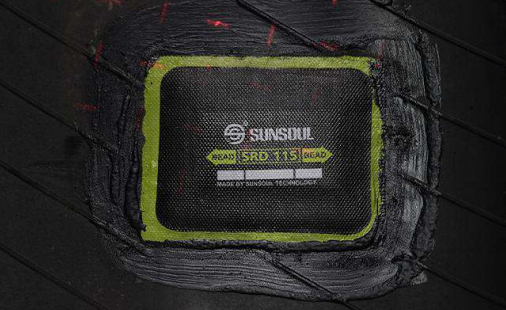
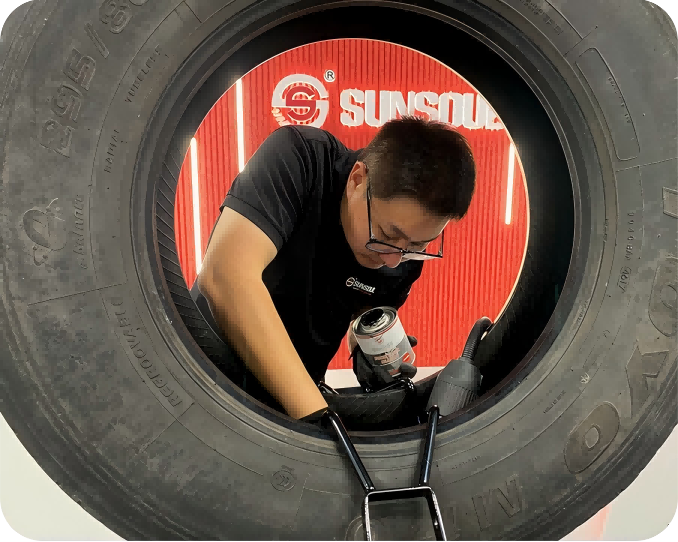
SUNSOUL tire repair compound can repair the tread well, but if the sidewall is damaged, the tire must be replaced.
Key Takeaways
- Never attempt to repair tire sidewalls. Experts point out that sidewall damage is extremely dangerous and requires tire replacement.
- The sidewall structure is weak and cannot be safely repaired. During driving, the sidewall will bend, and the repaired tread is prone to bursting.
- Regularly check tire pressure and tread depth. Good maintenance can prevent sidewall damage and ensure driving safety.
Can you patch a tire side wall?
Why side wall damage is unique
The tire sidewall plays a special role. It connects the tread, which contacts the road surface, to the bead, which secures the tire to the rim. Every time a vehicle is driven, the sidewall bends and deforms. Compared to the tread, the sidewall has fewer layers and is less strong. The tread rubber is thicker and extra-reinforced to resist punctures from nails or sharp objects. In contrast, the sidewall has fewer layers and is less strong.
- The sidewall is the vertical area between the tread and the bead.
- The tread is the part that contacts the road surface and bears most of the wear.
- According to the American Tire Manufacturers Association, only the center portion of the tread is safe to repair.
The table below lists why tire sidewalls are more susceptible to damage:
| Feature | Sidewall | Tread |
|---|---|---|
| Number of plies | Fewer | More |
| Main function | Flexibility, absorbs shocks | Traction, resists punctures |
| Repairable? | No | Yes (center area only) |
Tires with fewer sidewall layers are more prone to damage. Impacts to curbs or potholes can cause sidewall damage. Tires with insufficient pressure deform more, leading to overheating and reduced strength of the internal cords. These factors make repairing the tire sidewall area unsafe.
Risks of trying to patch a tire side wall
Attempting to repair a tire sidewall carries serious risks. The sidewall lacks the strength layer required for a safe repair. During driving, the sidewall continues to deform. This deformation causes any repair to fail quickly.
- The sidewall lacks a reinforcing layer, so the repair cannot bond firmly.
- Tire deformation during driving may cause the repair to detach.
- The repaired sidewall may not withstand the pressure and high temperatures of the road surface.
Automotive safety agencies warn of the following dangers:
- Failed repairs may lead to loss of vehicle control
- Tire blowout, especially at high speeds
- Accelerated wear on other tires
- Decreased braking performance
Note: Puncture repairs should only happen in the center of the tread. Damage in the sidewall or shoulder means the tire must be replaced.
The American Tire Manufacturers Association and the Rubber Manufacturers Association both agree with this view. They recommend never repairing tires on the sidewall. Other international organizations have issued the same recommendation. Repairing tire bead, sidewall, or outer tread blocks is unsafe. If the damage exceeds 1/4 inch (approximately 0.6 cm), the tire must be replaced.
Some products claim to repair tire sidewalls. These products are unreliable and not approved by safety experts. Improper repairs can lead to tire blowouts and serious accidents. Even with new technologies such as Kevlar-reinforced sidewalls or self-healing polymers, experts still do not recommend repairing tire sidewalls. Safety should always be the top priority.
What to do if your tire side wall is damaged
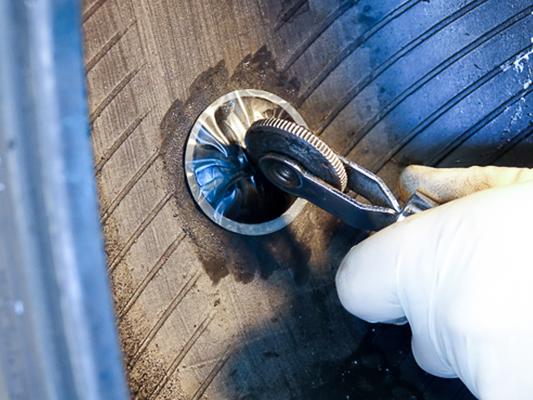
Safe alternatives to patching
Automotive experts recommend replacing tires if the sidewall is damaged. Repairing the sidewall is not safe. The American Tire Manufacturers Association and the Tire Industry Association agree. They point out that tire repairs should only be done on the tread. The sidewall strength is insufficient to withstand a patch.
Some repair methods, such as patch/plug combinations or mushroom-shaped tire repair kits, can be used to repair punctures in the tread. These methods use a patch and plug combination to form a strong seal on the tread. SUNSOUL tire patches are suitable for this type of repair. They use a chemically vulcanized adhesive for durable repairs and superior adhesion compared to other quick-fix products. The table below compares SUNSOUL tire repair compound with other products:
| Feature | SUNSOUL Tire Patch | Other Tire Repair Products |
|---|---|---|
| Repair Type | Permanent using chemical vulcanizing cement | Temporary solutions |
| Bond Strength | Superior adhesion and longevity | Lasts only 1-2 weeks |
| Certification | RoHS certified for safety and compliance | Varies by product |
| Ideal Use | Heavy-duty applications | General use |
Steps to take after side wall damage
- Inspect the tire for cuts, bulges, or cracks.
- Never attempt to repair the tire sidewall yourself.
- Have a professional inspect the tire as soon as possible.
- Follow the expert’s advice; replacement is usually recommended.
- Inspect other tires for damage or tread wear.
- Maintain proper tire pressure and check tires frequently to avoid problems.
Tire sidewall damage is almost impossible to repair safely. Only repairs to the tread area are safe. Attempting to repair the sidewall violates these rules and may endanger the safety of others.
If a tire with sidewall damage is not replaced promptly, it can lead to a blowout or loss of vehicle control, especially at high speeds. Insurance companies may not cover accidents caused by unsafe repairs. For everyone’s safety, please always follow expert advice.
Repairing tire sidewalls is unsafe. Experts and manufacturers recommend replacing tires with new ones if the sidewall is damaged. Here are some important safety tips:
- Check tire pressure regularly.
- Pay attention to tire tread depth.
- Rotate your tires frequently.
- Ensure your wheels are keeping straight.
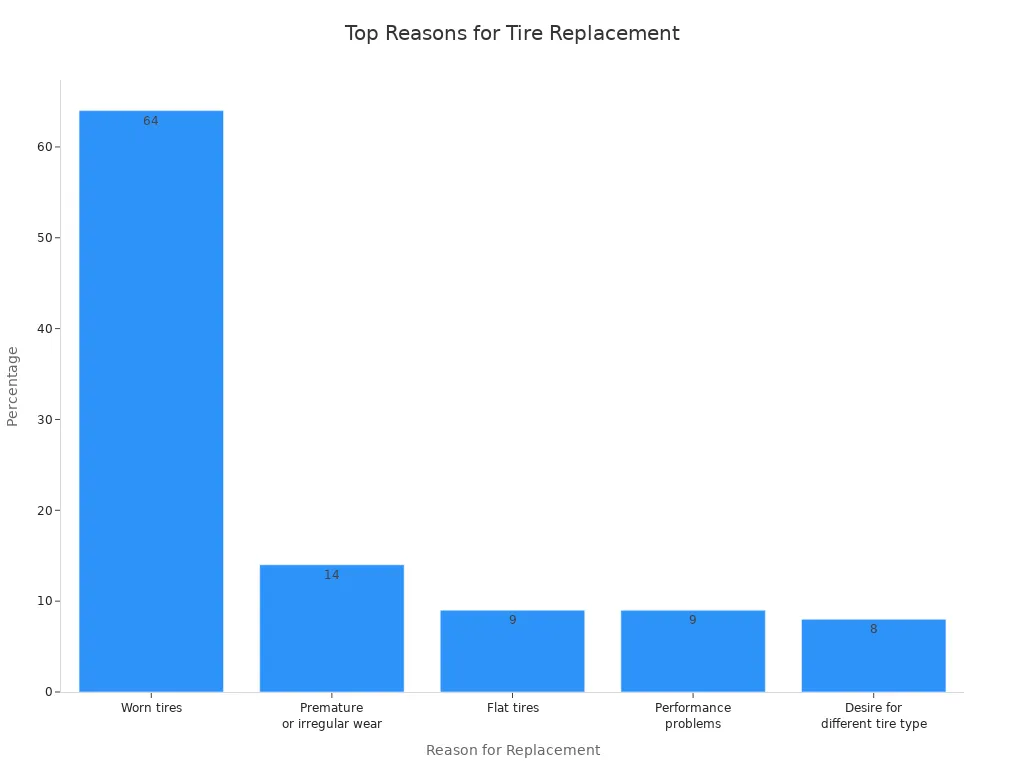
SUNSOUL Tire Patch is best for fixing the tread safely.
FAQ
Can I repair a punctured tire sidewall at home?
No. A punctured tire sidewall cannot be safely repaired at home. Experts recommend replacing the tire to avoid accidents and ensure driving safety.
Why do experts recommend replacing tires with damaged sidewalls?
The sidewall is resilient and supports the tire. Damage to the sidewall weakens its strength. Replacing the tire ensures vehicle safety and prevents a blowout.
Are tire patches like SUNSOUL suitable for all tire repairs?
SUNSOUL tire patches are best suited for repairing the tire tread. They are not suitable for sidewall damage. Always follow tire repair safety guidelines.