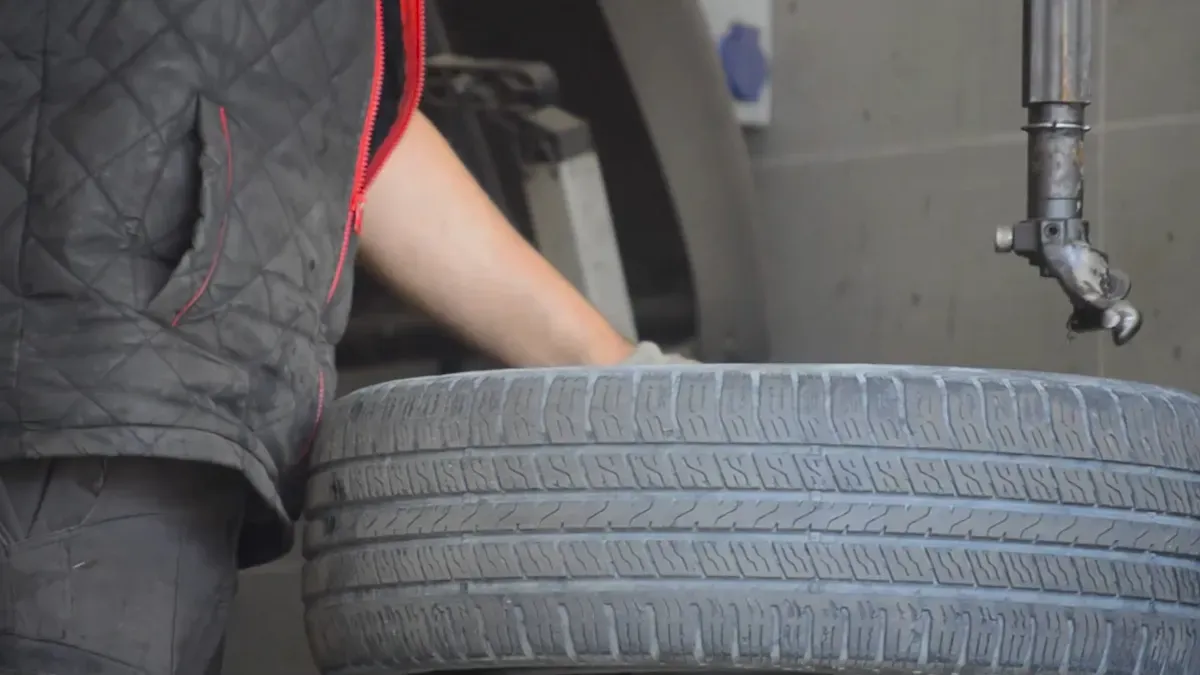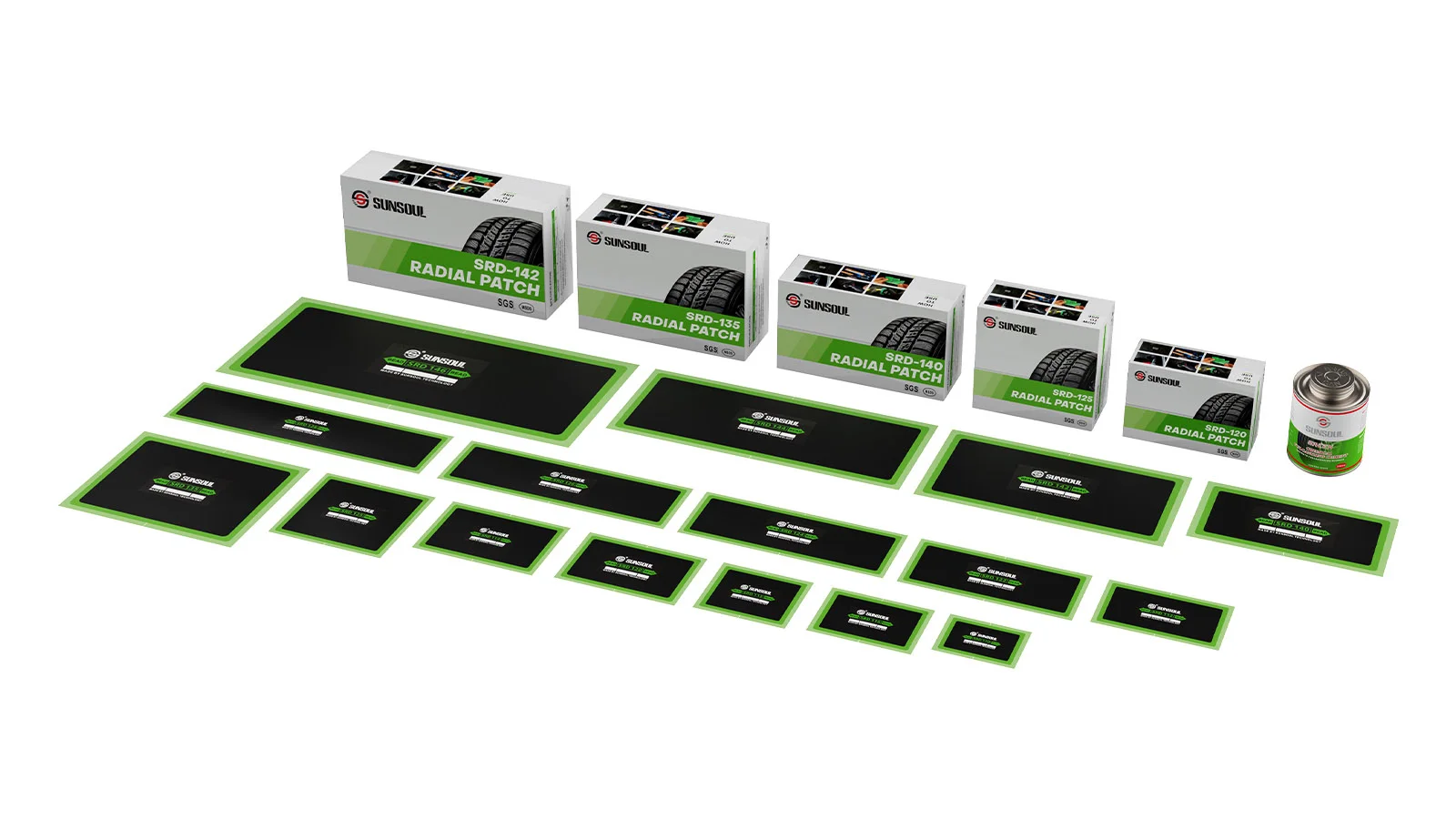


Tubeless tires can last as long as they did before repair. Experts recommend no more than three to four major repairs. Many cyclists report that a patch lasts approximately 15,000 miles (about 24,000 kilometers). Some tire patches can even last up to 25,000 miles (about 40,000 kilometers). The repair method and materials used are crucial. Using SUNSOUL tubeless tire patches can help. High-quality materials extend tire life. Regular maintenance ensures your safety and helps maintain good tire performance.
Key Takeaways
- If repaired properly, tubeless tires can last as long as tubed tires. Using high-quality products like SUNSOUL tubeless tire patches yields the best results.
- Always check tire pressure before each ride. Proper tire pressure prevents uneven tire wear and blowouts.
- Regularly check repaired areas for leaks or damage. Early detection ensures tire safety and extends its lifespan.
- Replace tubeless tire sealant every 3-6 months to seal small punctures. If you ride frequently or on rough roads, you’ll need to change tires more often.
- If a tire has undergone multiple overhauls or continues to leak air, it should be replaced. Safety first; consult a professional mechanic if in doubt.
Factors Affecting Tubeless Tire Lifespan
Puncture Size and Location
The size and location of a puncture are crucial. Small punctures are easier to repair and can be patched with a tire patch. Tire patches are suitable for minor damage but may not last as long as other repair methods. Larger punctures or cracks require a patch to restore tire strength. The location of the puncture is also important. Punctures on the tread are easier to repair than those on the sidewall. Sidewall damage reduces tire strength and shortens its lifespan.
- Small punctures are usually repaired with tire patches; this method is quick but short-lived.
- Larger punctures require a patch; this method is stronger and lasts longer.
- The effectiveness of a repair depends on the size and location of the puncture.
If a tire requires three to four major repairs, its lifespan may be shortened. Over-repairing reduces tire strength and safety.
Repair Quality and Materials
The effectiveness of tire repairs and the materials used are crucial. High-quality tire patches, such as SUNSOUL tubeless tire patches, form a strong seal, extending tire life. These patches have excellent adhesion, are suitable for all weather conditions, and are not easily torn. They also have safety certifications and warranties to ensure quality.
| Repair Method | Advantages | Limitations |
|---|---|---|
| Tire Patches | Strong, last long, fix big holes, professional | Need tools and skill |
| Tire Plugs | Fast, easy, good for small holes | Do not last long, not for sidewalls |
- Good glue helps the patch stay stuck.
- Strong patches work in hot and cold weather.
- Tough patches are 20% stronger than others.
- Certified patches are safe to use.
- A warranty helps you feel sure about the patch.
Sealing the tire well and using the right fix keeps the tire safe. Some people use sealant for small holes, but many add glue to make it better. Experts say patches seal better and last longer than plugs. If put on right, patches can last for years and stop air from leaking. Checking your tires often helps the patch work well and keeps the tire in good shape.
Riding Conditions
How and where you ride changes how long a fixed tire lasts. Smooth roads are best and help the tire last longer. Bumpy roads and trails make the tire wear out faster. Driving in the city with lots of stops can also wear the tire down quickly. Driving on highways or in the country wears the tire more evenly and helps it last longer.
| Riding Condition | Effect on Tire Wear |
|---|---|
| Smooth Pavement | Least wear, best for making tires last. |
| Rough Roads | Tires wear out faster from bumps and damage. |
| Off-Road Conditions | Tires wear out quickly from rocks and dirt. |
| Urban Driving | Tires wear out faster from stopping and starting. |
| Rural/Highway Driving | Tires wear out slowly because speed stays the same. |
Checking your tires often and keeping enough air in them helps them last longer. Using good repair products, like the SUNSOUL tubeless tire patch, also helps. People who take care of their tires and fix problems fast will have tires that last longer.
Tubeless Tire Repair Methods
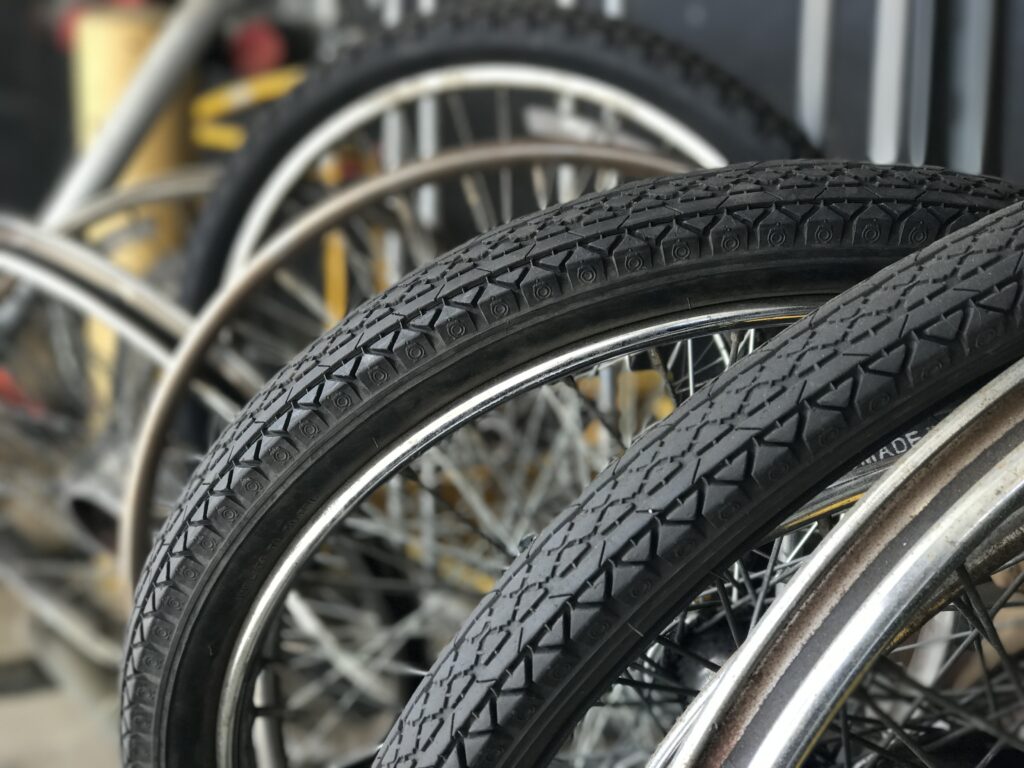
Choosing the right tubeless tire repair method can ensure riding safety and extend tire life. Each repair method addresses a specific problem. Let’s look at the main tire repair methods.
Plug Repairs
Cyclists use tire patches when they need to ride quickly. The patch fills the puncture from the outside, stopping the leak. However, experts say that tire patches are only a short-term fix and their durability is not as good as other repair methods. If you ride on rough terrain, tire patches may not be very effective. Tires are suitable for minor punctures but do not strengthen the tire. Over time, tire patches may leak air again. Cyclists should check tire patches regularly.
Tubeless Tire Patch
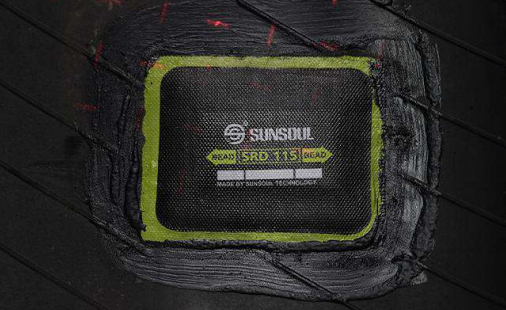
Tubeless tire patches, such as SUNSOUL tubeless tire patches, are a durable repair method. The patch is installed inside the tire. You must remove the tire, clean it, and then apply the patch. The patch seals the puncture, preventing leaks. Patches are suitable for larger punctures on the tire tread and help strengthen the tire. Experts say tire patches are more durable than plugs. Tire patches can extend the life of a tire as long as it was before. Although patching takes longer and costs more, patches are stronger and safer. Tire patches are not suitable for sidewall damage or very large holes.
Tip: A tubeless tire patch sticks well and works on bumpy roads and in all kinds of weather.
Tubeless Sealant Use
Tubeless tire sealant is a liquid injected into the tire. It seals small holes that appear inside the tire. For small holes, sealant works well and also prevents slow leaks. Riders need to check and reapply sealant every few months. Sometimes, sealant alone is not enough, especially when repairing larger holes. In this case, adding glue or a tire patch can enhance the repair.
| Repair Type | Effectiveness | Longevity |
|---|---|---|
| Plug Repairs | Temporary solution for minor punctures | Generally not durable |
| Tubeless Tire Patches | Permanent fix, covers damage from inside | Can last entire tire lifespan |
| Sealant Repairs | Requires regular maintenance | Varies based on usage and maintenance |
The best way to fix a tire depends on the hole’s size and where it is. It also depends on how you use the tire. Riders who want the longest fix often pick a tubeless tire patch for their tubeless tires.
Signs of Tubeless Repair Failure
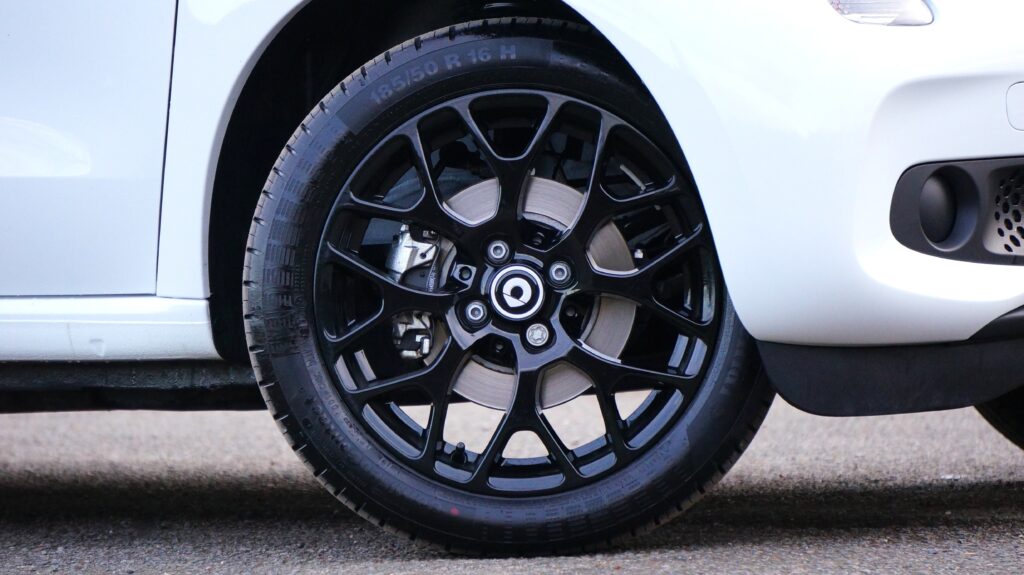
When a tubeless repair starts to fail, riders often notice certain warning signs. Recognizing these early helps keep every ride safe and extends the life of the tire.
Air Pressure Loss
A sudden drop in tire pressure usually indicates a problem with the repair. Riders may find the tire feels soft or flat after sitting overnight. Sometimes, tire pressure will drop slowly over several days. Technicians typically use soapy water to spray the tire to check for leaks. If bubbles appear around the rim edge or valve stem, it indicates an air leak.
Tip: Always check tire pressure before each ride. Consistent pressure loss means the repair may not hold.
Visible Damage
Visible damage is a clear sign of a failed repair. Riders may see cuts, bulges, or cracks on the tire surface. Sometimes, sealant will spray out from overly large punctures and fail to seal. Protruding or loose patches or plugs also indicate a problem. Technicians will check the spoke holes for leaks, which may mean the rim tape has failed. Any new or expanded damage means the tire needs repair.
| Common Signs | Symptoms | Causes |
|---|---|---|
| Bead Seal Leak | Air bubbles around rim edge, pressure loss | Incomplete seating, dirty rim, poor fit |
| Valve Stem Leak | Hissing sound, bubbles at valve | Loose core, bad seal, damaged grommet |
| Sealant Dried Out | Pressure loss, no sealant movement | Old sealant, frequent riding, hot weather |
| Rim Tape Failure | Air leaks through spoke holes | Damaged or old tape |
| Puncture Too Large | Air loss, sealant spraying from puncture | Large cuts or holes |
Repeated Leaks
Recurring leaks indicate that the tire repair may soon fail. If the tire needs to be inflated more than once a week, the repair may have failed. Sometimes, the same spot will leak again after a repair. This usually happens when the piercing is too large or the repair seal is inadequate. Repeated repairs to the same area weaken the tire. If a tire is repeatedly leaking, replacing the tire is the safest option.
Riders who notice these signs should inspect their tubeless tires right away. Quick action helps prevent bigger problems and keeps every ride safe.
Tubeless Maintenance Tips
Check Tire Pressure Regularly
Checking tire pressure helps ensure your safety and that the tubeless system is functioning properly. Cyclists should check tire pressure before each ride. If the tires have not been used for an extended period, check them every few weeks. If the tire pressure is too low, inflate the tires. Low tire pressure can cause uneven tire wear, shortening the tire’s lifespan. Maintaining proper tire pressure can prevent sudden tire blowouts.
- Always check tire pressure before each ride.
- If the tires are stored, check them every few weeks.
- Inflate the tires to ensure safety.
Frequently checking tire pressure helps prevent problems and ensures the tubeless system is functioning properly.
Inspect Repair Areas
Looking at repair spots helps find problems early. Riders should check for air loss, cracks, or bulges. Tires that are checked and cared for do not fail as much. Watching how the tire works helps find leaks or uneven wear. Riders who check their tires often can fix small issues before they get worse.
- Checking helps detect problems before they become major.
- Well-maintained tires last longer.
- Check for leaks or uneven wear.
Refresh Tubeless Sealant
Turnless tire sealant keeps tires sealed and repairs small punctures. Riders should replenish sealant every 3-6 months. In hot regions, sealant should be changed every 4-6 weeks. In colder regions, it should be checked every 3-4 months. Frequent riding helps the sealant distribute evenly within the tire. If a tire has not been used for an extended period, shake the tire or replace the sealant to prevent clumping. Keeping the sealant fresh and in the correct amount is crucial.
- Replenish sealant every 3-6 months.
- In hot regions, sealant should be checked and changed more frequently.
- Shake the tire before riding to ensure the sealant is evenly distributed.
- Use high-quality sealant for best results.
When to Replace Tubeless Tires
Sometimes, riders need to replace their tubeless tires after repairs. Experts recommend replacing tires if they have undergone multiple serious repairs or continue to leak air. Tires with cuts larger than 4 mm or sidewall bursts should be replaced. If a tire continues to leak air for no apparent reason, check the tire or consult a mechanic.
Good rim tape is crucial for the safety of tubeless tires. Poor quality rim tape can cause leaks. Regular checks keep tires strong, especially after repairs. Using high-quality repair products like SUNSOUL helps create a strong seal. This extends tire life and improves its performance.
Tubeless tires, when properly repaired, can maintain the same lifespan as treaded tires. Using high-quality products like SUNSOUL tubeless tire patches helps extend tire life. Proper tire maintenance ensures safety and good performance. Cyclists should regularly check tire pressure. They also need to check sealant levels and inspect the tires for damage. The table below lists considerations when repairing or replacing tires:
| Factor | Description |
|---|---|
| Sealant Levels | Check sealant every month to keep it working. |
| Self-Sealing Punctures | Small punctures usually seal by themselves, so you may not need to fix them right away. |
| Plugging Large Punctures | Use a plug kit for bigger holes that do not seal on their own. |
| Installation Challenges | Watch out for problems when putting on the tire and flats that sealant cannot fix. |
| Replacement Consideration | If you cannot seal or plug a hole, think about putting in a tube. |
Riders who take care of their tires have safer rides and their tires last longer.
FAQ
How long can a tire last after a puncture repair?
A tire can last until its normal lifespan if repaired well. Using a quality patch helps the tire stay strong. Most tires work safely after one or two repairs. Too many repairs may shorten the tire’s life.
Can a tubeless tire be repaired more than once?
Yes, a tubeless tire can be repaired more than once. Experts suggest not doing more than three or four major repairs. Too many repairs can weaken the tire and make it less safe for riding.
What is the best way to repair a tire puncture?
A patch placed inside the tire gives a strong and lasting repair. Products like the SUNSOUL tubeless tire patch create an airtight seal. Plugs work for small holes, but patches last longer and keep the tire safe.
How do you know if a tire repair is failing?
A tire repair may fail if the tire loses air quickly, shows cracks, or has repeated leaks. Riders should check the repair area often. If problems keep coming back, replacing the tire is the safest choice.
How often should you check your tire after a repair?
Check the tire before every ride. Look for air loss, bulges, or new damage. Regular checks help catch problems early and keep the tire working well.