


Truck tire repairs must adhere to regulations to ensure personnel safety. Regulations state that punctures in the tire tread smaller than 1 inch (2.5 cm) can be repaired. Most experts recommend that for optimal repair results, punctures should not exceed 1/4 inch (0.6 cm).
- Punctures located in the tire shoulder or sidewall should not be repaired.
- Sidewall damage cannot be repaired due to insufficient strength.
SUNSOUL truck tire patches are suitable for repairing punctures in the tire tread and help strengthen the tire. For safety, tires should always be inspected and repaired by a professional.
Key Takeaways
- Only repair punctures in the tread area of truck tires. To ensure safe repair, the puncture diameter should be less than a quarter inch (approximately 6 mm).
- Always consult a professional before repairing tires. Proper inspection ensures the safety and effectiveness of the repair.
- Repairing a tire can save money, but replacing it with a new tire is always safer. Regular inspections help maintain tire performance.
Patch Guidelines for Truck Tires
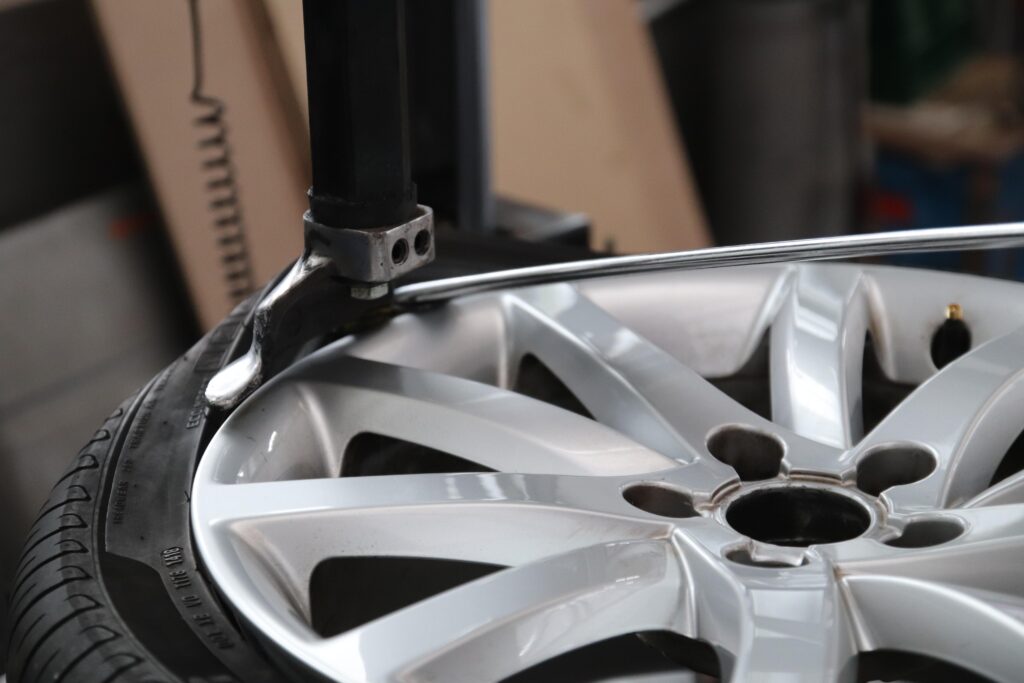
How big of a hole can be patched in a truck tire
Truck tire repairs must adhere to size regulations. The maximum width of a repairable hole must not exceed one inch. Experts recommend repairing holes no larger than a quarter inch in diameter for safety. The location of the hole is crucial. Repairs should only be performed on the tire tread. Holes near the tire sidewall or shoulder should not be repaired. Repairing large holes can lead to a rapid tire blowout. A tire blowout results in a rapid leak of air, creating a road safety hazard.
Safety Tip: Always check where the hole is and how big it is before patching a tire. Only patch holes in the tread area.
Industry standards for patching a tire
The Rubber Manufacturers Association and the Department of Transportation have established tire repair rules. These rules help ensure driver safety and extend tire life.
- Only the tread area can be repaired.
- The largest repairable hole is a quarter inch (approximately 6 mm).
- Do not repair damage to the tire shoulder or sidewall.
- Remove the tire from the rim and perform a thorough inspection before repairing.
- Never overlap patches. Having multiple patches on a tire is unsafe.
- Using a combination of patches and plugs yields the best results.
- Only trained personnel should repair tires.
The Department of Transportation has further regulations. Tires with exposed plywood or belt layers must not be used. Tires with cracks in the tread or sidewall must be replaced. Flat tires or tires making a loud whistling sound are unsafe. If a tire has a cut exposing the plywood or belt layers, it must be replaced.
| Regulation | Description |
|---|---|
| § 393.75(a)(1) | Do not use tires with exposed ply or belt material. |
| § 393.75(a)(2) | Do not use tires with tread or sidewall coming apart. |
| § 393.75(a)(3) | Do not use flat tires or tires with a loud leak. |
| § 393.75(a)(4) | Do not use tires with cuts that show ply or belt material. |
Breaking these rules can lead to fines, out-of-service orders, and lower safety ratings for companies.
SUNSOUL truck tire patch types
SUNSOUL makes patches for truck tire repairs. The SUNSOUL truck tire patch comes in different types. Each patch fits different repair needs and tire types.
| Patch Type | Application Description | Durability Description | Repair Type Description |
|---|---|---|---|
| Vulcanizing Patch | Needs tire removal; uses heat for a strong seal. | More durable, good for bigger punctures. | Gives a permanent fix. |
| Tire Plug | Put in from outside; uses pressure for a seal. | Less durable, temporary for small punctures. | Faster but less secure, good for emergencies. |
| Cold Patch | Has glue, sticks without heat; applied with cement. | Quick repairs for small punctures (≤6 mm). | Good for quick fixes. |
| Inner Tube Patch | Used for fixing holes in inner tubes of tires. | N/A | For older or special vehicles with inner tubes. |
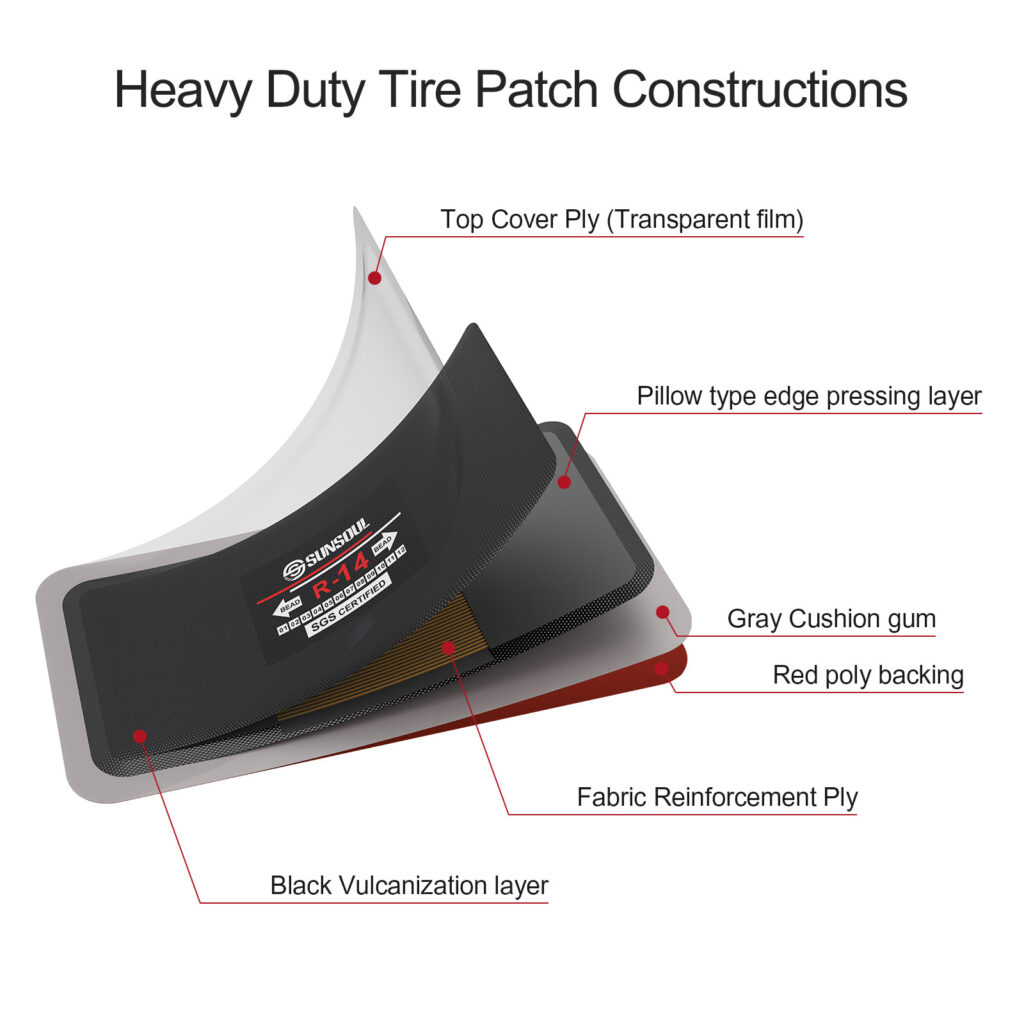
Tire repair strips are best suited for radial truck tires with tread damage. Vulcanized tire repair strips are suitable for bias-ply tires or larger punctures in older radial tires. Cold repair strips can quickly repair small holes in the tire tread. Inner tube repair strips are suitable for older vehicles or special vehicles using inner tubes.
SUNSOUL heavy-duty tire repair strips can withstand high loads and harsh operating conditions. These strips are suitable for commercial trucks, construction vehicles, mining trucks, and dump trucks. These strips have tear and tensile strength properties, ensuring the tire retains its strength after repair.
Note: Pick the right patch type based on hole size, tire type, and vehicle. Always ask a professional how to patch a tire safely.
How to tell if that hole in your tire is too big to fix
Location and size of the hole
The first step in determining if a hole in a tire is too large to repair is to check its location and size. Most repairable tire damage is located in the tread area. Holes in the sidewall or shoulder cannot be repaired because these areas are prone to bending and lack sufficient support. Damage to these areas can lead to a tire blowout. The shape of the hole is also important. Round holes in the tread are easier to repair than long, narrow cuts or tears.
To check the size of the hole, use a ruler or tape measure. Measure the diameter of the hole in the tire. If the diameter of the hole is greater than a quarter inch (about 6 millimeters), it is usually too large to be safely repaired. Holes smaller than this size in the tread can usually be repaired with a patch. Always avoid repairing holes near the edge of the tread or the sidewall.
Tip: Only patch holes in the tread area that are less than one-quarter inch wide. Never patch holes in the sidewall or shoulder.
When to patch a tire vs. replace it
Drivers should know what size tire puncture is considered too large and when to check for repairs or replacement. Here are some obvious signs:
- Check tread depth. If the tread depth of steering tires is less than 4/32 inches (approximately 1.2 mm), or the tread depth of drive and trailer tires is less than 2/32 inches (approximately 1.2 mm), the tires should be replaced.
- Check the tire sidewalls for repeated repairs or any damage. Multiple repairs or sidewall damage mean the tires should be replaced.
- Check for uneven wear. Severe uneven wear may indicate a larger problem and may require replacement.
- Check the tire’s age. Tires older than 5 to 7 years, or those with high-temperature damage, should be replaced even if the tread appears intact.
- Pay attention to changes in ride comfort or fuel consumption. Decreased ride comfort or increased fuel consumption may mean the tires are no longer safe.
Repairing is only safe if the puncture is small, round, and located on the tread. If the puncture is too large, irregularly shaped, or located on the tire sidewall, replacing the tire is the best option. Safety should always be the top priority.
Inspecting and measuring tire damage
Proper inspection helps determine if a tire needs patching or replacement. Follow these steps:
- Locate the hole in the tire by observing for air bubbles or using soapy water.
- Measure the diameter of the hole with a ruler or tape measure.
- Check that the hole is located in the tread, not the sidewall or shoulder.
- Determine if the hole is less than a quarter inch (approximately 6 mm) wide. If it is greater than a quarter inch, patching is not necessary.
- Check for other signs of damage, such as cuts, cracks, or exposed cords.
If the tire passes the above checks, a patch can be applied. SUNSOUL heavy-duty patch pads provide a strong and durable repair for eligible holes. These patches are made of natural rubber, are durable, have a strong adhesive, and meet safety standards. Many truck owners and fleet managers trust SUNSOUL patch pads because they reduce breakdowns and ensure trucks stay running. SUNSOUL also offers technical support, fast service, and lifetime maintenance advice.
Note: Always ask a professional to inspect the tire before any repair. This ensures the patch will hold and the tire will stay safe.
Is it Dangerous to Drive on a Patched Tire?
Many people ask if a repaired tire is as safe as a new one. The answer depends on several factors, including the size of the puncture, the location of the damage, and the quality of the repair. A repaired tire can be driven again, but its strength and safety may not be as good as a new tire.
If the repair is done properly and the damage is minor, the tire can continue to be used for a long time. Even so, some risks remain. Drivers should look for signs that a tire is no longer safe, such as uneven wear, bulges, or hidden damage caused by driving with a leak for an extended period. If any of these signs are observed, it is best to replace the tire.
Tip: Always check your tire after it gets patched. Watch for changes in how it looks or works. If the tire feels odd or you see new damage, ask a pro for help.
Here are some dangers of driving on a patched tire:
- A new tire lasts longer and is safer than a patched tire.
- A good patch can last years, but it may not be as reliable as a new tire.
- If you drove on the tire while it was flat, it could have hidden damage inside, making it less safe.
- Tires with uneven wear or bulges should be replaced, not patched.
The table below shows how patched and new tires compare for how long they last and how safe they are:
| Tire Type | Longevity Comparison | Safety Aspect |
|---|---|---|
| Patched Tire | Can last for the rest of its life if damage is small | May not give full safety |
| New Tire | Lasts the longest and is the safest | Gives the best safety |
Remember, a patch can fix a small hole in the tread. But it cannot make the tire as strong as it was before. Safety is most important. Check your tires often and let a pro do repairs to keep trucks safe and on the road.
Truck tire repairs should follow industry standards. The safe hole size for a patch is less than one inch, but experts recommend one-quarter inch. SUNSOUL truck tire patch repairs save money and help the environment. The table below shows cost savings:
| Item | Cost Range |
|---|---|
| Heavy-duty tire plug kit | ~$6 – $8 |
| DIY tire repair kits | ~$10 – $20 |
| Single new tire | >$100 |
Drivers should always check tires and ask professionals for advice.
FAQ
How long can a patched truck tire last?
If repaired properly, a patched truck tire can last for thousands of miles. Regular inspections help ensure tire safety and performance.
Can a truck tire with a puncture in the sidewall be patched?
No. Tire experts do not recommend patching punctures in the sidewall. The sidewall will bend and deform, making it impossible to securely hold the patch.
What tools are needed to repair a truck tire?
A mechanic will use a tire repair kit, patch, rollers, and vulcanizing fluid. Proper tools help ensure a strong and durable repair.