

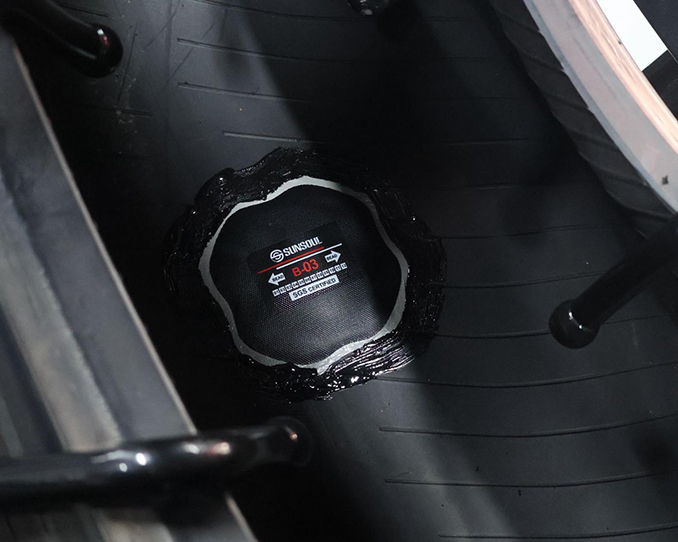
Internal tire patches can ensure driving safety if the mechanic installs them correctly and selects the appropriate patch. The mechanic will inspect the tire, clean the puncture area, and then apply a patch to seal the hole. This process helps prevent air leaks and restores tire strength. Drivers often trust this repair method to fix small holes in the tire tread, but it should never be used for sidewall damage or larger cuts.
Key Takeaways
- Internal tire patches can safely repair small holes in the tire tread, but should not be used to repair sidewall damage or larger cuts.
- Always have your tire repaired by a certified mechanic to ensure a secure seal and prevent leaks.
- Regularly check your tires for damage and wear to ensure driving safety.
- Using both a tire patch and a tire plug together achieves the best repair results, sealing both the inside of the tire and the puncture.
- If the puncture is larger than 1/4 inch (approximately 0.6 cm) or located on the sidewall, the tire should be replaced instead of repaired.
What is an internal tire patch?

An internal tire patch is a soft sheet of rubber. Technicians use tire patches to repair holes on the inside of a tire. The patch covers the hole, preventing air leakage, and adheres tightly to the inside of the tire. This helps the tire maintain its strength when bending or bearing weight. There are several types of tire patching, including vulcanized patches, adhesive patches, mushroom-shaped patches, heat-applied patches, and homemade rubber patch patches.
How it works
First, the technician removes the tire from the rim. They locate the hole and clean the inside of the tire with a reamer. Next, they apply adhesive to the patch and the cleaned area. Then, they cover the hole with the patch and press it down. The inner surface of the tire is sanded to help the patch adhere better. Vulcanizing fluid or rubber adhesive makes the seal even stronger.
Tip: Internal tire patching is best for small holes in the tread. Technicians must remove the tire and check it well before patching.
Damage types for internal tire patch
Tire patching is suitable for certain types of tire damage. The most common repairable damage includes:
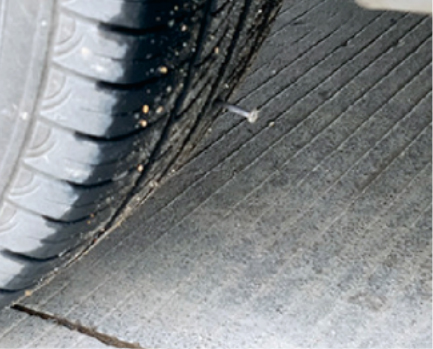
- Hole holes caused by nails, screws, or sharp objects.
- Small holes less than 1/4 inch wide.
- Damage to repairable parts of the tire tread.
Some damage cannot be repaired with an inner patch:
- Sidewall damage, such as bulges or deep cuts.
- Damage caused by tread detachment or impact dents.
- Cracks or fissures caused by aging or exposure to wind and rain.
Experts recommend using inner patches only for holes in the center of the tire tread. Technicians will not repair tires with large holes or severe wear. They will inspect the tire inside and out before using an inner patch.
Internal tire patch safety
When internal tire patches are safe
In some cases, using an inner patch is safe. Technicians use it to repair small holes in the center of the tire tread. This part of the tire bears a significant amount of weight and is frequently bent. A strong patch helps the tire regain its strength. Patches work best if the hole diameter is less than 1/4 inch (approximately 6 mm). The patch should not touch the tire sidewall. Safety depends on a secure patch installation. A certified technician will follow specific steps to ensure the patch completely seals the hole.
Note: If the patch seals the hole, air and water will not enter. This prevents further damage or a blowout.
The following table lists the best steps for safe repair:
| Step | Description |
|---|---|
| Demounting the tire | Take the tire off the rim to check inside. |
| Cleaning | Clean around the hole to get rid of dirt. |
| Abrading | Make the surface rough so the patch sticks better. |
| Applying adhesive | Put the right glue on the patch and tire for a strong hold. |
| Securing the patch | Press the patch over the hole to seal it tight. |
| Professional installation | Let a certified technician do the repair for best safety. |
| Regular assessments | Check the tire often for damage or wear. |
A good patch makes a tight seal. This keeps the tire safe for daily driving. Experts say using both a plug and a patch gives the most safety. This way, both the inside and the hole are sealed.
When not to use internal tire patches
Sometimes, using internal patches is unsafe. Technicians won’t use patch panels to repair holes in the tire sidewall or shoulder. These areas are more curved, and the patch adhesion is weaker. Larger holes, cuts, or damage from impacts with curbs or potholes are also unsuitable for repair. If the tire has dry cracks, fissures, or tread separation, patching won’t guarantee safety.
Agencies like the National Highway Traffic Safety Administration (NHTSA) advise against using only patch panels for repairs. They warn that using only patch panels allows air and water to enter the tire, reducing its strength and potentially leading to a blowout. The safest repair method is to use both a patch and a plug.
Unsafe repairs often result from neglecting certain important steps. For example, failing to remove the tire from the rim or not thoroughly cleaning the repair area can cause the patch to not adhere properly. Using inferior patch panels or the wrong adhesive can also cause problems. The table below shows how proper installation affects safety:
| Installation Method | Safety Outcome |
|---|---|
| Proper patch installation | Tight seal, keeps air and water out, stops more damage |
| Plug-patch combination repair | Airtight seal, safest, seals both inside and hole |
| Patch-only, poor installation | Air and water can get in, risk of unsafe tire and blowouts |
Tip: Always check the tire inside and outside before patching. If the hole is near the sidewall or bigger than 1/4 inch, get a new tire instead of patching.
Unsafe repairs can put drivers in danger. Following the right steps and using the best repair keeps everyone safe on the road.
Internal tire patch Risks and limitations
Installation risks
Technicians can face problems when putting in internal tire patches. If they do not follow all the steps, the patch might not seal well. This can let water and dirt get inside the tire. Hidden damage can happen if this is missed. The chance of a blowout goes up if the patch does not stick right. If a shop does a bad job and there is an accident, they could get in trouble.
- Tires can blow out more easily.
- Water and dirt can hurt the inside of the tire.
- Tires might fail after some time.
The table below shows problems with different ways to fix tires:
| Repair Method | Common Issues |
|---|---|
| Internal Inspection | Skipping this can miss hidden problems and make tires unsafe. |
| Sidewall Repairs | These repairs often do not last because the sidewall bends a lot. |
| Plug-Only Repairs | These can leave spaces that let air out and make the tire weak. |
Tip: Always look inside the tire before fixing it.
Patch quality issues
The quality of tire patches is crucial to driving safety. High-quality tire patches adhere tightly, preventing leaks and withstanding driving conditions to ensure tire safety. Inferior tire patches, on the other hand, may fail, leading to a blowout. Having a tire repaired by a professional not only ensures a secure adhesion but also allows for inspection for other damage.
- High-quality tire patches effectively prevent leaks.
- Inferior tire patches are prone to cracking, especially with heavy vehicles.
- Have your tires repaired by a professional for safer driving.
Tire condition concerns
How good the tire is matters for the repair to work. If the tire has enough tread and the hole is small, the patch should work. Big holes or holes near the side make patching not work well. The table below shows what makes a tire safe to fix:
| Criteria for Safe Tire Repair |
|---|
| The hole is in the middle of the tread |
| The hole is 1/4 inch (6mm) wide or less |
| The tire has enough tread left |
| The repair uses methods that experts say are safe |
Internal tire patches do not work for big holes or holes near the side. The tire must be in good shape for the patch to work right. If the repair is not done well, air can still leak out and the tire will not be safe.
Note: The patch is only safe if the tire is in good shape.
Internal tire repair methods compared
Internal tire patch vs. plug
Internal tire patch and plug repairs are used for different reasons. Technicians use an internal patch when they want a long-lasting fix. They take the tire off, look inside, and put the patch on to close the hole. A plug is a fast fix. It fills the hole from the outside but does not fix problems inside the tire. Professional patch repairs fail less often than plug-only repairs.
| Repair Method | Failure Rate |
|---|---|
| Professional Repairs (Patches) | Less than 2% |
| External-Only Repairs (Plugs) | 15-25% |
A plug is good for emergencies. An internal patch stays strong longer and keeps the tire safer. Experts say using both a patch and a plug is the best way to fix a tire.
Internal tire patch vs. external patch
External patches go on the outside of the tire. They do not close up the inner liner. Internal patches stick to the inside and make a stronger seal. Tests show that internal patches make a lasting bond. But sometimes water can get in and make the steel belts rusty. External plugs are just for short-term use and help drivers get to a shop.
| Type of Repair | Durability Characteristics |
|---|---|
| Internal Patch | Permanent bond to inner liner; moisture can cause rusting of steel belts |
| External Plug | Temporary fix; only seals puncture to reach a repair shop |
| Combination Patch-Plug | Best method for permanent repair; seals inner liner and fills puncture channel |
A patch-plug together gives the strongest tire repair. It closes the inside and the hole at the same time.
Internal tire patch vs. replacement
Sometimes, repairing a tire is neither safe nor feasible. Technicians recommend replacing the tire if the following conditions occur:
- Damage to the tire shoulder or sidewall.
- Damage to the tread is greater than 1/4 inch (approximately 6 mm).
- The tread is worn down to less than 2/32 inch (approximately 1.6 mm).
- The internal steel cord layer is damaged.
- The puncture site has many dense holes.
- The tire has been previously repaired.
If a patch is ineffective, replacing the tire is the safest option. Internal patches are suitable for small punctures in the tread. Using both a patch and a plug can extend tire life and protect the steel cord layer. The lifespan of a patch depends on the quality of the repair and the tire’s maintenance. A patch typically lasts from six months to several years. Plugs have a shorter lifespan. A patch and plug combination is the most durable repair method.
Tip: Always have a professional check the tire before you fix or replace it.
Internal tire patch Expert recommendations
Tire manufacturer guidelines
Major tire companies have clear regulations regarding tire repair. They stipulate that if the tire structure, sidewall, or shoulder is damaged, or if the tire is old, it must be replaced. Internal patches are only permitted for small holes smaller than 1/4 inch (approximately 6 mm) in the center of the tread. Repairing holes near the sidewall is not allowed, nor is repairing tires that have been previously repaired with overlapping repair marks.
Manufacturers recommend using patches in conjunction with plugs for a more robust repair. This seals both the inside and the hole. They also warn that patches alone do not completely solve the problem. Most regulations also state that tires repaired without using plugs in conjunction with patches do not meet the standards of the United States Tire Manufacturers Association (USTMA). If the sidewall is damaged, the tire must be replaced because sidewall repairs are unsafe.
Note: Always make sure the damage is in the right spot before you start any repair.
Professional advice
Professional mechanics follow strict procedures when repairing tires. They clean the damaged area and correctly apply the patch, ensuring a firm bond. Experts say that patches are best suited for repairing small holes in the tread, not those near the sidewall. They recommend using both patches and plugs for optimal sealing and a more durable repair.
Mechanics will not repair large problems or damage outside the center of the tread. They advise against attempting to repair sidewall damage yourself, as this could lead to a tire blowout. Temporary repair methods like plugs or sealants are only for emergencies and should be inspected by a professional afterwards. Most countries have strict regulations regarding tire repair, such as hole size and remaining tread thickness.
Tip: Always ask a professional to fix your tire to stay safe and follow the rules.
Internal tire patches are good for fixing small holes in the tread. They cannot repair damage on the sidewall or shoulder. If the sidewall is hurt, the tire can blow out. Experts say you should get a new tire if the sidewall is damaged. The table below shows important facts:
| Factor | Description |
|---|---|
| Location of puncture | Sidewall or shoulder damage needs a new tire |
| Size of hole | Small holes may be patched; large holes need a new tire |
Drivers need to have a professional check and fix their tires. Checking tires often helps keep people safe on the road. Taking care of your tires saves lives every day.
FAQ
Can anyone install an internal tire patch at home?
Most people can use a patch kit for small repairs, but a professional should handle tire patching for best safety. Technicians have the right tools and training to check for hidden damage.
How long does an internal tire patch last?
A properly installed internal tire patch can last for the remaining life of the tire. Regular tire checks help ensure the patch stays secure and the tire remains safe.
Is it safe to drive fast on a patched tire?
Driving at high speeds on a patched tire is not recommended unless a professional has inspected and approved the repair. Safety depends on the patch quality and the tire’s overall condition.
What should someone do if the patched tire starts losing air again?
If a patched tire loses air, the driver should visit a tire shop right away. The patch may have failed, or there could be new damage. Quick action helps prevent accidents.