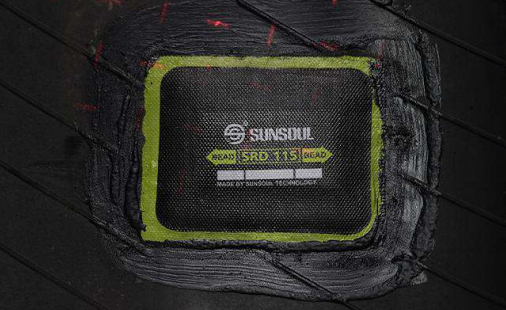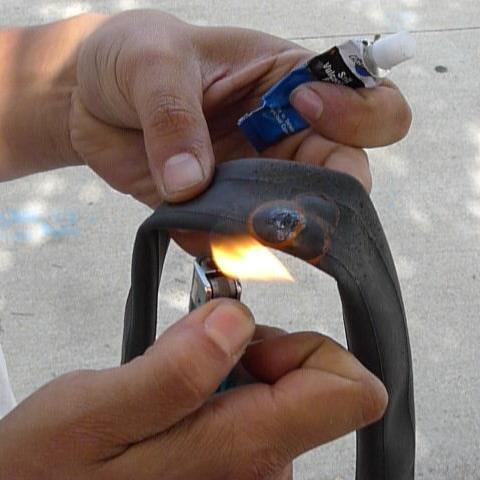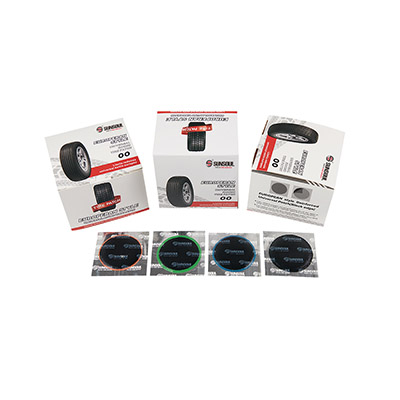

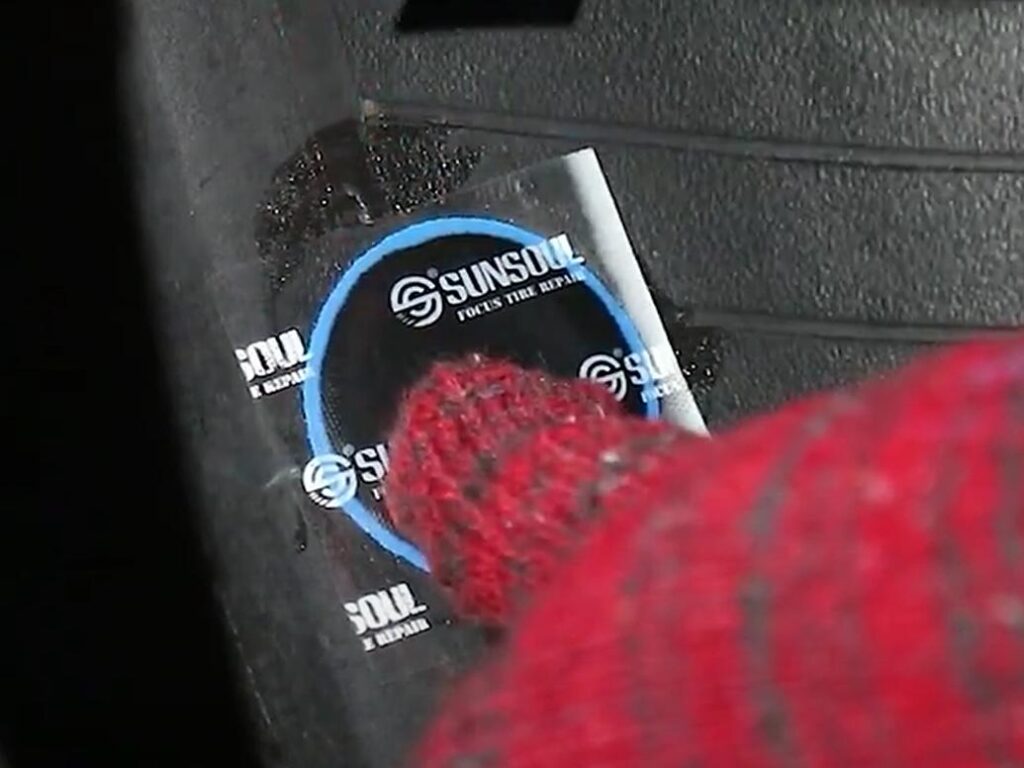
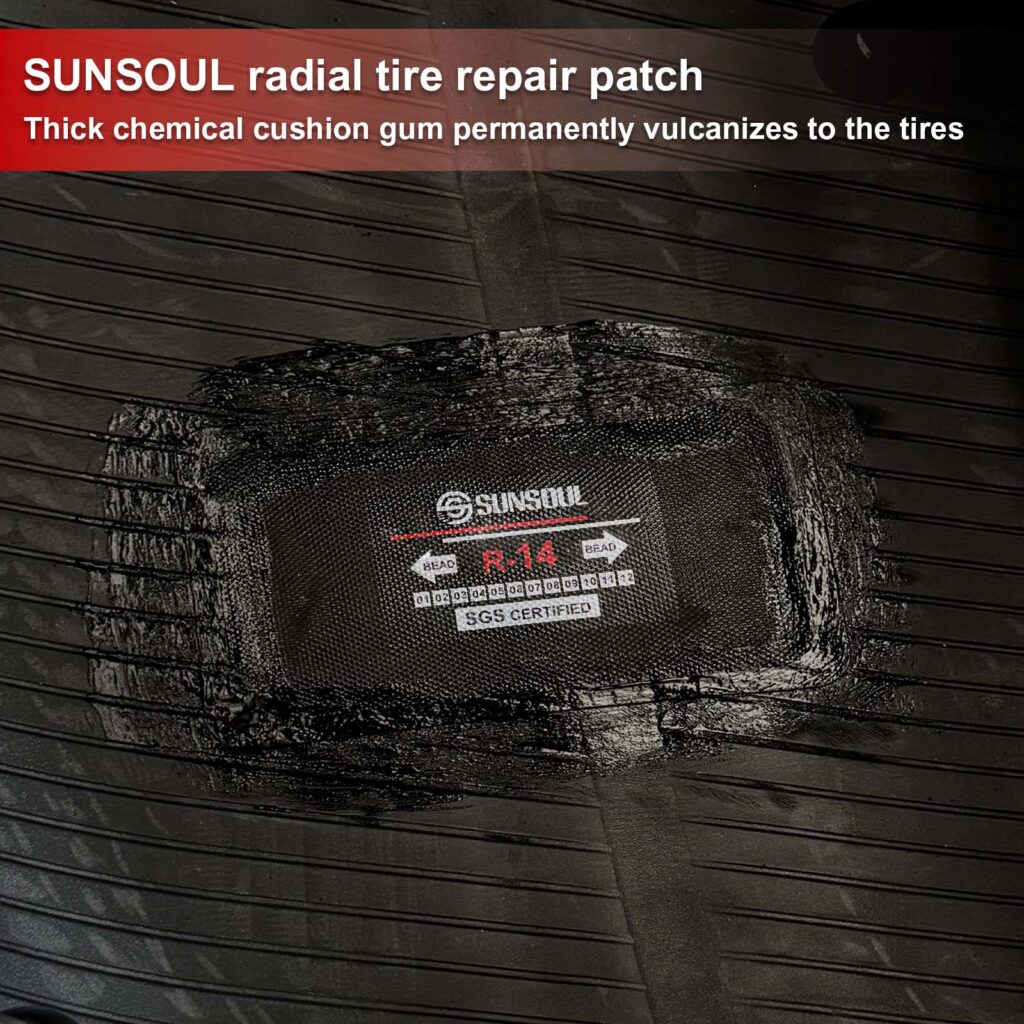
Tire patches can repair punctures no wider than one-quarter of an inch. Experts agree that performing repairs within this size range is safe. However, please note that repairs should only be attempted when the puncture is located within the tire’s tread area. For many vehicle models, SUNSOUL tire patches are an excellent choice. Constructed from durable materials and featuring superior adhesive properties, they enable users to quickly and easily repair small punctures.
Key Takeaways
- Tire patches can safely repair punctures no wider than 1/4 inch, provided they are located within the tread area.
- Never attempt to repair damage to the tire’s sidewall; for driving safety, a new tire must be installed if such damage occurs.
- Before applying a patch, ensure you thoroughly clean the area surrounding the puncture to guarantee a secure bond.
- Combining the use of a patch with a tire plug results in a stronger and more durable repair.
- Regularly inspect your tires for signs of damage or aging to ensure driving safety.
Tire Patch Size Limit
Patch a Tire: Maximum Hole Size
When a tire requires repair, users must understand the specific limitations governing safe repair practices. Industry standards have established clear guidelines regarding this matter. Among these, the “Quarter-Inch Rule” serves as the most critical guiding principle. This rule stipulates that punctures exceeding 1/4 inch in diameter should not be repaired. This rule applies exclusively to the tire’s tread area; attempting to repair damage to the sidewall or shoulder areas is unsafe.
Experts further advise that the puncture must be located at least 1/4 inch away from the edge of the sidewall. The U.S. Tire Manufacturers Association also endorses and supports these guidelines. They emphasize that tire patches are intended solely for repairing damage within the tread area, and the puncture diameter must not exceed one-quarter of an inch. If a puncture exceeds this size limit, the tire cannot be safely repaired.
When determining whether a tire can be repaired, please keep the following key points in mind:
- The hole must be less than 1/4 inch in diameter.
- The damage must be on the tread, not the sidewall or shoulder.
- The puncture should be at least 1/4 inch away from the sidewall.
- The best repair uses both a patch and a plug for extra safety.
SUNSOUL tire patches are available in a variety of sizes to suit different vehicle types. Many users have provided positive feedback after using the product, praising its ease of use and its ability to create an extremely secure seal. SUNSOUL tire patches are highly effective for repairing small punctures in cars, trucks, and even agricultural equipment.
What Hole Size Is Considered Too Large to Fix
People often ask: How big is “too big” for a tire repair? The answer is simple: If the diameter of the puncture exceeds 1/4 inch, you should not attempt to repair the tire. Furthermore, regardless of the hole’s size, if the damage is located on the tire’s sidewall, the tire is no longer safe to use. Attempting to repair a puncture that exceeds the recommended size limits can lead to serious consequences; the tire may lose its structural integrity, potentially resulting in a blowout or total failure while driving.
If the puncture diameter falls between 1/4 inch and 1 inch, some individuals might consider attempting a repair. However, experts strongly advise against this. The larger the hole, the higher the risk of a blowout or tire failure. Safety must always be the top priority. If you have any doubts whatsoever, you should always replace the tire with a new one; never attempt to repair a tire that does not meet established safety repair guidelines.
Tip: Before attempting to repair a tire, be sure to carefully inspect the location and size of the puncture hole. Strictly adhering to these rules is essential for ensuring driver safety on the road.
SUNSOUL tire patches give users the confidence they need to perform their own tire repairs. This line of patches features a thick, durable construction and provides excellent adhesion. Many users have reported that after repairing their tires with SUNSOUL products, the tires not only hold air perfectly but also maintain a durable and reliable repair.
How to Tell if That Hole in Your Tire Is Too Big to Fix
Location of Damage: Tread vs. Sidewall
The location of a puncture plays a crucial role in determining whether or not a tire can be repaired. Professional tire technicians always begin by examining the specific area where the damage has occurred. If the puncture is located within the tire’s tread area, they may deem it repairable. Since the tread area bears the majority of the stress generated by the tire’s contact with the road surface, repairs in this zone are typically feasible and effective, provided the puncture is sufficiently small. However, if the damage is situated in the tire’s sidewall area, the tire cannot be repaired and must be replaced.
Repair technicians strictly adhere to these guidelines to ensure driver safety. They perform meticulous inspections to verify that the puncture is located at least one-quarter inch (approximately 0.64 cm) away from the sidewall. Furthermore, they ensure that no repair patches overlap; if patches do overlap, the tire must be replaced.
Note: Sidewall damage can never be repaired under any circumstances. Tread damage may only be repaired if it meets strict repair specifications and standards.
Tire Condition and Age
Technicians will dismount the tire from the wheel rim to conduct a thorough internal inspection. They carefully look for signs of rubber aging, cracking, or other indications of deterioration. Tires that are more than six years old—even if they appear visually intact—should be replaced; over time, the rubber material degrades, rendering any subsequent repairs unsafe and unreliable.
For successful patching, the tire must be clean and free from major wear. The puncture area gets cleaned and abraded to help the patch stick. An adhesive is applied, and the patch covers the hole, creating a tight seal. Patches work best for small holes in newer tires. Using a patch with a plug gives extra strength.
Tip: Before repairing a damaged tire, it is essential to first inspect its age and overall condition. For tires that are excessively old or severely damaged, the proper course of action is to replace them rather than attempt a repair.
Tire Repair Guidelines
DOT and USTMA Standards
The U.S. Department of Transportation (DOT) and the U.S. Tire Manufacturers Association (USTMA) have jointly established specific guidelines regarding tire repair. These organizations aim to ensure driver safety by clearly defining which repair methods are permissible and which are not. Their primary guidelines include:
- Only the tread area can be fixed. The outer rib, which is about half an inch from the shoulder, should not be patched.
- Holes bigger than 1/4 inch cannot be fixed. This rule tells us how big a patch can be.
- Using both a plug and a patch is best. This way, the hole gets sealed and made stronger.
- Tires with less than 2/32 of an inch of tread left should not be fixed.
Note: These rules help stop unsafe repairs and lower the chance of tire problems on the road.
Manufacturer Recommendations
Big tire companies also give advice for patching tires. Their tips are like the main rules, but they add more steps for safety:
- Most companies say you can patch a tire up to three times.
- Patches work best for small holes in the tread.
- If the hole is big or on the sidewall, the tire should be replaced.
- If a new hole is on top of an old patch, you cannot fix it again. In this case, getting a new tire is safest.
- Old tires or tires with worn tread may not be good for patching.
- Just a plug is not enough. Just a patch is not enough either. The best way is to use both together.
- The tire must be taken off the wheel so it can be checked before fixing.
Manufacturers and the NHTSA tell drivers to check their tires often and fix them the right way. They say following these rules helps stop accidents and keeps cars working well.
Too Large to Patch
Risks of Patching Oversized Holes
Repairing large punctures in a tire can be hazardous. If the puncture is excessively large, the repair patch may fail to adhere securely. This can lead to air leaks or even result in a blowout while driving. The structural integrity of the tire becomes compromised, and it may rupture without warning. Furthermore, applying overlapping patches at the same location is also an unsafe practice.
The table below lists the primary potential risks:
| Evidence | Description |
|---|---|
| Tire failure risk | Fixing big holes can make the tire break and put drivers in danger. |
| Structural integrity | A weak tire can blow out. |
| Overlapping repairs | Patches on top of each other can make the tire unsafe. |
| Air escape risk | Bad patches can let air out and cause blowouts. |
| Long-term damage | Small holes can get bigger and cause more blowouts later. |
Fixing the sidewall is not safe because it bends a lot when you drive. Tire makers say to get a new tire if the sidewall is hurt. Checking your tires often helps keep them safe. But fixing big holes is never a good idea.
Alternatives to Patch a Tire
If a patch cannot repair the tire, other remedies are available. For larger punctures or damage to the sidewall, replacing the tire with a new one is the safest course of action. Tire plugs can repair small holes, though they are not as durable as patches. For small punctures on the tread, using a patch works very well.
Here is a brief comparison:
| Aspect | Tire Patch Repair | Tire Plug Repair |
|---|---|---|
| Durability | Lasts a long time if done right | Does not last as long |
| Maintenance | Costs less over time | May need more fixes |
Fixing big holes or sidewall damage does not make the tire strong again. In these cases, getting a new tire is safest. Checking tire pressure and rotating tires can help patched tires last longer.
Tip: Always pick the safest choice. If you are not sure, get a new tire instead of trying to fix a big hole.
Tire patching is suitable for repairing small punctures on the tire tread. The puncture opening should be less than 1/4 inch in width. Drivers must carefully inspect the exact location and size of the puncture. It is crucial to thoroughly clean the damaged area before proceeding with the repair. Combining the use of tire plugs and patches results in a more secure and reliable repair. Once the repair is complete, please test the tire to ensure it has fully regained its normal functionality. If the puncture is too large, or if it is located on the tire sidewall, the tire should be replaced with a new one.
- Please inspect your tires regularly and strictly adhere to the manufacturer’s usage recommendations.
- Seeking professional assistance helps ensure that the repair work is of high quality and performed safely.
SUNSOUL tire patches are suitable for use on a wide variety of vehicles. When performing tire repairs, please always prioritize safety above all else.
FAQ
How large of a hole can a tire patch cover?
A tire patch can cover punctures no wider than 1/4 inch. Experts recommend performing repairs only within the tread area. For larger punctures or damage to the sidewall, the tire must be replaced.
Can a tire with sidewall damage be repaired?
No, professional technicians will not repair damage to the sidewall. The sidewall plays a critical role in maintaining the structural integrity of the tire. Any puncture or tear in this area necessitates the replacement of the entire tire.
How many times can a single tire be repaired?
Most manufacturers allow for a maximum of three repairs within the tread area. Overlapping patches pose a safety risk; therefore, technicians conduct a detailed inspection of the tire’s condition prior to performing any repair.
Should I go to a professional tire shop for repairs?
Professional tire shops possess specialized tools and strictly adhere to safety protocols. Technicians perform a comprehensive assessment of the tire’s overall condition—as well as the specific location of the puncture—to ensure that the repair is both safe and durable.
What is the best method for repairing a tire?
For small punctures within the tread area, experts recommend a “patch-and-plug” dual repair method. This technique creates an extremely robust seal, effectively preventing air leaks.
Tip: Before repairing a tire, always check its age and overall condition