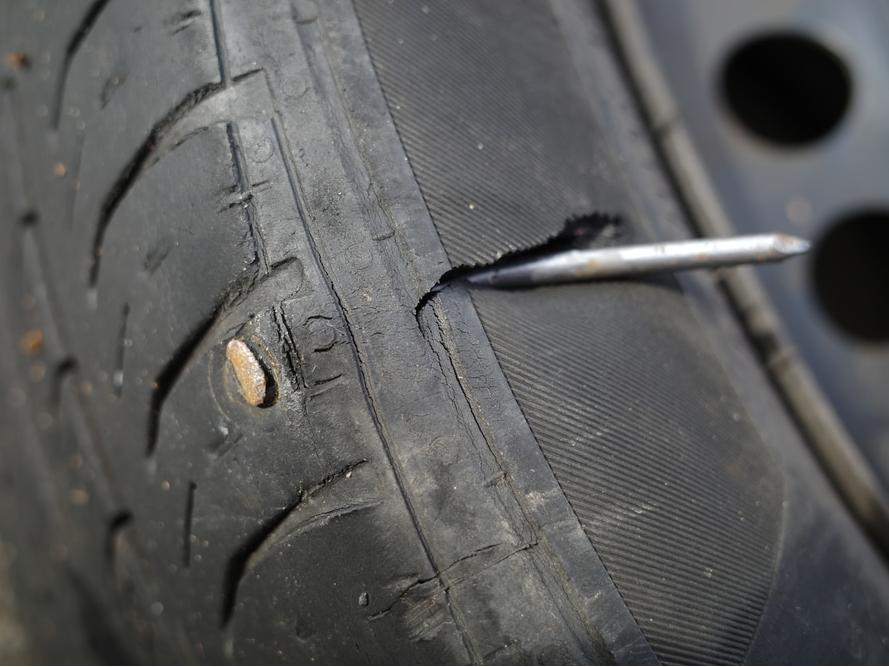


Many car owners are annoyed when they discover a tire leak after a repair. Slow leaks are difficult to detect but can cause serious problems. Experts point out:
- 85% of tire leaks are caused by long-term, slow leaks.
- These leaks can be caused by air leakage, temperature changes, or minor tire damage.
- Insufficient tire pressure increases braking difficulty and can lead to a blowout.
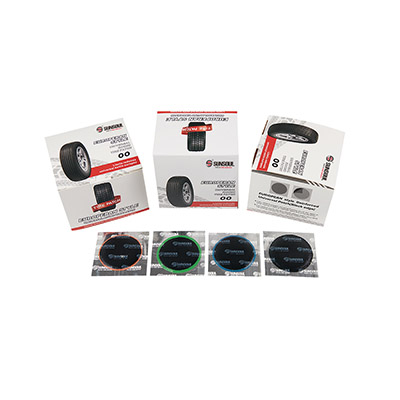
Using high-quality products like SUNSOUL tire sealant can effectively prevent leaks after a tire repair, ensuring driving safety.
Key Takeaways
- Slow tire leaks can happen if repairs are not finished. They can also come from valve stem damage or rim problems. Finding these causes keeps tires safe.
- Use both a patch and a plug for tire repair. This way, the seal is strong and stops leaks later.
- Look at your tires often and use soapy water to check for leaks. This easy test can show even tiny air loss.
- Check valve stems and rims often for any damage. Changing old parts can lower the chance of slow leaks.
- Get help from a professional if leaks stay after you fix them yourself. Experts have the right tools and know how to fix hard problems safely.
Common Causes of Persistent Slow Tire Leaks After a Repair and How to Prevent Them
Post-repair tire leaks can make drivers upset and unsafe. Knowing why slow tire leaks happen helps stop problems and keeps tires filled right. Experts say there are a few main reasons for these leaks, shown in the table:
| Cause | Explanation |
|---|---|
| Wheel damage | Hitting curbs or potholes can hurt the tire bead area and cause slow leaks. |
| Valve stem damage | Old or broken valve stems can let air out slowly because they get worn from use and weather. |
Incomplete Puncture Seal
Many slow leaks after tire repair are caused by inadequate sealing. DIY repairs sometimes overlook hidden damage or fail to completely seal the puncture. Professionals inspect the tire inside and out and use stronger patches for better results.
- DIY repairs may leave weak points or gaps.
- Professional repairs ensure a strong seal.
- Skipping certain steps may reduce vehicle safety.
Valve Stem Damage
Valve stem damage is a top reason for slow leaks after repair. You might see rust, cracks, or the valve stem feels hard from water, salt, or age. If the valve cap is missing, dirt can get in and cause leaks. Checking and changing valve stems often helps keep air in and stops slow leaks.
Rim or Bead Issues
If the rim or bead area is damaged, air can leak out. Hitting a curb or pothole can bend the rim or break the seal. To stop leaks:
- Look at the bead seal.
- Clean dirt or rust off the rim.
- Make sure the tire is put on right.
Improper Repair Methods
Bad repair methods can cause slow leaks after fixing a tire. The safest way uses both a rubber tire patch and a rubber tire plug, and the tire must come off for checking. Unsafe ways, like using just a plug or just a patch, skip this and might miss hidden problems.
| Repair Method | Safety Level | Description |
|---|---|---|
| Plug-only repair | Unsafe | Puts a plug in from outside but does not check inside for damage. |
| Patch-only repair | Unsafe | Puts a patch on but does not look inside the tire. |
| Combination repair | Safe | Uses both a patch and a plug, checks the whole tire, and fixes it right. |
Tip: Always pick a combination repair with a good patch like SUNSOUL Tire Patch. This helps the fix last longer and keeps tire pressure steady.
Step-by-Step Guide: How to Diagnose a Slow Tire Leak After Repair
A slow leak can frustrate any driver, especially after a recent repair. Diagnosing the source of a slow tire leak helps prevent further damage and keeps vehicles safe. This guide explains how to find slow leak problems using simple tools and clear steps.
Visual Inspection Steps
A visual inspection is the first step to find slow leak issues. Experts recommend these steps:
- Inflate the tire to the recommended pressure. This restores its shape and makes leaks easier to spot.
- Examine the tire closely. Look for cracks, cuts, or sharp objects like nails and screws. Check for air bubbles, bulges, or wet spots that might show a leak. Pay attention to worn areas near the sidewall.
- Use a flashlight to see small details, especially in low light.
- Listen for hissing sounds, which can point to a slow leak.
Tip: A visual check can miss small punctures or leaks. Small holes are hard to see with the naked eye. If the slow leak remains hidden, move to the next test.
Soapy Water Test
The soap and water test is one of the most effective ways to find slow leaks. It’s more effective than simply observing or listening for hissing sounds. This method helps locate leaks that are invisible to the naked eye.
Please follow these steps:
- Mix four parts water with one part dish soap and pour the mixture into a spray bottle.
- Spray the solution onto the tire, focusing on the tread, sidewalls, and valve stem.
- Observe for bubbles. The appearance of bubbles indicates that air is escaping and can indicate the location of a slow leak.
This test can detect even the smallest slow leaks. It’s simple, safe, and requires no special tools.
Checking Valve and Rim
Valve stems and rims are common points of slow air leakage. Inspecting these parts can help identify the cause of slow leaks that patching or plugging may not resolve.
- Check the valve stem for cracks, corrosion, or looseness. These problems can cause air to leak slowly.
- Spray soapy water onto the valve stem. If bubbles appear, there is a slow leak at the valve stem.
- Inspect the tire bead. Ensure the tire bead fits tightly to the rim. Check for rust or dirt, as these can cause seal failure.
- Inspect the rim for bends, dents, or rust. These damages can cause slow leaks around the tire rim.
Note: A damaged rim or valve stem often needs repair or replacement to stop a slow leak.
Identifying Repair Area Issues
Sometimes, a slow leak comes from the area that was repaired. Common issues include:
- Punctures from nails, screws, or sharp debris that were not fully sealed
- Valve stem damage from corrosion or brittleness
- Leaks around the tire bead or rim from improper sealing or corrosion
Check the repair area for signs of air loss. Use the soapy water test again if needed. If the slow leak continues, the repair may not have sealed the puncture completely.
If these steps do not find slow leak sources, or if the leak returns after repair, seek help from a tire professional. Persistent slow leak problems may need advanced tools or expert inspection.
Tools Needed:
- Tire pressure gauge
- Flashlight
- Spray bottle
- Dish soap and water
- Valve core tool
A slow tire leak can cause safety risks and extra costs. Regular checks and these simple steps help drivers find slow leak problems early and keep tires in good shape.
Comprehensive Steps to Effectively Fix a Slow Tire Leak After Repair
A slow leak after fixing a tire can make drivers upset. It can also be dangerous. Using the right steps helps the repair last longer. This section shows how to fix a slow leak based on what caused it. It uses clear steps and good materials. SUNSOUL is a top tire patch company. Their products help drivers and shops get strong repairs.
Resealing the Puncture
To repair a slow leak caused by a poor seal in a tire puncture, follow these steps:
- Repair only the hole in the center of the tread. This area is called the minor repair area.
- Do not repair holes larger than 6 mm. If the hole is too large, replace the tire.
- For best sealing, use both a tire plug and a patch. Tire plugs are suitable for emergencies but have a short lifespan.
- Do not repair sidewall damage. This area cannot be safely repaired.
- Thoroughly clean the puncture area before using a patch or tire plug.
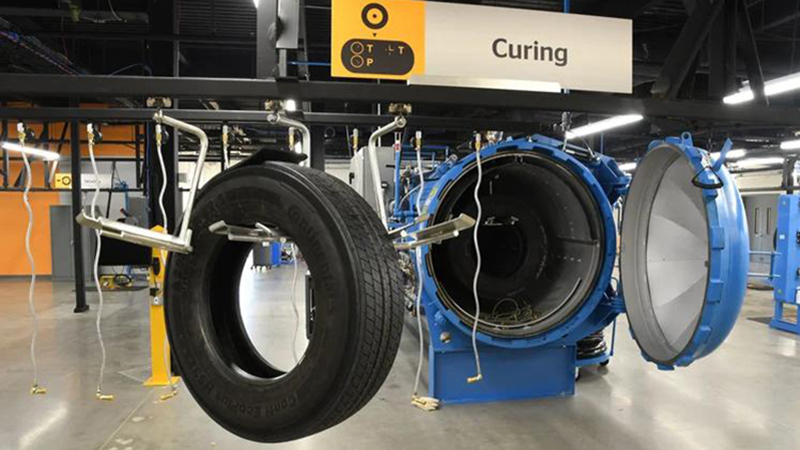
SUNSOUL tire patches use a self-curing technology. This allows them to form a strong seal with the tire rubber. The rubber compound is suitable for both hot and cold weather. The cord layers make the patch tough and durable. SUNSOUL patches meet DOT and ECE R109 safety standards. This means the repair is safe and reliable.
| Feature | SUNSOUL Tire Patch Description |
|---|---|
| Self-vulcanization process | Makes a strong seal with tire rubber, better than regular glue. |
| High elastic rubber formula | Works in very hot or cold weather, good for all seasons. |
| Reinforced cord layer | Makes the patch tough and last longer. |
| Certification | Meets DOT and ECE R109 safety rules for repair parts. |
Tip: Always clean the hole area and follow the patch instructions. SUNSOUL’s split backing makes it easy to use, even for beginners.
Replacing Valve Stems
A broken valve stem can cause a slow leak. To fix this problem, follow these steps:
- Carefully remove the valve stem, being careful not to allow air to leak out quickly.
- Apply soapy water to the valve stem and observe if bubbles appear. Bubbles indicate a leak.
- Inspect the threads of the old valve core for rust. If rust is present, clean it.
- Install the new valve core. Ensure it is tightened, but not overtightened.
- Inflate the tire. Check for leaks again with soapy water.
Check the tire sidewall, tread, and bead for leaks to ensure a successful repair. SUNSOUL valve stem kits are durable.
Repairing Rim or Bead Leaks
Rim or bead leaks can happen after hitting a curb or bad mounting. To fix a slow leak here, focus on these points:
| Key Consideration | Description |
|---|---|
| Proper Lubrication | Use good tire mounting paste to stop bead damage when installing. |
| Tool Usage and Technique | Use tools gently. Do not use too much force or you might hurt the bead. |
| Equipment Condition | Check the tire machine and rim for sharp edges or rust before using. |
| Proper Mounting and Inflation Technique | Use approved lubricants and fill the tire in short bursts. Check for leaks before using the tire again. |
Clean the rim and bead area to remove dirt and rust. This helps the tire fit right and stops leaks later. SUNSOUL patches work for many tire types. They are good for custom or big repairs.
Correcting Poor Repairs
Poor repairs can cause slow leaks to recur. To fix a slow leak caused by an improper repair, follow these steps:
- Fill the hole with a tire repair needle.
- Apply a patch to the back of the needle to complete the repair.
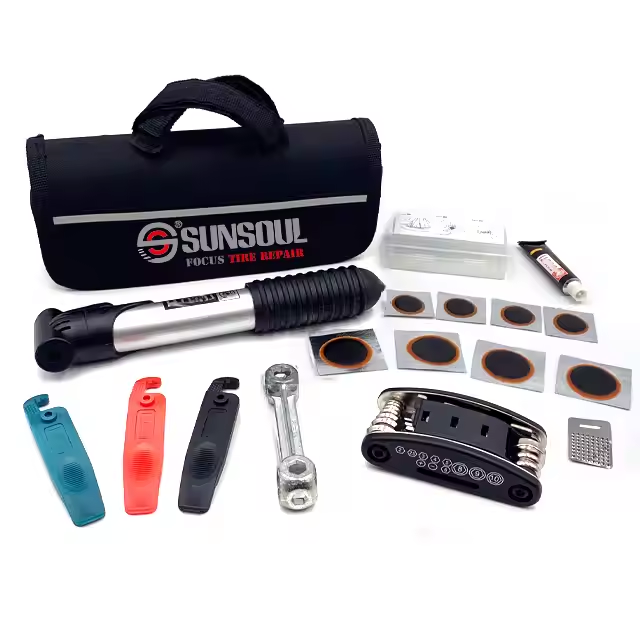
Professional repair shops use high-quality patches and plugs. They also use a vulcanization process to enhance the repair. A tire repair plug kit is the best option. It seals the hole and patch from the inside, extending the tire’s lifespan.
| Repair Method | Description |
|---|---|
| Tire Patch Plug Kit | Best method; seals hole and patches from inside, making the tire last longer. |
SUNSOUL Tire Patch uses natural rubber and special materials. These resist heat and wear. The vulcanizing gum makes a leak-proof seal. The split backing and easy steps help users fix a slow leak fast.
When to Get Professional Help
Sometimes, even after trying various home repair methods, slow leaks persist. Drivers should look for the following signs:
- Tire pressure drops again after repair.
- The source of the leak cannot be identified after a soap and water test.
- The leak persists even after taking all the necessary steps.
If any of the above occurs, please seek help from a tire repair shop. Professionals have more specialized tools and greater experience to locate and repair slow leaks that home repair methods cannot resolve.
Note: High-quality repair kits, such as those from SUNSOUL, can reduce roadside problems by 92%. They also improve safety and customer satisfaction.
Using the correct materials and steps helps drivers repair slow leaks and ensure tire safety. SUNSOUL is a trusted company committed to providing drivers and repair shops with robust, durable, and easy-to-use products.
Finding out why a tire leaks slowly after repair helps keep drivers safe. Using good products like SUNSOUL Tire Patch and doing the right steps makes the fix last longer. Tire safety groups say to do these things: 1. Look at the TPMS sensor for warnings. 2. Try soapy water to find leaks. 3. Check your tires and watch the pressure often. 4. Get help from a pro if you have big problems.
| Metric | Before TPMS | After TPMS | Change |
|---|---|---|---|
| Blowouts | 70 | 30 | 57.1% fewer |
Check your tires yourself every month. Go to a pro shop two times a year to keep your tires working well.
FAQ
What causes a slow tire leak after using a SUNSOUL Tire Patch?
A slow leak can happen if the puncture area was not cleaned well or if the damage was too large. Always follow the repair steps and check the tire for hidden problems.
How long does a SUNSOUL Tire Patch repair last?
A SUNSOUL Tire Patch can last for the life of the tire if applied correctly. Many users report no leaks for over 20,000 miles after repair.
Can drivers fix a slow leak at home?
Drivers can fix small punctures at home with the right tools and a SUNSOUL Tire Patch. For rim, bead, or valve stem leaks, a professional should check the tire.
Is it safe to drive with a slow tire leak?
Driving with a slow leak is not safe. The tire can lose pressure and cause poor handling or a blowout. Fix the leak as soon as possible.
How often should tires be checked for leaks?
Experts suggest checking tire pressure every month. Regular checks help find slow leaks early and keep the vehicle safe.